

Boating Essential Techniques, Gear, Costs, and Destinations
Heading out onto open water delivers an unmatched sense of freedom, adventure, and connection with the outdoors. Whether navigating quiet inland waterways or exploring vast coastal sounds, boating provides a versatile escape for families, anglers, and water sports lovers alike. As marine technology continues to evolve, modern watercraft offer safer navigation systems, reliable engines, and elevated onboard amenities. Understanding essential rules of the water ensures every voyage remains secure, scenic, and deeply rewarding for everyone on deck.
Before launching away from the harbor, preparing thoroughly makes all the difference between an effortless excursion and an overwhelming ordeal. Proper planning encompasses selecting appropriate vessels, monitoring local meteorological updates, and securing necessary safety equipment. Combining recreational relaxation with active water pursuits allows water lovers to explore varied marine settings. For those intrigued by unique aquatic living arrangements, learning about life aboard a boat home reveals fascinating ways water enthusiasts integrate watercraft directly into their everyday lifestyles.
Essential Types of Watercraft for Marine Adventures
Selecting the ideal vessel depends heavily on intended activities, passenger capacity, and local marine conditions. Pontoon watercraft remain beloved options for casual social outings, calm lake cruises, and family picnics due to broad deck areas and stable hulls. For water sports enthusiasts, bowriders and dedicated wakeboard craft offer responsive horsepower and specialized towing towers. Center console designs serve offshore anglers exceptionally well, delivering unobstructed casting perimeters and deep-V hull configurations tailored to handle rougher chop.
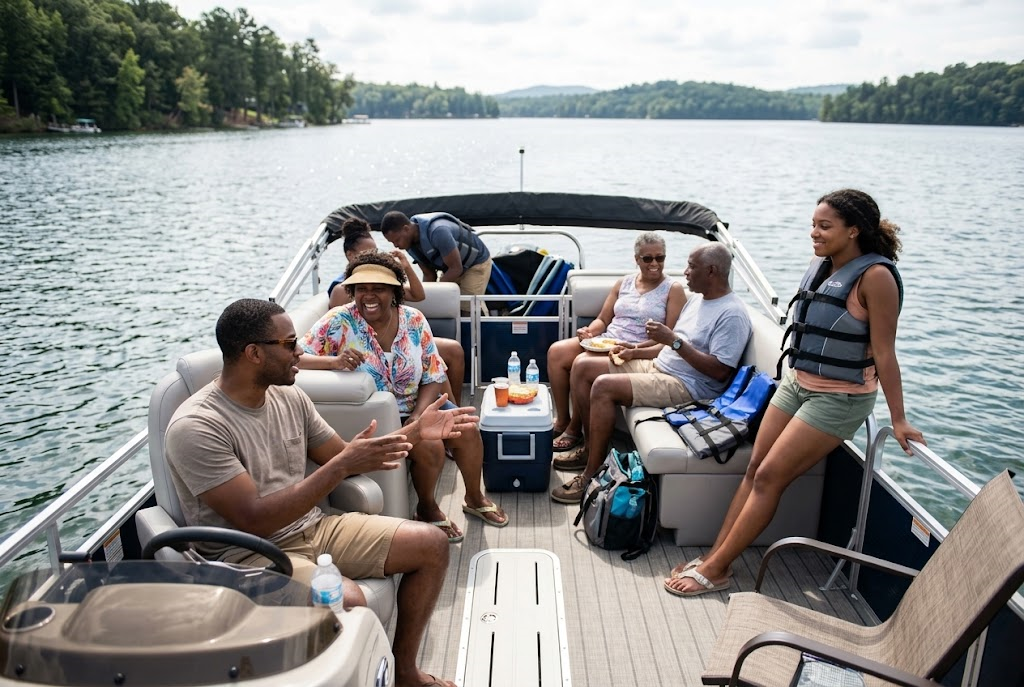
Sailboats present a distinct discipline where mariners harness wind dynamics for propulsion, appealing to purists seeking technical engagement. In contrast, cabin cruisers provide enclosed living berths, galleys, and head compartments suitable for multi-day voyages across extensive coastal waterways. Personal watercraft offer rapid maneuverability and agility for solo explorers or couples seeking brisk day outings. Selecting the correct hull architecture ensures optimal performance across varying depths, currents, and open-water swell conditions.
Key Equipment and Gear Checklist for Every Outing
Safe, comfortable voyages require dependable marine gear tailored to withstand continuous exposure to damp environments and sunlight. Inspecting onboard safety gear before unmooring guarantees compliance with Coast Guard regulations and ensures rapid incident management. High-visibility safety vests, communication instruments, and proper vessel illumination form the foundation of responsible navigation. Having durable deck storage also prevents essential electronics and dry provisions from sustaining moisture damage throughout choppy crossings.
You can equip your watercraft with verified marine essentials by reviewing our curated gear recommendations on this Amazon gear selection. Standard marine safety equipment encompasses:
Investing in dependable items safeguards both your crew and vessel during unexpected open-water shifts or sudden downpours.
Step-by-Step Guide: How to Safely Launch, Operate, and Dock a Vessel
Handling a motorized watercraft demands measured discipline, continuous situational awareness, and adherence to established navigation etiquette. Following a consistent procedural sequence minimizes stress during busy ramp launches and windy marina dockings:
- Step 1: Conduct Pre-Launch Checks on Dry LandEnsure vessel drain plugs are securely tightened before backing down the boat ramp. Disconnect transom tie-down straps, inspect fuel and battery levels, load onboard provisions, and attach dock lines to bow and stern cleats while in the staging area.
- Step 2: Back the Trailer and Launch into the WaterReverse the trailer down the boat ramp smoothly until vessel stern floats free. Set vehicle parking brakes firmly, detach the bow winch strap and safety chain, and gently walk the floating craft alongside the courtesy dock using secured spring lines.
- Step 3: Run Engine Blower and Perform Pre-Start ChecksIf operating an inboard or sterndrive engine, run bilge blowers for four full minutes to ventilate fuel fumes. Lower outboard drives into water, verify cooling water intake flow, confirm engine cut-off switch clip connects to helm operator, and start propulsion.
- Step 4: Navigate Channels Adhering to Maritime RulesMaintain idle speed within designated no-wake zones around marinas, swim areas, and moored vessels. Observe standard waterway buoy markers, yielding right-of-way to vessels on your starboard side while scanning continuously for kayakers, swimmers, and floating debris.
- Step 5: Approach Marina Slip and Execute Controlled DockingDeploy protective vinyl fenders along the hull gunwale before entering the docking slip. Approach slips slowly at idle speed against wind or current to preserve steerage control, reverse throttle gently to kill forward momentum, and fasten spring lines securely to dock cleats.
Navigational Rules, Safety Measures, and Waterway Etiquette
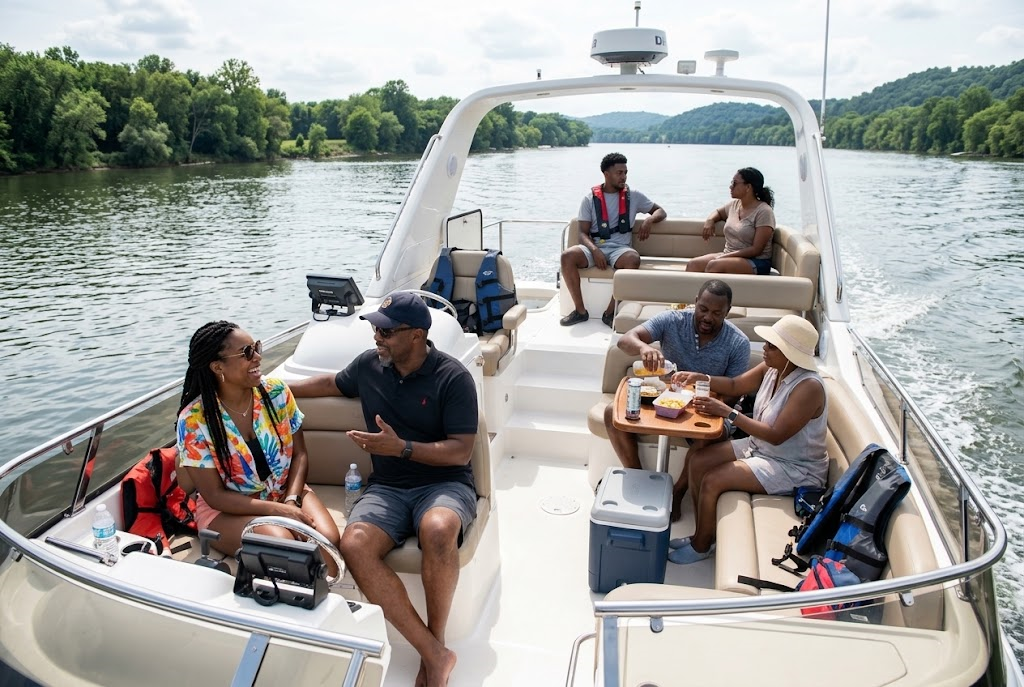
Safe recreational navigation hinges on clear communication and respectful water sharing among motorized vessels, paddlers, and swimmers. Operating vessels must maintain vigilant visual watches at all times, monitoring surrounding traffic and changing weather conditions. When meeting head-on, power-driven vessels steer starboard to pass port-to-port safely. In crossing situations, vessels approaching from your right possess right-of-way, requiring you to alter course and reduce throttle safely.
Adhering to no-wake zones prevents shoreline erosion, dock damage, and capsizing risks for smaller craft. Many recreational boaters also enjoy coastal activities such as parasailing or practicing balancing skills on open bays via paddleboarding, which require extra clearance from powerboat engine wakes. Always keep safe distances from commercial shipping lanes and active divers exhibiting red-and-white dive flags. Sound horns or marine whistles during low-visibility fog conditions to communicate directional intentions.
| Vessel Type | Typical Operating Realm | Key Advantages | Primary Maintenance Focus |
| Pontoon Craft | Inland lakes, calm reservoirs, slow rivers | Spacious deck, stability, family seating | Aluminum pontoon cleaning, deck vinyl care |
| Center Console | Coastal bays, open ocean, tidal sounds | 360-degree fishability, rough water capability | Bilge pump inspections, saltwater hull washdowns |
| Bowrider | Freshwater lakes, inland intracoastal waters | Agile handling, water-ski towing performance | Outdrive maintenance, upholstery winterization |
| Cabin Cruiser | Large lakes, coastal coastal sounds, sounds | Berths, protected heads, overnight capability | Electrical generator service, freshwater systems |
Estimated Expenses and Financial Considerations for Watercraft Outings
Understanding operational expenses helps prospective mariners plan outings responsibly without encountering unforeseen dockside charges. Vessel ownership incurs purchase depreciation, comprehensive insurance, winter storage, ramp launch fees, and engine maintenance intervals. Alternatively, day rentals and shared fractional boat clubs provide cost-effective access without long-term maintenance burdens. Fuel consumption varies substantially based on hull weight, cruising speeds, and water resistance, making conservative fuel budgeting advisable.
| Expense Category | Rental / Club Outing (Per Day) | Ownership Model (Annual Budget) | Key Cost Variables |
| Vessel Access | $300 – $950 per day | $5,000 – $45,000+ amortization | Vessel size, hull build, brand premium |
| Marina Slip / Storage | Included in rental rate | $2,000 – $12,000 per year | Wet slip vs dry stack, regional demand |
| Fuel & Lubricants | $60 – $250 per outing | $600 – $3,500 per year | Engine displacement, throttle output |
| Routine Maintenance | Covered by rental host | $1,200 – $4,500 per year | Winterization, bottom paint, impeller service |
| Safety Gear & Licensing | Included with craft | $400 – $1,500 initial setup | USCG approved gear, boater education card |
Premier Waterways and Travel Destinations for Explorers
From sprawling mountain lakes to protected island sounds, North America offers world-class waters catering to every aquatic pursuit. Selecting the right venue elevates your voyage, offering calm bays, scenic coves, and full-service marinas equipped with fuel docks. Many prime locations feature nearby cultural attractions and organized water excursions, including relaxing sunset outings on an evening dinner cruise for travelers looking to enjoy maritime scenery without operating vessels themselves.
Lake Powell, straddling Utah and Arizona, captivates explorers with deep red sandstone canyons, placid desert channels, and endless houseboating anchorages. Lake Tahoe offers crystal-clear alpine waters nestled beneath Sierra Nevada peaks, drawing recreational powerboaters and sailors across warm summer months. Traveling parties can easily coordinate lakeside visits and check accommodation here to secure waterfront cabins directly bordering Tahoe marinas.
Along the East Coast, Florida’s Intracoastal Waterway and the Florida Keys present vibrant turquoise shoals, mangrove channels, and premier saltwater fishing flats. Further north, Washington State’s San Juan Islands reward mariners with protected passage through breathtaking Pacific Northwest straits framed by evergreen shorelines and marine wildlife. Visitors can effortlessly book a ticket here to participate in guided marine harbor tours and wildlife cruises departing from regional coastal ports.
Lake of the Ozarks in Missouri serves as an energetic freshwater haven featuring lively waterfront dining, calm coves, and extensive marina networks. Planning multi-day travel itineraries to these bustling Midwestern waterways is made simple when you check accommodation here to compare waterfront resorts and hotels. For those coordinating complete vacations across regional airports and marina hubs, you can book travel logistics here to bundle car rentals and lodging easily.
For travelers seeking curated maritime excursions or private skippered charters in coastal hubs, you can book a tour here to discover top-rated guided waterway itineraries. Furthermore, if you are organizing long-distance flights or regional train connections toward coastal ferry terminals, you can book transport here to streamline all your travel arrivals. Travelers seeking dockside amphitheater entertainment or waterfront music festivals can also secure event entry here before setting sail.
Pairing Marine Journeys with Outdoor and Leisure Pursuits
Spending time on waterways naturally integrates with various outdoor and lifestyle hobbies, transforming simple day cruises into rich recreational getaways. Many boaters anchor in secluded coves to swim along sandy sandbars, or practice dynamic surface sports like wakeboarding, tubing, and coastal surfing behind specialized wakecraft. Anglers cast along structure-rich shorelines, while nature enthusiasts observe waterfowl, sea otters, and coastal marine life thriving in undisturbed natural ecosystems.
After returning to dry land and securing dock lines, water enthusiasts often unwind by visiting nearby lakeside parks, waterfront markets, or regional attractions. Exploring creative and recreational activities outlined across Kenyago helps adventurers plan well-rounded trips that balance lively open-water excitement with serene onshore entertainment. Whether you dock near scenic trails or quiet seaside towns, combining marine navigation with land-based exploration delivers a memorable and fulfilling journey.










 Welcome,
