
The Complete Guide to Surfing: Essential Gear, Safety Etiquette, and Global Destinations
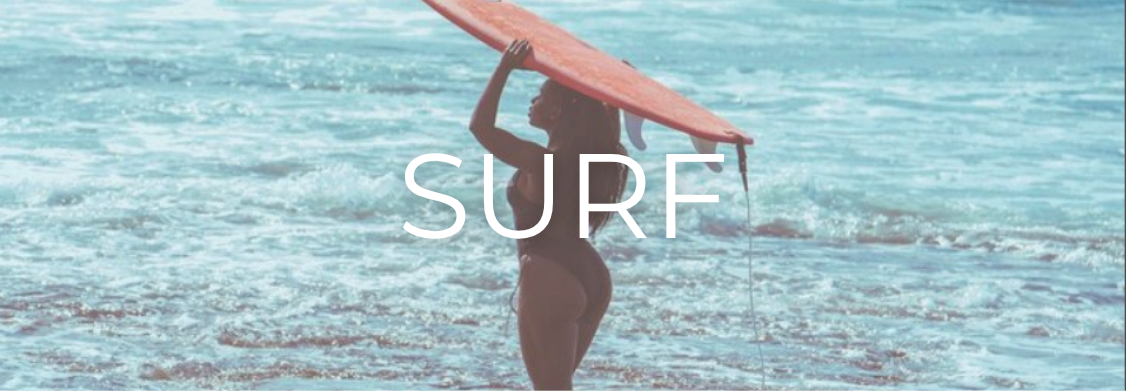
Understanding the fundamentals of surfing opens up a thrilling world of ocean sports, athletic physical conditioning, and deep coastal culture. For anyone drawn to the rhythm of breaking waves, surfing offers an unmatched blend of physical challenge and outdoor adventure. Whether you are catching your very first whitewater wave or carving down open ocean faces, engaging in surfing becomes a lifelong passion and a fulfilling lifestyle.
At its core, surfing involves paddling out into the ocean, matching the speed of a breaking wave, and popping up to ride down the wave face on a surfboard. Mastering surfing requires a balanced blend of body awareness, physical endurance, timing, and wave reading skills. Beyond the athletic workout, surfing fosters a strong connection with nature, making every ocean session unique.
Safety Protocols, Lineup Etiquette, and Ocean Hazards
Prioritizing safety and lineup etiquette ensures that surfing remains a fun and safe experience for everyone in the water. Keep these essential safety rules in mind before paddling out:
- Assess Ocean Conditions First: Always check local tide charts, swell direction, wind conditions, and rip current warnings before starting a session of surfing.
- Respect Lineup Priority: Understand the rules of the lineup; the surfer closest to the breaking peak of the wave has right-of-way priority during surfing.
- Never Drop In on Others: Avoid taking off on a wave if another surfer is already riding it to prevent hazardous collisions while surfing.
- Maintain Board Control: Hold onto your board firmly when paddling out through whitewater; never let go of your surfboard if other swimmers or riders are behind you.
- Never Surf Alone: Always practice surfing with a buddy or under the supervision of a certified lifeguard, especially when exploring unfamiliar breaks.
If you are uncomfortable swimming in deep open water or prefer low-effort activities with instant mastery, surfing may present a steep initial learning curve.
Essential Gear and Beach Equipment Checklist
Equipping yourself with appropriate gear improves your comfort, board traction, and sun protection throughout your session of surfing.
Essential Equipment | Practical Function During Your Session |
Skill-Appropriate Craft | Selecting a stable, high-volume Surfboard provides the necessary floatation and paddle speed required when learning surfing. |
Deck Traction Wax | Applying a coat of sticky Surf wax onto your board’s deck prevents your feet from slipping off while pop-ups occur during surfing. |
UV & Rash Defense | Wearing a snug protective Rashguard shields your chest from board friction and blocks UV rays throughout long sessions of surfing. |
Reef & Cold Protection | Pulling on durable Reef booties protects your feet against sharp coral heads, sea urchins, and rocky entry points while surfing. |
Heavy-Duty Mineral Sunscreen | Smearing a thick layer of a Zinc stick on your face ensures long-lasting water-resistant sun defense during high-noon surfing. |
Performance Athletic Wear | Wearing a secure-fitting Swimsuit underneath your gear guarantees full mobility and comfort in the ocean while surfing. |
Post-Session Beach Gear | Keeping a fast-absorbing Quick-drying towel on the beach makes warming up and drying off after surfing effortless. |
Reviewing this packing list ensures you remain protected from sun exposure, reef hazards, and board chafing during every ocean outing.
Soft-Top Beginner Boards vs. Fiber-Glass Performance Boards: A Comparison
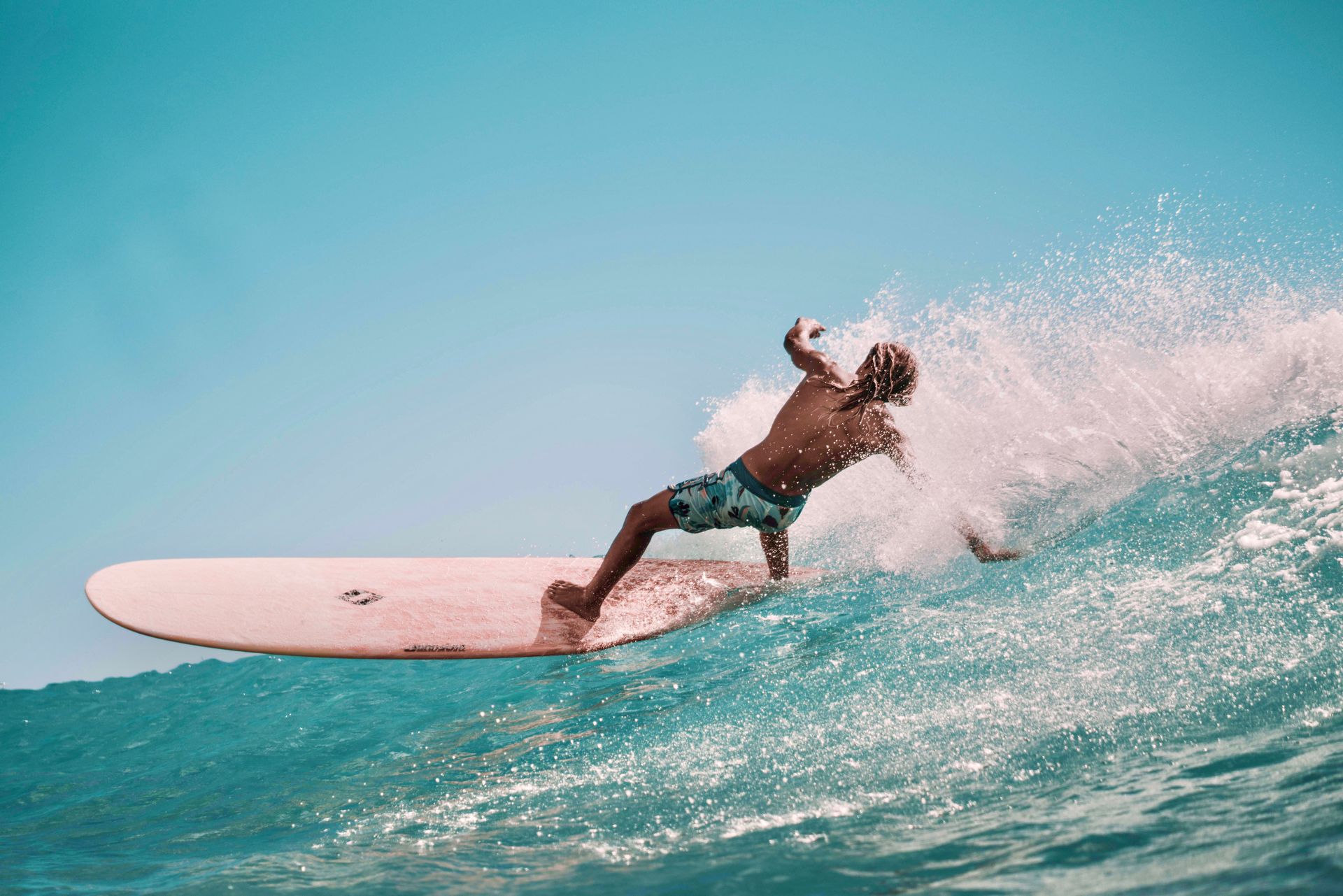
Choosing the correct surfboard craft dictates how quickly you learn wave catching, balance, and maneuverability while surfing:
Construction Feature | Foam Soft-Top Longboards | Fiberglass / Epoxy Shortboards |
Primary Skill Level | Ideal for absolute beginners and novices taking up surfing. | Suited for intermediate and advanced riders skilled in surfing. |
Buoyancy & Stability | High volume provides maximum paddle efficiency and easy pop-ups. | Low volume allows fast maneuverability, sharp turns, and duck diving. |
Impact Safety | Soft foam construction reduces injury risk during wipeouts while surfing. | Hard resin surfaces can cause impact injuries during bad wipeouts. |
Wave Suitability | Excellent for catching small, gentle, rolling whitewater waves. | Designed for fast, steep, barreling, or high-performance open waves. |
Step-by-Step Sequence for Learning to Surf
Following a structured learning sequence speeds up your skill development and builds safety habits while surfing:
- Master the Pop-Up on Land: Practice moving from a prone paddling position to a balanced standing stance on dry sand before heading into the water.
- Learn White-Water Catching: Start in waist-deep water catching already-broken foam waves to hone your balance and timing while surfing.
- Develop Efficient Paddling Technique: Keep your head high, arch your back slightly, and take long, deep arm strokes to glide smoothly through the water.
- Identify Safe Entry Routes: Scan the beach to spot rip channels or deep water channels that make paddling out beyond the breaking waves much easier.
- Practice Reading Unbroken Waves: Watch the horizon to judge where waves build and break, helping you position yourself accurately for surfing.
- Book Guided Instruction: Work with a certified coach to correct stance errors, improve wave selection, and refine your technique while surfing.
Cost Breakdown and Financial Planning
Budgeting for surfing involves evaluating lesson rates, essential gear purchases, and beach travel expenses:
Budget Category | Price Estimate (USD) | Smart Cost-Saving Tip |
Professional Surf Instruction | $50 – $150 per lesson | Book multi-session group lessons to secure lower hourly rates while learning surfing. |
Beginner Surfboard Purchase | $200 – $600 total | Purchase a durable second-hand foam board from local surf shops to save money. |
Accessories & Traction Gear | $10 – $80 per item | Keep essential supplies like deck wax, leashes, and reef footwear well-maintained to extend their lifespan. |
Sun Protection & Apparel | $20 – $100 per item | Invest in quality UV-rated rashguards and reef-safe zinc sticks for long-lasting protection while surfing. |
Most beginner sessions last between 1.5 to 3 hours, offering plenty of time to build core balance and paddling endurance without over-exhausting your muscles.
Fitness Requirements and Conditioning Exercises
Sustaining energy through long ocean sessions of surfing requires a baseline level of cardiovascular stamina and upper-body strength. Key muscle groups used during surfing include:
- Paddling Endurance: Lats, deltoids, and triceps power your strokes through oncoming waves.
- Core Stability: Abdominals and lower back muscles keep your torso balanced on the board while surfing.
- Explosive Leg Power: Quadriceps and glutes drive the quick pop-up movement from prone to standing while surfing.
Regular swimming, push-ups, core planks, and yoga routines improve the mobility and explosive power needed for surfing.
Iconic Worldwide Destinations for Coastal Waves
Planning a trip centered around world-class wave breaks allows you to test your skills at famous destinations known for exceptional surfing:
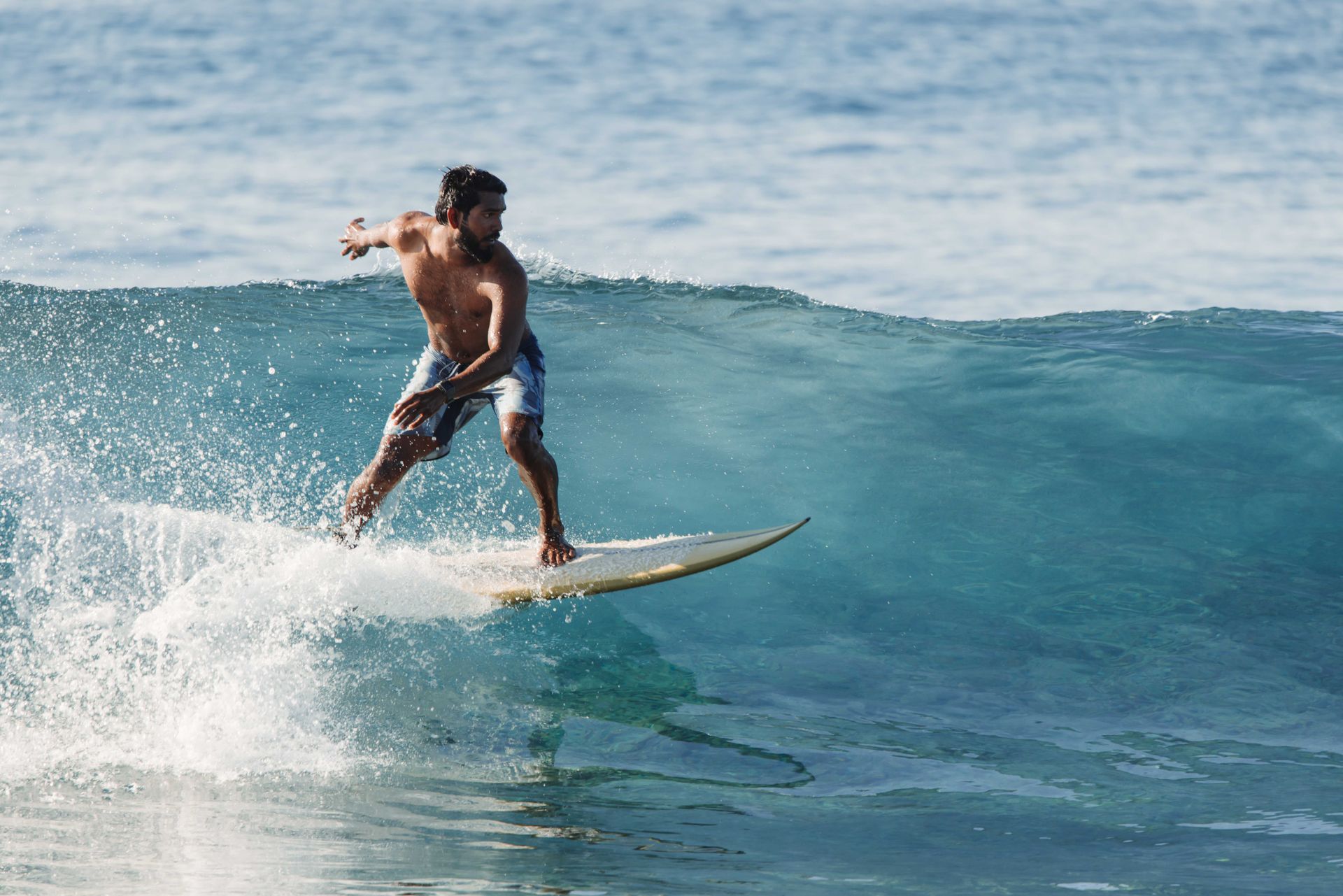
- Waikiki, Oahu (Hawaii): Celebrated as the birthplace of modern wave riding, offering gentle rolling rollers perfect for longboard surfing.
- Bells Beach, Victoria (Australia): Famous for dramatic coastal cliffs, rich marine life, and powerful ocean swells celebrated in global surfing.
- Jeffreys Bay (South Africa): Famous for long, fast-flowing right-hand point breaks that attract world-class talent in professional surfing.
- Santa Cruz, California (USA): Home to iconic point breaks, rich cold-water coastal heritage, and legendary landmarks of American surfing.
Travel Logistics, Excursions, and Coastal Lodging
Arranging your flights, local transit, and coastal accommodations in advance keeps your trip focused on enjoying the water. You can book a ticket here to secure entry passes for coastal transport or local marine parks. To organize guided water tours, boat excursions, or coastal excursions, you can book a tour here or check activities here to enrich your ocean adventure.
Organizing local accommodation and flights ahead of time ensures a smooth trip:
- Flight Bookings: You can check flights here or compare itineraries here to secure optimal routes to top coastal destinations.
- Hotel Stays: You can check accommodation here to find oceanfront hotels and beach lodges situated near popular wave breaks.
- Private Vacation Homes: For groups traveling with boards and equipment, you can book a stay here to rent spacious beach houses close to the sand.
Cultural Heritage and the Global Ocean Lifestyle
The practice of surfing holds deep historical roots in ancient Polynesian culture, particularly in Hawaii, where riding waves on hand-carved wooden boards (heʻe nalu) held sacred cultural and spiritual importance. Over the 20th century, modern surfing expanded from Hawaii across California, Australia, and around the globe, shaping music, fashion, film, and coastal lifestyles worldwide. Participating in surfing connects you with an ancient ocean heritage built around respect for the sea.
Frequently Asked Questions (FAQs)
How long does it take to learn how to surf independently?
While most beginners can stand up during their first guided lesson, mastering independent wave reading, lineup navigation, and paddling timing while surfing usually takes 3 to 6 months of regular practice.
Is surfing safe for non-swimmers?
No, being a confident swimmer in deep ocean waters is a fundamental prerequisite for safe surfing, as leashes can snap and currents can shift suddenly.
Should I start with a hardboard or a soft-top surfboard?
Absolute beginners should always start with a soft-top longboard. Soft-top boards offer superior stability, high buoyancy, and reduced impact risk during wipeouts while surfing.
Grab Your Board and Catch the Waves
Whether you are catching gentle whitewater on a sandy beach or embarking on a trip to world-famous coastal breaks, surfing provides an unbeatable mix of fitness, fun, and ocean connection. Grab your board, suit up, paddle out, and enjoy the ride!
For practical advice on stance technique, paddling efficiency, and beginner ocean safety, watch this helpful video guide on Beginner Surfing Fundamentals & Pop-Up Technique.










 Welcome,
