
Flower Arrangement Workshops: Complete Guide to Tools, Techniques, and Booking
Flower arrangement workshops appeal to people who enjoy calm creativity, visual harmony, and working with their hands in a low-pressure environment. If you find satisfaction in shaping something beautiful from simple materials and prefer guided structure rather than open-ended art, this experience often feels soothing instead of intimidating. Taking part in flower arrangement workshops allows enthusiasts to connect with nature, slow down from daily routines, and acquire practical floral craft skills.
The purpose of flower arranging is to develop visual awareness, patience, and intentional decision-making. Participants learn how color, balance, and proportion affect emotional response, which strengthens aesthetic judgment and attention to detail. The slow, tactile nature of arranging also encourages nervous-system regulation, helping people feel more grounded and present. Whether exploring basic hand-tied bouquets or designing elaborate table centerpieces, attending flower arrangement workshops offers a refreshing blend of artistic growth and relaxation.
Why Flower Arrangement Workshops Offer Exceptional Creative Value
Stepping into a floral studio provides sensory, physical, and psychological advantages that digital activities cannot match.
Science-Backed Benefits of Floral Crafting
Attending flower arrangement workshops delivers several distinct wellness and cognitive benefits:
- Visual-Spatial Awareness: Improves visual-spatial awareness and aesthetic sensitivity by teaching balance, depth, scale, and color harmony.
- Motor Coordination: Builds fine motor control and hand-eye coordination through precise stem trimming, wiring, and focal placement.
- Mindfulness & Stress Relief: Encourages mindfulness and emotional regulation by focusing attention on organic textures, shapes, fragrance, and color interplay.
- Creative Confidence: Strengthens confidence in creative decision-making without performance pressure, allowing every participant to create a unique piece.
- Tactile Grounding: Promotes nervous-system calm as hands work directly with fresh, living botanical materials.
Is a Floral Workshop Right for You?
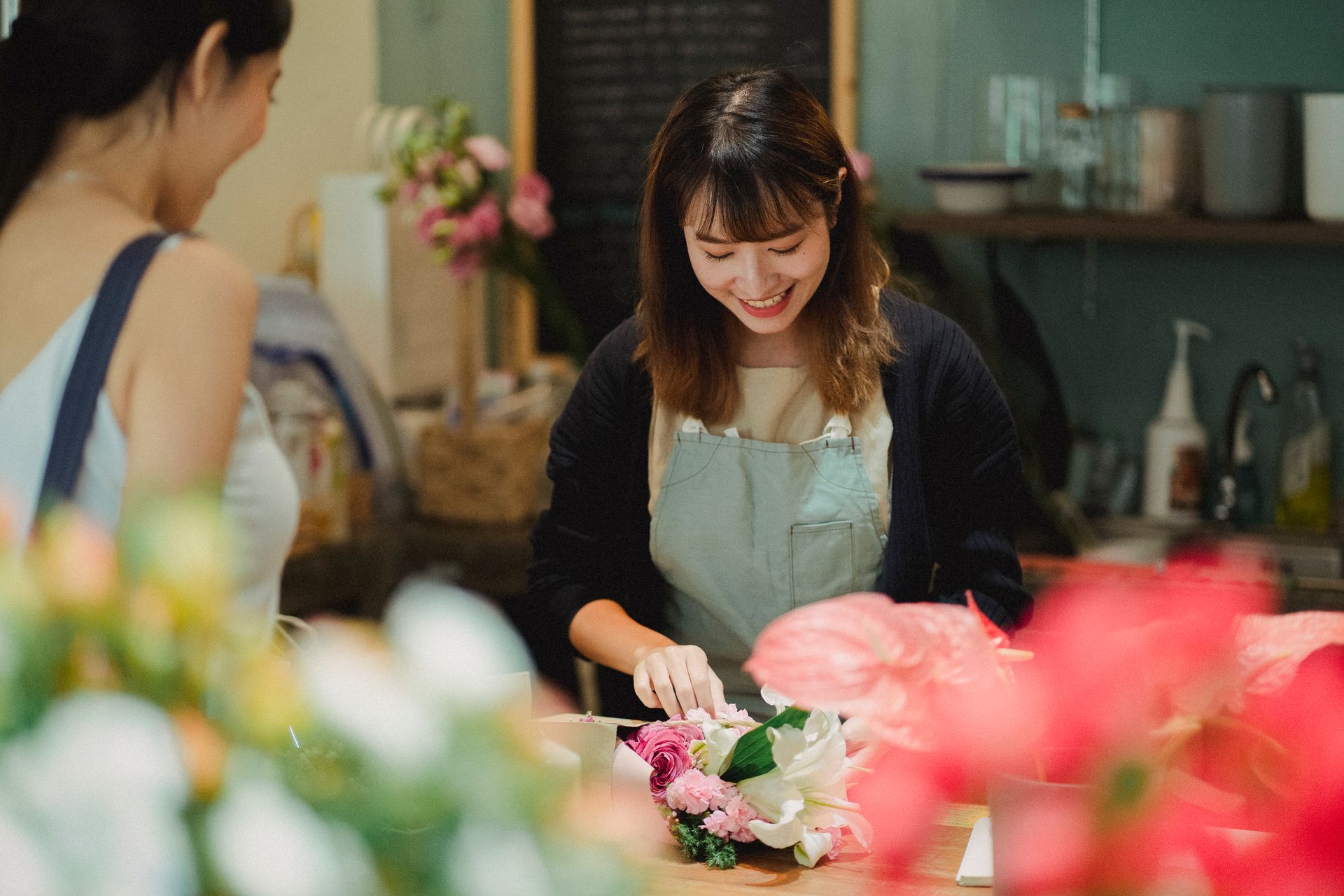
While flower arrangement workshops welcome individuals of all background levels, evaluating your personal preferences ensures a rewarding session. This experience may not be enjoyable if you dislike detailed work, prefer fast-paced physical activity, or feel frustrated when outcomes aren’t immediately perfect. However, because structured flower arrangement workshops break complex designs into simple step-by-step actions, absolute beginners can quickly gain confidence and produce stunning botanical displays.
Essential Gear, Tools, and Workshop Packing Checklist
While most studios provide basic supplies, bringing the right equipment ensures your experience remains smooth, safe, and clean.
Essential Floral Gear List
Adding these recommended tools and personal items to your workshop bag prepares you for any botanical design challenge:
Using high-quality, ergonomic secateurs ensures clean stem cuts without crushing delicate vascular tissues. Selecting fresh, seasonal flowers and foliage provides structural variety, vibrant focal points, and lush greenery for your display. Preparing a stable floral arranging container—such as a ceramic vessel, glass vase, or wooden trough—anchors your design firmly.
Wearing lightweight, protective garden gloves protects your skin against thorny stems, sap irritants, and sharp wire ends. Packing light, healthy snacks maintains your energy during longer masterclass sessions. Bringing a high-resolution camera or smartphone allows you to capture clean photos of your finished masterpiece under studio lighting.
Additionally, using a sturdy, small tote bag or flat-bottomed transport box keeps finished arrangements stable during your drive home.
Fundamental Design Principles Taught in Workshops
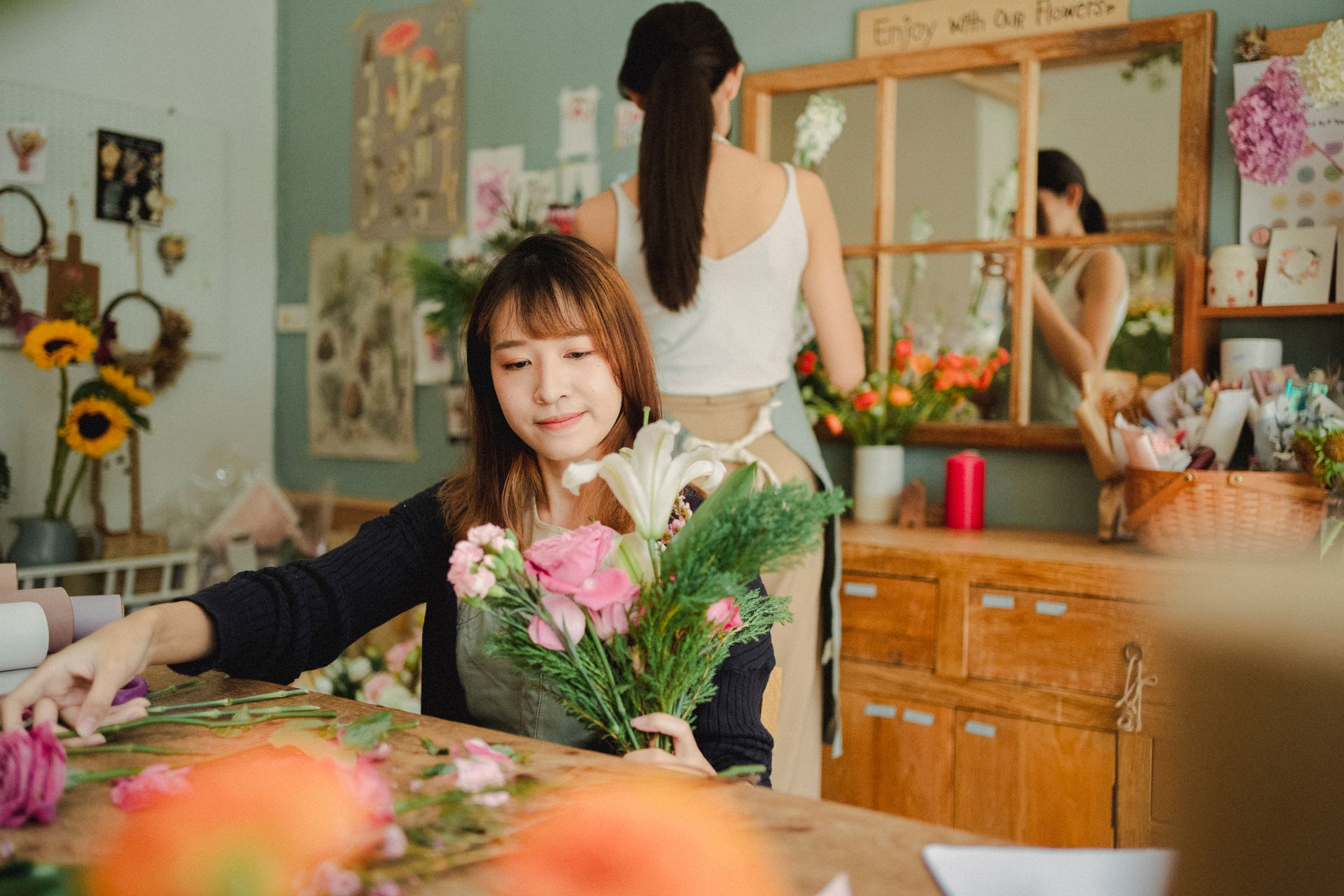
During flower arrangement workshops, instructors guide students through foundational design concepts that elevate basic flowers into cohesive art:
- Proportion and Scale: Learning the golden rule of floral height—where the arrangement stands approximately 1.5 times the height of its container.
- Visual Weight & Balance: Placing darker, heavier, and fully open blooms near the container rim while lighter buds extend toward outer edges.
- Color Theory & Movement: Combining complementary or monochromatic shades alongside contrasting foliage textures to draw the observer’s eye smoothly through the composition.
- Stem Conditioning: Mastering angled cuts under water, removing lower foliage, and using floral nutrients to maximize vase lifespan.
Travel, Workshop Booking, and Logistics
If you are planning a weekend creative getaway or traveling to attend renowned flower arrangement workshops in botanical hubs like London, Paris, or Kyoto, organizing travel details early guarantees a seamless trip.
Booking Workshops and Local Cultural Excursions
Reserving workshop seats in advance ensures your spot in limited-capacity masterclasses. If you are exploring destination cities, you can book a tour here or check activities here to join guided garden tours, flower market excursions, and artisan studio visits. For major floral exhibitions, flower shows, or botanical conventions, you can book a ticket here to secure entry passes ahead of time.
Organizing Accommodations, Flights, and Transportation
Arranging travel logistics early keeps your focus entirely on your creative retreat:
- Flight Bookings & Packages: You can check flights here or compare itineraries here to sync arrival times with workshop schedules.
- Boutique Hotels Near Studios: You can check accommodation here to find charming hotels located near botanical gardens and flower markets.
- Vacation Rentals: If traveling with fellow garden enthusiasts or a creative group, you can book a stay here to secure a spacious rental house with kitchen counters ideal for practicing stem cuts.
Safety Rules, Tool Handling, and Risk Management

Flower arrangement workshops involve working with sharp blades, wet surfaces, and thorny plants, making basic safety precautions essential:
- Practice Safe Shearing: Be cautious while using secateurs, as they are sharp tools. Always cut away from yourself and avoid using them near others.
- Watch for Plant Toxins & Sap: Certain botanical species (such as euphorbias, daffodils, and lilies) secrete sap that can irritate bare skin or stain clothing. Wear protective garden gloves when handling cut stems.
- Keep Workspaces Dry: Wipe down slick floral shears, water buckets, and table surfaces promptly to prevent accidental slips or drops.
- Protect Clothing: Wearing clothing you don’t mind getting lightly messy or donning a heavy cotton apron reduces distraction and shields outfits from pollen stains.
- Lift Heavy Buckets Safely: Bend your knees when moving water-filled flower buckets to avoid lower back strain.
Difficulty Level, Physical Requirements, and Duration
Flower arrangement workshops welcome participants across all skill levels, offering accessible entry points alongside advanced technique refinement.
Progression & Practical Ease
No prior floristry experience is necessary. Beginners start with straightforward round table arrangements, mason jar designs, or hand-tied bouquets, building confidence step-by-step. Advanced flower arrangement workshops cover modern installations, sustainable chicken-wire mechanics, floral foam alternatives, and large wedding arches.
Time Commitment & Physical Demands
- Workshop Duration: Sessions range from 2-hour introductory classes to multi-day immersive masterclasses.
- Physical Demands: Flower arranging requires light standing, bending over work tables, and hand dexterity for stem placement. It is a low-impact activity well-suited for most participants, with seated options available at most studios.
Cost Breakdown and Financial Budgeting
Understanding the financial commitment helps you choose the right flower arrangement workshops for your budget:
Expense Category | Price Range | Details & Overview |
Introductory Local Workshop | $60 – $120 | Includes basic flowers, vessel, tools, and 2 hours of instruction. |
Advanced Masterclass / Specialty | $150 – $450 | Features exotic blooms, large mechanics, and professional photography. |
Personal Tool Kit (Secateurs & Shears) | $25 – $75 | High-carbon steel pruners, floral shears, and thorn strippers. |
Vessels & Mechanics | $15 – $50 | Ceramic pots, pin frogs (kenzan), and brass wire. |
Travel & Logistics | Varies by location | City transport, boutique stays, and garden exhibition entries. |
Sustainable Floristry Practices in Modern Workshops
As eco-friendly design practices gain global popularity, contemporary flower arrangement workshops increasingly emphasize sustainable floristry:
- Eliminating Floral Foam: Transitioning away from single-use microplastic foam toward reusable brass pin frogs (kenzan), chicken wire structures, and natural twig grids.
- Sourcing Local & Seasonal Stems: Partnering with regional flower farms to reduce environmental carbon footprints from long-distance floral transport.
- Composting Organic Waste: Repurposing stripped leaves, stem offcuts, and spent petals into nutrient-rich compost.
Rich Cultural History and Significance of Floral Arts
Flower arranging is an art form practiced for centuries across diverse global cultures. In ancient Egypt, floral garlands adorned ceremonial halls, while in Japan, the art of Ikebana developed during the 6th century as a disciplined, spiritual practice emphasizing minimalism, line, and asymmetry. Across Victorian Europe, the complex language of flowers (floriography) allowed individuals to convey coded sentiments through carefully chosen floral gifts.
Modern flower arrangement workshops honor this rich legacy by blending traditional design principles with contemporary artistic expression. Attending these creative sessions connects participants directly to nature’s rhythms, encouraging artistic mindfulness while creating lasting beauty for homes and celebratory gatherings.
Related Creative Guides and Crafting Resources
Looking for more creative workshop ideas, seasonal lifestyle inspiration, or artisan travel guides? Explore our full collection of lifestyle and hobby guides on Kenyago to plan your next creative journey!










 Welcome,
