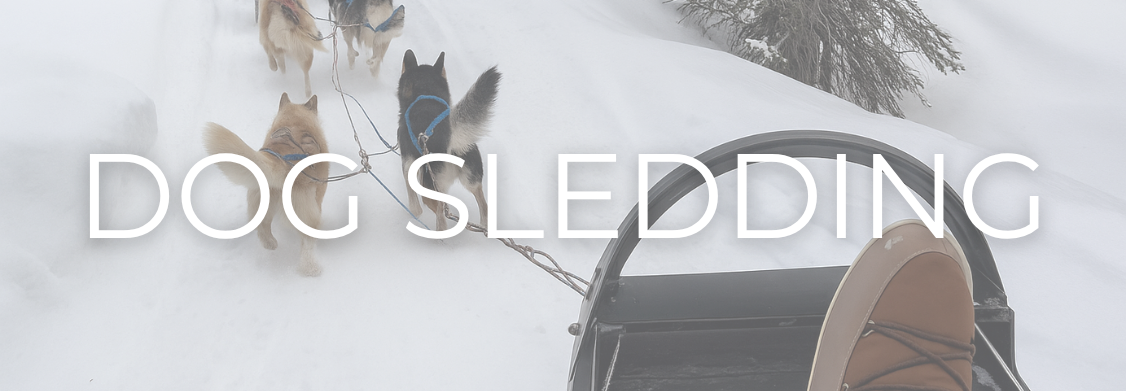

Dog Sledding Ultimate Guide: Booking, Gear, Winter Safety & Logistics
Dog sledding appeals to people who love winter adventures, animals, and experiencing the raw beauty of snow-covered landscapes. If you enjoy the outdoors in cold weather, have a love for dogs, and want to experience something truly unlike anything else, dog sledding often feels like one of the most exhilarating and unforgettable winter activities available. It is especially appealing to people who appreciate nature, adventure travel, and experiences that connect them to ancient traditions and breathtaking wilderness.
The purpose of dog sledding is to travel across snowy terrain guided by a team of trained sled dogs while taking in the stunning winter landscape around you. Whether you are a passenger on a guided tour or learning to mush the sled yourself, the experience combines speed, nature, and an extraordinary bond between human and animal. Experiencing dog sledding allows travel enthusiasts to explore frozen trails and remote wilderness corridors inaccessible by conventional vehicles.
Why Dog Sledding Delivers an Unrivaled Winter Wilderness Experience
Gliding across snow-covered trails propelled by a team of eager canine athletes offers sensory, physical, and historical thrills that standard winter sports cannot replicate.
Core Benefits of a Dog Sledding Excursion
Embarking on a guided tour or mushing lesson provides several unique advantages:
- One-of-a-Kind Winter Adventure: Delivers an extraordinary outdoor journey unlike any conventional alpine skiing, snowshoeing, or snowmobiling tour.
- Unforgettable Animal Connection: Fosters an inspiring bond with a team of energetic, affectionate, and highly trained canine athletes.
- Breathtaking Wilderness Scenery: Accesses remote, untouched snowscapes, pine forests, and frozen lake systems deep within Arctic and subarctic regions.
- Accessible Adrenaline: Combines thrilling speeds with accessible entry requirements, making it enjoyable for travelers across varied fitness levels.
- Rich Cultural Traditions: Connects participants directly to thousands of years of indigenous Arctic history, travel heritage, and survival skills.
Is Dog Sledding Right for You?
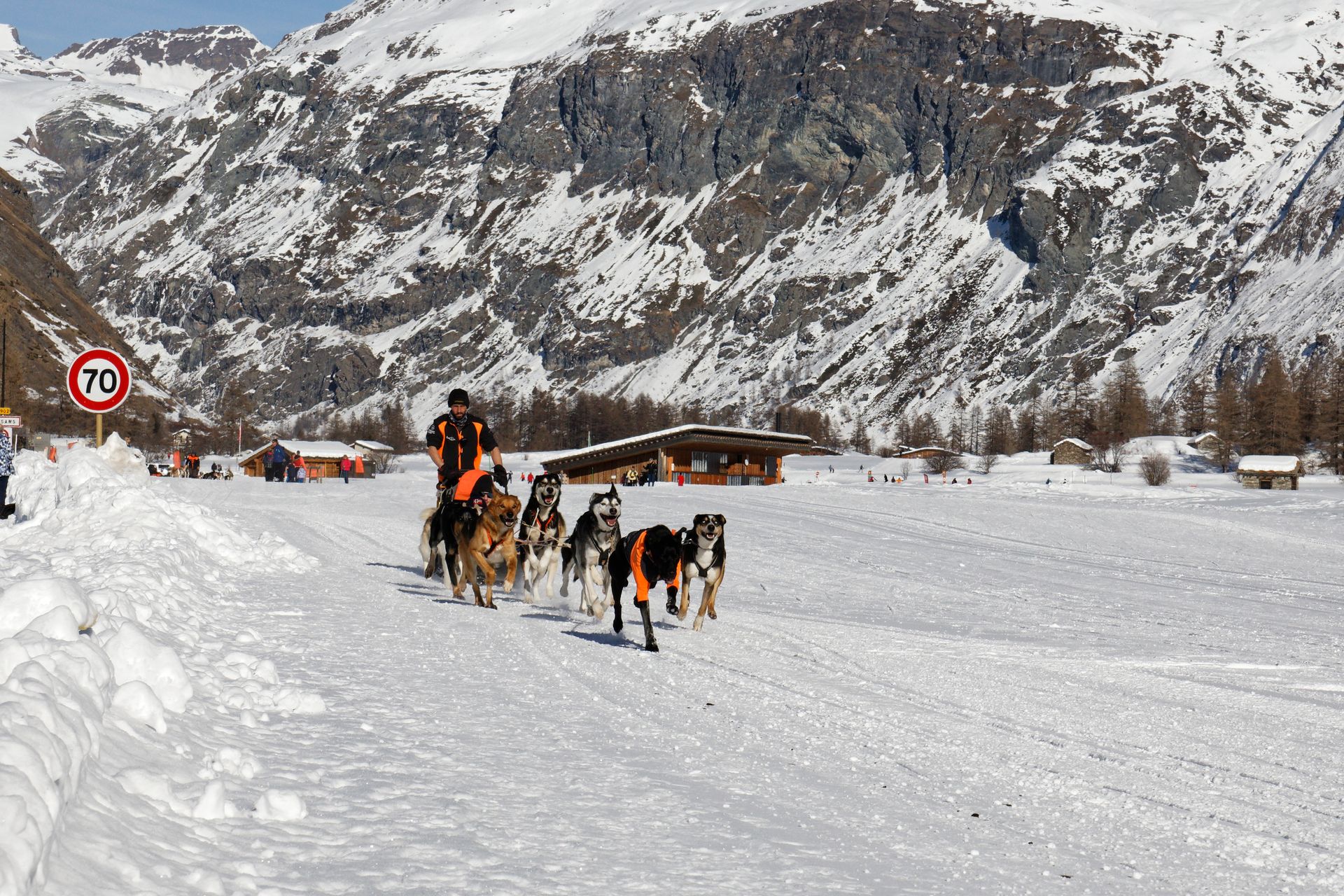
While dog sledding is accessible to most people, evaluating your personal cold tolerance ensures an enjoyable trail outing. Experiencing dog sledding may not be enjoyable if you have a strong sensitivity to sub-zero temperatures, feel uncomfortable around large, energetic working dogs, or dislike spending extended periods in outdoor winter weather. However, professional tour operators provide thick thermal blankets, windbreaks, and insulated sled seating that keep passengers comfortable throughout their mountain journey.
Essential Gear, Winter Clothing, and Trail Packing Checklist
Equipping yourself with protective cold-weather gear and skin protection prevents frostbite, windburn, and eye strain while out on frozen trails.
Recommended Packing & Prep List
Packing these stadium-tested and trail-ready gear items ensures a warm, comfortable, and memorable journey:
Wearing polarized sunglasses shields your eyes from blinding glare reflected off snowpacks on bright, sunny winter days. Applying broad-spectrum sunscreen prior to departure protects skin against intense UV rays amplified by snow reflection in freezing conditions. Carrying a cold-weather camera allows you to capture crisp photos of winter vistas and your hard-working dog team.
Packing warm, calorie-dense snacks maintains body heat during longer backcountry runs and provides trail energy. Wearing insulated, waterproof sturdy boots keeps your feet completely warm and dry when stepping into deep powder. Wrapping a fleece or wool scarf around your lower face protects your neck and cheeks against biting headwinds while glides along the trail.
Understanding Sled Dog Breeds and Harness Mechanics

A dog sledding team relies on remarkable working canine breeds bred specifically for endurance, stamina, thick double coats, and exceptional group cooperation:
- Alaskan Huskies: The premier racing sled dog, renowned for unmatched speed, toughness, thermal efficiency, and tireless trail drive.
- Siberian Huskies: Iconic purebred sled dogs celebrated for beautiful coats, high endurance, and historic Arctic transportation heritage.
- Alaskan Malamutes: Heavy-freight pulling dogs built for strength, power, and hauling heavy gear loads across harsh terrain.
- Team Structure: Teams feature “Lead Dogs” at the front (navigating trail cues), followed by “Point” and “Swing Dogs” (setting turn momentum), and powerful “Wheel Dogs” directly in front of the sled to pull heavy weight.
Logistics, Booking, and Winter Travel Planning
Because prime winter dates and kennel permits are limited, organizing your trip early secures preferred tour operators and convenient travel connections.
Booking Sledding Tickets and Winter Tours
Reserving your excursion in advance avoids sold-out booking calendars during peak winter holiday seasons. You can book a ticket here to secure entry passes for arctic adventure centers or book a tour here to lock in guided sledding runs, night-time Northern Lights tours, and kennel visits. To add snowshoeing, ice fishing, or snowmobile safaris to your itinerary, you can check activities here for curated regional adventure packages.
Flight, Hotel, and Transport Arrangements
Organizing travel logistics guarantees smooth arrivals at remote alpine lodges and arctic expedition centers:
- Flights & Travel Packages: You can check flights here or compare itineraries here to sync winter flight connections with remote mountain shuttle services.
- Lodges & Hotels Near Kennels: You can check accommodation here to find cozy alpine resorts, thermal glass igloos, or wood-fire cabin lodges.
- Winter Vacation Rentals: If traveling with family or a group, you can book a stay here to rent a private winter chalet featuring gear drying rooms and fireplaces.
Safety Rules, Cold-Weather Prep, and Risk Management
Dog sledding is a professionally managed, highly safe activity, but adhering to fundamental cold-weather protocols ensures total trail comfort:
- Follow Musher Instructions: Pay close attention to your guide’s safety briefing, especially regarding hand placement, sled balance, and stepping on the runner brake pad.
- Layer Clothing Properly: Wear moisture-wicking base layers, insulating fleece or down mid-layers, and windproof outer shells. Avoid cotton, as it traps moisture and cools your core.
- Protect Extremities: Keep fingers, toes, nose, and ears fully covered. Use chemical hand and foot warmers inside gloves and sturdy boots for extra thermal protection.
- Interact Safely with Dogs: Sled dogs are friendly and energetic, but always ask your guide for permission before greeting the team, and avoid approaching dogs while they are feeding.
- Hold On Securely: Maintain a firm grip on the handlebar or sled frame, particularly when navigating tight forest turns, sharp drops, or icy trail sections.
Difficulty Level, Physical Requirements, and Duration
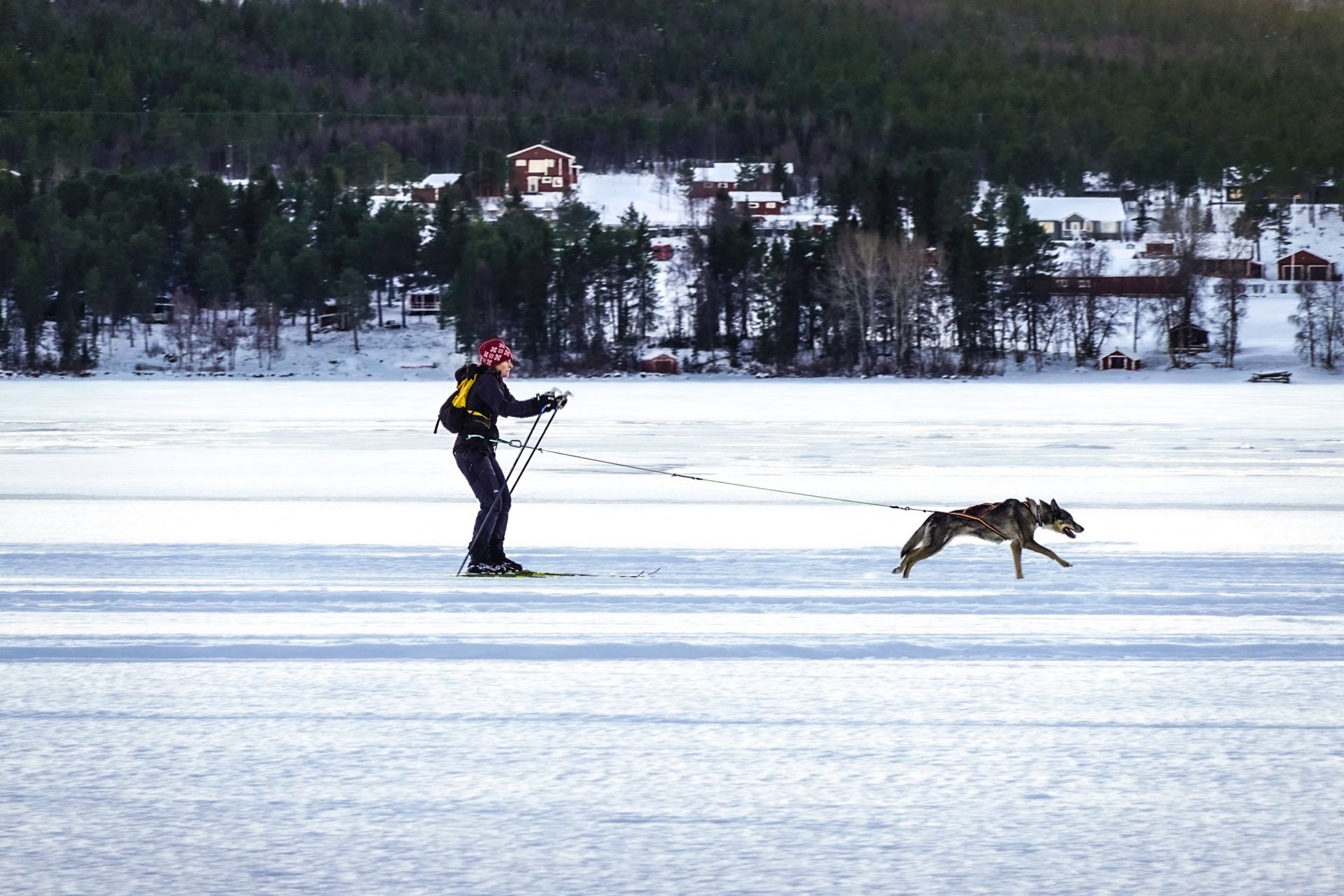
Dog sledding offers options tailored to relaxed sightseeing passengers as well as active adventure seekers.
Passengers vs. Active Mushers
- Passenger Option: Requires no physical training or prior experience. You simply sit comfortably inside an insulated, canvas-wrapped sled bag and take in the scenery while an experienced professional musher handles the team.
- Mushing Option: For guests who want to drive the sled themselves, guides provide clear instruction on basic foot brake control, lean mechanics, and voice commands (“Gee” for right, “Haw” for left). Mushing requires moderate physical balance, knee flexibility, and core stability to assist the dogs on steep uphill climbs.
Time Commitment & Trail Duration
Standard dog sledding outings typically run between 1 and 3 hours, including kennel greetings, dog harness prep, and post-ride hot beverages. Many tour operators also offer half-day, full-day, or multi-day backcountry expeditions complete with wilderness cabin overnights.
Estimated Costs and Budgeting Breakdown
Planning a budget for a dog sledding adventure depends on tour duration, location, and choice of passenger or driving packages:
Category | Estimated Cost Range | Details & Overview |
Standard 1 to 3 Hour Tour | $100 – $400 per person | Includes professional musher, sled ride, and hot drinks. |
Full-Day or Expedition Tour | $450 – $1,200+ per person | Includes extended trail mileage, meals, and overnight cabin stays. |
Sturdy Boots & Outerwear | $60 – $200 | Thermal-rated waterproof boots and winter snow pants. |
Goggles / Polarized Sunglasses | $10 – $50 | UV and glare protection for snowy trail glare. |
Trail Accessories (Scarf, Gloves) | $10 – $40 combined | Fleece face coverings, neck gaiters, and insulated mitts. |
World-Renowned Destinations for Dog Sledding
Experiencing dog sledding allows you to visit iconic winter wonderlands across the globe:
- Fairbanks & Anchorage, Alaska: Home to vast wilderness trails, historic gold-rush paths, and famous long-distance endurance races like the Iditarod.
- Lapland (Finland, Sweden, Norway): Gliding across snowy pine forests under the glowing dance of the Northern Lights (Aurora Borealis).
- Banff & Canmore, Canada: Mush through majestic Canadian Rocky Mountain valleys surrounded by towering glaciated peaks.
- Tromsø, Norway: Explore dramatic Arctic fjords and coastal snowscapes guided by indigenous Sami reindeer and husky kennels.
- Greenland (Ilulissat & Tasiilaq): Experience traditional sea-ice dog sledding using ancient fan-hitch formations across frozen ocean bays.
Cultural History and the Heritage of Sled Dogs
Dog sledding is one of the oldest forms of winter transport, with archaeological evidence tracing its origins back over 4,000 to 9,000 years in Siberian and North American Arctic communities. Indigenous peoples—including the Inuit, Inupiat, Yupik, and Athabaskan—relied on sled dogs as vital survival partners for hunting, cargo transport, and winter communication across thousands of miles of sea ice and tundra.
In modern times, dog sledding continues to celebrate this heritage through recreational touring, cultural preservation, and world-class sporting competitions like the Iditarod Trail Sled Dog Race and Yukon Quest. Taking part in a sledding tour honors this ancient partnership, highlighting the remarkable athleticism, trust, and deep bond shared between mushers and their canine teams.
Related Winter Travel Guides and Alpine Adventures
Looking for additional cold-weather travel planning tips, winter gear recommendations, or arctic safari itineraries? Explore our complete library of outdoor and travel guides on Kenyago to plan your next snowy escape!










 Welcome,
