
Mixology Class Guide Prep List, Safety, Best Time To Visit, Locations, Cost, & More
Mixology appeals to people who enjoy hands-on learning, creative experimentation, and the art of crafting something delicious from scratch. If you like exploring flavor combinations, mastering new techniques, and impressing friends with skills you can use at home, a mixology class often feels exciting rather than intimidating. It is especially appealing to people who appreciate the social side of food and drink culture and want to understand the craft behind a well-made cocktail.
The purpose of a mixology class is to teach participants the fundamentals of cocktail creation while building confidence behind the bar. Students learn about different spirits, flavor profiles, proper measurements, and presentation techniques. Following a comprehensive mixology class guide ensures you navigate bar tools, safety etiquette, and recipe formulation smoothly while building a solid foundation for home entertaining.
Why Using a Mixology Class Guide Enhances Your Workshop Experience

Stepping behind a professional bar station offers a dynamic, sensory learning environment. Consulting a structured mixology class guide helps beginners and home enthusiasts prepare the necessary gear, follow bar safety protocols, and retain key spirit ratios long after the workshop ends.
Key Benefits of Attending a Mixology Class
Taking a craft cocktail class delivers practical skills and interactive social entertainment. Here are the primary benefits highlighted in our mixology class guide:
- Practical Bartending Skills: Builds foundational knowledge of spirits, liqueurs, bitters, and fresh cocktail ingredients.
- Flavor Experimentation: Encourages culinary creativity by pairing complementary flavor profiles, acidity levels, and garnishes.
- Interactive Social Atmosphere: Provides an engaging, hands-on environment perfect for date nights, group outings, or solo hobbies.
- Home Entertaining Expertise: Equips you with impressive hosting skills and signature recipes to recreate for guests.
- Appreciation for Cocktail History: Deepens your understanding of classic cocktail architecture and modern craft developments.
Is a Mixology Class Right for You?
While following a mixology class guide makes learning easy, evaluating your personal preferences is key. This experience may not be ideal if you dislike following step-by-step instructions, are uncomfortable around alcoholic beverages, or prefer sedentary activities without manual prep work. However, many venues offer non-alcoholic mocktail adaptations, allowing participants to master technique and flavor balancing without spirit consumption.
Essential Gear, Safety Prep, and Prep List
Bringing proper note-taking tools, personal hydration, and protective footwear on your prep list ensures your workshop goes smoothly. Here is the recommended equipment breakdown from our mixology class guide:
Must-Have Supplies and Gear on Your Prep List
Packing these practical accessories ensures you stay safe and retain course material:
Bringing a dedicated notebook allows you to capture custom recipes, spirit ratios, and expert tips shared by the instructor. Keeping a smooth-writing pen handy lets you mark adjustments and flavor notes directly on your recipe sheets.
Sipping from reusable water bottles throughout the session keeps you refreshed and balances any spirit tastings. Wearing sturdy closed-toe shoes protects your feet from accidental liquid spills, dropped barware, or broken glass in the bar kitchen.
Preparing for Class Entry, Bar Hygiene, and Rules
Organizing your gear and verifying venue requirements beforehand ensures a seamless arrival. Here are the setup recommendations from our mixology class guide:
Lace up durable closed-toe shoes before heading out to satisfy venue safety standards. Pack a full set of reusable water bottles, tuck a compact notebook and gel pen into your bag, carry a valid government-issued ID (driver’s license or passport confirming you are 21+ for U.S. spirit tastings), and bring cash or a card for purchasing specialty barware or recipe books after class.
Safety Guidelines and Risk Management
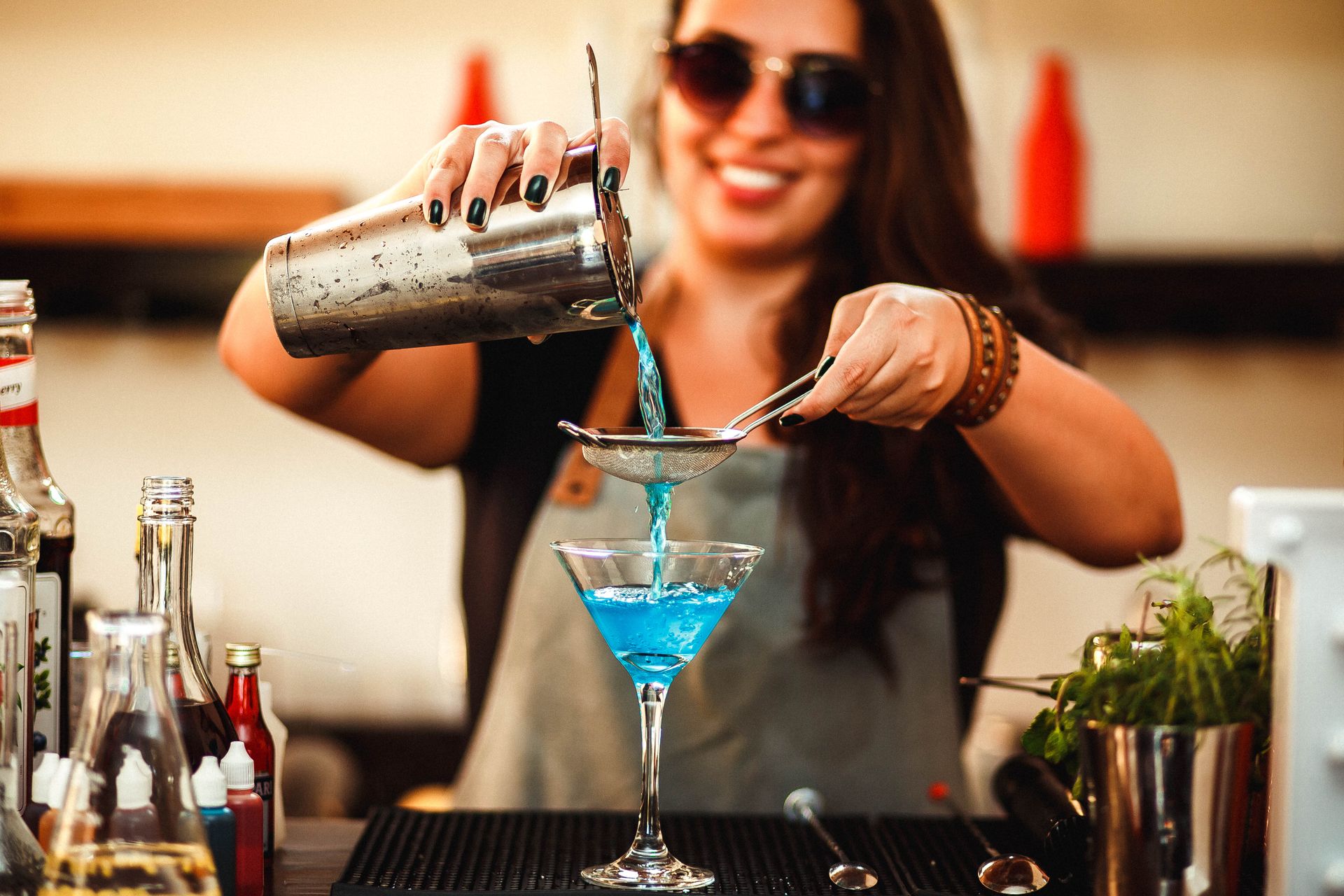
Mixology classes take place in active food and beverage preparation environments involving glass, ice, and sharp garnish tools. Following the safety rules in this mixology class guide keeps your workshop safe and comfortable.
Essential Safety and Hygiene Rules for Mixology Students
To maintain personal safety and workplace hygiene behind the bar, keep these essential rules in mind:
- Wear Protective Footwear: Always wear non-slip closed-toe shoes to protect your feet from dropped ice tongs, heavy glassware, or broken shards.
- Handle Sharp Garnish Tools Wisely: Exercise caution when using paring knives, channel knives, and citrus peelers during garnish prep.
- Pace Alcohol Consumption: Practice moderation during tastings and drink consistently from your reusable water bottles between cocktail samples.
- Follow Heat and Flame Protocols: Observe instructor guidance closely when working with smoking boards, culinary torches, or hot syrups.
- Handle Glassware Safely: Use scoops rather than glass rims to pick up ice to avoid glass chipping or breakage inside ice bins.
- Plan Safe Transportation: Arrange for a designated driver, rideshare service, or public transit home after participating in spirit tastings.
Difficulty Level, Workshop Duration, and Physical Demands
Understanding course progression and physical expectations outlined in our mixology class guide helps you pick the right workshop for your experience level.
Skill Progression and Technique Mastery
Mixology classes cater to all experience levels, from absolute beginners to avid home bartenders. Introductory sessions focus on core techniques like precise jigger measurement, proper shaking mechanics, stirring clarity, and muddling herbs without bruising. Advanced masterclasses cover clarified milk punches, fat-washing spirits, and custom syrup formulation. Jotting down measurement ratios in your notebook with a pen ensures you can replicate balanced cocktails at home.
Class Duration and Physical Demands
Classes typically run between 1 and 3 hours depending on the depth of curriculum and the number of drinks prepared (usually 3 to 4 cocktails per session). Allow extra time for final Q&A and networking with fellow participants.
Physical demands are light to moderate, involving standing at bar stations, light citrus slicing, shaking ice-filled tins, and pouring. Wearing supportive closed-toe shoes ensures comfort while standing at high-top tables. Venues across the U.S. adhere to ADA accessibility standards, offering accessible low-bar seating options upon request.
Estimated Cost and Financial Breakdown
As emphasized across our mixology class guide, course pricing reflects ingredient quality, instructor expertise, and venue location. Here is a typical cost breakdown:
- Class Tuition: Registration fees generally range from $50 to $150 per person, covering spirits, fresh mixers, garnishes, and instruction.
- Basic Prep Supplies: A durable journal or notebook costs $5 to $20, a reliable fine-point pen costs $2 to $10, reusable insulated water bottles run $10 to $35, and supportive closed-toe shoes range from $40 to $100.
- Home Starter Equipment (Optional): A stainless steel cocktail shaker set costs $20 to $60, and dedicated cocktail recipe books run $15 to $30.
Cultural Significance of Mixology and Bartending
Cocktails carry a rich international history starting with 18th-century medicinal tonics, evolving through transatlantic colonial spice routes, and gaining momentum during American Prohibition-era speakeasies.
Modern mixology honors this heritage while embracing contemporary culinary techniques, seasonal farm-to-glass ingredients, and global spirit traditions like mezcal, Japanese whiskey, and amaro. Understanding the origin stories behind timeless classics like the Old Fashioned, Manhattan, or Negroni adds cultural depth to every drink you craft.
Prime Locations, Venue Types, and Best Time To Visit Classes
Selecting well-reviewed culinary schools or craft cocktail lounges makes for an unforgettable learning outing.
Selecting Venues and Finding Class Locations
Mixology classes are held in various settings across U.S. cities, including specialized culinary schools, boutique craft cocktail lounges, distillery tasting rooms, and private event spaces. Look for venues that provide individual workstations, quality spirits, and small student-to-instructor ratios to ensure personalized feedback.
Best Time To Visit and Book Workshops
The best time to visit mixology classes is during weekday evening slots (Wednesday or Thursday), when class sizes tend to be smaller than weekend peak times. Weekend afternoon workshops are ideal for celebratory group events and date nights.
Booking reservations 2 to 4 weeks in advance represents the best time to visit popular venues to secure your preferred date slot. Don’t forget your notebook, pen, reusable water bottles, and closed-toe shoes on your prep list for a fun, hands-on evening behind the bar!
Related Activity Guides and Culinary Outlets
Looking for more culinary travel guides or home entertaining inspiration? Explore our curated activity directories across Kenyago to plan your next hands-on workshop experience!










 Welcome,
