

The Best Poetry Guide: Writing Techniques, Gear, Events, & Cost
Engaging with poetry offers an incredible outlet for self-expression, emotional reflection, and artistic storytelling. Whether you are drafting your first verses in a personal journal or attending a lively community reading, poetry allows individuals to capture complex human experiences through rhythmic language and vivid imagery. Diving into this timeless art form involves discovering various poetic structures, developing a unique creative voice, and connecting with local literary communities.
For aspiring writers, practicing consistent writing routines and studying diverse poetic forms helps sharpen creative mechanics over time. Bringing along dedicated writing tools keeps your ideas organized whether you are composing quietly at home or taking notes during a workshop. Participating in open mic readings or literary circles creates valuable opportunities to share your work and receive constructive feedback. Ultimately, immersing yourself in poetry enriches your daily life and deepens your appreciation for written expression.
Why Engaging with Poetry Enriches Creative Thinking and Expression
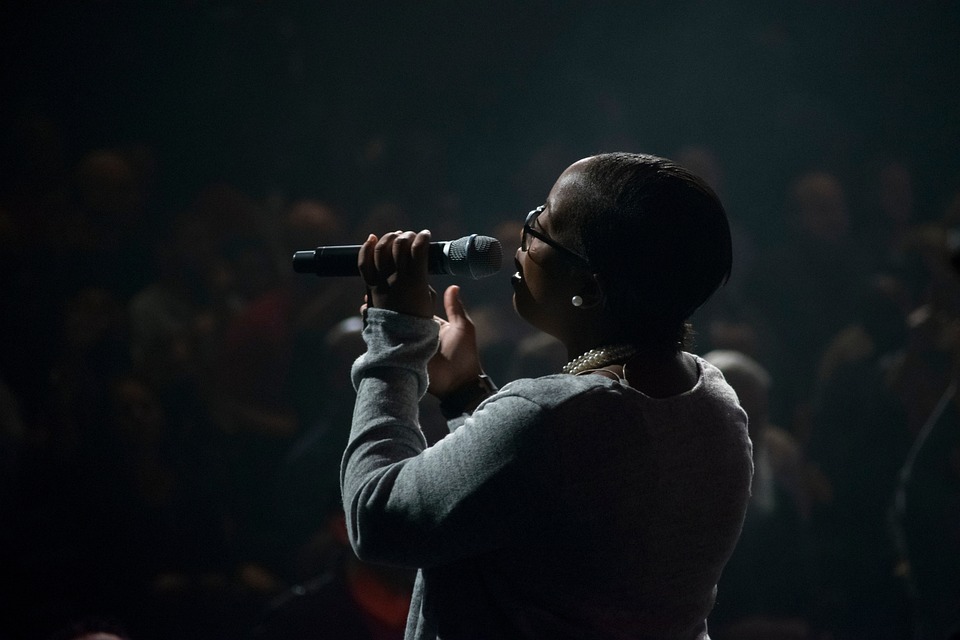
Exploring poetry transforms how we process human emotion, language nuances, and personal observations. Developing a regular reading or writing habit allows creators to experiment with metaphor, rhythm, and imagery, sharpening overall communication skills. Modern literary spaces offer welcoming environments where both emerging and established writers can share personal perspectives, refine their craft, and build supportive creative networks.
Stepping into the world of poetry delivers lasting benefits for intellectual growth and emotional clarity. Engaging with written or spoken verse encourages deep introspection and provides a healthy creative outlet for processing life experiences. Individuals who regularly study poetry often experience enhanced vocabulary, improved focus, and a heightened capacity for empathy, making literary exploration a highly rewarding personal pursuit.
Taking time to read or compose verse offers a peaceful retreat from fast-paced digital distractions. Whether you spend thirty minutes reviewing classic anthologies or attend a weekend writing retreat, engaging with poetry encourages thoughtful mindfulness. Combining quiet reflection with active community participation helps you maintain a balanced, creative lifestyle that inspires fresh ideas across all your endeavors.
Is Exploring Poetry the Right Creative Activity for You?
Evaluating your personal interests and creative goals helps you decide how best to integrate poetry into your routine. While writing verse suits introverted thinkers who enjoy quiet reflection, attending live readings appeals to social individuals seeking artistic community. Understanding your preferred learning and expression style ensures you choose activities—such as solo journaling, structured workshops, or spoken-word events—that align with your lifestyle.
Beginners often find success starting with short poetic forms like haikus or free verse before attempting longer narrative pieces. If you enjoy diverse cultural pursuits, you can pair your literary hobbies with other engaging experiences, such as watching a captivating theatre performance or observing visual masterpieces at a local art exhibit. Selecting complementary activities keeps your creative mind active while broadening your cultural horizons.
Written Poetry vs. Spoken-Word Poetry
Understanding the differences between written poetry and spoken-word poetry helps you choose the medium that best fits your artistic intent. Written compositions emphasize visual page layout, subtle meter, and precise word choice designed for quiet, reflective reading. Spoken-word performances prioritize vocal cadence, emotional delivery, stage presence, and direct audience interaction.
| Feature | Written Poetry | Spoken-Word Poetry |
| Primary Medium | Print, literary journals, and books | Live stage performance and audio recordings |
| Focus Area | Line breaks, typography, and visual structure | Vocal rhythm, volume, pacing, and body language |
| Audience Experience | Individual, solitary reading | Shared, interactive live community event |
| Feedback Loop | Editorial reviews and delayed reader feedback | Immediate audience reaction and applause |
| Typical Format | Sonnets, haikus, free verse, and odes | Slam pieces, monologues, and rhythmic verse |
Essential Gear, Tools, and Prep List for Poetry Enthusiasts
Carrying essential writing tools and personal comfort items ensures you are always prepared when creative inspiration strikes. Having proper materials on hand makes capturing fresh ideas or attending evening readings completely seamless.
You can view our curated selection of recommended writing accessories on our complete poetry gear list page to equip yourself for workshops and readings.
Core Writing and Performance Supplies
Keeping a compact Small Notebook in your bag allows you to jot down spontaneous metaphors and observations wherever you go. Pairing your journal with a smooth-writing Pen ensures seamless note-taking during quick creative bursts or formal workshops.
Using refreshing Breath Mints keeps you feeling confident when conversing with fellow writers or stepping up to speak. Packing lightweight, healthy Snacks provides steady energy during lengthy afternoon writing sessions or late-night open mic events. Carrying a reusable Water Bottle keeps your throat hydrated when practicing vocal delivery or reading aloud.
Comfort and Event Accessories
Using comfortable Ear Plugs helps block out noisy background chatter when writing in bustling coffee shops or public parks. Keeping protective Reading Glasses handy ensures clear sight when reviewing fine print in anthologies or reading notes under dim venue lighting.
Bringing along extra Poetry Inspiration volumes or prompt cards helps overcome writer’s block during dedicated study hours. Finally, carrying small bills as Cash for Cover Charges guarantees quick entry at independent venues, coffeehouses, and community art centers.
Step-by-Step Sequence for Developing Your Poetic Craft
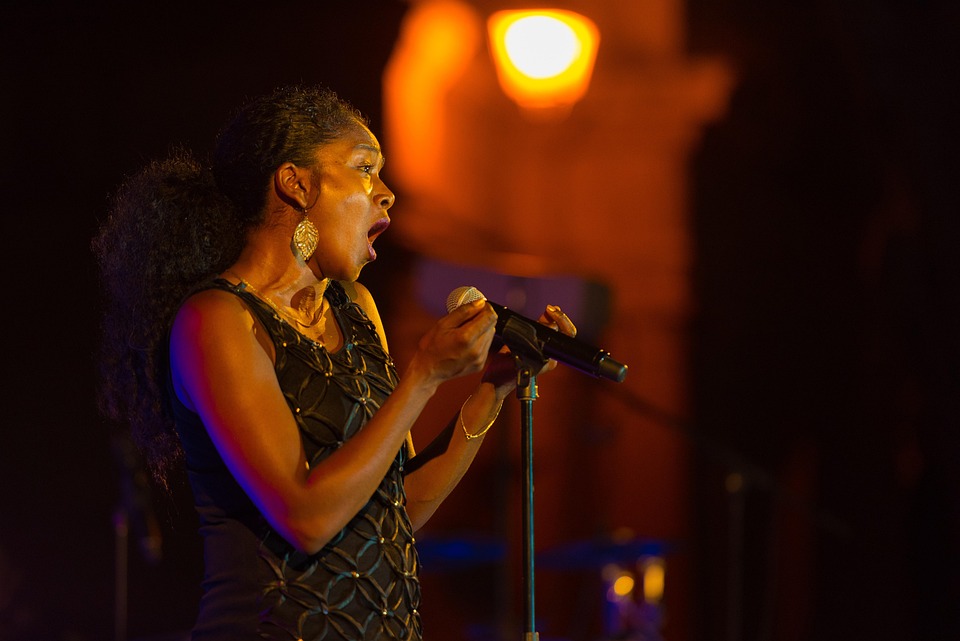
Building a strong creative routine involves combining consistent writing habits with active study and community engagement.
Daily Drafting and Revision Routine
Set aside fifteen to thirty minutes each day to write without self-censorship. Focus on capturing sensory details, unique descriptions, and honest emotions before revisiting your draft later to refine line breaks, rhythm, and word selection.
Community Feedback and Performance
Share your revised work with a trusted critique group or attend a local open mic to test how your verse resonates with listeners. Pay attention to audience reactions and constructive feedback to identify strengths and areas for future improvement.
Etiquette Guidelines for Literary Workshops and Readings
Participating in writing groups or attending public readings requires following basic etiquette standards that foster a respectful, encouraging environment. Arriving on time for events minimizes distractions for speakers and fellow audience members.
When offering feedback during workshops, focus on constructive observations regarding technique, imagery, and structure rather than personal judgments. During live events, keep mobile devices silenced and give your full attention to the featured reader. Following these simple practices helps maintain supportive creative spaces for everyone.
Cost Analysis and Financial Planning for Writers and Attendees
Engaging with poetry is one of the most cost-effective creative hobbies available, requiring minimal financial investment to get started.
Budgeting for Books, Workshops, and Events
While writing at home costs virtually nothing beyond basic stationery, participating in local literary communities may involve small expenses. Attending community readings often requires a nominal cover fee or a small food purchase to support the host venue.
Investing in writing workshops or masterclasses provides structured guidance from experienced authors, helping you advance your skills faster. Purchasing poetry collections directly from independent authors or local bookstores supports working artists while building your personal library.
Financial Overview of Common Poetry Activities
Reviewing average costs helps you plan your literary budget effectively across different activities.
| Activity Category | Typical Cost Range | Duration / Frequency |
| Basic Writing Supplies | $10 – $30 | Reusable for months |
| Community Open Mic Event | Free – $10 cover fee | 2 to 3 hours per event |
| Independent Poetry Books | $12 – $25 per volume | Lifetime reference |
| Local Creative Writing Class | $50 – $200 per series | 4 to 8 week course |
| Regional Literary Festival | $25 – $100 admission | Weekend event pass |
Finding Inspiration Beyond the Written Page
Creative inspiration often comes from stepping away from your desk and immersing yourself in new environments or hands-on activities. Exploring natural landscapes, historical architecture, or interactive arts can spark fresh metaphors and poetic themes.
If you are looking to refresh your perspective, try taking a relaxing gondola ride along scenic waterways, taking a creative flower arrangement workshop, or exploring vibrant marine life at an aquarium. Engaging your senses in diverse settings provides rich material for your next writing project.
Rich History and Cultural Significance of Poetic Traditions
Poetry is one of humanity’s oldest art forms, originating as oral traditions used to preserve history, myths, and cultural identity long before written language emerged. Epic poems like the Iliad and Gilgamesh were recited from memory, relying on meter and rhyme for preservation.
Over centuries, poetic styles evolved through formal structures like Italian sonnets, Japanese haikus, and modern free verse. Today, poetry continues to thrive globally as a powerful medium for personal expression, social commentary, and cultural preservation across diverse media platforms.
Venue Selection, Literary Travel, and Event Logistics
Attending major literary festivals, historical writer homes, or national poetry gatherings provides incredible inspiration for dedicated enthusiasts. Cities with rich literary histories offer iconic bookstores, cozy historic cafes, and vibrant arts districts worth exploring.
When planning travel to attend regional writing retreats or annual book festivals, arranging accommodations and tickets in advance ensures a smooth trip. You can easily check accommodation here, reserve cozy vacation rentals here, or book a ticket here for guided cultural city tours.
Best Times to Attend Poetry Events and Workshops
Spring and autumn are peak seasons for literary gatherings, with April recognized as National Poetry Month in many regions. During these months, libraries, universities, and arts organizations host numerous free readings, guest lectures, and writing workshops.
Mid-week evenings are ideal for visiting neighborhood coffeehouses and independent bookstores, which frequently host informal open mics. Setting aside dedicated weekend hours for uninterrupted writing ensures steady progress on your personal manuscript.
Related Creative Activity Guides and Destinations
Looking to expand your literary pursuits, discover new hobbies, or explore engaging weekend events? Browse our complete collection of activity guides across Kenyago to plan your next creative outing:
Explore spoken-word performances by reading our guide to attending live poetry events.
Discover quiet reading habits with our comprehensive article on how to read a book.
Learn traditional tactile crafts by exploring our beginner’s guide to embroidery.
Combine culinary arts with entertaining by reading our guide on joining a mixology class.










 Welcome,
