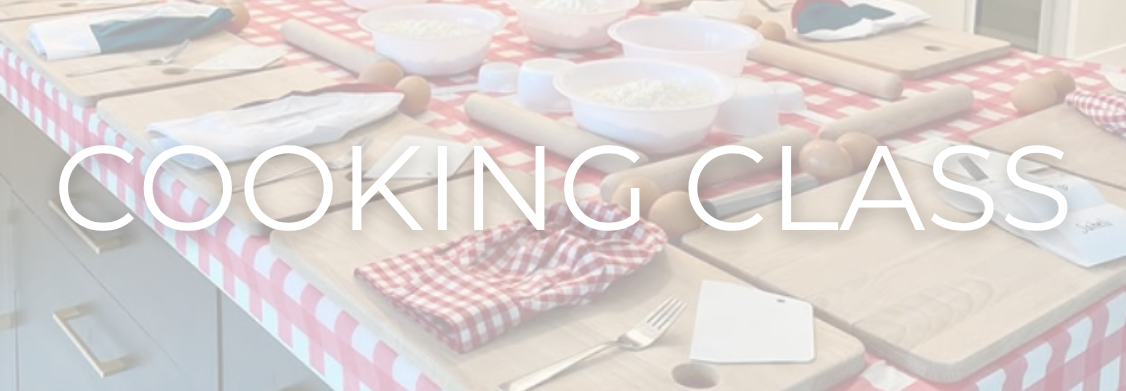

Master the Culinary Arts: The Ultimate Guide to Joining a Cooking Class
A cooking class appeals to people who enjoy hands-on learning, culinary creativity, and mastering practical skills they can use every day. If you like experimenting with flavors, following step-by-step techniques, and sharing delicious results with others, taking a cooking class often feels empowering rather than intimidating. It is especially appealing to people who want to expand their kitchen confidence, explore cuisines from around the world, and enjoy social experiences centered around food.
The purpose of a cooking class is to teach participants fundamental techniques and recipes while building confidence in the kitchen. Students learn knife skills, cooking methods, flavor pairing, and plating techniques under the guidance of experienced instructors. The hands-on environment allows people to ask questions, practice skills, and walk away with recipes they can recreate at home. Whether you are mastering handmade pasta or mastering regional street food, enrolling in a cooking class offers a delicious combination of education and entertainment.
Why Joining a Cooking Class Delivers Long-Term Culinary Value
Stepping out of your home routine and into a professional teaching kitchen offers physical, mental, and social benefits that going out to dinner simply cannot match.
Science-Backed Benefits of Culinary Instruction
Attending a structured cooking class provides several distinct personal advantages:
- Practical Skill Development: Builds practical cooking skills and kitchen confidence through direct hands-on knife work, temperature control, and timing exercises.
- Flavor Expansion: Introduces new cuisines, techniques, and flavor combinations that broaden your palate and daily meal repertoire.
- Social Connection: Provides a social and interactive learning environment where you can connect with fellow food enthusiasts and home chefs.
- Immediate Rewards: Results in a delicious, fresh meal to enjoy during or right after class alongside your peers.
- Lifelong Everyday Utility: Offers practical skills that improve daily life, health, nutrition, and your personal entertaining abilities.
Is a Culinary Workshop Right for You?
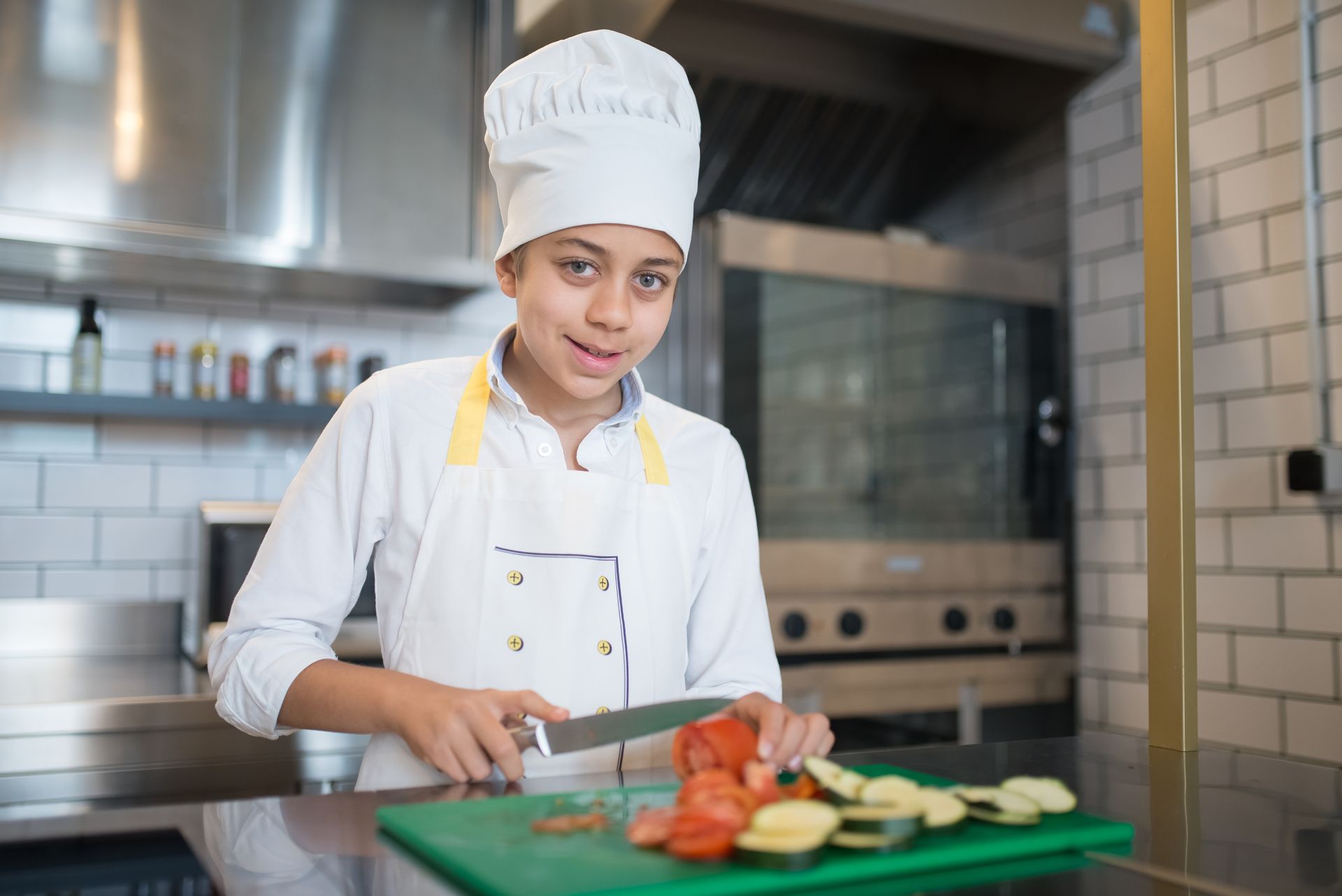
While a cooking class welcomes food lovers of all background levels, evaluating your personal preferences ensures a fun session. This experience may not be enjoyable if you dislike following detailed instructions, feel uncomfortable in busy kitchen environments, or have severe dietary restrictions that limit participation. However, because structured workshops break complex culinary preparations into simple step-by-step actions, absolute beginners can quickly gain confidence and craft restaurant-quality dishes.
Essential Gear, Kitchen Apparel, and Student Packing Checklist
Equipping yourself with the proper clothing and student supplies ensures your station stays clean, safe, and efficient throughout the session.
Essential Student Packing List
Bringing these simple items to your workstation prepares you for a comfortable and productive culinary session:
Taking thorough notes using a dedicated Notebook and Pen allows you to capture secret chef tips, temperature adjustments, and ingredient substitution ratios so you can replicate dishes at home. Staying hydrated with a insulated Reusable water bottle keeps you refreshed while working near open flames, heavy ovens, and simmering stocks. Wearing sturdy, skid-resistant Closed-toe shoes protects your feet against accidental hot liquid splashes, falling utensils, or dropped ingredients. Packing an airtight Food container lets you safely carry home extra portions, leftover pastries, or delicate sauces to enjoy later.
Additionally, coming with a positive attitude and a willingness to learn makes the overall kitchen experience more productive, engaging, and enjoyable for everyone in the room.
Fundamental Kitchen Techniques Taught in Workshops
During a standard cooking class, instructors guide students through foundational culinary concepts that transform basic ingredients into cohesive meals:
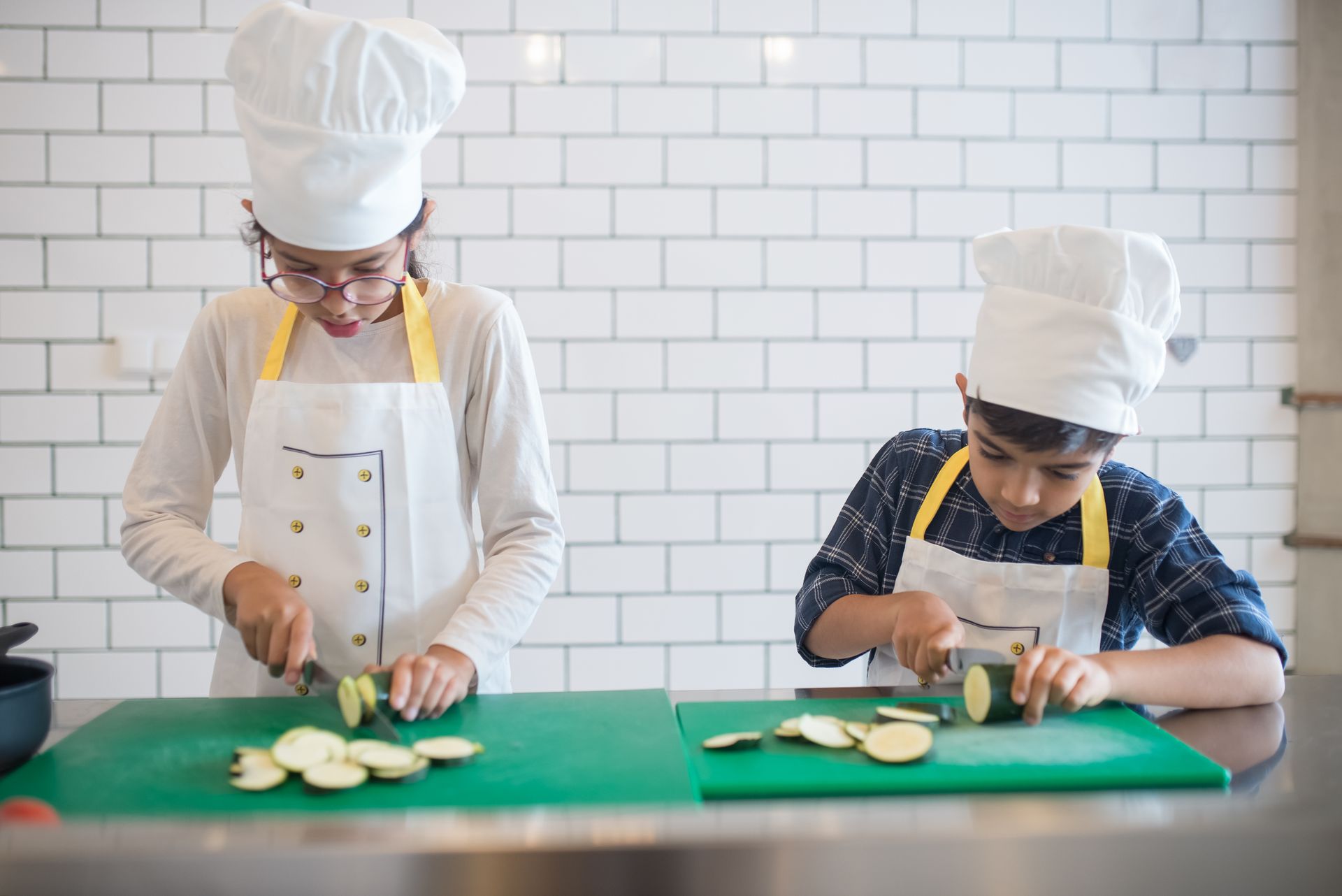
- Mastering Knife Cuts: Learning the claw grip to perform precise julienne, dice, and chiffonade cuts safely and efficiently.
- Temperature and Heat Management: Understanding how to build deep flavors through Maillard browning, deglazing pans with wine or stock, and controlling heat zones.
- Balancing the Five Flavors: Adjusting salt, acid (citrus/vinegar), fat, bitterness, and sweetness to balance a dish right before plating.
- Mise en Place: Practicing the professional habit of preparing, measuring, and organizing all ingredients before starting any active heat application.
Travel, Workshop Booking, and Culinary Logistics
If you are planning a gourmet getaway or traveling to attend an authentic regional cooking class in world-famous culinary hubs like Tuscany, Kyoto, Paris, or Mexico City, organizing travel details early guarantees a seamless trip.
Booking Workshops and Local Food Excursions
Reserving workshop seats in advance ensures your place in popular small-group kitchen sessions. If you are exploring iconic destination cities, you can book a tour here or check activities here to join guided spice market walks, street food tastings, and local farm tours. For major food festivals, regional culinary conventions, or ticketed chef galas, you can book a ticket here to secure entry passes early.
Organizing Accommodations, Flights, and Transportation
Arranging travel logistics early keeps your focus entirely on your culinary adventure:
- Flight Bookings & Packages: You can check flights here or compare itineraries here to sync arrival times with scheduled masterclasses.
- Boutique Hotels Near Kitchens: You can check accommodation here to find charming hotels situated near famous food markets and culinary schools.
- Vacation Rentals: If traveling with fellow foodies or family, you can book a stay here to secure a spacious rental home with a fully equipped kitchen to practice your new recipes.
Safety Rules, Kitchen Etiquette, and Risk Management
Teaching kitchens are active, fast-paced spaces with high heat sources and sharp tools, making strict adherence to safety protocols vital:
- Practice Sharp Blade Handling: Always carry knives point-down by your side when moving through the kitchen, and never drop a knife into a sink filled with soapy water.
- Wear Safe Attire: Wearing sturdy Closed-toe shoes protects feet against dropped items. Tie back long hair and avoid loose sleeves or hanging jewelry that could catch on pot handles or open flames.
- Prevent Cross-Contamination: Wash hands frequently with warm water and soap, especially after handling raw meat, poultry, or seafood. Use separate cutting boards for produce and proteins.
- Hydrate Near Heat: Keep your Reusable water bottle handy at your station to remain hydrated while standing near hot stovetops, deep fryers, and commercial ovens.
- Communicate All Allergies: Inform the instructor and staff of any food allergies or dietary restrictions before the class begins so adjustments or safe substitutions can be made.
Difficulty Level, Physical Demands, and Duration
A cooking class caters to a wide spectrum of skill levels, from complete kitchen novices to seasoned home cooks looking to master specialized techniques.
Skill Progression and Accessibility
No prior culinary background is required for introductory courses. Beginner workshops focus on fundamental skills like vegetable prep, basic pan-searing, and balancing simple sauces. Advanced workshops delve into technical skills like hand-rolled pasta, artisan bread baking, delicate French pastry, or complex butchery. Taking notes in your Notebook and Pen helps retain precise ingredient ratios and timing steps for home practice.
Time Commitment & Physical Demands
- Class Duration: Sessions typically last between 2 and 4 hours, depending on the complexity of the menu and the number of dishes prepared.
- Physical Requirements: Participating in a cooking class requires standing for extended periods, chopping, stirring, and navigating a busy kitchen environment. Wearing supportive shoes and sipping water helps maintain energy throughout the lesson.
Estimated Costs and Financial Budgeting Breakdown
Understanding the financial investment helps you choose the ideal cooking class experience for your interests and budget:
Expense Category | Price Range | Details & Overview |
Introductory Group Cooking Class | $50 – $150 per person | Covers 2 to 4 hours of instruction, all ingredients, tools, and a shared meal. |
Private / Specialty Masterclass | $160 – $350 per person | Focuses on advanced techniques, rare ingredients, fine wine pairings, or private instruction. |
Notebook and Pen Set | $10 – $25 | Durable notebook for capturing chef tips, steps, and recipe adjustments. |
Insulated Reusable Water Bottle | $10 – $40 | Keeps water cold while working near hot ranges and ovens. |
Kitchen Safety Shoes | $40 – $100 | Comfortable, non-slip footwear designed for standing on hard kitchen floors. |
Re-usable Food Container Set | $10 – $30 | Leak-proof containers to bring home leftover dishes and extra baked goods. |
Sustainable Culinary Practices Taught in Modern Classes
As environmental awareness grows, contemporary cooking class formats increasingly incorporate sustainable kitchen practices:
- Zero-Waste Cooking: Learning to turn vegetable trimmings into rich stocks, repurposing stale bread into panzanella or breadcrumbs, and utilizing nose-to-tail butchery techniques.
- Seasonal & Local Sourcing: Partnering with regional organic farmers and neighborhood markets to reduce food transportation footprints while ensuring peak flavor.
- Composting & Recycling: Sorting organic waste and food scraps properly to support local community composting programs.
Rich Cultural History and Significance of Culinary Education
Cooking is a fundamental human tradition that connects people to their heritage, community, and loved ones. A hands-on cooking class celebrates this global tradition by passing down time-tested techniques, oral histories, and family recipes across cultures and generations. From Italian pasta rolling in Tuscan farmhouses to Japanese sushi crafting in Kyoto, and regional street food assembly in Southeast Asia, culinary education opens a direct doorway to global traditions.
Learning to cook connects you to the rich history of food culture while empowering you to nourish yourself and share memorable meals with friends and family.
Related Creative Guides and Culinary Resources
Looking for additional creative activity guides, culinary travel tips, or lifestyle masterclass recommendations? Explore our complete collection of artisan and lifestyle guides on Kenyago to plan your next hands-on learning experience!










 Welcome,
