

Complete Kite Surf Guide: How It Works, Top Spots, Gear, & Costs
Taking an exhilarating kite surf excursion across turquoise coastal waters, choppy ocean waves, and shallow tidal lagoons offers an extraordinary blend of wind-powered speed and aquatic freedom. Across world-famous beaches, water sports enthusiasts gather to harness natural coastal winds using specialized inflatable kites and sleek boards. Preparing properly for your initial lesson ensures you stay safe, comfortable, and confident while mastering wind window control, body dragging, and board starts.
Organizing a rewarding coastal journey requires thorough planning regarding equipment selection, local wind seasons, tide conditions, and regional travel logistics. Whether you are stepping onto sandy shores for your first professional lesson or traveling internationally to chase legendary trade winds, having appropriate water safety gear is vital for long riding sessions. You can easily streamline your holiday planning by reserving coastal lodging, securing certified instruction packages, and gathering essential water sports gear well before hitting the beach.
Technical Mechanics and Fundamentals of Kitesurfing
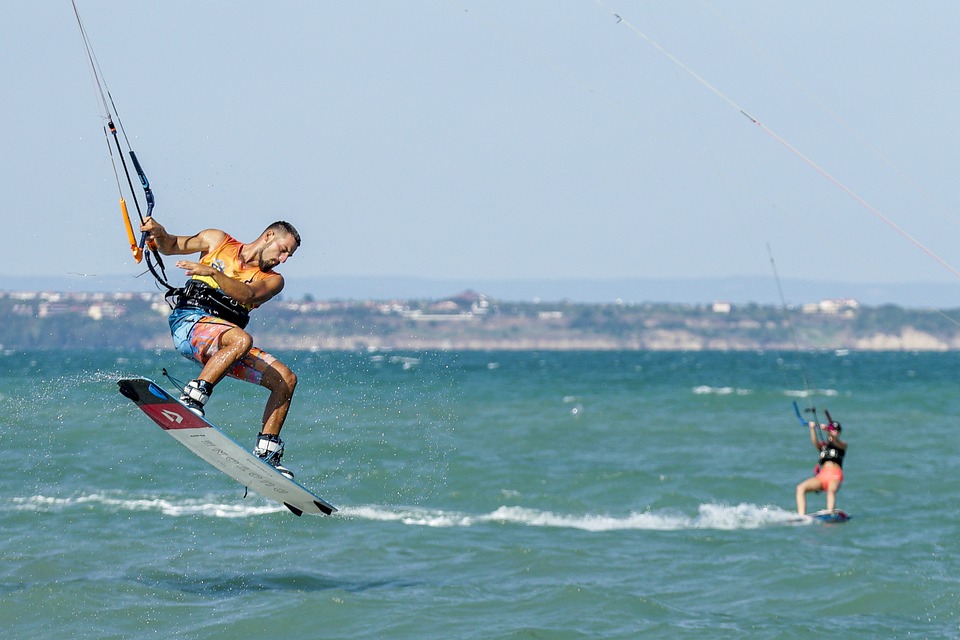
Understanding how kite surf mechanics work helps beginners grasp how wind power propels riders across open water. At its core, the sport combines principles from windsurfing, wakeboarding, and paragliding into one dynamic discipline. Riders stand on a compact twin-tip or directional board while securely tethered to a large inflatable kite via a sturdy harness and strong fly lines. By manipulating the handheld control bar, you adjust the kite’s angle relative to incoming wind currents, generating both forward propulsion and upward lift.
The power source relies on steering the kite through designated areas of the sky known as the wind window. Sweeping the canopy downward through the power zone creates immediate acceleration, pulling the rider smoothly across the surface. Riders control speed and direction by edging the board’s rails against the water while maintaining tension on the control lines. This balance between aerodynamic lift and hydrodynamic resistance allows skilled kiters to glide upwind, execute high jumps, and carve through ocean swells.
Skill Acquisition Expectations and Risk Management
Many beginners wonder if learning to kite surf presents extreme technical difficulties or unacceptable personal risks. While the sport looks intimidating from the shore, modern safety mechanisms and structured instruction make it accessible to most active individuals. Most newcomers master basic kite control and water starts within 6 to 12 hours of professional instruction. Having prior experience with board sports like skatepark riding or coastal surf sessions can speed up your balance acquisition, though it is not strictly required.
Like any high-speed sport powered by natural elements, kite surf outings carry inherent risks if safety protocols are ignored. Potential hazards include sudden wind squalls, line entanglements, collision with obstacles, and offshore currents. Modern kites come equipped with quick-release depower systems that instantly neutralize power when activated. Taking lessons from certified instructors ensures you learn self-rescue techniques, wind assessment, and emergency releases before venturing into deep water independently.
Single-Day Introductory Lesson vs. Multi-Day Kite Camp
Selecting the right training structure depends on your available travel time, budget, and long-term athletic goals.
| Program Feature | Single-Day Introductory Lesson | Multi-Day Coastal Kite Camp |
| Duration & Hours | 2 to 4 hours of basic instruction | 3 to 7 full days of immersive coaching |
| Skill Progression | Trainer kite handling and body dragging | Water starts, riding upwind, and transition turns |
| Equipment Provided | School kite, harness, bar, and safety vest | Full access to multi-size kite quivers and boards |
| Travel Requirements | Local beach trip or quick day excursion | Coastal resort stay or specialized camp booking |
| Instruction Style | Group or one-on-one basic orientation | Dedicated daily video analysis and safety drills |
Essential Gear and Personal Equipment for Water Safety
Equipping yourself with certified water sports apparel and specialized hardware guarantees safety and comfort while riding across sunlit waters.
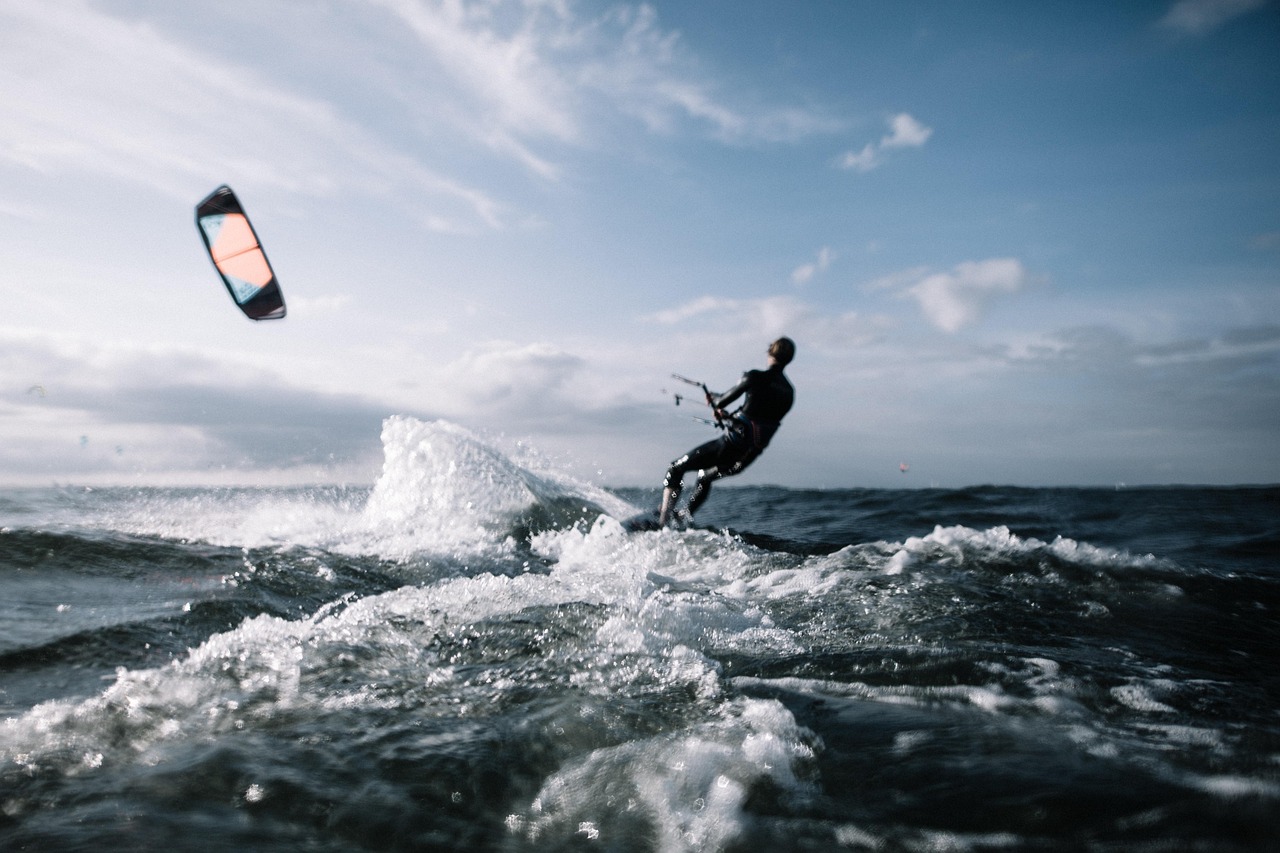
You can browse our top recommendations for specialized aquatic gear on our curated kitesurfing gear list to prepare for your upcoming lessons.
Primary Propulsion and Control Gear
Choosing a durable, correctly sized Kite matching local wind speeds provides reliable lift and steady steering control. Pairing your canopy with a lightweight Kiteboard equipped with comfortable footstraps allows effortless gliding and precise rail control across flat lagoons or ocean waves.
Connecting a heavy-duty Control bar and lines to your rig ensures instant steering responsiveness and reliable quick-release safety deployment. Wearing an ergonomically designed waist or seat Harness distributes canopy traction evenly across your core, preventing upper body fatigue during extended riding sessions.
Protective Apparel and Maintenance Tools
Wearing a high-flotation Impact vest protects your torso during heavy water landings while keeping you effortlessly buoyant during self-rescue maneuvers. Applying broad-spectrum, water-resistant Sunscreen shields skin against severe sunburn caused by direct sunlight and intense water reflections.
Carrying a dual-action high-pressure air Pump with a built-in pressure gauge ensures quick, accurate canopy inflation at the beach before every session.
World-Class Destinations for an Unforgettable Kite Surf Trip
Selecting the right location for your getaway ensures access to reliable trade winds, shallow learning lagoons, and professional water sports centers.
Iconic Spots in Europe and Africa
Tarifa in southern Spain stands as the undisputed European hub, offering over 300 windy days annually across vast sandy beaches. Riders flock to Valdevaqueros for reliable thermal winds and lively coastal culture. You can easily check accommodation here or reserve cozy vacation rentals here near historic coastal towns.
Dakhla, located along the Atlantic coast of Morocco, features a massive 40-kilometer flatwater lagoon surrounded by desert dunes. It provides ideal, butter-smooth conditions for beginners mastering water starts and pros practicing freestyle tricks. Meanwhile, Cape Town in South Africa offers world-famous Big Air conditions, drawing advanced riders to Bloubergstrand during Southern Hemisphere summer months.
Tropical Destinations in the Americas and Asia
Cumbuco and Jericoacoara in northeastern Brazil deliver guaranteed trade winds and warm tropical waters from July through December. Endless downwind coastal routes make this region a dream destination for adventurous kiters. Travelers heading to South America can book a ticket here for guided regional tours and transport options.
In Asia, Cabarete in the Dominican Republic and Boracay in the Philippines feature protected reef lagoons with steady thermal breezes. These vibrant beach communities offer excellent instruction infrastructure alongside rich local nightlife and coastal dining.
Step-by-Step Sequence for Mastering Your First Lesson
Following a structured learning progression ensures rapid skill acquisition while maintaining absolute safety on the beach and in the water.
Step 1: Complete beach orientation and land-based trainer kite handling to understand wind window dynamics, power zones, and steering mechanics. Your certified instructor will demonstrate how to assemble lines, inflate lead bladders, and test primary quick-release safety systems before stepping near the water.
Step 2: Enter waist-deep water to practice body dragging upwind and downwind without a board, utilizing the canopy’s pull to maneuver through waves and currents confidently. This stage develops subtle bar pressure control and muscle memory required for board retrieval.
Step 3: Strap the kiteboard onto your feet while floating on your back in deep water, keeping the kite parked safely at twelve o’clock above your head. Once balanced, sweep the canopy aggressively through the power zone, lean slightly back against the harness, and stand up onto the board to execute your first smooth water start.
Essential Water Etiquette and Coastal Safety Rules
Observing proper water etiquette guarantees a safe, enjoyable environment for all kiters, swimmers, and beachgoers. Always yield right-of-way to riders launching or landing canopies on the beach, as land operations carry higher collision risks.
When two kiters approach each other on open water, the rider with the wind on their starboard (right) side holds right-of-way and maintains course. The rider traveling port (left) or riding downwind must keep clear and lower their kite canopy. Always maintain a minimum safety buffer of 50 meters from swimmers, pier structures, and anchored boats.
Expense Breakdown and Financial Planning for Kiters
Budgeting accurately for a kite surf hobby involves factoring in professional instruction fees, personal gear purchases, travel expenses, and gear maintenance.
Overview of Instruction Fees and Gear Investment
Beginners should always prioritize professional lessons rather than buying gear first. Introductory course packages range from $200 to $800, covering full equipment usage and safety coaching. Once independent, buying a complete new gear package—including canopy, board, bar, harness, and pump—typically costs between $1,500 and $3,500.
Purchasing quality used equipment from certified kite centers offers a cost-effective alternative for budget-conscious riders. Furthermore, securing comprehensive travel insurance covering water sports activities protects your holiday investment against unexpected trip cancellations or gear damage.
Comprehensive Financial Breakdown of Kitesurfing Expenses
Reviewing average industry costs helps you organize your vacation budget effectively.
| Expense Item | Price Range (USD) | Coverage & Service Details |
| Introductory Lesson (3 Hours) | $150 – $300 | Instructor coaching, full gear hire, and safety vest |
| Full Beginner Certification | $500 – $900 | 9 to 12 hours of lessons over 3 days with license |
| Complete New Gear Package | $1,800 – $3,800 | Brand new kite, board, control bar, harness, pump |
| Quality Used Gear Package | $800 – $1,600 | Pre-owned canopy, board, and harness in good condition |
| Daily Equipment Rental | $100 – $180 per day | Complete rig rental for certified independent kiters |
Complementary Beachside and Recreational Activities
Enhancing your beach holiday with complementary outdoor activities creates a well-rounded and memorable travel itinerary. Combining wind-powered water sports with scenic sightseeing, athletic recreation, or cultural outings provides a diverse vacation experience.
After an energetic morning session on the water, unwind by taking a relaxing stroll through a marine sanctuary like the Seattle Aquarium, trying gentle coastal paddleboarding, or booking an evening dinner cruise along scenic bays. Alternatively, you can spend a quiet afternoon taking a hands-on pottery workshop in a nearby coastal town. Mixing thrilling beach sports with cultural leisure activities creates a balanced holiday schedule.
Historical Origins and Evolution of Kitesurfing
The concept of using wind-driven canopies to tow watercraft originated in the late 19th century with experiments by inventors like George Pocock. However, modern kitesurfing took shape during the 1980s when French brothers Bruno and Dominique Legaignoux patented the first inflatable wing design, allowing easy water relaunching.
Throughout the late 1990s and early 2000s, rapid advancements in directional board shapes, four-line safety bars, and bow kites transformed the sport into a mainstream global phenomenon. Today, lightweight materials like ripstop canopy fabric and carbon-fiber control bars allow kiters to ride safely across a wide range of wind conditions.
Best Seasons and Ideal Timing for Wind Conditions
Selecting the best season for your kite surf getaway depends on global wind patterns, regional trade cycles, and local water temperatures. European destinations like Spain and Italy offer peak thermal conditions from May through September.
Conversely, tropical spots in the Caribbean, Brazil, and Southeast Asia deliver steady trade winds during Northern Hemisphere winter months from November through March. Booking your travel during shoulder seasons often provides cheaper accommodation rates and less crowded beaches while still delivering dependable wind conditions.
Additional Outdoor Resources and Travel Guides
Discovering new seasonal hobbies, planning coastal getaways, and exploring outdoor activities is effortless with our full activity library. Visit Kenyago to read comprehensive guides and discover exciting vacation ideas across popular destinations:
Master coastal water sports by reading our complete guide to surfing.
Discover serene water outings with our updated guide to paddleboarding.
Plan relaxing evening excursions with our complete guide to booking a dinner cruise.
Explore marine life habitats by checking out our guide to visiting the Seattle Aquarium.










 Welcome,
