

The Ultimate Guide to Woodworking: Essential Tools, Safety Rules, Techniques, and Travel
Modern woodworking appeals to creative individuals who enjoy hands-on craftsmanship, spatial problem solving, and building functional or decorative objects directly from raw timber. If you like working productively with your hands, transforming rough lumber into something durable or beautiful, and developing practical shop skills that produce lasting physical results, taking up woodworking often feels deeply satisfying rather than intimidating.
It is especially appealing to makers who appreciate traditional building crafts, want to construct custom home furnishings themselves, and thoroughly enjoy the rewarding process of learning through steady practice. The core purpose of woodworking is to shape, join, and finish wood to create furniture, home decor, specialized tools, or fine architectural art.
Participants learn accurate measuring, timber cutting, joinery assembly, and surface finishing techniques while developing a deep understanding of natural grain properties and tool mechanics. The overall craft of woodworking combines artistic creativity with mathematical precision, resulting in custom handmade pieces that reflect personal skill and enduring style.
Practical and Cognitive Benefits of Working with Timber
Dedicating your leisure or professional time to woodworking provides incredible mental, physical, and practical advantages:
- Builds Practical Life Skills: Teaches valuable techniques for constructing custom furniture, executing home repairs, and restoring antique items.
- Offers Meditative Focus: Working quietly inside a woodshop encourages deep concentration, helping quiet everyday mental stress through rhythmic hand motions.
- Produces Functional Items: Yields high-quality, durable home furnishings, cutting boards, and decorative pieces that you can use daily or give as heirlooms.
- Enhances Problem Solving: Sharpens geometry skills, spatial reasoning, and creative engineering when calculating joinery angles and structural loads.
- Connects to Ancient Heritage: Links modern makers directly to centuries of global craft traditions and historic building practices.
Despite its many rewards, engaging in woodworking may not be enjoyable for everyone. If you strongly dislike loud power machinery, feel uncomfortable with physical labor, or prefer quick crafts with instantaneous completion times, traditional shop work might feel too demanding for your preferred pace.
Essential Safety Gear and Shop Equipment
Setting up a safe and efficient shop space requires acquiring fundamental hand tools, measuring devices, and personal protective equipment (PPE).
Tool / PPE Item | Essential Function and Strategic Shop Value |
Impact Eye Protection | Wearing clear Safety glasses shields your eyes from flying sawdust, splinters, and unexpected debris while operating power machinery. |
Protective Handwear | Slipping on heavy-duty Work gloves protects your skin against painful splinters, sharp edges, and rough lumber surfaces during material handling. |
Respiratory Mask | Wearing an N95 or particulate Dust mask prevents airborne wood particles from entering your lungs during heavy sanding sessions. |
Precision Layout Tool | Measuring dimensions accurately with a flexible Measuring tape ensures your cuts are exact and your joinery fits tightly together. |
Reference Marking Tool | Drawing crisp cut lines and layout reference points using a graphite Pencil keeps your assembly work organized and accurate. |
Precision Trimming Blade | Scoring delicate grain boundaries and cleaning joint edges with a razor-sharp Utility knife prevents tear-out during final saw cuts. |
Material Securing Gear | Anchoring project stock firmly with heavy-duty Clamps keeps raw materials steady and safe while cutting, drilling, or gluing. |
Primary Cutting Equipment | Dimensioning raw lumber using a sharp hand or mechanical Saw is fundamental to initiating every physical build project. |
Equipping your home workshop with these foundational tools allows you to handle various raw lumber species while keeping your workspace organized and safe.
Workshop Safety Protocol and Risk Mitigation
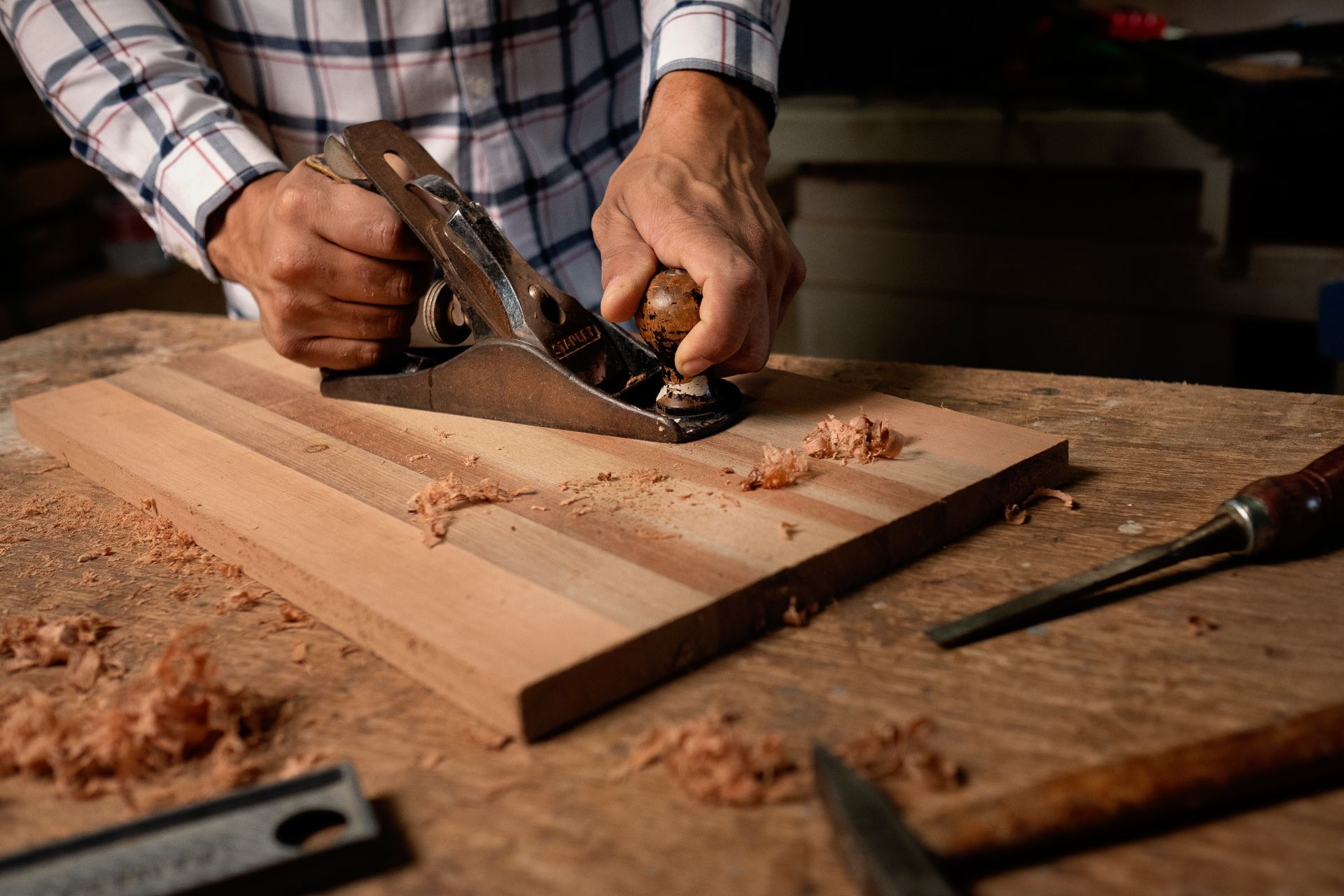
Because woodworking relies on sharp hand instruments, high-speed rotary blades, and heavy physical timber, strict adherence to shop safety protocol is essential:
- Eye Safety First: Always put on impact-resistant safety glasses before plugging in power tools or picking up cutting blades.
- Smart Glove Usage: Wear heavy gloves when carrying unrefined lumber, but remove all gloves when operating spinning machinery like table saws, jointers, or routers to avoid mechanical entanglement risks.
- Respiratory Defense: Fine wood particles generated by sanding or routing cause respiratory irritation over time; always wear a tight-fitting dust mask and run an air filtration unit.
- Keep Hands Clear: Keep fingers well away from spinning saw teeth and chisel edges; use wooden push sticks to guide narrow boards through table saw fences.
- Secure Stock with Clamps: Never attempt to hold small pieces of wood by hand while making saw cuts or drilling; anchor stock firmly to a workbench using steel clamps.
- Maintain Orderly Workspaces: Keep shop floors free of loose offcuts, power cords, and heavy sawdust accumulation to eliminate tripping hazards.
- Tool Storage Etiquette: Retract razor utility knife blades and hang hand saws on wall racks immediately after completing your cuts.
Wood Selection and Essential Joinery Methods
Understanding natural wood species and joinery mechanics allows you to choose the right materials for your specific build:
- Softwoods (Pine, Cedar, Fir): Lightweight, affordable, and easy to cut with simple hand tools. Softwoods are ideal for beginners building indoor shelving, garden boxes, or shop fixtures.
- Hardwoods (Oak, Maple, Walnut, Cherry): Dense, durable, and highly resistant to wear. Hardwoods are preferred for fine cabinetry, dining tables, and heirloom furniture pieces.
- Butt Joints: The simplest joinery method, where two squared edges meet and are secured using glue, pocket hole screws, or dowels.
- Lap and Dado Joints: Recessed channels cut into a board that allow adjoining pieces to interlock neatly, adding strength to bookcase shelves and drawers.
- Mortise and Tenon: An ancient, ultra-strong joinery technique where a protruding tongue (tenon) fits tightly into a matching carved hole (mortise).
Step-by-Step Beginner Project Workflow
Following a structured, step-by-step workflow keeps your shop builds running smoothly without wasting expensive lumber:
- Draft a Detailed Cut List: Draw your project on paper or digital modeling software to calculate exact board lengths, thicknesses, and hardware requirements.
- Dimension and Square the Stock: Measure your rough boards with a measuring tape, mark cut lines with a pencil, and cross-cut your timber to workable lengths using a saw.
- Cut Custom Joinery: Score joint lines using a utility knife to sever surface fibers, then cut out lap joints or pocket holes cleanly.
- Dry Fit the Assembly: Fit all your cut components together without glue using clamps to verify that every joint meets flush and square.
- Glue and Clamp: Apply wood glue evenly across joint faces, clamp the pieces together securely, and wipe away squeezed-out glue with a damp cloth before it hardens.
- Sand and Apply Finish: Sand all surfaces progressively from 120-grit up to 220-grit sandpaper, then apply protective oils, waxes, or clear varnish.
Cost Breakdown, Tool Investments, and Project Timelines
Getting started with basic woodworking is flexible and budget-friendly. You can build up your shop inventory gradually as project complexity increases:
Tool & Supply Category | Estimated Cost Range (USD) | Smart Budgeting Advice |
Personal Protective Equipment | $20 – $70 | Invest in comfortable, re-usable dual-cartridge respirators and anti-fog safety glasses. |
Essential Hand Tools & Clamps | $40 – $120 | Purchase heavy bar clamps in pairs and choose high-carbon steel utility knives. |
Hand Saws vs. Power Saws | $15 – $300+ | Start with an affordable Japanese pull saw before upgrading to motorized miter saws. |
Lumber & Finishing Supplies | $30 – $150 per project | Practice cuts on cheap pine construction lumber before investing in prime hardwoods. |
Complete Starter Tool Kits | $50 – $150 | Entry-level tool sets bundle basic measuring tapes, hammers, hand saws, and clamps together. |
In terms of project duration, basic builds like wall shelves or cutting boards require roughly 1 to 3 hours of active labor. More intricate furniture builds—such as coffee tables, bed frames, or detailed cabinets—often span several days or weeks, allowing necessary time for wood glue to cure fully between steps.
Physical Requirements and Workspace Ergonomics
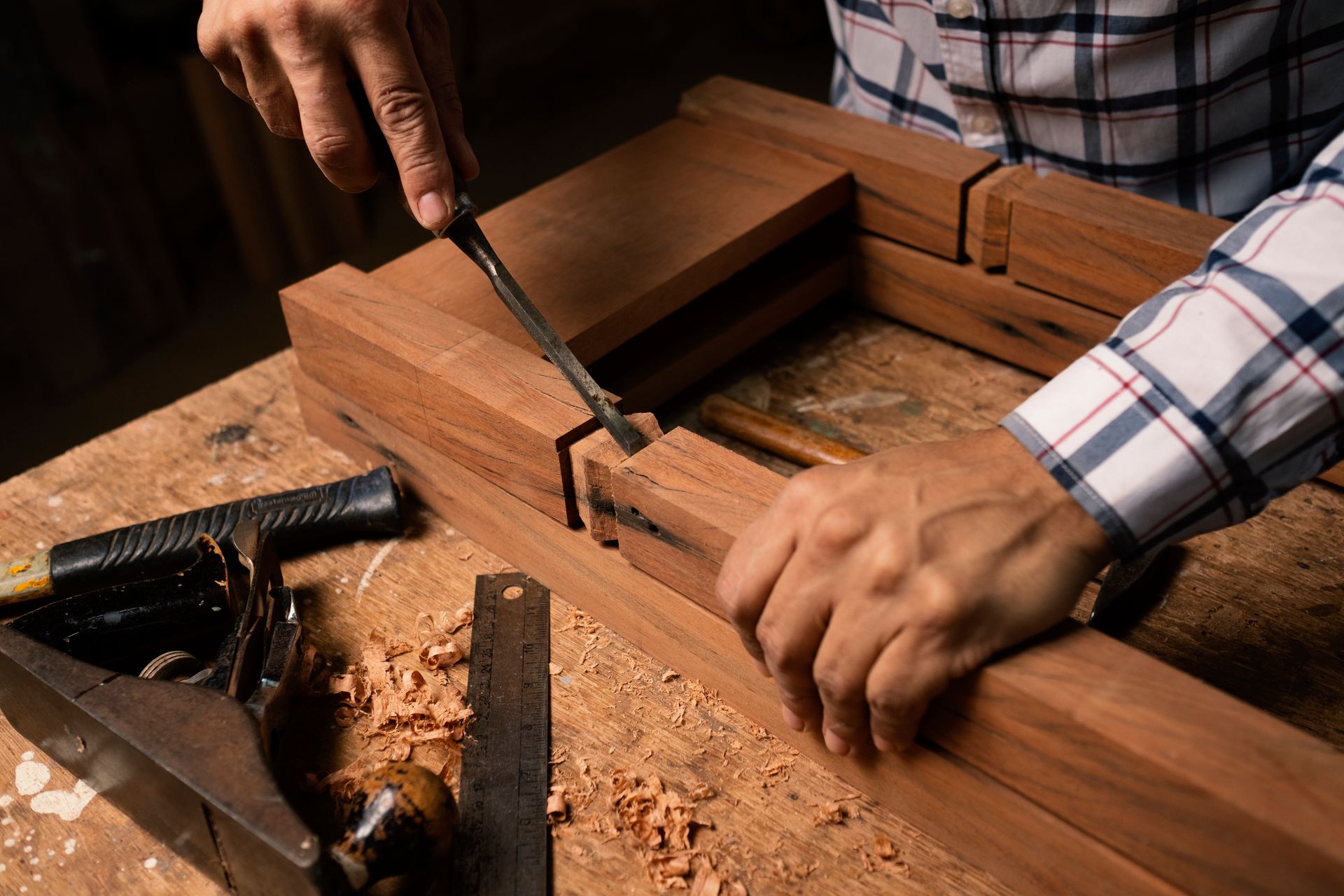
Engaging in woodworking involves steady standing, lifting heavy timber, and executing repetitive arm movements while sawing, planing, or hand sanding. Cutting and assembling large furniture pieces requires basic upper body endurance and core balance.
To prevent physical fatigue or muscle strain during long shop sessions, take brief 5-minute stretch breaks every hour. Wear supportive work boots to cushion your feet against concrete garage floors. For woodworkers with mobility limitations, benches can be adjusted to comfortable seated heights, and lightweight power tools can handle heavy stock removal.
Craft Conventions, International Workshops, and Travel Logistics
Many passionate woodworkers love traveling to attend international timbercraft expos, traditional joinery masterclasses, or historic woodworking retreats. Taking an educational workshop trip provides hands-on instruction from master craftspeople in inspiring locations.
Attending Masterclasses and Cultural Tours
When traveling out of state or overseas to attend furniture design masterclasses, traditional Japanese joinery schools, or timber framing retreats, securing your passes early ensures a smooth journey. You can book a ticket here to reserve entry to popular craft trade expos and maker conventions. To explore historical architecture or local forestry tours during your trip, you can book a tour here or check activities here to discover regional woodworking heritage.
Flights, Lodging, and Accommodation
Organizing your transit and comfortable lodging near retreat centers keeps your travel schedule stress-free:
- Flight Arrangements: You can check flights here or compare itineraries here to secure convenient flight times for out-of-town craft seminars.
- Hotel Accommodations: You can check accommodation here to find comfortable hotel rooms located close to workshop venues or convention centers.
- Spacious Cabin Rentals: For groups attending multi-day timber framing workshops or rural building retreats, you can book a stay here to secure a private lodge with ample outdoor space and workshop access.
Historical Heritage and Cultural Significance
The practice of woodworking is one of humanity’s oldest foundational crafts, essential for building shelter, sea vessels, farming tools, and art across centuries. From ancient Egyptian mortise-and-tenon furniture to refined Japanese un-nailed joinery and Scandinavian green-wood carving, distinct woodworking traditions reflect cultural values, geometry mastery, and environmental adaptability.
Learning woodworking today connects modern makers directly to generations of artisans who shaped the physical world with their hands. The craft endures as both an indispensable practical trade and a respected fine art form, celebrated globally for its timeless synthesis of functional utility and organic natural beauty.
Frequently Asked Questions (FAQs)
What basic power tool should a beginner woodworker buy first?
A random orbital sander and a cordless drill/driver set are the best initial power tools for beginners. A random orbital sander saves hours of manual labor during surface preparation, while a cordless drill makes assembling joinery quick and effortless.
How do I prevent wood from splitting when driving screws?
Always drill a pilot hole slightly smaller than the shank of your screw before driving it into the timber. Drilling a clearance pilot hole removes excess wood fibers and prevents the wedge action of the screw thread from splitting delicate end grain.
Can I practice woodworking in a small apartment?
Yes! You can focus on small-scale carving, hand-tool joinery, or box-making using quiet hand tools like Japanese pull saws, chisels, and hand planes. Utilizing a compact bench vise and vacuum attachment keeps noise low and dust contained.
Start Building Your First Timber Project Today
Whether you are crafting a simple pine storage box in your garage, building custom oak cabinets for your home, or traveling overseas to attend a timber joinery retreat, engaging in woodworking offers a life-enriching creative journey. Put on your safety glasses, measure twice, make your first cut, and enjoy the unmatched satisfaction of shaping natural wood with your own hands!










 Welcome,
