

Playing Tennis—Equipment, Techniques, Court Strategy, and Global Heritage
Playing tennis appeals to people who love competitive sports, enjoy the combination of physical fitness and strategic thinking, and want an activity that can be played and enjoyed for a lifetime. If you appreciate the back-and-forth rhythm of a rally, the satisfaction of a perfectly placed shot, and the unique blend of athleticism and mental focus that playing tennis demands, the sport often becomes one of the most rewarding and deeply enjoyable activities in your life. It is especially appealing to people who want a social sport they can play competitively or casually, enjoy one-on-one competition, and want an activity that challenges both the body and the mind every time they step on the court.
The purpose of playing tennis is to use a racquet to hit a ball over a net into the opponent’s court in a way that the opponent cannot return before the ball bounces twice. Whether you are playing singles for an intense one-on-one workout or doubles for a more social and strategic team experience, playing tennis rewards consistency, footwork, and the ability to think clearly under pressure. The sport can be played at any level from casual rallying with a friend to competitive tournament play. To explore more active sports, outdoor recreation spots, and fitness guides, visit our Kenyago activities page.
Major Physical and Mental Benefits of the Sport
Playing tennis offers unique cardiovascular, neurological, and social advantages that make it an extraordinary lifelong pursuit:
- Full-Body Cardiovascular Conditioning: Playing tennis provides an excellent full-body cardiovascular and strength workout through continuous movement and explosive bursts of speed.
- Sharp Mental Focus and Strategy: Playing tennis creates a competitive and engaging activity that sharpens mental focus, strategy, and quick decision-making under pressure.
- Rich Social Interaction: Playing tennis offers a social sport that can be enjoyed with friends, family, or competitive partners at any skill level.
- Lifelong Progression Pathway: Playing tennis delivers a lifelong sport with accessible beginner play and a virtually unlimited ceiling for technical progression.
- Global Community Connection: Playing tennis connects you to a global sport with a rich history and a welcoming community at every local club and public park.
This experience may not be enjoyable if you have significant shoulder, elbow, or knee issues that make repetitive hitting or quick lateral movement difficult, or if you prefer non-competitive forms of physical activity.
Essential Gear and Equipment Matrix
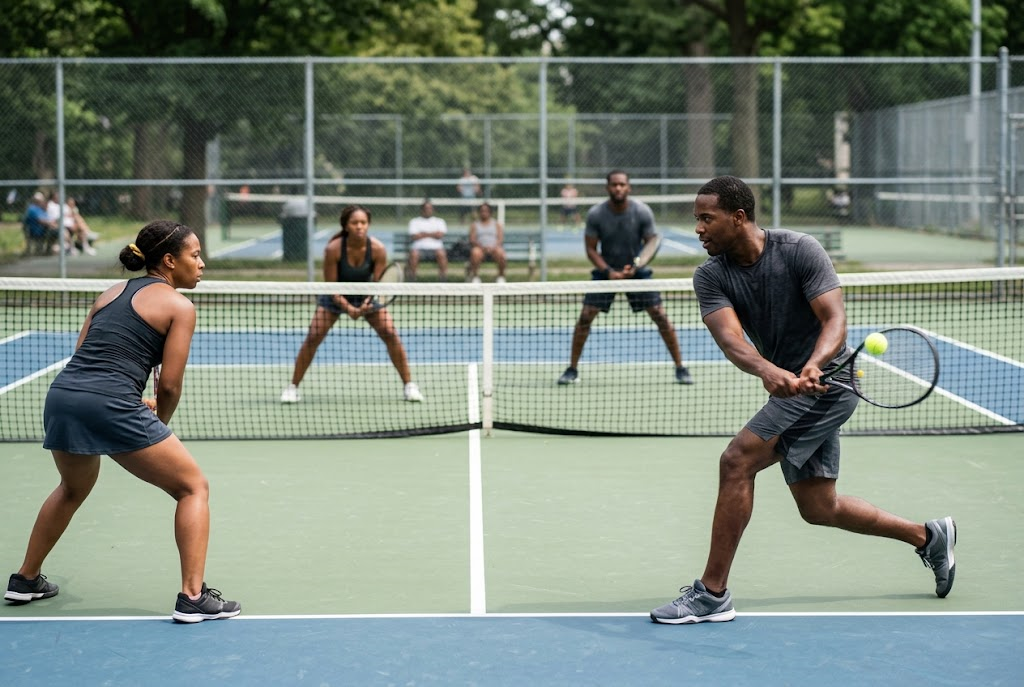
Selecting the right equipment before playing tennis ensures optimal performance, comfort, and protection against common injuries:
Equipment Item Category | Primary Function and On-Court Benefit |
High-Performance Frame | Choosing a custom Tennis Racquet designed for your playing style gives more power and forgiveness on off-center hits when playing tennis. |
Durable Pressure Balls | Always having a fresh can of Tennis Balls ensures your practice sessions feel lively and consistent while playing tennis. |
Supportive Court Footwear | Wearing proper Tennis Shoes with lateral support protects your ankles and knees from the side-to-side demands of playing tennis. |
Protective Gear Carrier | Carrying a spacious Tennis Bag keeps your equipment organized and protected between matches of playing tennis. |
Handle Replacement Wrap | Replacing your Tennis Grips regularly ensures your racquet handle stays comfortable and tacky for control when playing tennis. |
Responsive String Bed | Restringing your frame with quality Tennis Strings maintains the power and feel your game depends on while playing tennis. |
Surface Overwrap Layer | Wrapping your handle with fresh Tennis Overgrips gives you a clean, dry surface during long rallies when playing tennis. |
Moisture Sweat Bands | Wearing absorbent Tennis Wristbands keeps sweat from running down your arm onto your grip while playing tennis. |
Forehead Sweat Control | Wearing a protective Tennis Headband keeps sweat and hair out of your eyes during intense points when playing tennis. |
Safety Protocols, Injury Prevention, and Court Health
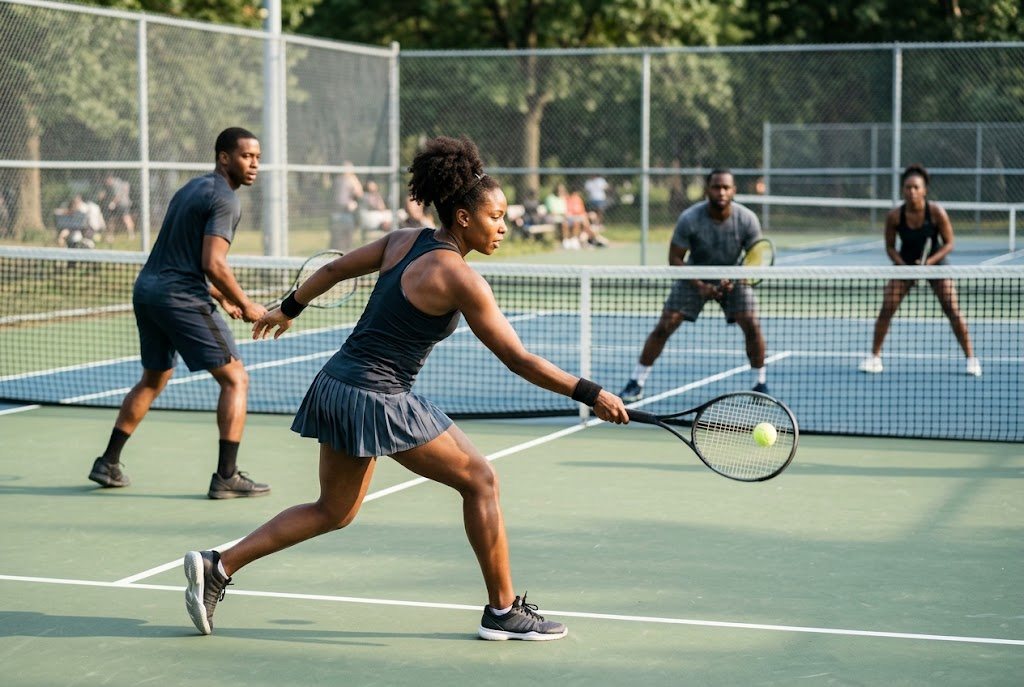
While playing tennis is generally safe and low-contact, maintaining physical health requires mindful preparation:
- Dynamic Warm-Up Routines: Always warm up properly with dynamic stretching before your first point to protect your shoulders, elbows, and knees while playing tennis.
- Proper Footwear Usage: Wear specialized court shoes on every outing, as regular running sneakers do not provide the lateral support needed for safe movement when playing tennis.
- Technique and Ergonomics: Use proper grip and swing mechanics to prevent tennis elbow, which is the most common overuse injury encountered when playing tennis.
- Overgrip Maintenance: Keep your overgrips fresh so your racquet never slips from your hand during a high-speed swing while playing tennis.
- Hydration and Climate Awareness: Stay hydrated especially during outdoor play in summer heat and take structured rest breaks as needed when playing tennis.
Step-by-Step Practical Workflow for Court Mastery
Following a structured development path accelerates your proficiency and confidence on the court:
- Select Balanced Equipment: Purchase a beginner-friendly racquet and supportive court shoes tailored for playing tennis.
- Take Professional Lessons: Enroll in group or private coaching sessions to build correct stroke technique from day one of playing tennis.
- Practice Consistent Drills: Focus on basic rallying, cross-court consistency, and footwork drills before jumping into full matches while playing tennis.
- Prepare Your Kit Bag: Pack fresh balls, spare grips, a water bottle, and sweatbands into your equipment carrier before playing tennis.
- Execute Warm-Up Drills: Spend 10 minutes doing dynamic stretches and mini-tennis rallies prior to playing tennis.
- Engage in Match Play: Test your skills in friendly singles or doubles matches while playing tennis.
- Cool Down and Recover: Perform static stretches and rehydrate to maintain muscle health after playing tennis.
Cost Analysis and Financial Planning for Players
Budgeting for playing tennis varies based on whether you play casually at public parks or join private membership clubs:
Expense Category | Estimated Price Range (USD) | Cost Optimization Strategy |
Court Rental Fees | Free to $40 per hour | Utilize public park courts or community center facilities to minimize hourly fees when playing tennis. |
Racquet & Gear Setup | $30 to $150 | Purchase entry-level performance frames and bundle accessories online before playing tennis. |
Consumables (Balls & Grips) | $10 to $50 per month | Buy bulk cases of balls and multi-packs of overgrips to reduce recurring costs while playing tennis. |
A typical casual hitting session lasts 45 minutes to 1.5 hours, while competitive singles matches can extend across multiple sets.
Traveling for Major Tournaments and International Tennis Destinations
Tennis fans and recreational players frequently travel across the globe to visit historic venues and experience professional tournaments firsthand. Whether you plan to witness the grass-court elegance of Wimbledon in London, the red clay battles at Roland Garros in Paris, or hard-court showdowns in New York, coordinating your travel logistics ensures a smooth journey. You can book a ticket here to secure entry for premier tournament sessions and major professional events.
When planning tennis-focused trips:
- Tournament Sightseeing & Guided Tours: You can book a tour here or check activities here to explore historic stadium grounds, player museums, and iconic tennis complexes.
- Flight Reservations: You can check flights here or compare itineraries here to find optimal flight schedules connecting to major tennis capitals.
- Hotel and Lodging Arrangements: You can check accommodation here to reserve hotels situated near tournament grounds or local tennis resorts.
- Private Vacation Rentals: When traveling with families or teams for league play, you can book a stay here to find spacious holiday rentals near premier tennis facilities.
Evolution, Cultural Significance, and Global Heritage
Tennis has a rich history stretching back to 12th-century France, where a game called jeu de paume was played by striking a ball with the palm of the hand against a wall. The modern game of lawn tennis emerged in England in 1873 and quickly spread around the world, becoming one of the most globally played and watched sports in history. Wimbledon, established in 1877, is the oldest tennis tournament in the world and remains the sport’s most prestigious event.
The culture surrounding playing tennis has produced some of the most iconic athletes in sporting history, from Billie Jean King and Arthur Ashe to Roger Federer, Serena Williams, and Rafael Nadal. Whether you are hitting your first forehand or competing in a club tournament, playing tennis connects you to a sport that has united and inspired players and fans around the world for over a century.
Frequently Asked Questions (FAQs)
How long does a typical tennis match last?
A recreational singles match usually lasts between 45 minutes to 1.5 hours depending on the number of sets played and player skill levels.
Do I need expensive equipment to start playing tennis?
No, beginners can start with an affordable pre-strung racquet, a can of balls, and comfortable court shoes without breaking the bank.
How can I prevent tennis elbow while playing tennis?
Using a properly sized grip, avoiding excessive racket tension, maintaining correct stroke technique, and strengthening forearm muscles help prevent tennis elbow.
Step Onto the Court and Start Playing Tennis Today
Whether you are seeking an intense cardiovascular workout, a fun way to socialize with friends, or a lifelong sport that continually challenges your mind and body, playing tennis delivers unmatched rewards. Grab your racquet, lace up your court shoes, and experience the timeless joy of playing tennis today!










 Welcome,
