

The Complete Guide to Pottery Class: Essential Gear, Safety Rules, Techniques, and Travel
Attending a pottery class appeals to creative individuals who enjoy tactile creativity, meditative handwork, and the immense satisfaction of shaping raw moist clay into beautiful functional art. If you like working productively with your hands, getting a little messy, and creating custom ceramic pieces that you can use in daily life, joining a local pottery class often feels deeply grounding rather than intimidating. It is especially appealing to makers who appreciate slow crafting, want to disconnect completely from digital screens, and thoroughly enjoy the creative process as much as the finished ceramic product.
The primary purpose of a pottery class is to teach participants how to shape raw clay using traditional hand-building techniques or an electric pottery wheel while exploring colorful glazing and high-temperature kiln firing methods. Students learn essential clay properties, forming techniques, and finishing processes under the direct guidance of experienced ceramic instructors. The supportive hands-on environment inside a studio pottery class encourages artistic experimentation and celebrates charming imperfections as a natural part of the ongoing creative journey.
Core Cognitive and Physical Benefits of Ceramic Arts
Enrolling in a regular pottery class provides significant mental, physical, and practical advantages for makers of all backgrounds:
- Offers Meditative Relief: Provides a deeply restorative, stress-relieving creative outlet that encourages complete mindfulness and presence in the studio.
- Enhances Dexterity: Builds sustained hand strength, wrist flexibility, bilateral coordination, and fine motor skills through continuous tactile clay manipulation.
- Produces Usable Art: Yields fully functional and decorative ceramic pieces—such as mugs, bowls, and vases—that you can use daily or give as personalized gifts.
- Promotes Patience: Encourages patience and focus as clay progresses slowly through drying stages, bisque firing, glazing, and final glaze firing.
- Connects to Ancient Traditions: Links modern ceramic artists directly to an ancient, universal human craft tradition spanning thousands of years.
Despite its many physical and emotional rewards, taking a pottery class may not be enjoyable for everyone. If you strongly dislike getting wet clay on your hands, feel easily frustrated by asymmetrical or imperfect results, or prefer quick crafts with instantaneous completion times, ceramic shop work might feel too demanding for your preferred pace.
Studio Gear, Personal Belongings, and Essentials Checklist
Preparing for your introductory studio session involves gathering practical personal items that keep you comfortable, clean, and organized throughout the creative process.
Studio Gear / Essential Item | Strategic Value and Studio Function |
Durable Writing Instrument | Using a sturdy Pen allows you to log specific glaze formulas, drying times, and firing temperatures accurately. |
Protective Fabric Apron | Wearing a heavy canvas Apron over your clothes provides an essential barrier against wet clay splatters and water splashes. |
Absorbent Hand Towel | Keeping a thick cotton Towel nearby helps you wipe slurry off your hands quickly and keep your wheel basin tidy. |
Refillable Drink Container | Staying hydrated with an insulated Water bottle keeps you feeling energized during long wheel-throwing or hand-building sessions. |
Creative Logbook | Jotting down instructor tips and sketching preliminary vase profiles in a Small notebook tracks your skill progression. |
Bringing these foundational items to every studio pottery class ensures you remain focused on mastering your clay techniques while keeping your clothing and workspace tidy.
Studio Safety Protocols, Chemical Care, and Risk Mitigation
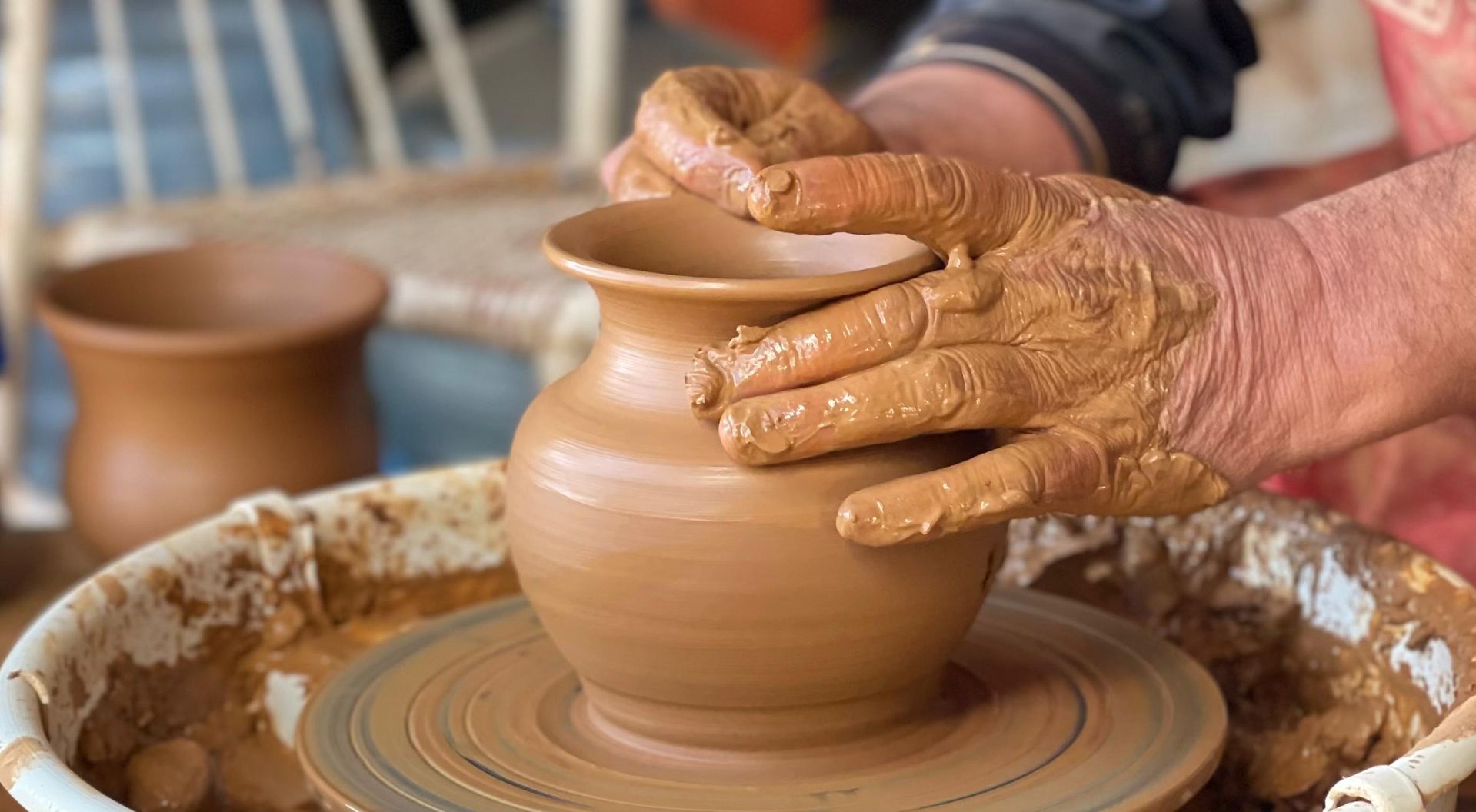
While joining a community pottery class is generally safe and relaxing, maintaining proper studio hygiene and equipment awareness protects your long-term health:
- Respiratory Protection from Dust: Airborne silica dust can irritate your lungs over time. Always work in well-ventilated studio spaces, mop up clay slurry while it is wet, and avoid sweeping dry clay dust into the air.
- Strict Personal Hygiene: Wash your hands thoroughly with soap and warm water after handling raw clay or liquid chemical glazes, especially before eating or drinking.
- Wheel Safety Measures: Be cautious around electric pottery wheels. Tie back long hair, remove hanging jewelry, and secure loose clothing so nothing gets caught in moving parts.
- Careful Tool Handling: Handle sharp ceramic trimming tools, needle tools, and cut-off wire handles carefully when carving, trimming leather-hard pots, or detaching pieces from the wheel.
- Safe Glaze Application: Some commercial glazes contain chemical compounds, heavy metals, or colorants. Follow instructor guidance on safe dipping, brushing, and cleanup practices.
- Protective Attire: Wearing a full-coverage apron and comfortable clothes that can get dirty protects your skin and outfit from liquid clay splatters.
- Hydration Safety: Keep your water bottle capped and stored on a shelf away from your main work surface to avoid cross-contamination with clay dust or glaze drips.
Foundational Ceramic Techniques: Hand-Building vs. Wheel Throwing
A comprehensive pottery class exposes students to two distinct methods of shaping raw clay, each offering unique creative possibilities:
- Pinch Pots: The most intuitive hand-building method, where a ball of clay is gently opened and shaped using thumbs and fingers to form organic bowls, cups, or small sculptures.
- Coil Building: Stacking rolled ropes of clay on top of a base slab to construct tall, structurally sound vessels, urns, or asymmetric geometric forms.
- Slab Construction: Rolling out flat, uniform sheets of clay using a slab roller or rolling pin, then cutting and joining the leather-hard pieces to build rigid rectangular boxes or wall-hanging planters.
- Wheel Throwing: Centering a plastic mass of clay on a spinning motorized pottery wheel, opening the center, and pulling vertical walls upward to create perfectly symmetrical cylinders, mugs, and bowls.
Step-by-Step Student Project Workflow in a Pottery Class
Following a structured studio workflow ensures your handcrafted pots dry evenly and survive high-temperature kiln firings without cracking:
- Wedge the Raw Clay: Knead the moist clay thoroughly on a canvas table to eliminate air bubbles and ensure uniform moisture distribution throughout the batch.
- Form the Primary Vessel: Shape your project using hand-building techniques or throw and center the vessel directly on an electric wheel head.
- Slow Drying to Leather-Hard: Allow the shaped piece to dry slowly under plastic sheeting until it reaches a firm, leather-hard stage suitable for trimming and handle attachment.
- Trim and Refine: Turn the leather-hard vessel upside down on the wheel or bench to carve out a clean foot ring and smooth away excess weight using loop tools.
- Initial Bisque Firing: Load the completely bone-dry clay piece into an electric or gas kiln for an initial low-temperature bisque firing that converts fragile clay into porous ceramic.
- Glaze and Final Firing: Dip, pour, or brush liquid mineral glazes onto the bisque piece, then fire it a second time at high temperatures to fuse the glaze into a waterproof glass finish.
Cost Structure, Tuition Fees, and Required Supplies
Enrolling in an introductory pottery class is accessible and offers great value, with most community studios providing raw clay, basic tool sets, and kiln firing services in their tuition:
Expense Category | Typical Studio Cost Range (USD) | Smart Budgeting Advice |
Single Workshop / Drop-in Session | $40 – $100 per session | Includes instructor guidance, clay, glaze, and firing costs for 1–2 completed pieces. |
Multi-Week Course Tuition (6–8 Weeks) | $150 – $400 per term | Offers open studio access hours, dedicated shelf storage, and comprehensive kiln firings. |
Personal Apron & Studio Towel | $15 – $45 total | Repurpose old household bath towels and invest in a washable cotton canvas apron. |
Notebook, Pen & Water Bottle | $17 – $65 total | Use simple stationary items to record glaze combinations and maintain hydration. |
Specialty Clay & Custom Glaze Fees | $15 – $35 per bag | Standard studio house clay is usually included, but specialty porcelain or dark stoneware may cost extra. |
Regarding session durations, individual sessions in a pottery class typically last between 1.5 to 3 hours. Multi-week courses spanning several weeks are ideal because damp clay requires ample time to dry thoroughly before undergoing bisque and glaze kiln firings.
Ergonomics, Posture, and Physical Adaptations

Working at a pottery wheel or wedging heavy clay requires core stability, arm strength, and proper spinal posture. Wheel throwing involves a sustained forward-leaning seated position while using your feet to regulate wheel speeds and your hands to exert inward leverage on dense clay.
To prevent lower back strain or wrist fatigue during a pottery class, anchor your elbows securely against your inner thighs or hip bones when centering clay. Take regular stretch breaks every 30 minutes to roll your shoulders and extend your hands. For individuals with physical limitations or lower back concerns, standing pottery wheels, adjustable table heights, and hand-building techniques provide comfortable, accessible alternatives.
Pottery Retreats, Travel Logistics, and Destination Workshops
Many passionate ceramic enthusiasts enjoy traveling outside their home towns to attend immersive ceramic workshops, historic porcelain retreats, or traditional wood-firing kiln festivals. Planning an educational trip to a world-renowned ceramic center allows you to learn from master potters in inspiring settings.
Attending Masterclass Retreats and Cultural Excursions
When traveling out of state or internationally to participate in specialized ceramic retreats, traditional raku firing masterclasses, or historic studio tours, organizing your trip details early guarantees a seamless experience. You can book a ticket here to secure entry passes for popular international ceramic expos and craft conventions. To explore famous pottery villages, historic kiln sites, or regional museum exhibits during your journey, you can book a tour here or check activities here to discover authentic artisan traditions.
Transit and Accommodation Planning
Arranging comfortable transit and lodging near specialized studio retreats keeps your creative journey stress-free:
- Flight Bookings: You can check flights here or compare itineraries here to secure convenient flight schedules for out-of-town studio seminars.
- Hotel Accommodations: You can check accommodation here to find peaceful hotel rooms located within walking distance of artisan studio spaces.
- Spacious Rural Rentals: For groups attending multi-day wood-firing workshops or rural ceramic retreats, you can book a stay here to secure a private cottage or lodge with ample space for relaxation.
Cultural Heritage and the Universal Evolution of Ceramics
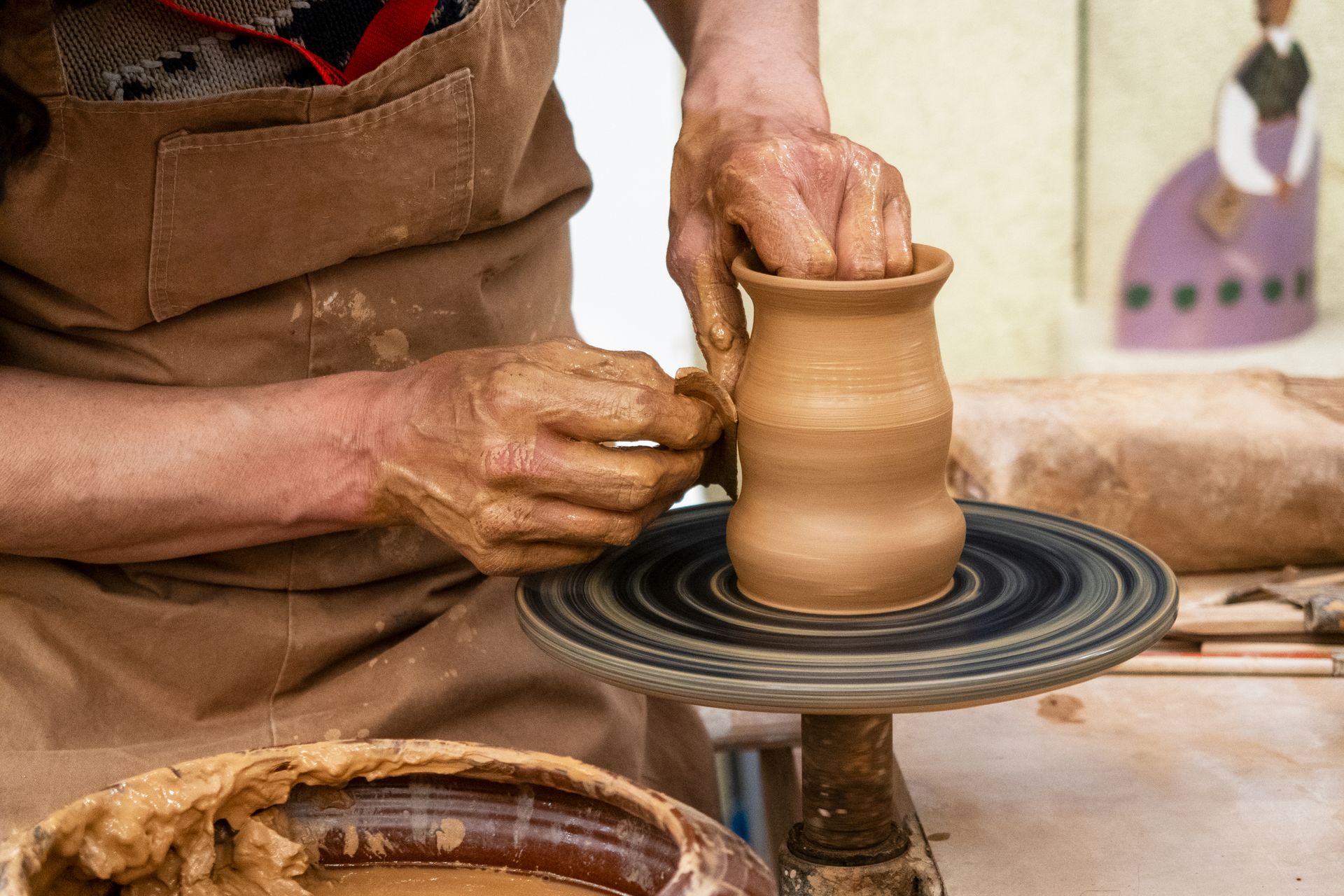
The practice of making pottery represents one of humanity’s oldest continuous artistic crafts, with archaeological evidence of fired ceramic vessels dating back over 20,000 years. Every major global culture throughout human history has developed distinct ceramic traditions to fulfill essential daily storage needs and express spiritual or artistic values.
From classical Greek amphoras and delicate Chinese porcelain to Japanese raku tea bowls and Pueblo coil pottery, ceramic techniques reflect environmental adaptability and artistic mastery. Enrolling in a modern pottery class links you directly to this ancient global lineage of craftspeople, offering an enriching avenue for personal expression through timeless natural materials.
Frequently Asked Questions (FAQs)
What should I wear to my first pottery class?
Wear comfortable, loose-fitting clothes made from washable fabrics that you do not mind getting dirty. Trim long fingernails, tie back long hair, wear closed-toe shoes, and bring an apron to protect your lap from clay water and slurry.
Do I need prior artistic experience or strong hands to join a pottery class?
No prior artistic experience or exceptional physical strength is necessary for introductory courses. Instructors teach leverage techniques that allow you to center and shape clay efficiently using body position rather than muscle power.
How long does it take to finish a piece in a pottery class?
Completing a finished, food-safe ceramic vessel usually takes two to three weeks. This timeline accounts for initial shaping, slow air-drying, the first bisque kiln firing, glaze application, and the final high-temperature glaze firing.
Reserve Your Wheel and Start Creating Today
Whether you want to relax after work by learning hand-building, master wheel throwing in a community studio, or travel across the world to participate in an immersive kiln retreat, taking a pottery class offers a deeply rewarding journey. Grab your apron, step up to the studio workbench, and experience the tactile joy of transforming raw clay into lasting functional art!










 Welcome,
