

Volleyball Performance Prep List, Safety, Best Time To Visit, Locations, Cost, & More
Playing volleyball appeals to people who love team sports, enjoy fast paced and high energy athletic competition, and want an activity that combines explosive physical demands with the deep satisfaction of winning as a unit. If you appreciate the thrill of a perfectly timed spike, the strategy of reading the opposing team’s formation, and the energizing atmosphere of competing alongside teammates who share your passion for the game, volleyball often becomes one of the most addictive and socially rewarding sports in your life.
It is especially appealing to people who thrive in team environments, enjoy both indoor and outdoor play, and want a sport that keeps them moving and engaged from the first serve to the last point.
The purpose of volleyball is to send a ball over a net using a combination of setting, spiking, blocking, digging, and serving in a way that lands it in the opposing team’s court before they can return it. Whether you are playing a competitive six on six indoor match, a casual four on four outdoor game at the park, or a high stakes beach volleyball tournament, the sport rewards communication, athleticism, and the collective effort of a team working together seamlessly under pressure. Executing thorough volleyball performance prep helps you select the right court shoes, protect your joints during floor contact, communicate effectively on the court, and enjoy every set.
Why Using Structured Volleyball Performance Prep Enhances Your Game
Stepping onto the court requires proper physical conditioning, gear selection, and clear team communication. Executing a structured volleyball performance prep helps beginners and experienced players organize court logistics, avoid joint strain, and maximize their athletic performance during competitive matches.
Key Benefits of Playing Volleyball
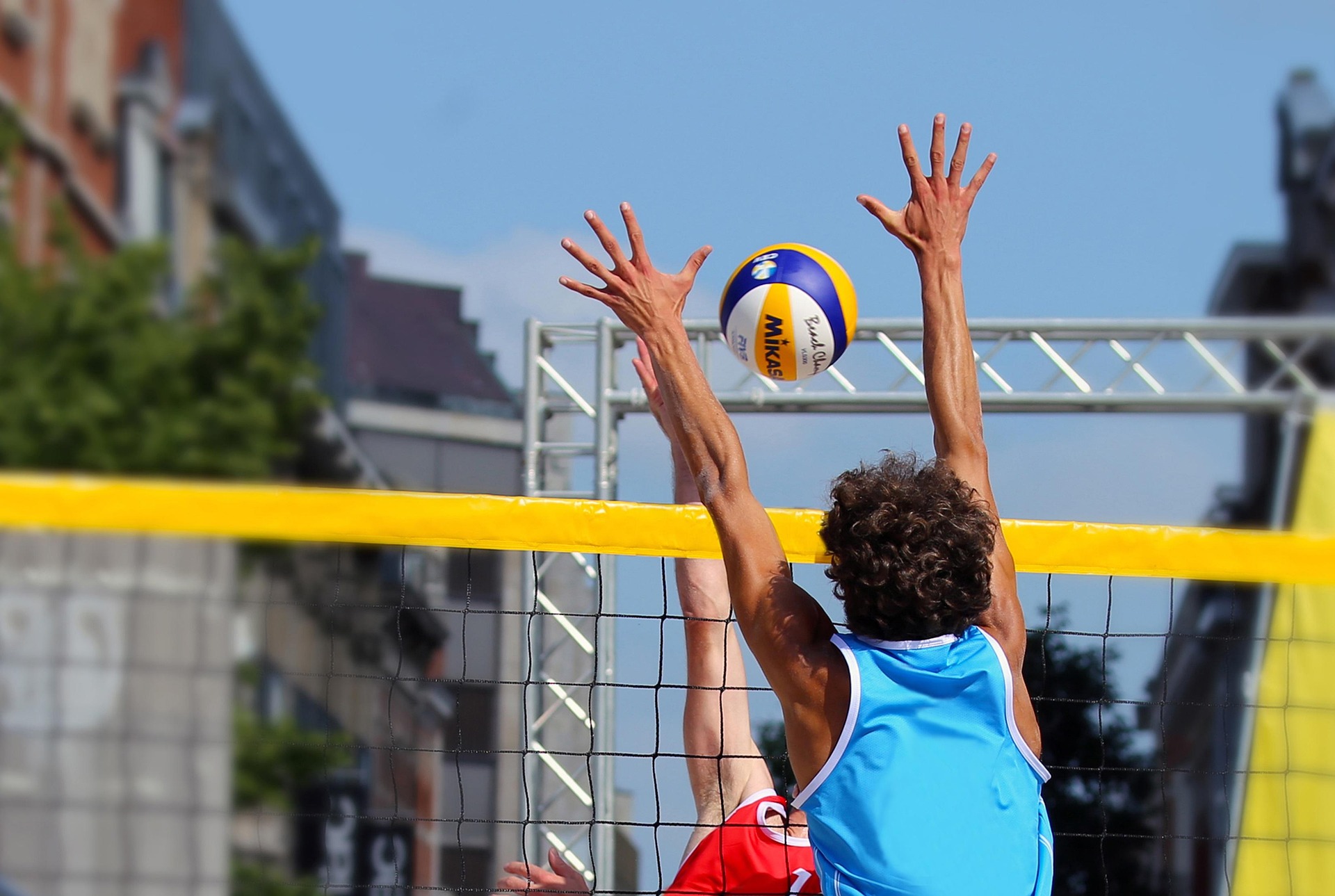
Engaging in court or beach matches delivers exceptional physical conditioning and fosters deep athletic teamwork. Here are the primary benefits highlighted in our volleyball performance prep breakdown:
- Full Body Athletic Conditioning: Builds cardiovascular endurance and explosive muscle power through continuous sprinting, jumping, and diving.
- Teamwork and Social Camaraderie: Strengthens communication, trust, and shared accountability among players working toward a collective victory.
- Multi-Surface Adaptability: Offers flexible recreational opportunities across indoor hardwood courts, outdoor grass parks, and sandy beaches.
- Satisfying Athletic Milestones: Delivers immediate satisfaction from executing precise serves, defensive digs, and high-flying spikes.
- Thriving Community Engagement: Connects athletes to local recreational leagues, open gym sessions, and global sporting communities.
Is Playing Volleyball Right for You?
While following a volleyball performance prep routine ensures you stay protected, evaluating your physical comfort beforehand is beneficial. This sport may not be ideal if you strongly prefer individual athletic pursuits, feel overwhelmed in fast-paced group environments, or manage severe knee or shoulder issues that limit jumping and overhead swinging. However, recreational leagues and casual outdoor pickup games offer modified play paces for athletes seeking low-impact fun.
Essential Gear, Court Prep, and Prep List
Packing key protective equipment and hydrating essentials on your prep list ensures you remain agile and protected throughout long match rotations. Here is the recommended equipment breakdown from our volleyball performance prep framework:
Must-Have Supplies and Gear on Your Prep List
Adding these fundamental items to your court bag keeps you agile, safe, and energized:
Choosing a well-constructed, properly inflated volleyball ensures predictable flight trajectories, consistent panel padding, and reliable control during sets and spikes. Wearing breathable athletic clothing gives you full freedom of movement for diving digs and high-reaching blocks. Lacing up high-traction athletic shoes protects ankle joints and prevents slipping during rapid lateral court shifts.
Applying sweat-resistant sunscreen guards your skin against UV exposure during extended beach or grass tournament sessions. Fitting thick-cushioned knee pads absorbs heavy floor impacts during floor contact on indoor hardwood. Packing quick-digesting energy snacks sustains your stamina during multi-set tournament brackets.
Pre-Match Warm-Ups, Court Etiquette, and Gear Prep
Organizing your gear and completing dynamic warm-up drills beforehand prevents muscle strain and pre-match confusion. Here are the core setup steps from our volleyball performance prep system:
Hydrate well before arriving at the court, check ball inflation pressure, complete dynamic stretching for your shoulders and hips, lace up your court shoes, pull on your protective knee padding, apply UV protection for outdoor play, and review rotation positions with your teammates 15 minutes before the opening serve.
Safety Guidelines and Injury Prevention Rules
Volleyball is a structured and highly accessible sport, but fast-paced net interactions require clear spatial awareness. Follow the safety rules outlined in this volleyball performance prep guide:
Essential Safety Rules for Indoor and Beach Courts
To prevent joint injuries and mid-court collisions during high-energy plays, keep these core rules in mind:
- Warm Up Dynamically: Perform dynamic leg and shoulder stretches before every match to protect rotator cuffs, hamstrings, and patellar tendons.
- Wear Surface-Appropriate Footwear: Always wear indoor court shoes with gum-rubber soles for wood floors, or play barefoot/in sand socks on beach courts.
- Call Out Court Ball Calls: Communicate loudly by calling “mine” or “got it” on incoming passes to prevent mid-air collisions with fellow players.
- Avoid Net Center-Line Oversteps: Maintain foot discipline under the net to avoid stepping into the opponent’s landing zone and risking sprained ankles.
- Protect Joints During Dives: Wear protective knee pads during indoor sessions and practice proper rolling techniques to cushion floor contact.
- Reapply Sunscreen and Hydrate: Drink water between rotation breaks and reapply UV protection during multi-hour outdoor tournaments.
Difficulty Level, Match Duration, and Physical Demands
Understanding technical rotation rules and physical conditioning demands outlined in our volleyball performance prep framework helps you select the right league level.
Skill Progression and Technical Development
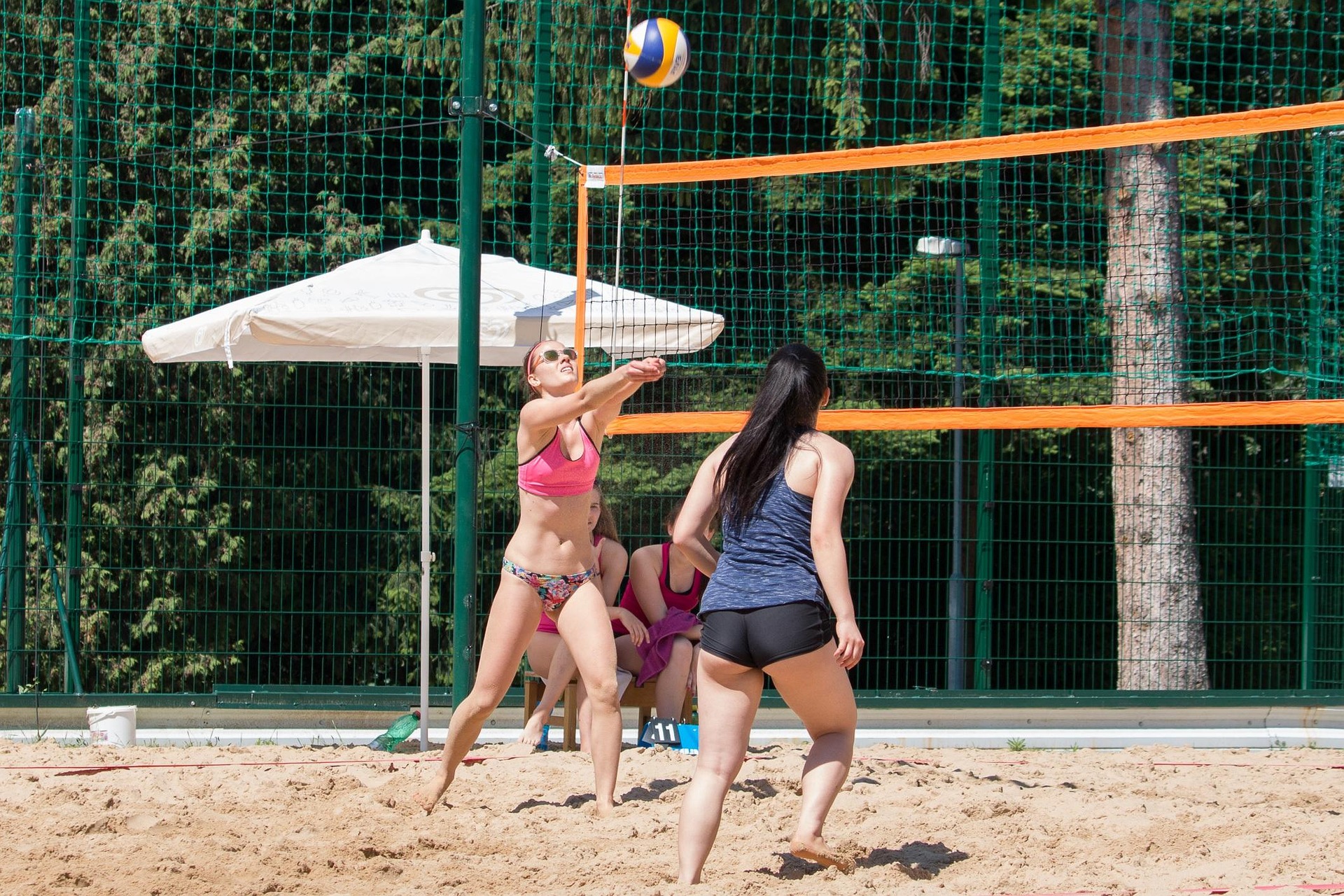
Volleyball is welcoming to newcomers in casual outdoor settings, yet evolves into a technical, high-speed discipline in competitive leagues. Beginners start by mastering core mechanics—underhand passing, soft setting, and overhand serving. As skill increases, players learn complex offensive sets, quick-tempo spikes, positional rotations, and defensive blocking schemes. Attending open gym sessions and local recreation clinics builds spatial timing and court vision quickly.
Match Runtime and Physical Expectations
Recreational games typically run 30 to 60 minutes based on set structures (such as best two-out-of-three to 25 points). Competitive league matches often run 1 to 1.5 hours, while open gym rotations or beach tournament days can span 2 to 3 hours of intermittent play.
Physical demands center on cardiovascular endurance, rapid lateral footwork, core balance, and explosive vertical jumping. Taking advantage of timeout breaks to rest, refuel with lightweight snacks, and rehydrate keeps your energy high across multiple sets.
Estimated Cost and Financial Breakdown
As emphasized across our volleyball performance prep guidelines, overall playing expenses depend on whether you participate in free public park games or organized adult leagues. Here is a typical cost breakdown:
- League & Court Access Fees: Public outdoor beach and park courts are generally free to use. Organized adult recreational league registration ranges from $30 to $100 per season.
- Balls and Equipment: A high-quality regulation ball costs $20 to $80.
- Footwear & Apparel: Specialty indoor court footwear ranges from $60 to $150, while moisture-wicking apparel costs $20 to $80.
- Protective & Comfort Items: Durable knee padding costs $15 to $50, broad-spectrum UV protection costs $8 to $25, and tournament energy snacks run $5 to $20.
Cultural Significance of Volleyball and Athletic Heritage
Volleyball was invented in 1895 by William G. Morgan in Holyoke, Massachusetts, as a less strenuous indoor alternative to basketball for YMCA members. The sport spread rapidly across North America and around the globe through international YMCA networks, eventually joining the Olympic Games in Tokyo in 1964.
Beach volleyball made its official Olympic debut in 1996, quickly becoming one of the most popular and televised events of the Summer Games.
Today, volleyball culture spans indoor club competitions, casual park gatherings, high-stakes beach circuits, and thriving youth development programs worldwide. The sport continues to unite millions of athletes through its emphasis on communication, sportsmanship, and shared athletic effort.
Prime Locations, Court Types, and Best Time To Visit
Finding the right playing environment ensures a fun, competitive experience tailored to your skill level.
Court Options: Indoor Gyms, Park Grass, and Beach Sand
Indoor wood-floor gymnasiums hosted by community centers, local high schools, and sports complexes offer year-round, climate-controlled match play. Outdoor public parks feature designated grass courts perfect for casual four-on-four games, while coastal sand courts host dynamic beach volleyball sessions under the sun.
Best Time To Visit Courts and Join Pickup Games
The best time to visit public outdoor courts and avoid long queues is during weekday mornings and early afternoons (Monday through Thursday). Weekend afternoons (Saturday and Sunday) offer high-energy pickup atmospheres, making it the ideal time to visit if you want to meet local players and join informal rotations.
Arriving 20 minutes before open gym hours or league start times is the best time to visit indoor facilities to claim a court, inflate your ball, put on protective padding, dynamic stretch, and set up your team rotation!
Related Sport Guides and Community Athletics
Looking for more adult recreational sport outlines, team fitness strategies, or local league breakdowns? Explore our curated sports directories across Kenyago to plan your next athletic outing!










 Welcome,
