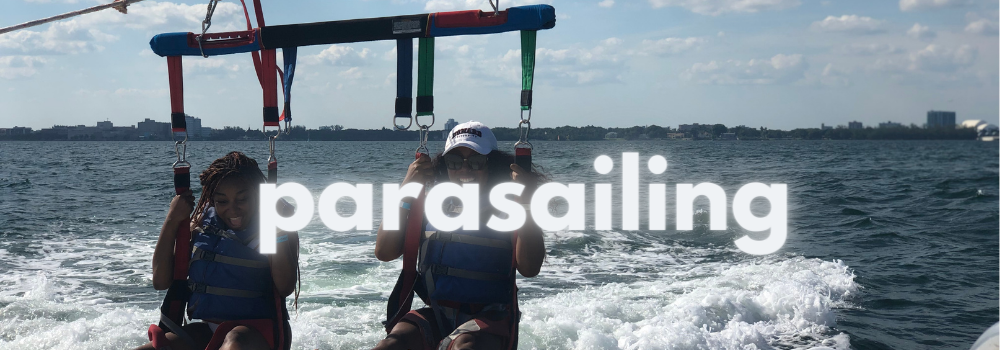

The Ultimate Guide to Parasailing: Preparation, Safety, Gear, and Logistics
Parasailing appeals to people who enjoy water sports, aerial views, and the unique thrill of soaring above the ocean while tethered to a boat. If you like the combination of flight and water, want panoramic views without piloting an aircraft, and find excitement in experiencing something outside everyday life, parasailing often feels exhilarating rather than frightening. It is especially appealing to people who appreciate adventure activities, enjoy beach vacations, and want bucket-list experiences that deliver lasting memories.
The purpose of parasailing is to experience the sensation of flight while being towed by a boat and suspended beneath a parachute-like sail. Participants lift off from a boat platform, soar hundreds of feet above the water, and land gently back on the boat. The activity offers breathtaking views, adrenaline, and a unique perspective on coastlines and ocean landscapes.
Key Benefits of Parasailing for Vacationers
Engaging in parasailing offers distinct physical, emotional, and visual advantages that make it a favorite staple at coastal resorts worldwide:
- Instant Aerial Flight: Provides a thrilling flight experience without requiring pilot training, technical skill, or prior aviation knowledge.
- Unmatched Coastal Perspectives: Delivers panoramic aerial views of coastlines, tropical reefs, marine wildlife, and vast ocean horizons from hundreds of feet in the air.
- Memorable Vacation Moments: Creates unforgettable vacation experiences and photo opportunities to share with friends and family.
- Effortless Participation: Requires no athletic ability or prior experience, making it accessible to a wide demographic.
- Inclusive Group Bonding: Offers an accessible adventure activity for individuals, couples flying tandem, and small groups sharing a flight session.
Is Parasailing Right for You?
While parasailing is designed to be gentle and accessible, this experience may not be enjoyable if you have an intense fear of heights, are highly uncomfortable over open water, or have underlying physical conditions that prevent safe harness attachment. However, because flight ascent and descent are gradual and controlled by hydraulic winches, even cautious travelers often find the sensation surprisingly smooth and relaxing once airborne.
Essential Gear, Apparel, and Prep Checklist for Parasailing
Having the right personal gear ensures you stay comfortable, sun-protected, and prepared during your boat ride and canopy flight:
Capturing your flight with a dedicated Waterproof Camera preserves the aerial views and the experience of soaring above the ocean without risking electronics. Keeping your eyewear secure with a retention strap on your Sunglasses with Strap prevents them from falling into the sea during high-altitude gusts.
Applying water-resistant Sunscreen protects your skin from intense sun exposure at altitude and on reflection-heavy water. Staying comfortable with a breathable Light Windbreaker protects against cool offshore winds while airborne. Wearing grippy Water Shoes protects your feet during boat boarding, ramp walking, and potential water landings.
Protecting your smartphone inside a heavy-duty Waterproof Phone Case allows you to snap high-altitude photos without risking water damage. Taking effective Motion Sickness Medication roughly 30 to 60 minutes before your flight prevents nausea caused by boat movement or airborne swaying.
Wearing a wide-brimmed Hat with Chin Strap keeps your head protected from intense UV rays without losing your hat to offshore breezes. Wearing a flexible Swimsuit prepares you for potential water contact during takeoff, dipping, or landing. Finally, drying off afterward with an absorbent Towel keeps you warm and dry before returning to shore.
How Parasailing Works: Hydraulic Winch Technology
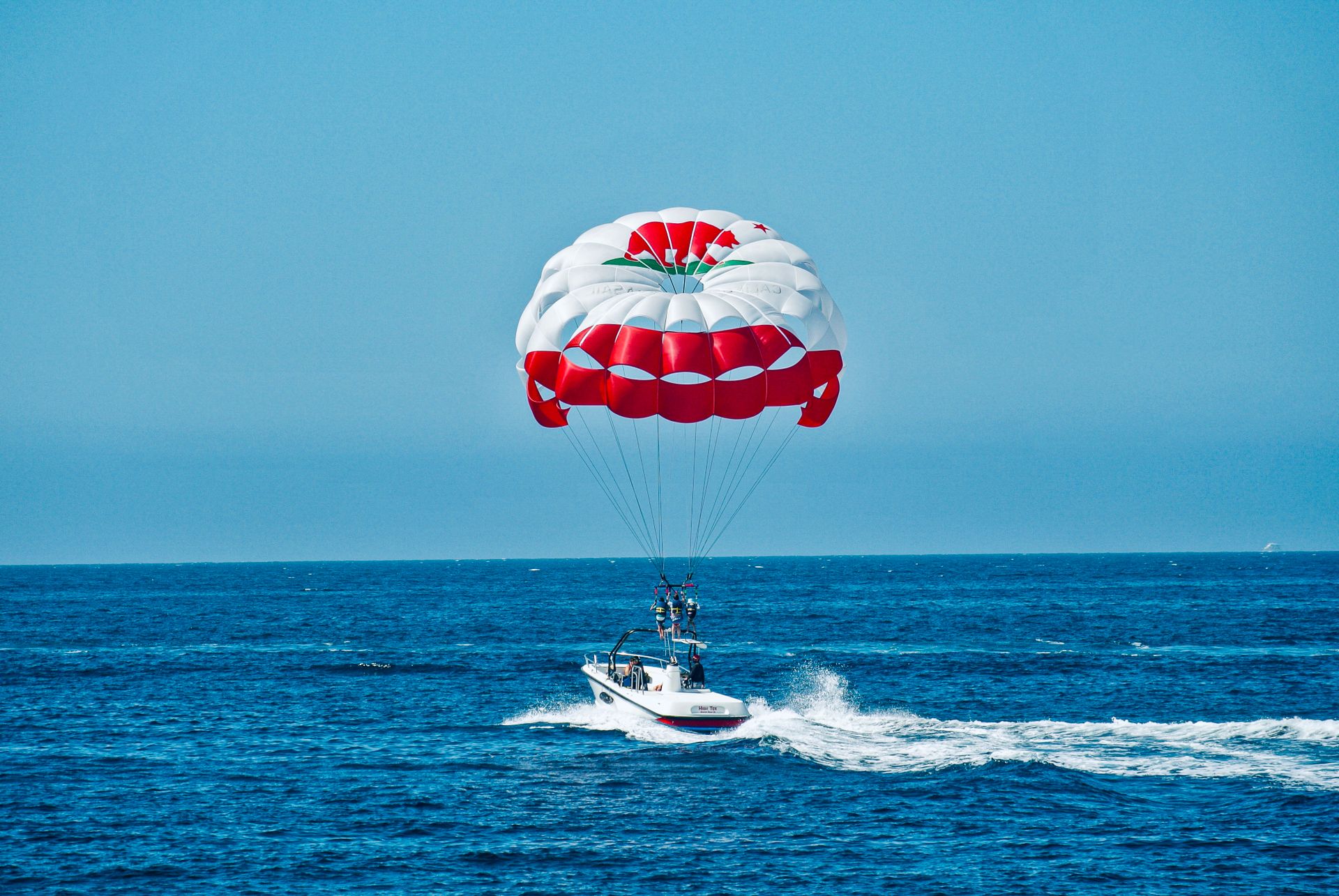
Modern commercial parasailing relies strictly on specialized winch-boat technology to maximize safety and passenger comfort. Years ago, beach-launched or shore-based parasailing posed landing hazards; today, certified operators utilize custom-built vessels equipped with high-capacity hydraulic winches and expansive launch platforms.
During your parasailing flight, you are seated comfortably in a double-stitched harness attached to a canopy chute. As the vessel speeds into the wind, the crew slowly releases the hydraulic winch line, allowing you to rise smoothly off the flight deck. You drift up to heights ranging from 300 to 500 feet above the water. Upon completion of the flight, the captain engages the hydraulic winch, smoothly reeling you back down directly onto the boat deck without requiring you to swim or land in choppy water.
Safety Rules, ASTM Standards, and Parasailing Guidelines
Safety while parasailing depends on proper operator certification, rigorous equipment checks, and adherence to weather guidelines:
- Follow Crew Directives: Listen carefully to the captain’s briefing regarding harness fitting, hand placements, and emergency signals.
- Adhere to ASTM F3099 Weather Standards: Industry guidelines (ASTM Standard F3099-23) require operators to suspend parasailing operations whenever sustained winds exceed 20 mph, wind gusts exceed 25 mph, or lightning/thunderstorms are reported within 7 miles.
- Verify Federal Airspace Rules: Under FAA 14 CFR Part 101, commercial operators must maintain ground visibility over 3 miles and remain below maximum altitude limits (typically under 500 feet above ground level).
- Wear Required Safety Gear: Always wear an approved Type III life jacket and ensure your Hat with Chin Strap and Sunglasses with Strap are tight before flight.
- Medical Disclosure: Inform the crew of any medical conditions, including back injuries, heart conditions, or pregnancy, prior to fitting harnesses.
- No Reckless Stunts: Do not attempt to swing, rock, or twist the harness assembly while airborne.
What Makes Parasailing Easier and More Enjoyable
A few proactive habits ensure your afternoon outing remains hassle-free and fun:
- Hands-Free Eyewear: Snuggling your glasses with a firm Sunglasses with Strap guarantees you won’t lose prescription lenses in open water.
- Protecting Electronics: Placing your smartphone into a buoyant Waterproof Phone Case gives you peace of mind when taking photos over deep ocean waters.
- Managing Wind Chill: Wearing a thin Light Windbreaker cuts through the cool ocean breeze at 400 feet aloft.
- Preventing Seasickness: Taking a quick dose of Motion Sickness Medication before stepping onto the shuttle vessel ensures stomach comfort throughout the trip.
- Foot Protection: Wearing durable Water Shoes protects soles against slick, hot boat decks.
Travel Logistics, Destination Hubs, and Booking Parasailing Excursions
Coastal vacation hubs—such as Key West, Maui, Cancun, Hawaii, Myrtle Beach, and the French Riviera—are world-famous parasailing destinations. Planning travel logistics early ensures you secure morning flight times when ocean breezes are calmest.
Booking Flight Passes and Coastal Tours
Reserving flight slots online early guarantees preferred departure times and avoids seasonal sell-outs. You can book a ticket here to secure entry for coastal water parks or special event passes. To organize guided parasailing flights, catamaran charters, or island tours, you can book a tour here or check activities here to compare verified operator reviews and inclusion packages.
Flight, Hotel, and Resort Accommodations
Streamlining transportation and coastal lodging makes your parasailing getaway stress-free:
- Flight Bookings & Itineraries: You can check flights here or compare itineraries here to sync flight arrivals with coastal resort check-ins.
- Beachfront Hotels: You can check accommodation here to locate beachfront hotels with direct marina access.
- Vacation Rentals: For families or groups seeking extra space, you can book a stay here to reserve an oceanfront condo or private villa.
Physical Requirements, Weight Limits, and Health Considerations in Parasailing
Understanding physical guidelines ensures a comfortable experience for all participants.
Physical Demands and Accessibility
Parasailing requires minimal physical exertion. Participants are fitted with padded harnesses by trained deckhands and lifted directly from a seated position. Landing requires simply standing up as the winch returns passengers to the launch deck. Passengers with physical disabilities or limited leg strength can easily participate, provided they can remain seated securely in a harness during flight.
Combined Weight Limits and Flights
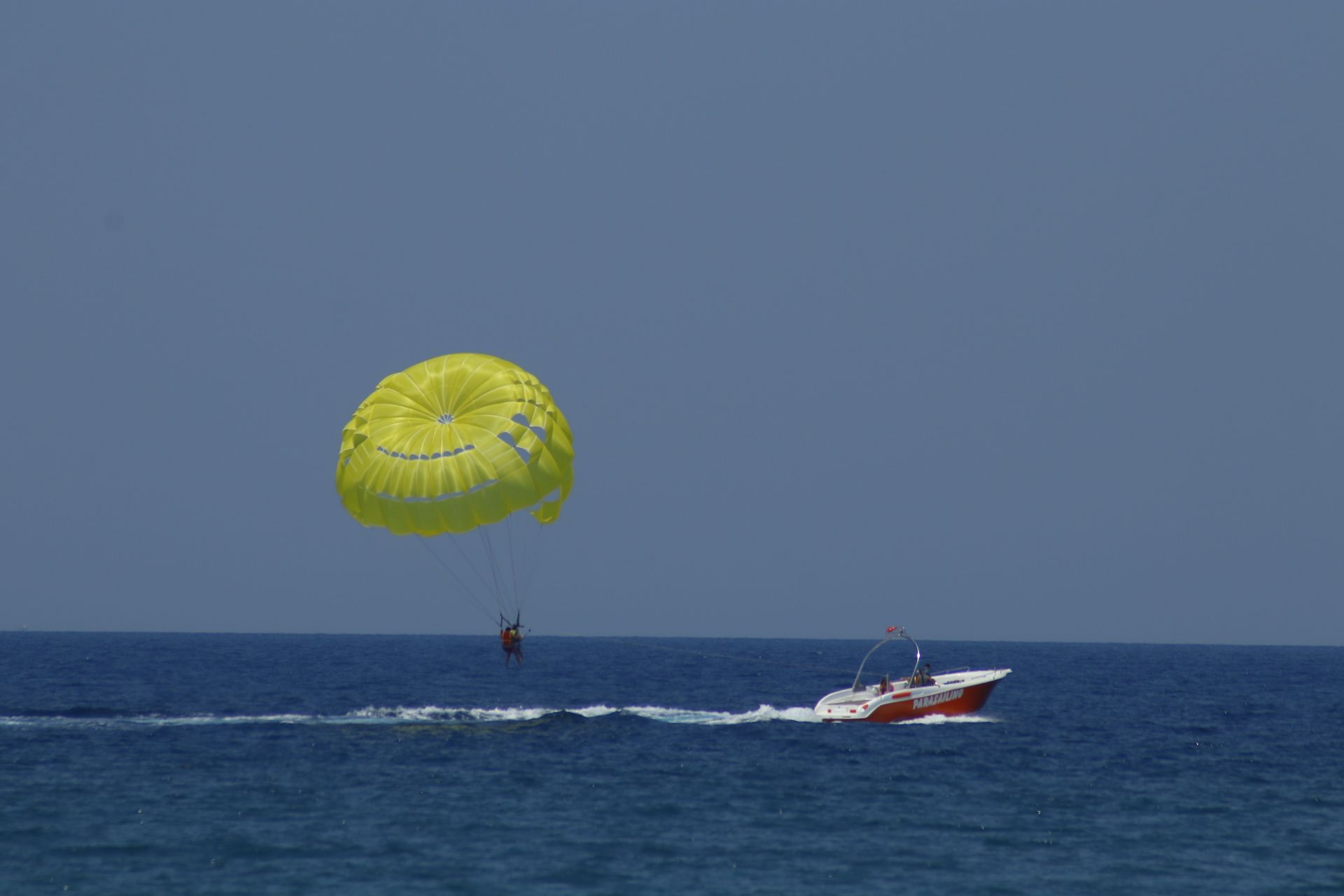
Weight limits in parasailing ensure safety and proper chute performance. Operators require a minimum combined weight (typically 160 to 180 lbs) and enforce maximum combined weight limits (typically 450 to 500 lbs). Tandem and triple harness rigs allow two or three family members to soar together side-by-side.
Total Experience Duration
While actual flight duration aloft ranges from 10 to 12 minutes, the total excursion—including boat safety briefings, harbor transport, and watching fellow passengers fly—typically lasts between 1 and 2 hours.
Cost and Budget Breakdown of Parasailing Excursions
Budgeting for a parasailing trip depends on flight duration, height, location, and photo packages:
Expense Category | Typical Cost Range | Overview & Details |
Standard Parasailing Flight | $80 – $160 per person | Includes 10–12 minute canopy flight, harness, vessel shuttle, and safety gear. |
Digital Photo / GoPro Package | $30 – $60 per session | High-definition digital photos or video footage taken by boat crew. |
Personal Protective Gear | $35 – $115 combined | Durable Water Shoes ($15–$50), Sunglasses with Strap ($15–$50), and Hat with Chin Strap ($15–$40). |
Apparel & Sun Protection | $40 – $110 combined | Comfortable Swimsuit, Light Windbreaker ($30–$80), and Sunscreen ($5–$15). |
Tech & Comfort Accessories | $130 – $480 combined | Includes Waterproof Camera ($100–$400), Waterproof Phone Case ($15–$40), Towel ($10–$30), and Motion Sickness Medication ($5–$15). |
Cultural Significance and Evolution of Commercial Parasailing
Parasailing first emerged as a recreational activity in the 1960s when modified parachutes were towed behind land vehicles and motorized boats. Pierre-Alain Dufour and Pierre-Marcel Lemoigne developed early modified chutes, but the industry was revolutionized in the late 1970s by Brian Gaskin, who invented the Waterbird parasail canopy and built the first hydraulic winch-boat platform.
Today, parasailing stands as a multi-million-dollar global water sports industry and a quintessential beach vacation experience. From tropical Caribbean islands to Mediterranean coastlines, parasailing offers millions of travelers an accessible way to experience the timeless human dream of flight over crystal-clear waters.
Related Travel & Watersports Guides
Looking for more thrilling ocean activities, beach packing checklists, or vacation itineraries? Explore our full library of lifestyle and travel guides on Kenyago to plan your next coastal getaway!










 Welcome,
