

The Ultimate Guide to Visiting the Zoo: Family Preparation, Gear, Costs, and Global Travel Logistics
Visiting the zoo appeals to people who love animals, enjoy educational experiences, and want a fun, engaging outdoor activity that the whole family can share together. If you appreciate the wonder of seeing exotic creatures up close, learning about global wildlife, and spending a full day exploring a natural environment, visiting the zoo delivers a kind of joy and curiosity that never gets old. It is especially appealing to families with children, animal lovers, and anyone seeking a day out that combines entertainment, education, and nature appreciation.
The core purpose of visiting the zoo is to observe, learn about, and connect with animals from every corner of the globe in a safe, well-managed environment dedicated to conservation, education, and species preservation. Modern zoological parks go far beyond displaying animals; they serve as active centers of conservation research, species preservation, and public education. The overall experience combines discovery, wonder, and a profound reminder of the incredible diversity of life sharing our planet.
Essential Benefits of Visiting the Zoo
Planning a day focused on visiting the zoo brings distinct physical, educational, and emotional benefits for visitors of every age:
- Educational Discovery: Connects visitors to real-world biology, ecology, and environmental science far beyond traditional classroom settings.
- Memorable Group Experience: Creates a fun, shared outdoor environment perfect for family outings, school field trips, and multi-generational gatherings.
- Global Wildlife Access: Offers rare opportunities to observe animal species from continents across the globe without international travel.
- Conservation Awareness: Fosters a direct connection to global wildlife preservation efforts, endangered species breeding programs, and habitat protection.
- Active Outdoor Exploration: Encourages full-day outdoor walking, physical activity, and healthy engagement in naturalistic parkland environments.
Is Visiting the Zoo Right for You?
While visiting the zoo provides an enriching escape, this outdoor activity might not suit every preference or physical need. Visitors who have strong ethical concerns regarding animals in human care, those who experience discomfort walking several miles on varying terrain, or individuals sensitive to long exposure under direct sunlight without shade should carefully consider their preparations. Selecting accredited institutions focused on wildlife welfare guarantees an uplifting, responsible experience for everyone involved.
Essential Gear, Apparel, and Packing Checklist
Equipping yourself with appropriate outdoor items ensures your day stays comfortable, safe, and energizing from the opening gates to the final exhibit:
Prior to arriving at the gates, applying dermatological Sunscreen protects your skin from sunburn during extended hours walking across open habitats. Carrying a durable Water Bottle guarantees effortless hydration throughout the afternoon without relying on single-use plastics. Wearing polarized Sunglasses prevents ocular glare in sunny plazas, while packing energizing Snacks keeps children and adults fully fueled between exhibit stops.
Documenting wildlife encounters is effortless when carrying a high-resolution Camera, ensuring crisp close-ups across expansive habitats. Equipping your family with a non-toxic Bug Repellent Bracelet keeps mosquitoes away while exploring lush aviaries or rainforest rotundas. Carrying a compact Portable Phone Charger powers mobile ticket apps and camera functions throughout a full-day visit.
When touring outdoor animal paddocks under direct sunlight, wearing a wide Hat with Brim provides head protection and keeps you cool. Although specialized equipment like a Helment is strictly designed for cycling transit to the park, storing all personal items inside an ergonomic Crossbody bag allows hands-free freedom for photos and family handling.
Strategic Planning: How to Structure Your Day for Maximum Animal Visibility
Maximizing your itinerary while visiting the zoo relies on understanding animal behavior patterns across different times of the day:
- Arrive Right at Opening: Animals are remarkably active during early morning hours when temperatures are cool and keepers disperse morning food rations.
- Prioritize Open-Air Mammals Early: Target large carnivores, elephants, and primates first, as many species sleep during peak mid-day heat.
- Utilize Indoor Exhibits During Midday: Transition to climate-controlled indoor habitats—such as reptile discovery centers, insectariums, or nocturnal houses—during hot afternoon hours.
- Coordinate Around Keeper Talks: Check daily schedules for live feeding demonstrations and trainer talks to gain deeper insights into animal care.
- Pace Your Walking Route: Map out a continuous circular loop to avoid backtracking across expansive park premises.
Safety Guidelines, Guest Rules, and Visitor Ethics
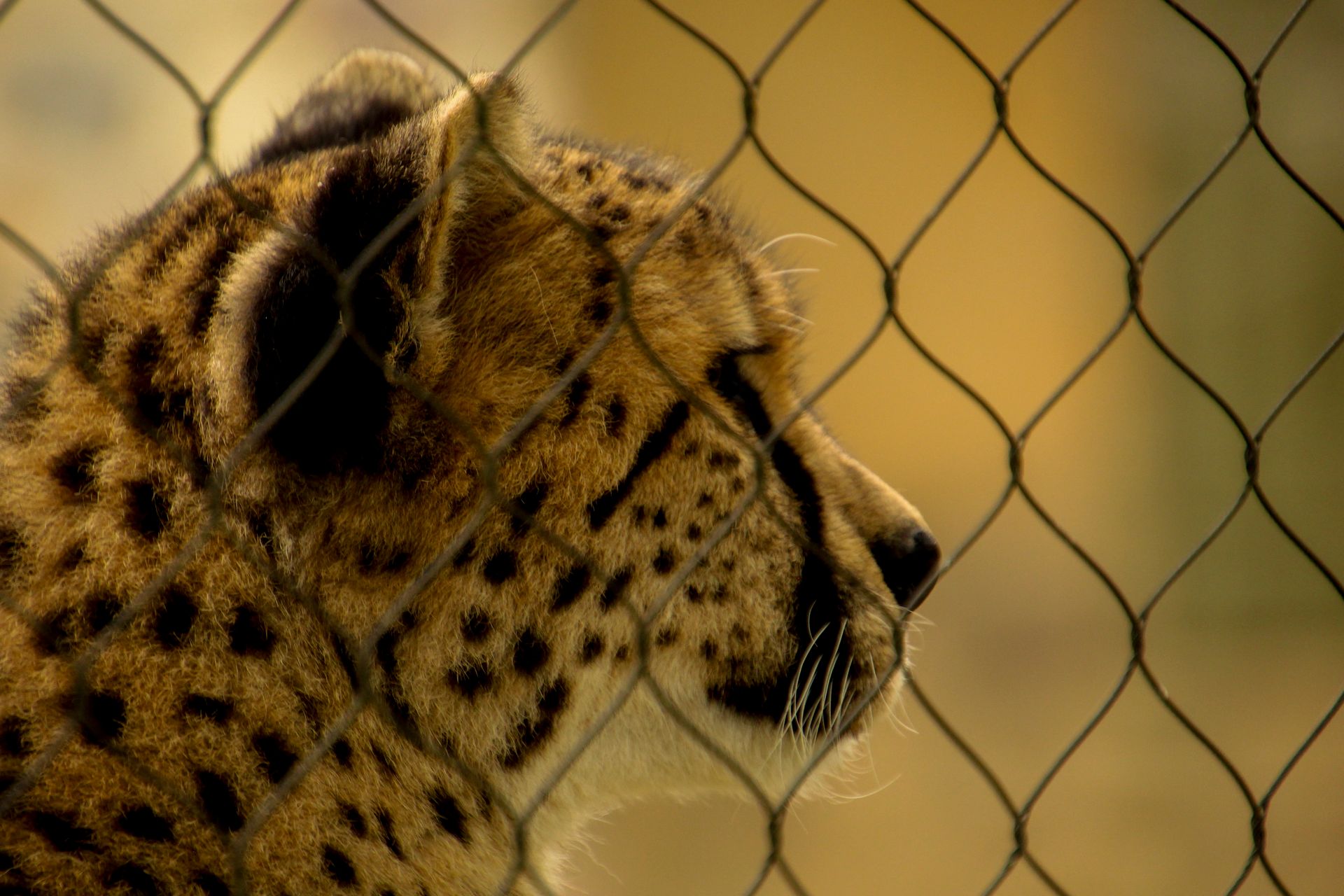
Staying safe and respectful while visiting the zoo ensures a secure atmosphere for both human guests and animal residents:
- Respect Habitat Barriers: Never climb safety fences, lean over guard rails, or reach into enclosures under any circumstances.
- Do Not Feed Animals: Refrain from throwing food or foreign objects into animal habitats; commercial human food causes severe digestive distress to exotic wildlife.
- Maintain Quiet Voices: Speak softly near glass viewports and sensitive habitats to minimize distress for resting or mothering animals.
- Supervise Children Closely: Hold hands near open water features, safari trams, and crowded viewing platforms to keep small children safe.
- Follow Designated Footpaths: Stay on paved walkways to protect natural flora, botanical collections, and delicate eco-exhibits.
Crucial Visitor Rule: If an item (such as a phone, hat, or toy) falls into an animal habitat, do not attempt to retrieve it yourself. Contact the nearest zoo staff member or security officer immediately for professional retrieval.
Physical Demands, Accessibility Options, and Route Timing
Participating in visiting the zoo requires moderate physical endurance, as major parks span considerable acreage:
Operational Parameter | Visitor Specification |
Standard Visit Duration | 3 to 6 Hours per Park |
Average Walking Distance | 2.5 to 5.0 Miles (4 to 8 km) |
Peak Visitor Hours | 10:30 AM to 2:30 PM |
Mobility Rentals | Wheelchairs, Strollers & ECVs |
Most major zoological reserves provide comprehensive accessibility services, including stroller rentals, motorized mobility scooters, and manual wheelchair rentals near main entrance plazas. Paved ramps and designated viewing platforms guarantee that guests of all mobility levels can enjoy exhibits comfortably.
Comprehensive Cost Breakdown for Visiting the Zoo
Planning your budget for visiting the zoo involves accounting for ticket admissions, gear, and park amenities:
Expense Category | Typical Price Range | Service & Item Details |
Adult Admission Ticket | $15 – $35 (Up to $78 for world-class facilities) | Standard single-day access to general exhibits and walking trails. |
Child Admission Ticket | $10 – $25 (Free for infants under 2–3 years) | General access ticket tailored for kids aged 3 to 11. |
Annual Family Membership | $120 – $250 total | Unlimited entry for families, often paying off after just two visits. |
On-Site Parking Fee | $10 – $30 per vehicle | Facility vehicle parking; frequently discounted or free for members. |
Outdoor Comfort Accessories | $10 – $40 combined | Essential accessories such as a wide-brimmed Hat with Brim or specialized Sunglasses. |
Travel Logistics, Accommodation, and Excursion Reservations
Integrating visiting the zoo into your vacation travel creates an unforgettable highlight for any itinerary. Iconic international facilities—such as the San Diego Zoo in California, the Singapore Zoo, or regional wildlife parks like the Nairobi Safari Walk in Kenya—draw millions of global travelers annually.
Reserving Guided Tours and Sightseeing Passes

To enhance your travel experience around your zoo trip, you can book a tour here or check activities here to arrange behind-the-scenes animal encounters, skip-the-line passes, and city sightseeing excursions. If your trip involves attending regional concerts, theatrical shows, or sporting events near the city center, you can book a ticket here to secure entry ahead of time.
Transportation and Lodging Options
Coordinating transit and accommodations ensures your vacation stays smooth and stress-free:
- Flight Reservations: You can check flights here or compare itineraries here to align arrival times with park operating schedules.
- Hotel Accommodations: You can check accommodation here to find family-friendly hotels located close to major botanical gardens and animal parks.
- Private Vacation Rentals: For extended family reunions or group travel, you can book a stay here to secure spacious homes featuring kitchen amenities for packing daily zoo lunches.
The History and Modern Evolution of Zoological Parks
The practice of observing exotic wildlife dates back thousands of years to ancient Egyptian menageries established around 3500 BCE, where royal rulers collected animals as symbols of wealth and international power. Throughout medieval Europe and Asia, royal collections remained private luxuries reserved exclusively for aristocrats.
The modern public concept emerged during the nineteenth century, catalyzed by the opening of institutions like the London Zoo in 1828, which shifted animal collection goals toward scientific investigation and public education. In the modern era, leading institutions operate as sophisticated global conservation engines. Today, visiting the zoo supports international breeding initiatives for endangered species, habitat restoration programs, and wildlife rescue operations worldwide.
Frequently Asked Questions About Visiting the Zoo
What is the best time of day for visiting the zoo?
Early morning right when the gates open is the best time. Animals are most active during cooler morning hours, crowds are lighter, and parking is easiest to secure.
Can I bring my own food and drinks when visiting the zoo?
Most public zoos permit guests to bring outside food, non-alcoholic beverages, and personal water bottles, which helps families manage daily expenses. Always check specific park rules regarding hard coolers or glass containers prior to arrival.
How long does a typical zoo visit take?
A standard visit takes between 3 and 6 hours. Expansive, world-renowned parks can easily fill an entire full day, whereas smaller regional facilities take about 2 to 3 hours to tour fully.
Explore More Travel and Wildlife Guides
Looking for more inspiring family travel ideas, nature itineraries, or packing checklists? Explore our complete library of outdoor lifestyle guides on Kenyago to plan your next unforgettable adventure!










 Welcome,
