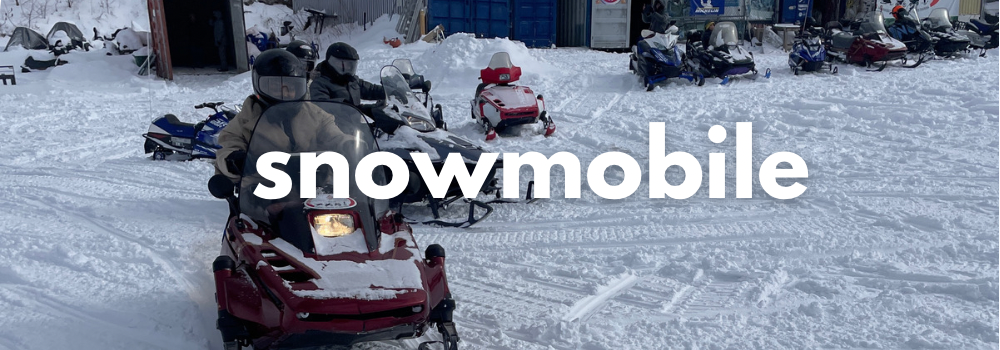

The Complete Guide to Snowmobiling: Essential Apparel, Trail Safety, and Top Destinations
Snowmobiling appeals to people who love winter, crave speed and adventure, and want to experience the ultimate thrill of powering through a snow-covered landscape on a machine built specifically for that purpose. If you enjoy the rush of an open throttle on a freshly groomed trail, the freedom of exploring remote backcountry wilderness that would be completely inaccessible on foot, and the unique exhilaration of a sport that combines mechanical power with breathtaking natural scenery, snowmobiling often becomes one of the most anticipated outdoor activities of the winter season. It is especially appealing to outdoor adventurers, winter sports enthusiasts, and anyone looking to experience the serene beauty of frozen landscapes in the most exciting way possible.
The core purpose of snowmobiling is to travel across snow-covered terrain on a motorized sled powered by a high-performance engine and steered using ergonomic handlebars paired with dynamic body-weight shifting. Whether you are cruising extensive groomed trail systems through dense alpine forests, carving deep powder in mountain backcountry, or participating in a guided excursion through remote valleys, snowmobiling delivers a level of personal freedom and outdoor excitement that very few winter activities can match. The sport seamlessly blends the adrenaline of motorsport with the raw beauty of winter wilderness into an unforgettable experience. To explore more thrilling outdoor adventures and active lifestyle guides, visit our Kenyago activities page.
Key Benefits of Winter Riding and Essential Trail Etiquette
Committing to regular snowmobiling trips provides a well-rounded combination of physical engagement, outdoor exploration, and social connection during the coldest months of the year:
- Access to Remote Winter Landscapes: Engaging in snowmobiling allows riders to venture deep into pristine mountain regions and forest trails that remain completely unreachable by conventional vehicles or foot travel during winter.
- Adrenaline and High-Energy Exploration: Operating a powerful sled delivers an exhilarating motorsport experience that sharpens reflex reaction times and spatial awareness during snowmobiling.
- Social and Group Connection: Sharing trail rides, lodge breaks, and multi-day backcountry tours makes snowmobiling a premier social activity for groups, couples, and winter family getaways.
- Mental Renewal in Nature: Immersing yourself in quiet, snow-draped wilderness environments provides a profound mental reset from daily stress through active outdoor exposure during snowmobiling.
- Welcoming Adventure Community: Joining local riding clubs connects you with a passionate network of trail volunteers, mechanics, and winter enthusiasts who support the sport of snowmobiling.
While snowmobiling offers unmatched excitement, the activity may not be suitable for individuals who feel uncomfortable operating motorized machinery, experience severe sensitivity to sub-zero temperatures even when fully outfitted in protective gear, or dislike the active physical strain required to maneuver heavy equipment across uneven terrain.
Essential Protective Apparel and Gear Checklist
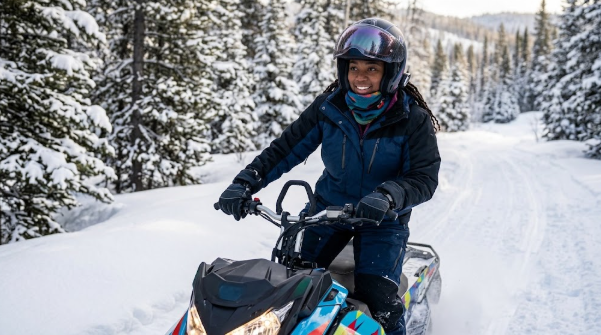
Equipping yourself with specialized cold-weather apparel, safety helmets, and thermal layering systems ensures maximum warmth, wind protection, and physical safety on every ride.
Essential Gear Item | Primary Function and Winter Performance Utility |
DOT-Certified Full-Face Helmet | Wearing a properly fitted Helmet with a heated shield protects against head impacts, extreme wind chill, and flying ice debris during snowmobiling. |
Insulated Waterproof Riding Boots | Wearing heavy-duty Boots with thick rubber outsoles keeps your feet dry, warm, and secure on snowmobile running boards during snowmobiling. |
Windproof Technical Shell Jacket | Outfitting yourself in an insulated Jacket guards your core against freezing air temperatures elevated by high-speed snowmobiling. |
Waterproof Bibs and Snow Pants | Wearing durable, reinforced Snow Pants keeps your lower body completely dry when carving through deep powder during snowmobiling. |
Moisture-Wicking Thermal Base Layer | Starting with a high-performance synthetic or merino wool Base Layer pulls sweat away from skin to preserve thermal efficiency during snowmobiling. |
Thermal Waterproof Riding Gloves | Wearing pre-curved, insulated Gloves maintains positive handlebar grip while protecting hands from frostbite during long stints of snowmobiling. |
High-Cushion Wool Thermal Socks | Wearing thick, moisture-regulating Socks inside insulated boots provides critical toe insulation and foot cushioning throughout day-long snowmobiling. |
Properly layering synthetic materials—avoiding cotton entirely—prevents perspiration buildup from chilling your body when transitioning between active riding and resting at trail stops.
Comparing Riding Environments: Groomed Trails vs. Backcountry Powder
Selecting the appropriate terrain layout ensures beginner safety while offering advanced riders an exhilarating mechanical challenge:
Feature Category | Groomed Trail Systems | Deep Powder Backcountry |
Terrain Smoothness & Speed | Smooth, packed snow paths maintained by grooming tractors, ideal for predictable cruising during snowmobiling. | Unmaintained, deep natural powder featuring variable snow drifts, hidden rocks, and tree wells. |
Required Skill & Experience | Accessible to beginners following a basic orientation and safety briefing for snowmobiling. | Requires advanced throttle control, active counter-steering, and avalanche safety knowledge. |
Sled Specification Requirements | Short-track trail sleds optimized for quick cornering grip and comfortable suspension travel. | Long-track mountain sleds with deep lug patterns designed for floatation in deep snow during snowmobiling. |
Physical Effort & Body Work | Low to moderate physical exertion; primarily requires seated steering and occasional shifting. | High physical demand requiring constant standing, sidehilling, aggressive weight leaning, and sled digging. |
Step-by-Step Sequence for a Safe Trail Session
Following a standardized pre-ride routine guarantees mechanical reliability and keeps trail groups organized:
- Perform a Pre-Ride Mechanical Inspection: Check fuel levels, oil reservoirs, ski alignment, track tension, and headlight functionality before starting your snowmobiling trip.
- Suit Up in Complete Layered Outerwear: Don your thermal base layers, bibs, riding jacket, boots, gloves, and helmet prior to mounting the machine for snowmobiling.
- Review Emergency Communication Protocols: Ensure satellite communicators, avalanche beacons (for backcountry), and trail maps are active before embarking on snowmobiling.
- Execute Warm-up and Throttle Checks: Start the engine, allow it to reach operating temperature, and verify smooth throttle response and engine kill-switch operation.
- Maintain Proper Hand Signals on Trails: Use standardized hand gestures to signal oncoming riders about the number of sleds remaining in your group during snowmobiling.
- Ride Within Your Skill Limits: Keep comfortable follow distances, maintain controlled cornering speeds, and stay strictly on your side of the trail during snowmobiling.
- Post-Ride Machine Maintenance: Wipe down excess snow accumulation from air intakes, inspect the track for ice build-up, and store the machine under a protective cover.
Safety Guidelines, Physical Demands, and Risk Mitigation
Operating a powerful motorized vehicle across frozen, remote terrain demands constant situational awareness and strict adherence to safety protocols:
- Universal Helmet Usage: Wear a safety-certified helmet with an anti-fog dual lens or electric shield on every ride without exception during snowmobiling.
- Buddy System and Route Disclosure: Never ride alone in remote areas; always travel with a partner and leave a detailed itinerary with someone off the trail.
- Speed Management and Trail Rules: Observe posted speed limits, yield to trail groomers, and slow down around blind corners and bridge crossings during snowmobiling.
- Zero Substance Tolerance: Operating any winter motor vehicle under the influence of alcohol or controlled substances is extremely hazardous and illegal.
- Ice Safety Awareness: Avoid crossing frozen lakes or rivers unless local authorities have officially measured and verified ice thickness for snowmobiling.
- Avalanche Preparedness: Carry an avalanche beacon, probe, and shovel when entering mountain backcountry, and check daily avalanche forecast bulletins.
Financial Budgeting and Cost Overview
Understanding the rental, gear, and tour expenses associated with winter riding helps you budget your seasonal adventures effectively:
Category | Estimated Cost Range (USD) | Smart Cost Management Strategy |
Daily Sled Rental (Trail/Mountain) | $150 – $350 per day | Rent multi-day packages during mid-week timeframes to secure lower daily rates for snowmobiling. |
Guided Half-Day / Full-Day Tour | $100 – $300 per person | Join group guided tours that bundle sled rental, fuel, gear, and professional trail guides into one fee. |
Personal Riding Gear (Helmet to Boots) | $450 – $1,300 complete set | Purchase high-grade technical outerwear during end-of-season sales to prepare for upcoming snowmobiling. |
Trail Permits & Registration Fees | $30 – $120 annually | Purchase early-bird state or provincial trail passes before seasonal deadlines to save on trail access. |
Standard guided tours or rentals typically run between 2 and 4 hours, which provides an ideal time window for beginners to master throttle control without experiencing physical exhaustion. Full-day trips covering 50 to 100 miles of scenic trails are popular among experienced riders.
Physical Fitness Requirements and Ergonomics
While the engine powers the vehicle, controlling a sled still requires functional physical conditioning:
- Upper-Body and Grip Endurance: Steering through packed trail turns demands steady forearm, shoulder, and back engagement throughout a day of snowmobiling.
- Core Stability and Weight Shifting: Leaning your torso into turns stabilizes the machine, preventing outer ski lift during high-speed snowmobiling.
- Lower-Body Flexibility: Standing up over rough trail bumps uses your legs as natural shock absorbers, protecting your lower back from harsh impacts.
Premier Global Destinations for Winter Riding
The international map of snowmobiling features iconic destinations celebrated for deep powder, extensive groomed trail networks, and breathtaking alpine scenery:
- West Yellowstone (Montana, USA): Known as the “Snowmobiling Capital of the World,” offering access to hundreds of miles of groomed trails surrounding Yellowstone National Park.
- Val-d’Or & Laurentians (Quebec, Canada): The historic birthplace of the sport, boasting an interconnected network of over 20,000 miles of world-class groomed trails.
- Rovaniemi & Lapland (Finland): Offers extraordinary Arctic circle tours through frozen forests under the Northern Lights, combining cultural tours with high-latitude snowmobiling.
- Revelstoke (British Columbia, Canada): Premier mountain destination famous for deep alpine powder bowls, steep terrain, and world-renowned backcountry guided riding.
Booking Tour Packages, Lodging, and Winter Travel Logistics
Planning an extended winter getaway around top snowmobiling hubs requires coordinating transit, lodging, and guided excursions. You can book a ticket here to secure pass access for regional winter festivals, motorsports expos, or alpine recreational parks. To arrange guided backcountry excursions, snow-coach tours, or safety instruction clinics, you can book a tour here or check activities here to enrich your travel itinerary.
When organizing travel arrangements to major winter destinations:
- Flight Bookings: You can check flights here or compare itineraries here to secure optimal connections into regional mountain airports.
- Hotel and Lodge Reservations: You can check accommodation here to find alpine lodges, winter resorts, and ski-in/ski-out hotels located directly along trail corridors.
- Vacation Cabin Rentals: When traveling with riding clubs or families carrying heavy winter gear, you can book a stay here to reserve private timber cabins equipped with heated garages and gear-drying facilities.
History, Heritage, and Evolution of the Snowmobile
The foundation of modern snowmobiling was laid in 1935 when Canadian inventor Joseph-Armand Bombardier patented the sprocket-wheel and track drive system in Valcourt, Quebec. Originally developed as a vital transportation solution for remote, snowbound northern communities where roads remained unplowed all winter, Bombardier’s early multi-passenger enclosed sleds transformed rural healthcare delivery, mail transport, and winter logging operations across Canada, Alaska, and Scandinavia.
In 1959, Bombardier introduced the smaller, personal open-cockpit “Ski-Doo,” launching the modern recreational era of snowmobiling. Over subsequent decades, advancements in independent front suspension, lightweight aluminum and carbon-fiber chassis construction, liquid-cooled engines, and heated hand grips turned a utility vehicle into a global recreational phenomenon. Today, millions of winter sports enthusiasts gather annually across North America and Europe to celebrate the freedom of winter exploration through snowmobiling.
Frequently Asked Questions (FAQs)
Do I need a driver’s license to operate a snowmobile?
In most jurisdictions, operators driving on public trails or crossing public roads must possess a valid driver’s license or complete an approved safety certification course.
What should I do if my snowmobile gets stuck in deep powder?
First, turn off the ignition. Clear snow away from the front skis and track, pack down a solid snow path directly ahead of the skis, and gently apply the throttle while a partner helps lift the rear bumper.
How cold is too cold for snowmobiling?
Riding in temperatures below -20 degrees to -29 degrees requires extreme caution, as high riding speeds dramatically increase wind chill, elevating the risk of frostbite on exposed skin within minutes.
Start Your Engine and Hit the Snow
Whether your dream is cruising pristine groomed trails through frozen pine forests, mastering deep powder maneuvers in alpine bowls, or taking a multi-day lodge-to-lodge tour under the Northern Lights, snowmobiling offers an unforgettable mix of speed, scenery, and winter freedom. Gear up with proper thermal layers, double-check your safety equipment, and take to the snow-covered trails today!



 Welcome,
