

Museum Tips, Gear, Step-by-Step Visits, and Top Spots
Visiting a museum is one of the most enriching cultural experiences you can enjoy, whether you are exploring local history or traveling across the world. A well-planned visit allows you to immerse yourself in art, science, natural history, and preservation. Stepping into a historic hall provides an opportunity to reflect on creative human achievements, explore complex ideas, and discover historical artifacts up close.
To make the most of your day, taking time to prepare your itinerary, wear comfortable attire, and follow proper etiquette ensures a smooth journey. If you enjoy diverse cultural leisure activities, you might also like enjoying a captivating theatre show or taking time out to read a book in a serene park.
Essential Gear and Accessories Checklist for Your Visit
Proper preparation guarantees that your day at any major cultural institution remains comfortable and stress-free. Facilities often enforce strict bag size limits and coat check policies, so packing light is critical. Having the right personal accessories helps you focus on the exhibits without unnecessary physical distractions during long walking tours.
| Gear / Item | Purpose & Recommendation | Link |
| Tote | Compact, lightweight bag compliant with strict security policies. | Get Amazon Accessories |
| Cardigan | Layered clothing item for cool, climate-controlled gallery rooms. | Get Amazon Accessories |
| Camera | Compact non-professional digital camera for non-flash photography. | Get Amazon Accessories |
| Snacks | Sealed personal snacks for designated dining zones and cafes. | Get Amazon Accessories |
| Cash | Physical currency for lockers, donation boxes, or parking fees. | Get Amazon Accessories |
| Water Bottle | Reusable, leak-proof hydration vessel kept inside your tote. | Get Amazon Accessories |
| Portable Charger | Compact power bank to keep your smartphone charged for digital maps. | Get Amazon Accessories |
| Comfortable Walking Shoes | Supportive footwear to handle several hours of walking on hard floors. | Get Amazon Accessories |
Key Visitor Guidelines and Gallery Etiquette
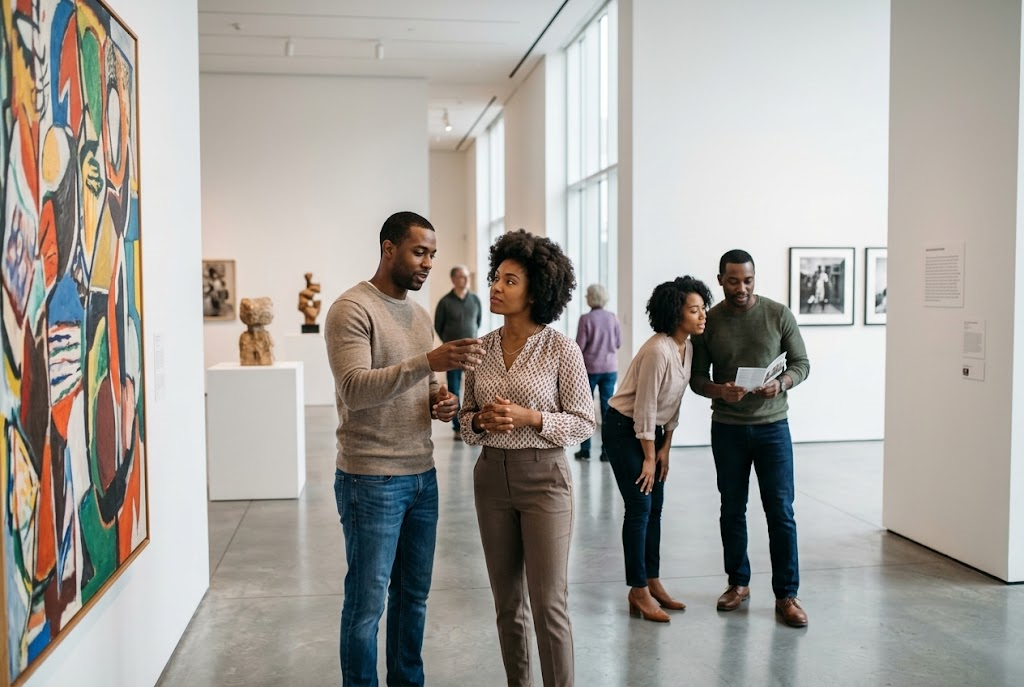
Maintaining proper behavior while inside a museum protects sensitive artifacts and ensures every visitor enjoys a quiet, thoughtful environment. Security guards monitor galleries closely to enforce rules regarding distance, flash photography, and general crowd movement.
- Observe the Stanchions: Stay behind marked ropes, floor lines, or glass protective barriers at all times.
- Turn Off Flash Photography: Flash light degrades delicate oil paintings, ancient textiles, and paper manuscripts over time.
- Maintain Quiet Conversation: Keep phone conversations in lobby areas and speak softly inside quiet display rooms.
- Store Large Backpacks: Check oversized bags, umbrellas, and large luggage at the coat check desk upon entry.
Respecting these guidelines creates an optimal environment for everyone. When you finish exploring galleries, you can unwind with friends by booking a nearby mixology class or attending an outdoor live poetry reading session.
Step-by-Step Guide to Planning an Educational Visit
Maximizing your time inside a sprawling exhibit hall requires a methodical approach. Following a step-by-step framework prevents fatigue and keeps your journey engaging from start to finish.
- Step 1: Reserve Your Tickets OnlinePurchase timed-entry admission passes through the official facility portal prior to your visit date. Reserving ahead guarantees entry during peak weekend hours and helps you skip long ticket lines.
- Step 2: Check Bag Restrictions and Coat Check RulesReview the security policy on the facility website before leaving home. Ensure your tote or small bag fits within the permitted dimensions to avoid mandatory bag storage fees.
- Step 3: Download Interactive Maps and Audio GuidesLoad the official mobile application or digital floor plan onto your smartphone before arriving. Download self-guided audio tours and companion media while connected to home wireless networks.
- Step 4: Arrive Early and Complete Security ScreeningPlan your arrival fifteen minutes before your timed window. Pass through metal detectors and security bag checks smoothly by having your personal belongings prepared for inspection.
- Step 5: Prioritize Key Special ExhibitionsHead directly to high-demand temporary feature galleries first while your energy levels remain highest. Navigating popular wings early allows you to view iconic masterpieces with smaller crowds.
- Step 6: Take Scheduled Rest Breaks in Lounge AreasPace yourself by taking short resting breaks every hour in courtyard seating areas. Staying hydrated and sitting down periodically prevents physical fatigue during extended multi-story tours.
Understanding Museum Classifications and Exhibition Layouts

Cultural institutions organize their collections using specialized curatorial systems. Understanding how spaces are divided helps you navigate vast display wings efficiently.
- Art Institutions: Focus on fine arts, sculpture, photography, and modern design, organized chronologically or by geographic region.
- Natural History Facilities: Display prehistoric fossils, mineral specimens, taxidermy, and biodiversity interactive exhibits.
- Science and Industry Centers: Feature hands-on technological demonstrations, space exploration gear, and engineering models.
- Specialized Historical Sites: Dedicated to specific events, maritime history, military aviation, or local community culture.
Iconic Destinations Across Major U.S. Cities
Every major city features world-class cultural centers housing rare historical collections. Planning travel to these cultural hubs allows you to experience iconic artifacts firsthand.
If you are traveling to explore renowned cultural landmarks across top destination cities, you can conveniently book a ticket here or check accommodation here to manage your travel logistics easily.
| Destination City | Prominent Cultural Venues | Nearby Cultural Activities |
| New York City, NY | The Metropolitan Museum of Art, American Museum of Natural History | Visit a nearby contemporary art exhibit. |
| Washington, D.C. | Smithsonian National Air and Space Museum, National Gallery of Art | Walk along historic plazas or attend a local concert. |
| Chicago, IL | Art Institute of Chicago, Field Museum | Enjoy an evening performance at a historic theater downtown. |
| Los Angeles, CA | The Getty Center, Los Angeles County Museum of Art | Relax along scenic coastal spots after gallery tours. |
| Boston, MA | Museum of Fine Arts Boston, Isabella Stewart Gardner Museum | Explore historic neighborhood walking trails nearby. |
Frequently Asked Questions
How long should I spend inside a major facility?
Most visitors spend between two to four hours exploring galleries. Pacing your tour prevents physical fatigue and visual burnout.
Are photography restrictions strictly enforced?
Yes, most institutions allow standard non-flash photography for personal use but prohibit tripods, selfie sticks, and flash equipment.
Can I bring personal food into display galleries?
No, food and drinks are strictly forbidden inside exhibition areas to protect collections, though most facilities offer on-site cafes.
Plan Your Next Exploration Today
Visiting a world-class facility offers endless inspiration, education, and discovery. By choosing proper gear, following gallery rules, and pacing your walk, you can enjoy a memorable journey through human creativity and science.
For detailed guides on lifestyle activities, regional travel, and recreation, visit our main Kenyago activities directory to start planning your next outing.











 Welcome,
