
The Complete Guide to Lake Tubing: Gear Setup, Safety Guidelines, and Scenic Spots
Lake tubing appeals to people who enjoy water recreation, lazy summer days, and the simple pleasure of floating on calm waters. If you like the feeling of sun on your skin, drifting across a lake with friends, and cooling off in refreshing water, lake tubing often feels relaxing rather than effortful.
It is especially appealing to people who appreciate low-key outdoor activities, want to enjoy lakes without strenuous swimming, and value social experiences centered around water and sunshine. The core purpose of lake tubing is to enjoy relaxed floating on a lake using an inflatable tube while soaking up sun and spending time with friends and family.
Participants drift, splash, and lounge on the water without the exertion of swimming or paddling. The activity offers pure leisure, refreshment, and the simple joy of being on the open water. Whether tied to a dock or drifting along a sheltered cove, lake tubing transforms a hot afternoon into a memorable summer getaway. To discover more aquatic outings, family travel guides, and weekend recreation ideas, visit our Kenyago activities page.
Water Recreation and Mindful Leisure Benefits
Choosing lake tubing as your primary warm-weather activity offers widespread physical, mental, and social benefits:
- Effortless Water Relaxation: Lake tubing provides a relaxing and low-effort water activity that lets you unwind completely.
- Beating the Summer Heat: Lake tubing offers a refreshing way to cool off during hot weather without constant physical strain.
- Social Connection on the Water: Lake tubing creates social bonding time with friends and family while floating together.
- Minimal Skill Requirement: Lake tubing requires minimal athletic ability or technical skill, making it accessible to virtually everyone.
- Universal Outdoor Access: Lake tubing delivers simple outdoor enjoyment that appeals to individuals of all ages and fitness levels.
While lake tubing provides a soothing getaway for most people, the experience may not be enjoyable if you feel deeply uncomfortable in open water, strongly dislike sun exposure, or prefer fast-paced, highly active water sports.
Essential Floating Gear and Water Accessories Checklist
Equipping yourself with durable inflatables, personal flotation devices, and protective dry storage ensures your water day remains safe, dry, and stress-free.
Essential Gear & Accessory | Primary Function and Water Performance Utility |
Protected Electronic Pouch | Encasing devices in a Universal Waterproof Phone Case keeps your phone safe while taking photos during lake tubing. |
Marine Audio System | Playing music on a floatable Waterproof Bluetooth Speaker enhances the atmosphere during lake tubing. |
Roll-Top Waterproof Sack | Stashing keys and dry gear in a Waterproof Dry Bag keeps valuables safe from splashes while lake tubing. |
Hydration & Snack Pack | Packing refreshing Snacks and Drinks maintains energy levels throughout long floating sessions when lake tubing. |
Heavy-Duty Vinyl Lounger | Floating comfortably on a sturdy Inflatable Tube provides the primary foundation for your session of lake tubing. |
Protective Tread Footwear | Wearing flexible Water Shoes guards feet against sharp rocks, shells, and slippery boat ramps when lake tubing. |
UV-Filtering Eyewear | Wearing polarized Sunglasses cuts intense water glare and protects eyes from direct sun exposure while lake tubing. |
Coast Guard PFD Vest | Wearing a snug Life Jacket ensures total water safety for weak swimmers during lake tubing. |
Broad-Spectrum Sun Lotion | Applying water-resistant Sunscreen shields skin from severe sunburn caused by UV rays while lake tubing. |
Shade Brim Headwear | Wearing a wide-brimmed Hat reduces direct scalp heat and keeps face shaded while lake tubing. |
Adding a heavy-duty tether rope or carabiner clip lets you tie multiple floats together so your group drifts comfortably without separating.
Floating Setup Comparison: Casual Drifting vs. Motorized Boat Towing
Choosing how to structure your outing when lake tubing depends on whether you seek passive relaxation or thrilling speed:
Outing Element | Relaxed Passive Drifting & Cove Floating | High-Speed Motorized Boat Towing |
Primary Vessel Type | Uses heavy-gauge canvas or heavy PVC open-bottom river tubes with built-in backrests for lake tubing. | Uses specialized, multi-rider towable tubes featuring reinforced nylon covers and heavy-duty tow points. |
Water Area Requirements | Conducted in calm, designated swimming coves, shallow shorelines, or non-motorized lake areas during lake tubing. | Requires open, deep water channels free from swimmers, docks, sandbars, and shallow underwater hazards. |
Physical Effort & Dynamics | Minimal physical strain; riders lay back, soak up sun, and gently paddle with hands or feet during lake tubing. | High physical engagement; riders grip reinforced handles tightly to maintain balance against wakes and sharp turns. |
Mandatory Safety Gear | Requires standard personal flotation devices, sun lotion, hydration, and water shoes for shore entry. | Demands US Coast Guard-approved impact vests, an attentive boat spotter, and clear hand signaling rules. |
Step-by-Step Guide to Planning an Ideal Lake Float
Following a clear preparation sequence ensures your float trip stays fun, organized, and free from equipment issues:
- Check Weather and Water Conditions: Inspect local lake forecasts for wind speeds and lightning risks before heading out for lake tubing.
- Inflate and Inspect Loungers: Use an electric air pump to inflate your tube fully, checking seams and valves prior to lake tubing.
- Pack Essential Supplies in Dry Storage: Place your phone inside a universal waterproof phone case and pack towel gear in a waterproof dry bag before lake tubing.
- Apply Sun Protection Early: Put on your sunscreen, sunglasses, and hat 20 minutes before stepping into the water for lake tubing.
- Secure Life Jackets and Water Shoes: Fasten your life jacket securely and step into protective water shoes before entering the lake for lake tubing.
- Tether Group Floats Together: Use soft nylon ropes to link tubes together, ensuring your group stays united while lake tubing.
- Monitor Wind and Drifting Lines: Keep track of your distance from shore and avoid motorized boat lanes while lake tubing.
Safety Guidelines, Water Rules, and Environmental Etiquette
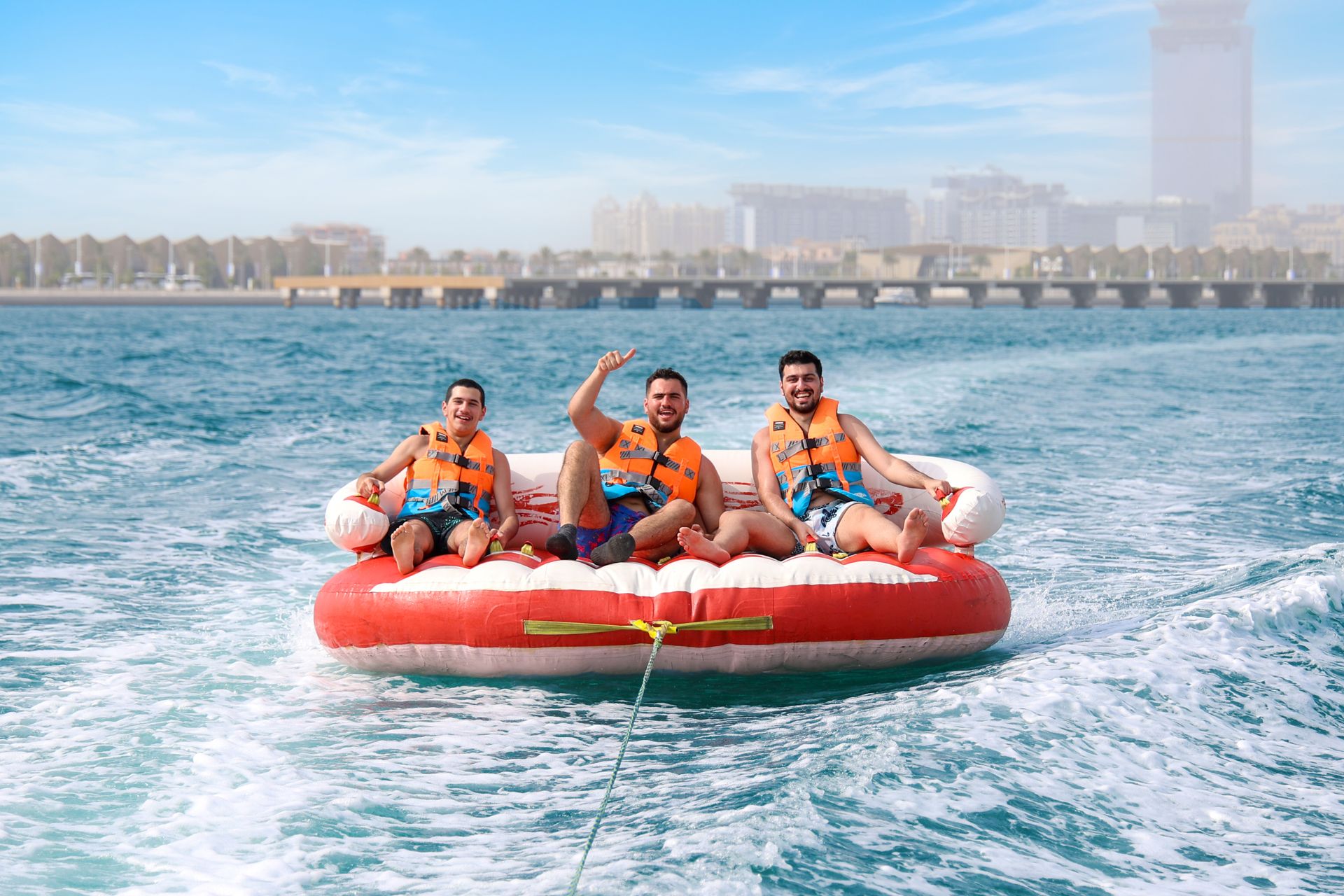
While lake tubing is a low-risk activity, paying attention to water safety prevents accidents and keeps ecosystems clean:
- Always Wear Your Life Jacket: Wear a approved personal flotation device at all times while lake tubing, especially in deep water.
- Reapply Sun Screen Frequently: Reapply water-resistant sunscreen every two hours to protect your skin from intense lake reflection during lake tubing.
- Maintain Continuous Hydration: Sip clean water from your supply of snacks and drinks to prevent heat exhaustion while lake tubing.
- Steer Clear of Boat Traffic: Stay within buoyed swimming zones and keep clear of busy boat ramps or marina channels during lake tubing.
- Attach Valuables Securely: Clip your waterproof dry bag and waterproof bluetooth speaker directly to your tube handles so items do not sink.
- Monitor Rapid Weather Shifts: Watch for dark clouds or sudden wind changes; return to shore immediately if thunder sounds while lake tubing.
- Supervise Young Swimmers Closely: Maintain active visual contact with children on floats, ensuring their life jacket fits correctly during lake tubing.
- Practice Pack-It-In Pack-It-Out: Never toss bottle caps or wrappers into the lake; gather all trash before leaving your shore site after lake tubing.
Financial Budgeting, Equipment Costs, and Park Expenses
Planning expenses for lake tubing can fit any budget, ranging from simple personal lounger purchases to full beach park outings:
Expense Category | Price Range (USD) | Smart Expense Optimization Strategy |
Inflatable Tube Vessel | $20 – $100 per tube | Select heavy-gauge PVC tubes with mesh bottoms and built-in cup holders to prolong your lake tubing gear life. |
Personal Safety Vest | $20 – $80 per vest | Buy universal adjustable life jackets that fit multiple family members comfortably across different outings. |
Dry Storage & Tech Protection | $25 – $80 combined bags | Bundle a universal waterproof phone case with a medium waterproof dry bag to protect all sensitive electronics. |
Footwear & Sun Accessories | $40 – $155 combined gear | Wear durable water shoes with thick rubber soles to protect feet across both hot asphalt and rocky lakebeds. |
Park Entry & Launch Fees | $5 – $20 per vehicle | Purchase annual state or county park passes to enjoy unlimited water access and lake tubing sites all season. |
A typical lake float lasts between 1 hour and an entire day, depending on weather conditions, sun exposure, and personal comfort.
Physical Demands and Accessibility Modifications
Because lake tubing involves minimal physical effort, it adapts well to different fitness levels and mobility needs:
- Low-Impact Water Lounging: Resting on an inflatable tube eliminates joint pressure, making lake tubing ideal for individuals seeking gentle outdoor leisure.
- Easy Shore Entries: Choose lakes featuring sandy beaches or zero-depth entry ramps to make entering and exiting your tube safe and easy.
- Supportive Backrest Floats: Loungers featuring contoured backrests and arm support keep your neck and spine comfortable during extended sessions of lake tubing.
World-Renowned Lake Destinations for Outdoor Floating
Travelers and outdoor enthusiasts seek out beautiful lakes across continents to enjoy pristine waters, mountain views, and ideal summer floating:
- Lake Naivasha (Rift Valley, Kenya): A serene freshwater lake surrounded by grassy banks, acacia forests, and vibrant birdlife.
- Lake Tahoe (California/Nevada, USA): Famous for its crystal-clear alpine waters, sandy coves, and mountain backdrops.
- Lake Como (Lombardy, Italy): A iconic European lake featuring elegant lakeside villas, dramatic alpine foothills, and calm waters.
- Lake Wanaka (Otago, New Zealand): A South Island haven surrounded by snow-capped peaks and clear glacier-fed waters.
Booking Travel Charters, Festival Passes, and Nearby Stays
Planning a vacation centered around pristine lake resorts, national parks, or water sports centers involves coordinating transportation, passes, and lodging. You can book a ticket here to secure admission to lakeside national parks, regional water parks, or outdoor festivals. To reserve guided kayak tours, scenic lake cruises, or boat charters, you can book a tour here or check activities here to complete your travel schedule.
When organizing travel logistics to top lake destinations:
- Flight Bookings: You can check flights here or compare itineraries here to reserve convenient flights into regional lake district airports.
- Lakeside Hotels & Resorts: You can check accommodation here to find waterfront hotels offering private beach access and float rentals.
- Spacious Waterfront Cabins: When traveling with larger family groups or friends, you can book a stay here to secure private lakefront homes with private docks for lake tubing.
Cultural Traditions and the Heritage of Summer Water Leisure
The tradition of lake tubing stems from a long history of warm-weather recreational floating across North America and global lake regions. In the early 20th century, outdoor enthusiasts began repurposing heavy rubber truck inner tubes to float down rivers and drift across calm country ponds.
Over the decades, advance manufacturing transformed rustic rubber rings into durable, heavy-gauge vinyl loungers featuring cup holders, mesh bottoms, and backrests. Today, lake tubing stands as a staple of summer culture, representing simple outdoor fun, community connection, and accessible leisure on the water.
Frequently Asked Questions (FAQs)
What is the best way to inflate my tube when lake tubing?
Use a portable 12V electric air pump powered by your car outlet or a battery pack to inflate your lounger quickly at the beach before lake tubing.
Can non-swimmers safely participate in lake tubing?
Yes. Non-swimmers can safely enjoy lake tubing provided they wear a properly fitted, US Coast Guard-approved life jacket at all times and stay in shallow water.
How do I prevent my tube from drifting away while lake tubing?
Tether your lounger to a friend’s float, use a small hand anchor in shallow coves, or stay close to protected beach shorelines while lake tubing.
Inflate Your Lounger and Head to the Water
Whether you are spending a lazy weekend at a local park beach, gathering with friends at a mountain reservoir, or vacationing at a lake resort, lake tubing offers an unbeatable way to soak up the sun and enjoy the water. Grab your gear, pump up your lounger, put on your life jacket, and enjoy lake tubing today!



 Welcome,
