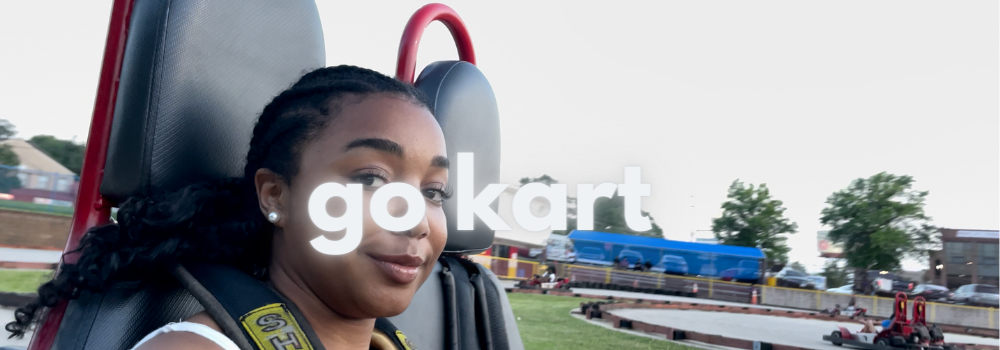

The Ultimate Guide to Go Kart Racing: Technique, Safety, Costs, and Logistics
Go kart racing appeals to people who love speed, competition, and the thrill of pushing a vehicle to its limits on a real track. If you enjoy adrenaline, friendly rivalry, and the feeling of taking a tight corner at full speed, go kart racing often feels like the most fun you can have with four wheels under you. It is especially appealing to people who enjoy motorsports, competitive games, and high-energy experiences that get the heart pumping.
The core purpose of go kart racing is to compete on a dedicated track in small, open-wheel vehicles that offer a surprisingly authentic racing experience. Whether you are racing against friends, family, or strangers, go kart racing delivers the excitement of motorsport in an accessible and affordable format. The overall experience combines speed, strategy, and the pure joy of competition across indoor sprint circuits and sprawling outdoor tracks.
Essential Benefits of Go Kart Racing
Engaging in go kart racing offers distinct physical, mental, and social advantages that make it a favorite sport for thrill-seekers worldwide:
- Exhilarating High-Speed Thrills: Delivers a fast-paced, high-adrenalin motorsport experience accessible to drivers of all skill levels.
- Authentic Motorsport Training: Provides a realistic taste of wheel-to-wheel racing mechanics without the extreme costs or engineering complexity of full-scale race cars.
- Refined Reflexes and Spatial Focus: Sharpens hand-eye coordination, peripheral vision, and instant decision-making as you negotiate tight hairpins and pass competitors.
- Ideal Social and Group Activity: Creates a thrilling competitive environment perfect for corporate team-building events, birthday parties, and friendly group outings.
- Concentrated Time-to-Fun Ratio: Offers an intense, action-packed competitive experience within short, high-energy sessions that fit easily into any weekend schedule.
Is Go Kart Racing Right for You?
While go kart racing is engineered to be approachable and safe, this fast-paced motorsport activity may not be suitable for everyone. Individuals with severe back, neck, or spinal conditions may find sitting in a low-slung, unpadded racing seat uncomfortable due to lateral cornering g-forces.
Furthermore, if you are highly sensitive to loud engine noise or indoor exhaust fumes, electric kart facilities or outdoor circuits provide a much cleaner, quieter alternative. However, for anyone craving authentic racing excitement, go kart racing remains the ultimate grassroots motorsport.
Essential Safety Gear, Apparel, and Checklist for Go Kart Racing
Wearing the proper safety equipment and comfortable attire ensures you remain protected, agile, and focused on your lap times throughout your session.
Prior to stepping into the pit lane, donning a certified Helmet protects your head from unexpected impacts and keeps wind debris out of your eyes. Fastening a padded Neck Collar provides crucial cervical support against sudden inertia during high-speed cornering. Wearing tactile Racing Gloves improves your grip on the steering wheel while preventing hand fatigue during multi-lap sprints. Lacing up sturdy Closed Toe Shoes is strictly required at all track venues to safeguard your feet and give you full pedal control over acceleration and braking.
Dressing in light layers beneath a racing jumpsuit prevents overheating on hot track days, while wrapping a lightweight Shall around your shoulders off-track keeps you comfortable between heat sessions—provided it is completely stowed away before putting on your harness. Inserting comfortable Ear Plugs dampens high-decibel gas engine roar in enclosed indoor facilities, helping you stay calm and focused. Finally, keeping a high-capacity Portable Phone Charger in your gear bag guarantees your phone stays powered to record lap times, track telemetry, and victory photos.
Understanding Kart Mechanics: Gas vs. Electric Racing Karts
Modern go kart racing venues feature two primary categories of karts, each offering unique performance dynamics and driving characteristics:
Gas-Powered Karts | Electric-Powered Karts |
• High top-end speed on straights | • Instantaneous torque off corners |
• Authentic engine roar & rumble | • Zero emissions, quiet operation |
• Progressive power delivery | • Push-to-pass power boost options |
• Preferred for outdoor tracks | • Ideal for multi-level indoor hubs |
Gas-Powered Racing Karts
Gas karts feature 4-stroke commercial engines (typically 200cc to 270cc) producing progressive acceleration and high top speeds on open outdoor circuits. Drivers who enjoy engine audio feedback, mechanical vibrations, and managing top-end velocity often prefer gas-powered venues.
Electric Racing Karts
Electric karts utilize electric motors powered by lithium-ion battery packs. They deliver instant maximum torque the moment you press the accelerator, making them exceptionally quick out of slow corners. Electric venues also allow pit crews to adjust kart power levels remotely for different skill tiers or trigger safety slow-downs when track flags are thrown.
Driving Techniques: How to Master the Racing Line and Pass Safely
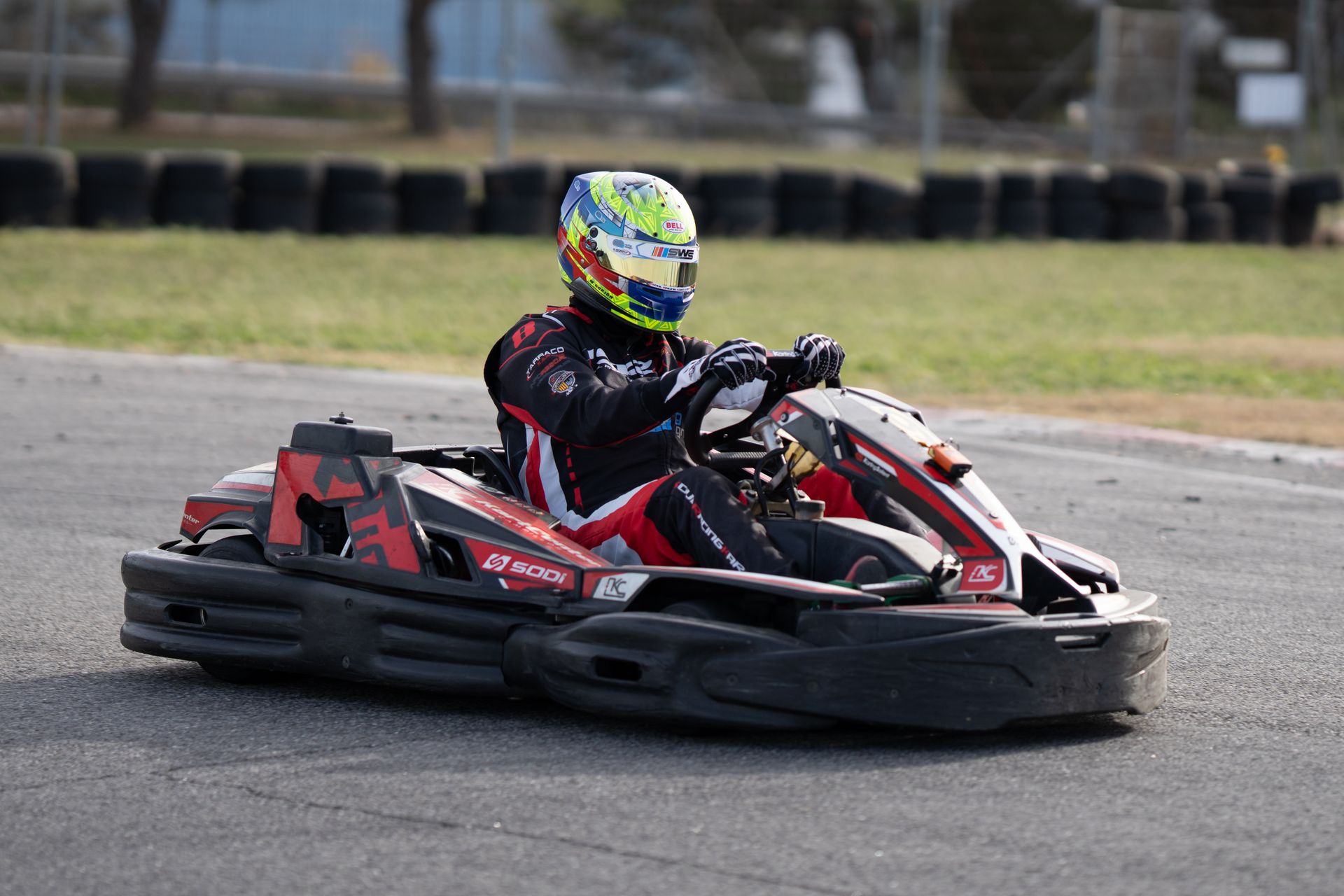
Achieving fast, consistent lap times in go kart racing relies far more on smooth cornering technique and weight transfer than simply holding down the gas pedal:
- Master the Outside-Inside-Outside Line: Approach corners from the far outside edge of the track, turn sharply inward to clip the apex (the innermost point of the turn), and let the kart drift back wide as you exit.
- Brake in a Straight Line: Apply firm braking power before turning the wheel. Braking while turning unseats the rear tires, causing the kart to slide and lose vital momentum.
- Maintain Smooth Steering Inputs: Avoid aggressive, jerky steering adjustments. Smooth, deliberate wheel movements keep tire friction low and carry higher rolling speed through sweeping turns.
- Utilize Body Weight Transfer: Leaning slightly outward into turns presses the outside tires into the track surface, increasing grip and helping the kart rotate naturally through tight hairpins.
- Execute Clean Overtakes: Plan your passes two turns ahead. Force errors by placing your kart on the inside line during braking zones, ensuring you hold the interior apex into the exit.
Safety Protocols, Track Flags, and Pit Lane Rules
Adhering to track signals and facility regulations keeps go kart racing safe and fun for everyone on the circuit:
- Green Flag: Track is clear; full-speed racing is underway.
- Yellow Flag: Hazard on track; slow down immediately, maintain your position, and strictly no passing.
- Red Flag: Major incident; stop your kart safely and immediately wherever you are on the track and await staff instruction.
- Blue Flag: Faster kart approaching from behind; yield the racing line smoothly to let higher-tier drivers pass.
- Black Flag: Driver penalty or mechanical issue; report directly to the pit lane immediately.
- Checkered Flag: Session is complete; reduce speed to pit pace and return smoothly to the staging area.
Crucial Safety Rule: Never exit your kart on an active track. If you spin out, stall, or hit a barrier, keep your seatbelt fastened, raise your hands to signal corner marshals, and wait in your vehicle until track staff arrive to assist you.
Physical Demands, Accessibility, and Height Requirements
Participating in go kart racing is accessible to beginners, yet physically engaging enough to challenge seasoned athletes:
Operational Requirement | Duration & Accessibility Spec |
Standard Sprint Session | 8 to 15 Minutes on Track |
Minimum Height Requirement | 48 to 58 Inches (122 to 147 cm) |
Total Visit Time Frame | 1 to 2 Hours (Arrival to Exit) |
Steering & Brake Effort | Moderate Core & Forearm Stamina |
Most karting facilities enforce minimum height requirements (typically 48 inches for junior karts and up to 58 inches for adult high-performance karts) to ensure drivers can fully depress the pedals while sitting securely against the seatback. Hands-on steering requires moderate forearm, shoulder, and core strength, as unassisted mechanical steering linkages transmit direct feedback from the front tires.
Comprehensive Cost Breakdown for Go Kart Racing
Planning your go kart racing budget involves accounting for single session passes, multi-race packages, and optional equipment rentals:
Expense Category | Typical Pricing Range | Service & Inclusion Details |
Single Sprint Session | $20 – $40 per person | Includes one 10 to 15-minute racing heat with digital lap timing printouts. |
Multi-Race Bundle (3 Heats) | $50 – $90 per driver | Discounted multi-session package recommended for practicing driving lines. |
Annual Driver License Fee | $7 – $12 (One-time) | Covers mandatory head sock, digital timing registration, and online telemetry access. |
Group / Party Packages | $300 – $800+ total | Private track reservation, dedicated grid qualifying, sprint final, and podium trophies. |
Personal Safety Gear | $15 – $40 combined | Personal racing accessories such as tactical Racing Gloves or a neck collar. |
Travel Logistics, Destination Hubs, and Booking Excursions
Integrating go kart racing into your leisure travel or vacation itinerary guarantees memorable moments across world-class motorsport hubs. Renowned destinations—from indoor entertainment complexes in major cities to championship outdoor circuits like Whistling Moran or TGRV Mai Mahiu in Kenya—offer premier karting experiences for travelers.
Arranging Sightseeing Tours and Event Tickets
To round out your travel itinerary around racing heats, you can book a tour here or check activities here to explore local cultural attractions, guided city excursions, and outdoor adventure sports. If your trip involves attending professional motorsport events, stadium races, or entertainment shows nearby, you can book a ticket here to reserve front-row seating ahead of time.
Accommodation and Flight Planning
Coordinating transit and lodging ensures your motorsport trip remains seamless from departure to arrival:
- Flight Reservations: You can check flights here or compare itineraries here to match flight schedules with track operating hours.
- Hotel Accommodations: You can check accommodation here to find luxury hotels or convenient transit hubs situated near top-tier karting circuits.
- Private Vacation Rentals: For team trips, racing clubs, or family groups seeking home-style amenities, you can book a stay here to secure spacious private rentals near regional tracks.
History and Cultural Legacy of Grassroots Motorsport
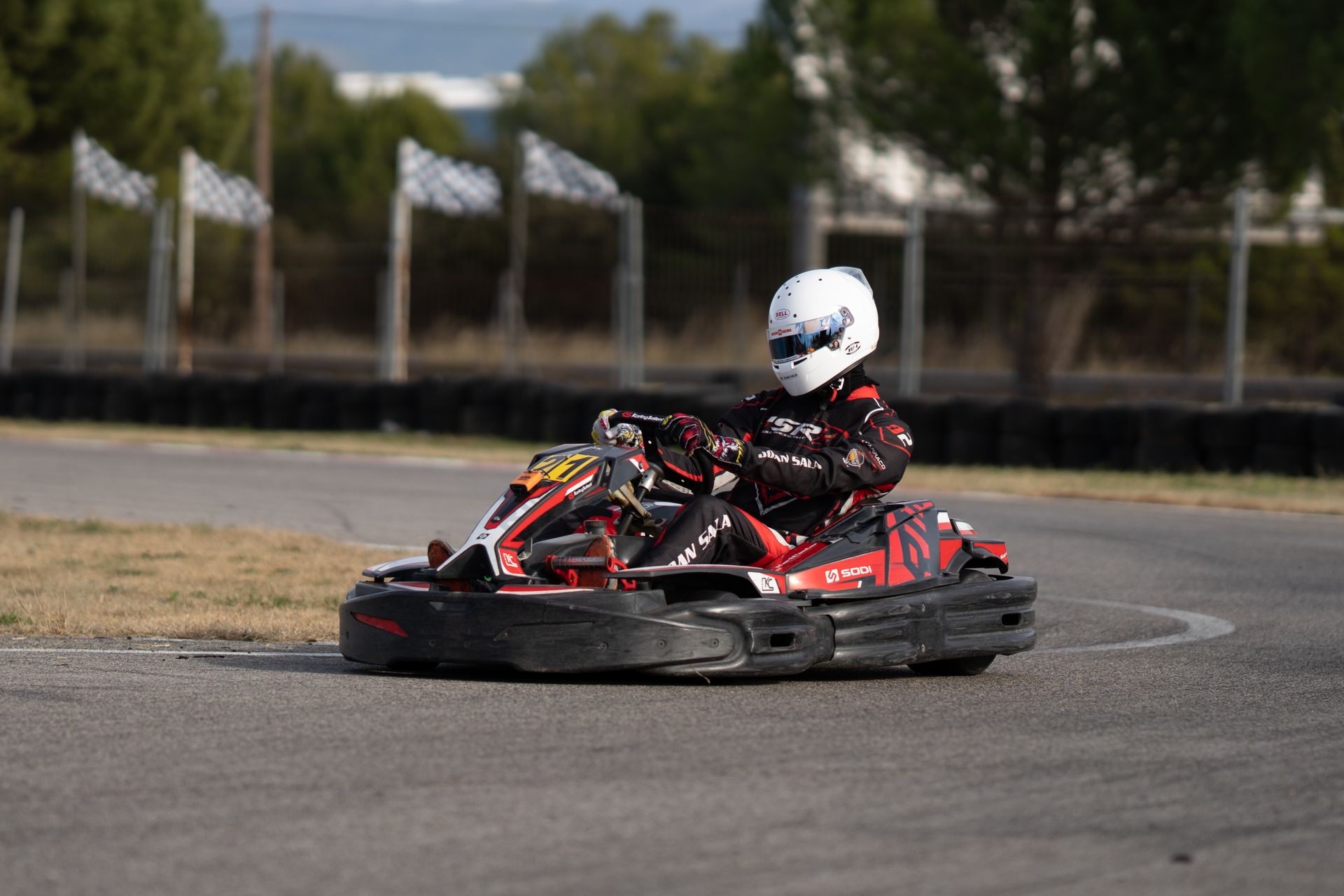
The sport of go kart racing originated in 1956 when Art Ingels, a veteran race car builder at Kurtis Kraft, fabricated the first rudimentary kart in Southern California using a small two-stroke lawnmower engine and a custom steel tube frame. The concept exploded in popularity across North America and Europe, quickly developing into a recognized international sport governed by the Commission Internationale de Karting (CIK-FIA).
Today, go kart racing serves as the proven training ground for virtually every modern Formula 1 world champion, including Lewis Hamilton, Max Verstappen, and Ayrton Senna. Beyond professional racing pipelines, go kart racing represents the democratic spirit of motorsport—providing accessible high-speed thrill and competitive joy to drivers of all backgrounds.
Frequently Asked Questions About Go Kart Racing
How fast do commercial racing karts go?
Standard indoor electric and gas karts reach top speeds between 35 and 45 mph (56 to 72 km/h). Professional outdoor competition karts can reach speeds exceeding 70 to 90 mph (112 to 145 km/h) on long straights.
Do I need a driver’s license to participate in go kart racing?
No standard state or international driver’s license is required for arrive-and-drive sessions at commercial facilities. As long as drivers meet the facility’s minimum height and safety orientation requirements, anyone can race.
What should I wear for my first go kart racing session?
Wear fitted clothing that covers your arms and legs, along with closed-toe shoes. Avoid loose garments, drawstrings, or open footwear. All necessary headgear like a helmet and neck collar are provided on-site.
Related Motorsport & Adventure Travel Guides
Looking for more adrenaline-fueled travel activities, outdoor adventure itineraries, or vacation packing tips? Explore our complete range of sports and travel guides on Kenyago to plan your next high-speed getaway!










 Welcome,
