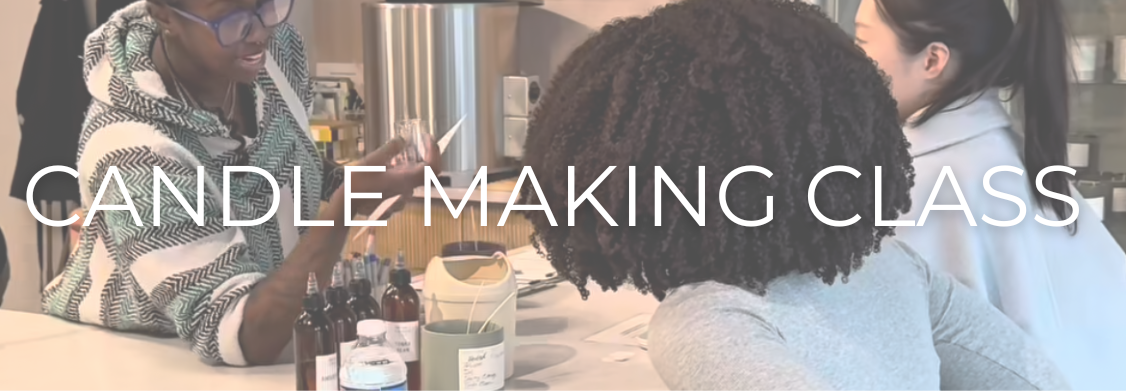

The Ultimate Candle Making Guide: Materials, Safety, Techniques & Travel Workshops
Candle making appeals to people who enjoy hands-on crafting, sensory experiences, and creating personalized home goods from scratch. If you like working with your hands, experimenting with scents, and walking away with something beautiful and functional, a candle making class often feels rewarding rather than complicated. It is especially appealing to people who appreciate DIY projects, want to understand what goes into the products they use, and enjoy creative activities with tangible results.
The purpose of a candle making class is to teach participants the fundamentals of crafting candles while exploring the science and art behind wax, wicks, and fragrance. Students learn proper melting techniques, scent blending, and safe pouring methods. The guided environment allows people to experiment with different fragrance oils and candle jar styles while building skills they can use for future projects, self-care routines, or handmade gifts.
Why Candle Making Delivers a Mindful Creative Experience
Engaging in the tactile, aromatic process of pouring custom candles offers deep mental relaxation, stress relief, and practical creative expression.
Core Benefits of Learning Candle Crafting
Taking up candle making provides several distinct personal, emotional, and practical advantages:
- Practical Skill Development: Builds practical crafting skills and knowledge of candle making materials, enabling you to craft professional-quality candles independently.
- Sensory Creative Outlet: Encourages creativity through personalized scent combinations, custom dye infusions, and aesthetic container choices.
- Meditative Relaxation: Provides a relaxing and meditative hands-on experience that helps calm the mind through focused, rhythmic steps.
- Tangible Personal Rewards: Results in beautiful finished candles to take home, gift to loved ones, or use for personal wellness and self-care.
- Potential Entrepreneurial Path: Offers potential for a fulfilling new hobby or an exciting small business opportunity in the booming home fragrance market.
Is Candle Making Right for You?
While candle making is accessible to beginners of all ages, evaluating your personal comfort around workshop conditions ensures a rewarding session. This experience may not be enjoyable if you dislike working near mild heat sources, have severe respiratory sensitivities to strong fragrances, or prefer fast-paced activities without detailed temperature steps. However, because structured workshops break down temperature monitoring and fragrance ratios into simple guidelines, even complete novices achieve smooth, clean-burning candles on their very first attempt.
Essential Candle Making Supplies and Safety Equipment Checklist
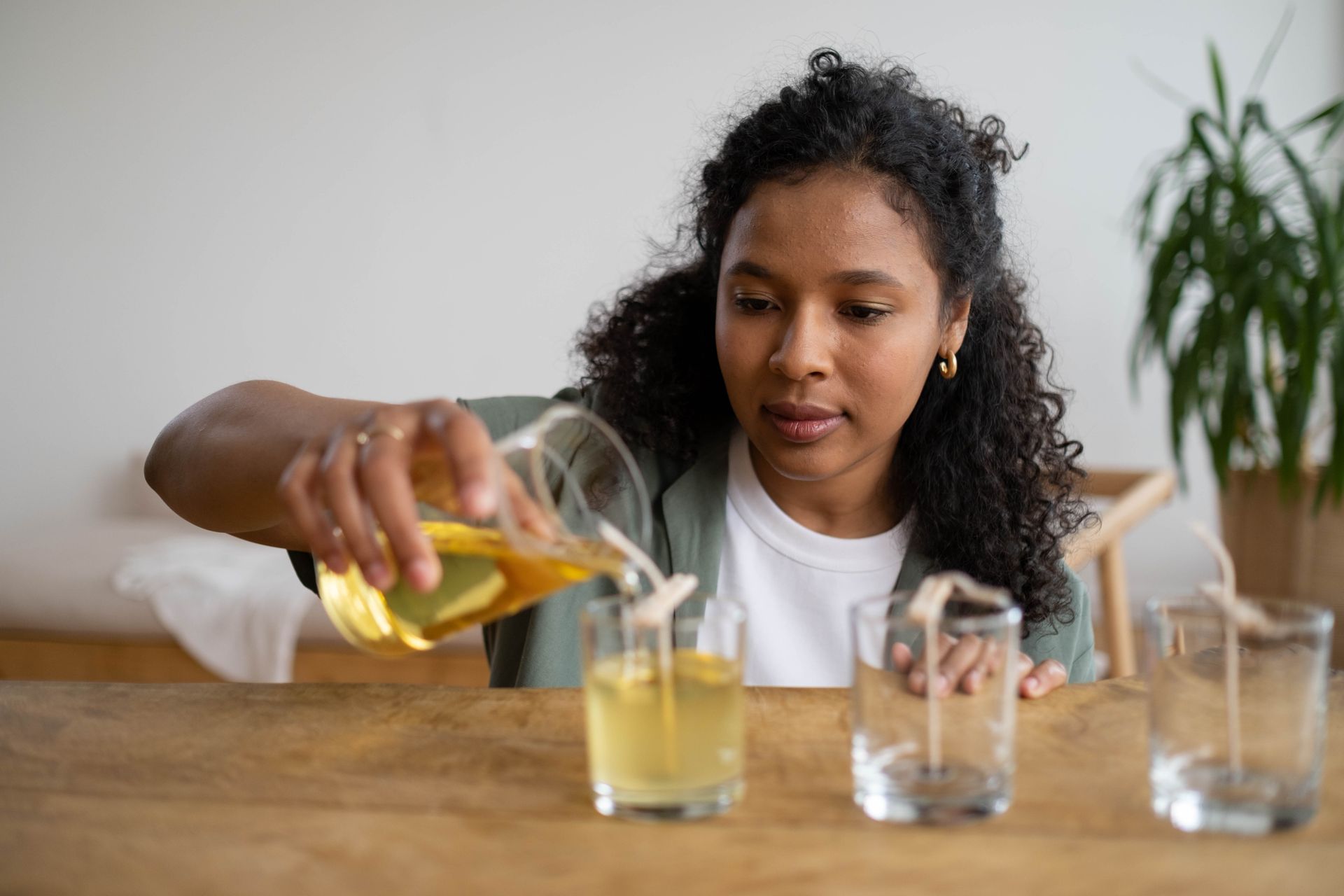
Equipping yourself with reliable crafting tools and personal protective gear ensures your pouring station remains safe, organized, and clean.
Complete Tool and Material List
Having the right foundation transforms raw components into long-lasting, beautifully scented home decor:
Starting with high-quality, clean-burning Candle wax provides the necessary foundation for a smooth surface and an even melt pool in your finished candle. Choosing premium, concentrated Fragrance oil that matches your olfactory preferences allows you to craft customized scents, ranging from calming botanical lavender to energizing citrus accords. Using a heavy-duty, heat-resistant Heat-resistant pitcher makes melting, blending, and pouring hot liquid wax safe and controlled.
Monitoring liquid temperature with a precise Wax thermometer ensures your wax reaches its exact fragrance binding point and ideal pouring temperature without scorching. Selecting the correct lead-free Candlewick size for your specific container diameter ensures balanced burning, prevents tunneling, and eliminates excess soot.
Having a reliable, temperature-controlled Heat source like an electric hot plate or double boiler setup enables consistent and safe wax melting. Picking a stylish, thermal-resistant Candle jar gives your finished candle a polished, store-bought appearance suitable for home display or gifting. Wearing clear, wrap-around Safety glasses protects your eyes from unexpected liquid splashes when stirring or transferring hot wax.
Understanding Wax Types and Candle Making Chemistry
In modern candle making, understanding the chemical characteristics of different wax bases is key to achieving optimal scent distribution (scent throw) and burn times:
- Soy Wax: Derived from soybean oil, soy wax is biodegradable, eco-friendly, and burns slower at lower temperatures, producing minimal soot.
- Coconut Wax: A natural wax known for its luxurious, creamy appearance, exceptional scent throw, and clean burn profile. It is often blended with soy to improve structural stability.
- Beeswax: The oldest known natural wax, offering a natural golden hue, subtle honey aroma, and dense texture suitable for pillars and tapers.
- Paraffin Wax: A traditional petroleum byproduct valued for high fragrance retention and vivid color hold, though increasingly replaced by plant-based alternatives.
- Fragrance Load Calculation: Most natural plant waxes support a 6% to 10% fragrance load by weight (approximately 1 ounce of oil per pound of wax), ensuring robust hot throw without destabilizing the solid structure.
Step-by-Step Candle Making Process for Beginners
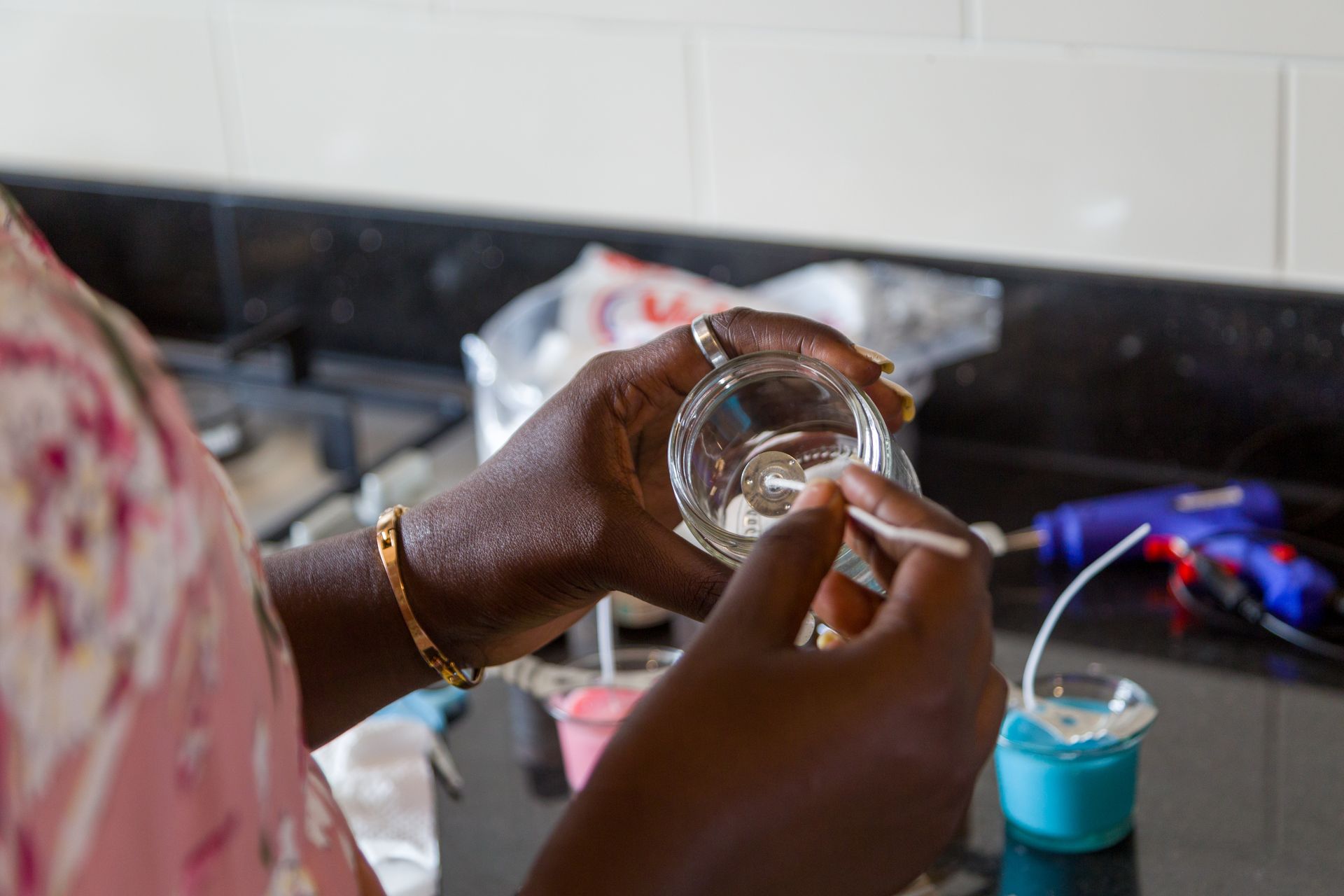
Following a structured candle making procedure guarantees professional results with smooth top surfaces and strong scent throw:
- Prepare Your Workstation and Vessels: Clean your glass or ceramic jars thoroughly. Place a wick sticker at the base of your cotton or wooden wick, center it at the bottom of the container, and secure it using a centering tool or clip.
- Melt the Wax Flakes: Weigh your wax flakes using a digital scale. Place them inside your heat-resistant pouring vessel over your double boiler heat setup, monitoring the gradual melt rate.
- Monitor Temperature Milestones: Use your thermometer to track temperature. Heat soy and coconut waxes to approximately 180°F to 185°F (82°C to 85°C) to fully break down molecular bonds before adding fragrance.
- Incorporate Scent and Stir Gently: Remove the pitcher from direct heat. Add your chosen scented oils and stir gently for two full minutes to ensure the oil binds uniformly with the liquid wax.
- Cool to Ideal Pour Temperature: Allow the liquid wax to cool down to 135°F to 145°F (57°C to 63°C). Pouring at this specific temperature range reduces surface sinkholes, frosting, and air pockets.
- Pour and Allow Complete Curing: Slowly pour the wax into your prepared jars, leaving half an inch of room at the top. Let the candles set undisturbed at room temperature for at least 24 to 48 hours before trimming the wick to a quarter inch.
Destination Workshops and Candle Making Travel Experiences
Joining a candle making class while traveling allows you to immerse yourself in regional scent culture, artisanal perfume blending, and local craft traditions across famous destination hubs.
Booking Local Artisan Classes and Excursions
Reserving workshop spots ahead of time guarantees entry into boutique scent studios in cities renowned for perfumery, such as Grasse, Paris, Kyoto, or Florence. You can book a tour here or check activities here to join master scent-blending sessions, botanical garden tours, or historic apothecary walks. If attending a large-scale craft expo or international maker convention, you can book a ticket here to secure entry passes early.
Organizing Flights, Accommodations, and Logistics
Structuring your travel arrangements in advance ensures a smooth journey to your creative retreat:
- Flight Reservations: You can check flights here or compare itineraries here to sync your arrival with scheduled weekend artisan workshops.
- Boutique Hotel Lodging: You can check accommodation here to find cozy hotels situated near historic arts districts and scent ateliers.
- Vacation Rentals: If traveling with a group of friends or fellow crafters, you can book a stay here to reserve a private rental property with spacious kitchen areas for home practice.
Safety Protocols and Risk Management in Candle Making
Because candle making involves working with elevated temperatures and flammable liquids, adhering to fundamental safety standards keeps your crafting space hazard-free:
- Avoid Direct Flame Heating: Always use a double boiler system or electric hot plate. Heating wax directly over an open flame can cause flash ignition or severe scorching.
- Monitor Temperatures Continuously: Keep a close eye on your liquid thermometer. Never allow wax to heat beyond 200°F (93°C), as overheating creates discoloration, fumes, and potential fire hazards.
- Wear Protective Eye Equipment: Wearing safety goggles protects your eyes against hot liquid splatters when pouring or whisking ingredients.
- Maintain Proper Ventilation: Work in a well-ventilated space, particularly when pouring concentrated fragrance oils into warm wax, to prevent respiratory discomfort.
- Keep Fire Safety Equipment Nearby: Never leave melting wax unattended on a active burner. Keep an operational Class B fire extinguisher or baking soda near your workstation, and never use water on a wax fire.
- Ensure Safe Cooling: Allow hot containers to cool on a flat, heat-resistant surface away from pets and small children before handling or moving them.
Difficulty Level, Physical Demands, and Duration of Candle Making

Introductory candle making classes are designed specifically for beginners, requiring no prior crafting experience or technical background.
Skill Accessibility and Learning Curve
Instructors guide participants step-by-step through measuring, melting, fragrance calculations, and pouring. The process is forgiving and allows for easy corrections along the way. Using a reliable thermometer and adhering to simple temperature benchmarks makes the craft straightforward and highly successful even for first-timers.
Pacing, Time Commitment, and Physical Effort
- Workshop Duration: Guided studio classes typically run 1.5 to 2.5 hours, depending on the complexity of scent blending and the number of vessels created.
- Home Session Timing: Independent home candle making sessions can be completed in 1 to 2 hours once you become familiar with the steps, plus curing time.
- Physical Requirements: Participating in candle making requires minimal physical exertion. Tasks involve basic standing, stirring, and controlled pouring. The activity is accessible to almost everyone, including those with mobility considerations, as work table heights can be adapted easily.
Cost Breakdown for Candle Making Workshops and DIY Crafting
Planning a budget for studio workshops or home studio setups depends on material quality, batch size, and equipment selections:
Expense Category | Typical Price Range | Details & Overview |
Guided Studio Class Fee | $40 – $80 per person | Includes professional instruction, wax, fragrance oils, wicks, and jars. |
Bulk Plant-Based Wax (5–10 lbs) | $15 – $40 | Natural soy, coconut, or beeswax flakes for home batches. |
Concentrated Fragrance Oils | $5 – $20 per bottle | Premium botanical or synthetic fragrance oils designed for high throw. |
Pouring Pitcher & Thermometer | $15 – $40 combined | Heat-resistant pouring pitcher and digital or dial temperature probe. |
Wicks & Container Packs | $15 – $35 combined | Cotton/wooden wick assemblies and multi-pack heat-resistant glass jars. |
Electric Burner / Double Boiler | $20 – $50 | Safe, temperature-controlled heat source for studio or kitchen use. |
Cultural Significance and Modern Evolution of Candle Making
Candle making is one of the oldest practical crafts in human civilization, with historical roots stretching back thousands of years. Early Roman, Egyptian, and Asian cultures crafted dipped candles from tallow, beeswax, and plant waxes to provide vital illumination, heat, and religious symbolism across homes and temples.
In modern times, candle making has evolved from a functional necessity into a celebrated art form, self-care ritual, and interior design discipline. Modern candle crafters combine ancient thermal techniques with sophisticated fragrance chemistry, sustainable botanical waxes, and sculptural vessel designs. Today, creating handmade candles connects makers to centuries of artisan tradition while offering a personal way to cultivate warmth, mindfulness, and sensory comfort in living spaces.
Related Creative Crafting Guides and DIY Travel Resources
Looking for additional hands-on hobby guides, artisan workshop ideas, or creative travel planning tips? Explore our complete library of lifestyle and crafting guides on Kenyago to inspire your next creative journey!










 Welcome,
