

Baseball Guide: How to Play, Best Venues, Gear, and Logistics
Whether you are stepping onto the diamond for the first time or planning a trip to watch a professional game live, baseball offers an unparalleled mix of strategic play, athletic skill, and vibrant culture. Navigating the modern sport requires understanding essential equipment, finding top venues, and executing proper mechanics on the field. This comprehensive guide breaks down everything you need to know about getting involved in baseball today, from hitting fundamentals to travel planning for major stadium visits.
Fundamental Baseball Gear and Equipment Essentials
Getting started on the field requires acquiring reliable equipment that meets safety standards and matches your skill level. A proper Baseball Glove forms the core of your defensive play, allowing you to catch standard throws and fielding grounders cleanly. Choosing a glove made from quality leather ensures durability through long training sessions.
A certified Baseball Bat matches your height, weight, and league regulations, providing optimal swing velocity and control at the plate. Youth and adult players use distinct weight-to-length ratios to maintain balance. Pair your bat with a sturdy Baseball Helmet to protect your head during batting practice and live games against fast-moving pitches.
Proper footwear is equally critical for speed, agility, and injury prevention across dirt and turf fields. High-traction Cleats prevent slipping during rapid acceleration or sudden lateral cuts across the outfield. Stock up on regulation Baseball inventory so you can run drills, practice hitting, and play informal games with teammates without interruptions.
Step-by-Step Guide to Executing a Standard Baseball At-Bat
Mastering the mechanics of hitting requires patience, precise body positioning, and consistent practice. Follow this step-by-step procedure to execute a structured, effective at-bat during your next game or practice session:
- Step 1: Assume a Balanced Stance in the Batter’s BoxStand perpendicular to the home plate with feet shoulder-width apart, knees slightly bent, and your weight distributed evenly across the balls of your feet. Hold the bat with both hands near your back shoulder, keeping your elbows relaxed and your dominant eye focused squarely on the pitcher.
- Step 2: Track the Pitcher’s Delivery and Load Weight BackwardsAs the pitcher begins their motion, shift your weight slightly onto your back leg while taking a small, controlled stride forward with your front foot. Keep your hands back to store kinetic energy for explosive rotational power through the strike zone.
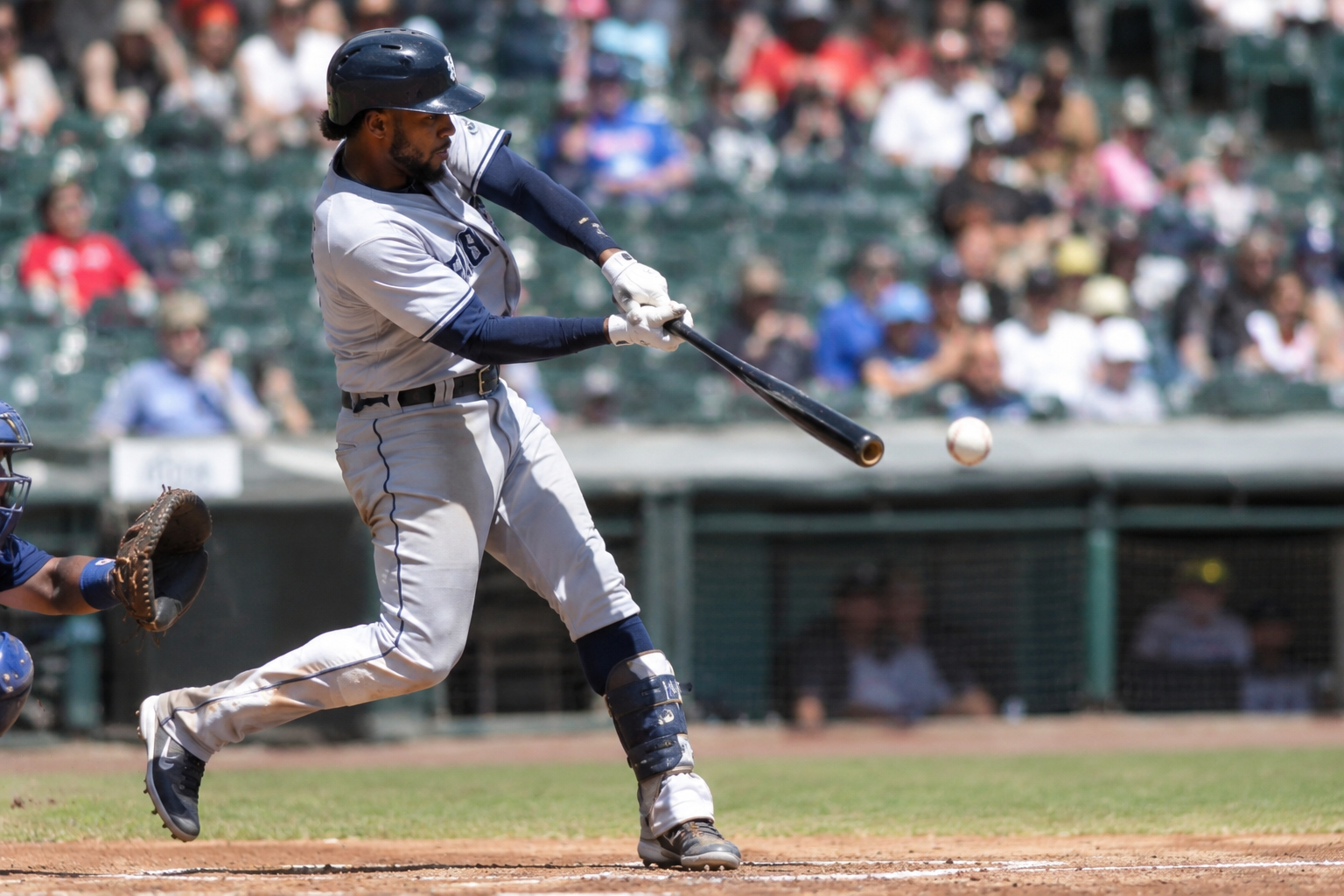
- Step 3: Initiate the Swing and Drive Hands Through the ZoneRotate your hips toward the incoming pitch while dragging your back foot to pivot on your toes. Drive the knob of the bat toward the baseball while maintaining eye contact on the ball right up to the point of contact.
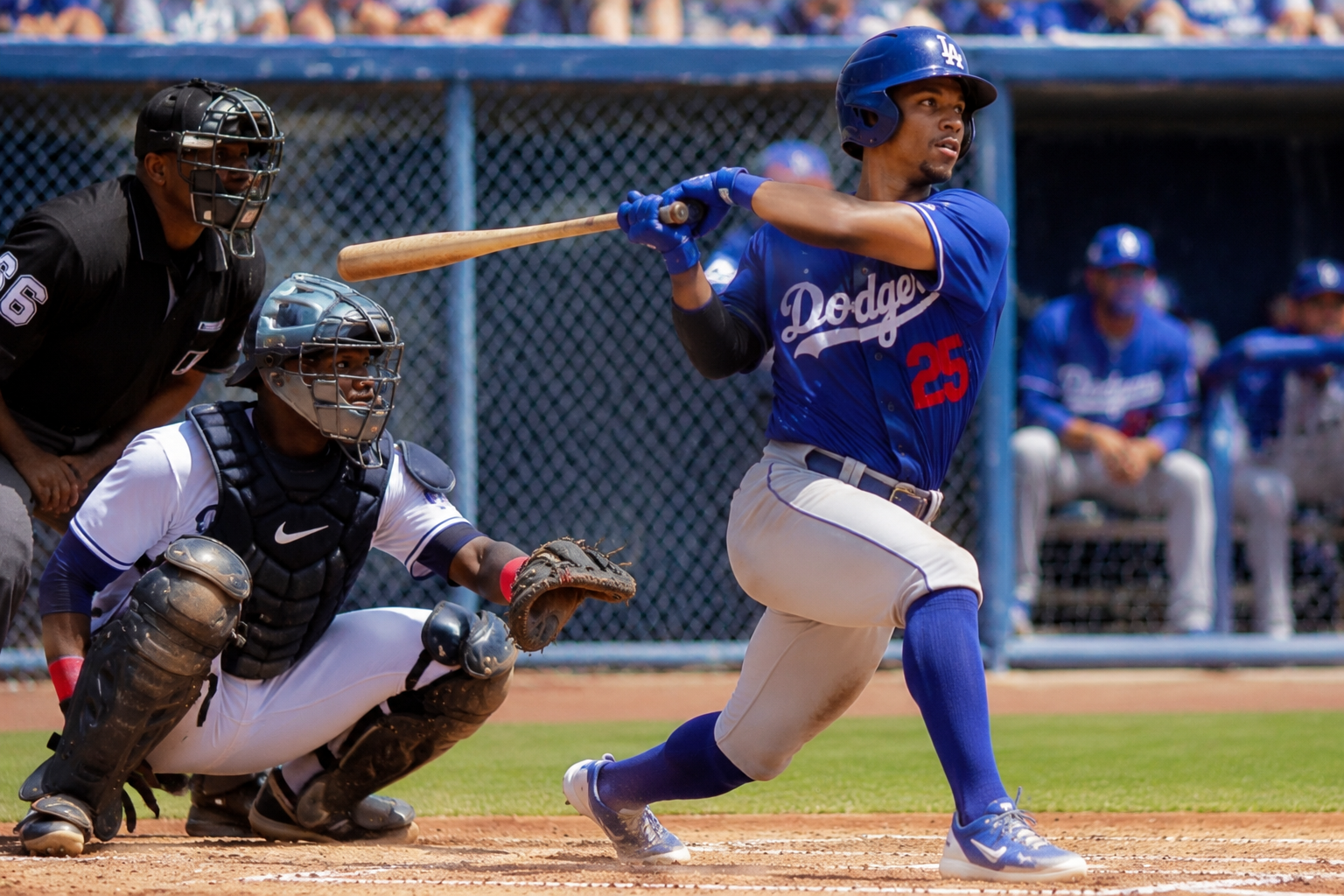
- Step 4: Make Solid Contact and Follow Through CompletelyStrike the middle of the baseball with the sweet spot of the bat, extending your arms through the ball. Allow your body momentum to finish the swing around your shoulder, maintaining foot stability throughout the swing arc.
- Step 5: Drop the Bat and Sprint to First BaseImmediately release the bat onto the ground behind you without throwing it. Drive your feet aggressively toward first base, running along the foul line to safe footing while watching the first-base coach for directional guidance.
Premier Venues and Locations to Play or Watch Baseball
Finding the right facility or stadium enhances both playing performance and spectator enjoyment. Professional ballparks across the nation offer world-class spectating, while local community complexes feature accessible fields for amateur leagues.
| Venue / Location Name | Location Type | Primary Features & Highlights |
| Yankee Stadium (Bronx, NY) | Major League Stadium | Iconic venue offering legendary atmosphere, premium seating, and historic club tours. |
| Fenway Park (Boston, MA) | Major League Stadium | The oldest ball park operating in professional sports, famous for the Green Monster wall. |
| Dodger Stadium (Los Angeles, CA) | Major League Stadium | Picturesque setting in Chavez Ravine known for pristine field conditioning and massive crowds. |
| Ripken Experience (Myrtle Beach, SC) | Amateur Tournament Complex | Elite replica fields, training facilities, and batting cages designed for youth and adult play. |
| Ebbets Field Replica (Springfield, MO) | Community Sports Park | Quality turf surfaces and covered dugouts designed for regional amateur league tournaments. |
When traveling to see a major stadium or attending an out-of-town tournament, planning logistics in advance ensures a stress-free trip. You can easily check accommodation here to locate hotels adjacent to major sports venues and transit hubs.
For complete travel packages including flights and rental cars, you can book a ticket here to secure optimal rates around game days. Spectators who want seamless access to official stadium entry passes should book a ticket here before games sell out completely.
If you are combining your game-day trip with city sightseeing, you can check accommodation here for competitive local hotel rates. Additionally, staying in nearby residential neighborhoods is easy when you check accommodation here for spacious vacation rental homes suitable for entire teams or families.
To organize guided ball park stadium tours and urban excursions during your travel dates, book a ticket here to explore top regional activities. Travelers looking for curated day trips or fan experiences can also book a ticket here to enjoy full stadium access and behind-the-scenes guided walks.
Rules, Positions, and Gameplay Mechanics
Understanding how a standard game functions requires familiarity with field positions and core scoring mechanics. Nine players field defensively, including the pitcher, catcher, four infielders, and three outfielders working together to eliminate batters.
| Position Name | Location Zone | Primary Defensive Responsibilities |
| Pitcher | Pitcher’s Mound | Delivers pitches into the strike zone and fields ground balls down the middle. |
| Catcher | Behind Home Plate | Receives pitches, directs defensive positioning, and guards home plate against runners. |
| First Baseman | First Base | Catches throws from other infielders to record force outs at first base. |
| Shortstop | Between 2nd & 3rd Base | Fields high-frequency ground balls and covers second base during double plays. |
| Center Fielder | Deep Center Field | Covers expansive outfield territory, catching long fly balls and backing up outfielders. |
Offensive players aim to hit pitches into fair territory and advance around four bases to score runs. A standard adult game runs nine innings, with teams alternating between offensive batting and defensive fielding duties.
Monitoring team rankings, win-loss records, and current baseball standings throughout the season helps enthusiasts track competitive progress across professional and amateur divisions. Modern digital tools provide live score updates and detailed player metrics in real time.
Culture, Lifestyle, and Digital Baseball Engagements
Beyond playing on diamond fields, fans immerse themselves in the broader culture surrounding the game. Embracing baseball lifestyle 101 means connecting with fan communities, collecting team apparel, attending tailgates, and participating in fantasy leagues.
Casual sports fans often enjoy quick, web-based interactive games like doodle baseball during short work breaks or study sessions. These digital experiences offer fun ways to practice timing and learn basic rules online.
If you enjoy outdoor team sports, exploring updated flag football guide safety locations and cost provides another dynamic way to build athletic endurance and team coordination. Active outdoor enthusiasts also frequently explore the pickleball game guide rules cost gear and more for fast-paced racquet games in local parks.
For those who enjoy target precision and casual recreational sports, reading our bowling game rules cost gear and places to play offers great indoor alternatives during rainy weather. Indoor players who prefer cue games can review our billiards guide rules dear techniques and strategy to sharpen their mental accuracy and geometry control.
When planning group outings or visiting multi-sport facilities across the country, checking our comprehensive Kenyago main platform helps you locate top venues and safety guides. Furthermore, theme park enthusiasts can combine sports travel with thrilling rides by reviewing our amusement park gear tickets safety and logistics guide.
Essential Training Routines and Skill Development
Developing strong throwing arm strength, running speed, and plate discipline requires focused physical conditioning. Incorporate core stability exercises, rotator cuff stretches, and interval sprints into your weekly workout schedules.
Practicing hitting off a batting tee allows players to refine swing path mechanics without worrying about variable pitch velocity. Dedicated fielding drills build fast reflexes for capturing unpredictable bounces off hard dirt infields.
Joining local adult recreational leagues or community sports clubs offers consistent gameplay practice while connecting you with fellow enthusiasts. Continual training combined with proper safety gear ensures long-term enjoyment on the diamond.










 Welcome,
