

ATV Off-Road Exploration: Gear, Techniques, and Global Trails
Riding an ATV appeals to people who enjoy outdoor adventure, off-road exploration, and the thrill of navigating rugged terrain on a powerful machine. If you like getting off the beaten path, experiencing nature from a unique perspective, and feeling the rush of conquering trails, ATV riding often feels exhilarating rather than intimidating. It is especially appealing to people who appreciate motorsports, enjoy physical outdoor activities, and seek adventures that combine skill with adrenaline.
The core purpose of riding an ATV is to explore trails, backcountry, and off-road terrain while developing machine handling skills and enjoying the outdoors. Riders learn throttle control, steering techniques, and terrain reading while experiencing landscapes inaccessible by traditional vehicles. The activity offers both recreational enjoyment and practical applications for work, hunting, and land management. To discover more outdoor adventures, trail maps, and active family recreation guides, visit our Kenyago activities page.
Key Benefits of Off-Road Quad Driving
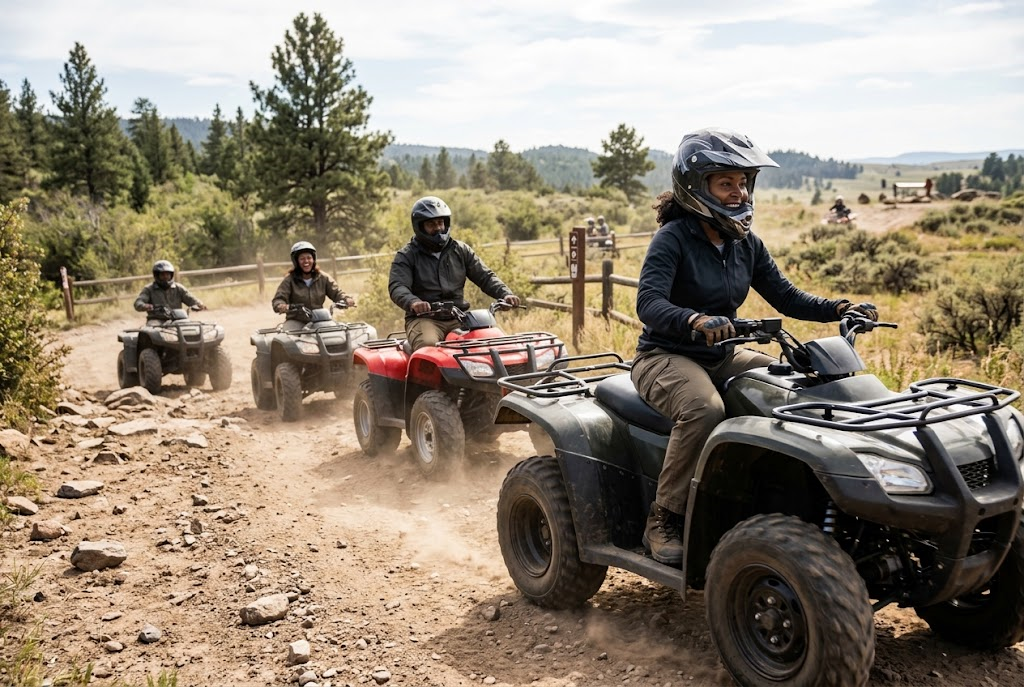
Choosing an ATV for your outdoor excursions brings a unique mix of physical engagement, practical utility, and exploration capabilities:
- Remote Wilderness Access: Riding an ATV provides access to remote and scenic outdoor locations that foot trails or standard passenger cars cannot reach.
- Adrenaline and Skill Growth: Operating an ATV offers an adrenaline-filled outdoor activity centered around continuous skill development and spatial awareness.
- Confidence on Unforgiving Terrain: Handling an ATV builds strong confidence in machine operation, balance adjustment, and complex terrain navigation.
- Shared Group Adventures: Taking an ATV into the backcountry creates memorable outdoor adventures with friends, family, and riding clubs.
- Versatile Work and Leisure Utility: Owning an ATV serves practical purposes for farm chores, ranch work, hunting pack-outs, and weekend recreation.
This experience may not be enjoyable if you are uncomfortable operating motorized vehicles, dislike loud engine noise, or prefer low-risk outdoor activities.
Essential Safety Equipment and Maintenance Gear Checklist
Equipping yourself with protective riding apparel, recovery tools, and proper storage covers ensures every trip on your ATV stays safe, comfortable, and reliable.
Essential Quad Equipment | Primary Function and Off-Road Performance Utility |
Protective Headgear Unit | Wearing an ATV certified Helment shields your head against impact, low branches, and trail debris during high-speed rides. |
Eye Protection Shield | Strapping on snug Goggles keeps dust, mud splatters, and insects out of your eyes when following closely behind another ATV. |
Dust and Cold Barrier | Wrapping a breathable Scarf around your neck shields your skin from biting winds, airborne dirt, and sun glare on the trail. |
Self-Recovery Winch System | Carrying a heavy-duty Winch Kit prepares you for recovery situations when an ATV gets stuck in deep mud, sand, or boulders. |
Weatherproof Vehicle Shield | Protecting your ATV with a Cover Waterproof keeps it safe from harsh rain, UV rays, and yard debris when stored outside. |
Lockable Rear Cargo Vault | Storing your gear in a rigid Helmet Box keeps your extra helmet, tools, and personal items organized and dry between rides. |
Aggressive Tread Traction | Maintaining high-grade Tire sets with deep lugs ensures maximum traction, mud clearing, and braking power across loose gravel. |
Reliable Battery Maintainer | Keeping a smart Battery Charger on hand ensures your ATV starts reliably, especially after long periods of winter storage. |
Safety Protocols, Risk Mitigation, and Trail Regulations
Operating an ATV involves significant risk and requires careful attention to safety guidelines to prevent rollovers and mechanical failures:
- Always Wear Full Protective Apparel: Never step onto an ATV without a certified helmet, eye protection, durable gloves, over-the-ankle boots, and long sleeves.
- Stay on Designated Trails: Ride your ATV exclusively on marked public trails or permitted parks to protect local ecosystems and respect private property lines.
- Never Exceed Machine or Rider Limits: Operate your ATV well within your skill comfort zone, and strictly avoid alcohol, drugs, or impaired driving.
- Equip Self-Recovery Hardware: Mount a high-capacity winch kit on your front bumper so you can pull your ATV out of deep ruts or mud traps independently.
- Inspect Mechanical Components Daily: Check tire pressure, throttle cables, fluid levels, and brake pads on your ATV before heading out on long mountain runs.
- Practice Buddy System Riding: Ride alongside another ATV whenever possible, and inform contacts off the trail of your exact destination and return schedule.
- Complete a Recognized Safety Course: First-time operators should complete a hands-on safety course to master body displacement, emergency braking, and hill climbing.
- Adhere to Weight and Passenger Limits: Respect manufacturer ratings; single-rider machines must never carry passengers, as doing so alters the center of gravity on an ATV.
Terrain Mastery and Physical Requirements
Mastering an ATV requires active physical engagement rather than passive sitting. Steering through sand, mud, and rocky inclines tests your physical endurance and core strength across distinct environments:
Packed Dirt Trails
Navigating smooth, packed dirt requires low to moderate physical effort. Success relies on maintaining a smooth throttle roll-on and keeping a steady, relaxed grip on the handlebars while carving through gradual turns on your ATV.
Deep Mud and Ruts
Traversing mud pits and deep tire ruts presents a high upper body strain. Riders must maintain high machine momentum while dynamically shifting their body weight rearward to keep the front wheels buoyant and prevent the front bumper of the ATV from digging in.
Steep Rock Climbs
Conquering steep rocky inclines demands high balance and core engagement. Operators need to adopt a standing forward posture, leaning aggressively into the slope to keep weight over the front axle and prevent an unexpected rollover while riding an ATV.
Sand Dunes and Loose Gravel
Cruising across shifting sand dunes or loose gravel requires moderate core endurance. Riders use controlled counter-steering techniques and lean their body weight into the inside of tight turns to maintain stability and traction on their ATV.
Steering, Weight Distribution, and Fatigue Prevention
Riders must use upper body strength to turn the handlebars on an ATV, especially on models without electronic power steering. Shifting your body weight forward while climbing hills keeps the front wheels grounded, whereas leaning backward during steep descents maintains rear wheel braking traction. The constant vibration, bumps, and posture shifts involved in piloting an ATV can cause muscle fatigue over time. Staying hydrated, wearing supportive gloves, and taking regular rest breaks helps keep your reaction times sharp across technical trail sections.
Step-by-Step Guide for Beginner Quad Drivers
Starting your off-road journey with a methodical approach ensures rapid skill growth while keeping risks low:
- Perform a Pre-Ride Vehicle Inspection: Check tires, brakes, fuel level, and oil levels on your ATV before turning the ignition key.
- Don All Personal Protective Gear: Fasten your helmet securely, pull down your goggles, slip on riding gloves, and zip up durable outerwear.
- Master Flat-Ground Control: Practice starting, stopping, turning, and thumb-throttle regulation on your ATV in a flat, open field.
- Learn Body Weight Positioning: Practice leaning your upper body into turns and shifting forward during light uphill climbs on your ATV.
- Graduate to Marked Beginner Trails: Select wide, clear green-level trails that allow you to practice navigating minor rocks and mild dirt inclines.
- Maintain Safe Following Distances: Keep a multi-car buffer between your ATV and other riders to avoid collisions and stay clear of dust clouds.
- Secure and Clean Vehicle Post-Ride: Wash off accumulated mud, attach your battery charger, and place a cover waterproof over your machine.
Comprehensive Expense Planning and Gear Budgeting
Budgeting for an ATV involves considering the initial machine purchase, safety equipment, trail maintenance, and ongoing ownership costs:
Ownership Expense Category | Expected Price Range (USD) | Cost Optimization and Savings Strategy |
Vehicle Purchase (New/Used) | $3,000 – $15,000+ | Consider buying a well-maintained pre-owned utility ATV to save significantly on initial purchase depreciation. |
Single-Day Machine Rental | $100 – $300 per day | Renting an ATV at an off-road park is ideal for testing different engine sizes before committing to a purchase. |
Personal Safety Gear Bundle | $100 – $300 total | Purchase a complete bundle containing an ATV helmet, goggles, and gloves together to secure combo discounts. |
Vehicle Protection & Storage | $30 – $100 for cover | Shielding your ATV with a cover waterproof prevents sun rot on seats and keeps electrical components dry. |
Self-Recovery Winch Setup | $100 – $400 unit | Installing an electric winch kit on your ATV saves expensive towing fees if you get stuck in remote mud pits. |
Cargo Storage Upgrades | $50 – $150 box | Mounting a rigid helmet box on the rear rack protects your extra helmet, tow straps, and lunches from mud. |
All-Terrain Tire Replacements | $50 – $200 per tire | Replacing worn tires with aggressive tread patterns restores traction and prevents flats on sharp rocks. |
Battery Maintenance Chargers | $30 – $100 per unit | Connecting a trickle battery charger while stored extends battery life and avoids stranded starts. |
Single recreational runs last 1 to 2 hours, while full-day backcountry excursions span 6 to 8 hours.
Famous Global Off-Road Destinations and Trail Systems
Riders travel worldwide to test their ATV skills across expansive sand dunes, dense rainforests, and mountain passes:
- Moab Red Rock Trails (Utah, USA): Famous for technical slickrock climbs, dramatic canyon views, and legendary red dirt tracks for every ATV skill level.
- Agafay Desert & Atlas Foothills (Marrakech, Morocco): Scenic stone deserts, rolling sand dunes, and mountain valleys ideal for guided ATV tours.
- Baja California Peninsula (Ensenada to Cabo, Mexico): Wide-open desert routes, coastal sand dunes, and rugged dirt paths along iconic race corridors.
- Ubud Jungle & Volcanic Trails (Bali, Indonesia): Tropical rainforest paths, muddy bamboo rivers, and black sand volcanic zones built for technical ATV treks.
Booking Logistics, Guided Tours, and Regional Accommodation
When planning an international off-road trip or renting a quad for a weekend getaway, organizing your travel logistics early ensures a smooth journey. You can book a ticket here to secure entry passes for regional off-road parks, motorsport expos, or trail networks. To reserve organized backcountry tours, expert-led dune excursions, or jungle quad rentals, you can book a tour here or check activities here to secure top-rated local guides.
For seamless travel and lodging near famous trailheads:
- Flight Arrangements: You can check flights here or compare itineraries here to secure optimal routes into regional adventure hubs.
- Trailside Hotels & Motels: You can check accommodation here to find rider-friendly hotels featuring spacious trailer parking.
- Private Ranches & Mountain Cabins: When traveling with family or riding clubs, you can book a stay here to secure rustic cabins with direct access to regional ATV trail systems.
Evolution, Utility Heritage, and Community Culture
All-terrain vehicles originated in the late 1960s and early 1970s, initially created as three-wheeled recreational and agricultural utility vehicles designed to navigate muddy terrain inaccessible to farm tractors. Early manufacturers quickly realized that a lightweight machine rolling on wide, low-pressure tires could maneuver through dense forests and soft sand with minimal fuel consumption compared to heavy equipment.
During the 1980s, the industry transitioned to safer, four-wheeled designs, giving rise to the modern four-wheeler ATV. This shift opened up wide usage among utility workers, ranchers, search-and-rescue teams, and outdoor enthusiasts. Today, ATV culture celebrates self-reliance, mechanical maintenance, trail stewardship, and outdoor exploration. Local clubs and international associations work continuously to preserve public trail systems, educate new owners, and foster family-friendly riding events worldwide.
Frequently Asked Questions (FAQs)
What is the difference between an ATV and a UTV?
An ATV features a straddle seat, handlebar steering, and accommodates one or two riders without a roll cage, whereas a UTV (side-by-side) uses bucket seats, a steering wheel, seatbelts, and a protective roll cage structure.
Do I need a driver’s license to ride an ATV on public trails?
Licensing requirements vary by state and country. Many public trail systems require an ATV safety certificate or standard driver’s license, while private off-road parks only require liability waiver signatures.
How often should I perform routine maintenance on my ATV?
Check tire pressure and engine oil before every ride. Service air filters after riding in dusty or muddy conditions, and hook up a battery charger when storing your ATV for more than a few weeks.
Gear Up and Take to the Trails Today
Whether you are navigating muddy forest tracks, cruising wide desert dunes, or tackling chores around your property, riding an ATV offers an unbeatable mix of excitement, utility, and outdoor discovery. Strap on your helmet, inspect your machine, follow safety protocols, and experience the thrill of ATV exploration today!










 Welcome,
