

Snowboarding Equipment Essentials, Carving Techniques, Mountain Safety, and Winter Travel
Snowboarding appeals to people who love winter, crave speed and adrenaline, and want to experience the mountain in the most dynamic and expressive way possible. If you are drawn to the feeling of carving fresh powder, landing your first jump, or simply flowing down a mountain run with total freedom of movement, snowboarding often becomes one of the most passionately pursued seasonal activities in a person’s life. It is especially appealing to people who enjoy action sports, creative self-expression through movement, and the breathtaking beauty of winter mountain environments.
The purpose of snowboarding is to descend snow-covered slopes on a single board attached to both feet using a combination of edge control, body rotation, and weight shifting to carve turns, navigate terrain, and perform tricks. Whether you are a beginner figuring out your first heel-side turn or an experienced rider dropping into a halfpipe, snowboarding offers a deeply satisfying physical and creative challenge that keeps you chasing the mountain season after season. To explore more thrilling winter sports, alpine getaways, and outdoor adventures, visit our Kenyago activities page.
Major Physical Conditioning and Creative Self-Expression Benefits
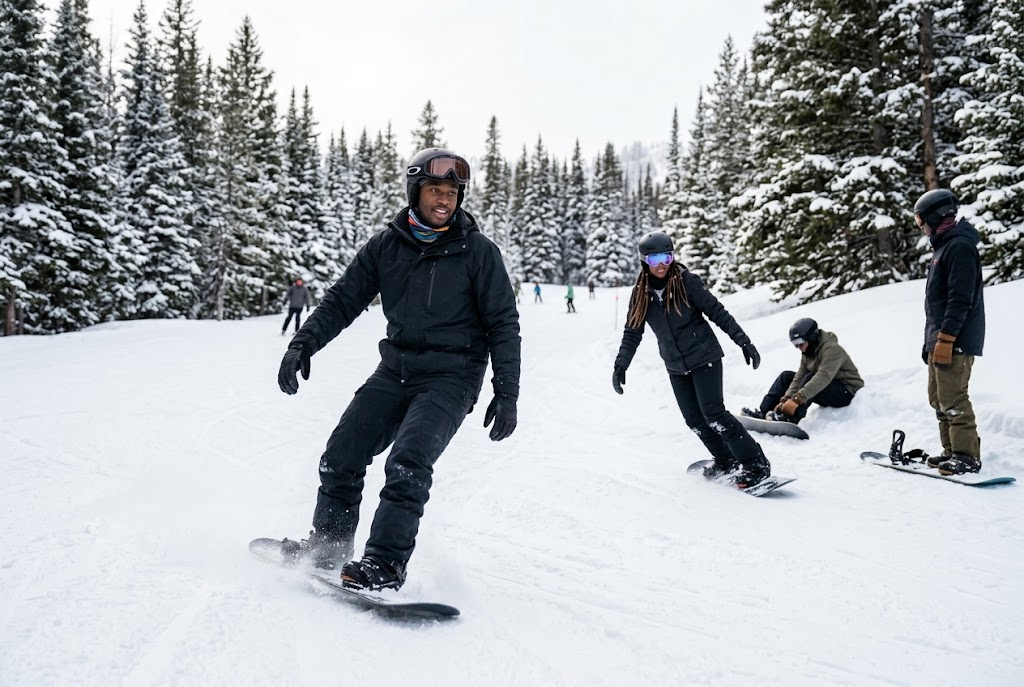
Snowboarding offers exceptional physiological, emotional, and recreational advantages that enrich every winter season:
- Exhilarating Full-Body Workout: Snowboarding provides an intense physical workout that builds leg strength, core stability, and exceptional balance.
- Stunning Alpine Landscapes: Snowboarding creates unforgettable visual experiences on some of the world’s most breathtaking snow-covered mountain ranges.
- Endless Creative Progression: Snowboarding offers a deeply expressive sport with unlimited room for personal style, tricks, and stylistic progression.
- Powerful Sense of Flow: Snowboarding delivers a unique feeling of freedom and momentum as you glide effortlessly on fresh snow.
- Vibrant Global Community: Snowboarding connects you to a passionate, welcoming worldwide culture of riders and outdoor enthusiasts.
This experience may not be enjoyable if you are uncomfortable in cold winter weather, have significant knee or ankle joint issues that make board sports challenging, or are unprepared for the physical demands of learning on a mountain.
Essential Cold-Weather Gear and Equipment Checklist Matrix
Having the right protective apparel and technical equipment ready before your next snowboarding trip ensures comfort, warmth, and high performance:
Equipment Category | Primary Function and On-Mountain Benefit |
Face & Head Insulation | Wearing a warm Baklava under your helmet keeps your face, neck, and head shielded from freezing wind during snowboarding. |
Thermal Base Layers | Starting with a moisture-wicking Base Layer Bottom and Base Layer Top keeps sweat off your skin while snowboarding. |
Active Foot Warmers | Using active Heated Soles inside your boots keeps your feet warm during long lift rides while snowboarding. |
Flexible Mid-Layers | Wearing a comfortable Hockey Jersey as a breathable mid-layer adds warmth without restricting upper-body mobility while snowboarding. |
Immersive Action Cameras | Mounting an Insta 360 Camera to your helmet captures stunning 360-degree footage of your runs while snowboarding. |
Extra Toe Insulation | Using Liner Warmers inside your boots provides an extra layer of warmth during sub-zero days of snowboarding. |
Wind Protection Masks | Keeping your face covered with an MFI Face Mask Carrier prevents windburn during high-speed runs while snowboarding. |
Primary Riding Deck | Riding the correct Snowboard matched to your weight and riding style accelerates your progression in snowboarding. |
Boots and Bindings | Wearing properly fitted Snowboard Boots and secured Snowboard Bindings gives you precise edge control while snowboarding. |
Head and Eye Safety | Wearing a certified Snowboard Helmet and protective Snowboard Goggles ensures safety and clarity while snowboarding. |
Energy Support Supplies | Packing healthy Snacks and staying hydrated with clean Water maintains your focus while snowboarding. |
Outerwear Protection | Wearing a waterproof Snowboard Jacket and Snowboard Blb Pants keeps you dry in heavy snow while snowboarding. |
Hand and Foot Comfort | Protecting your hands with insulated Snowboard Gloves and cushioned Snowboard Socks completes your snowboarding setup. |
Safety Protocols, Mountain Etiquette, and Injury Prevention
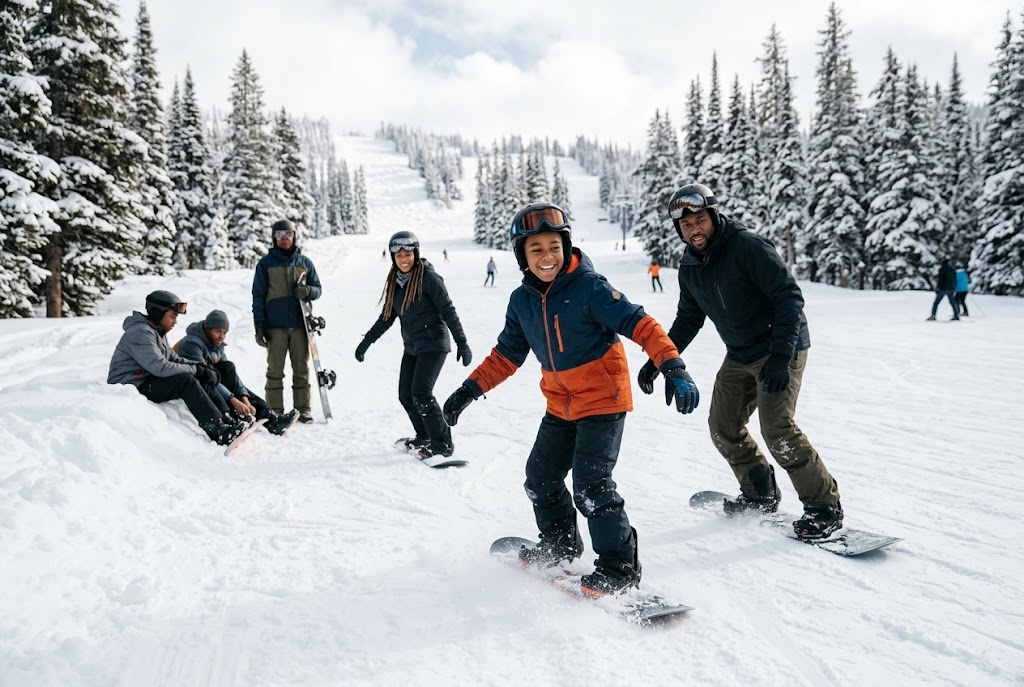
Because snowboarding is an action sport carrying inherent risks of falls and impacts, safety awareness is vital for every rider:
- Helmet and Protective Gear Mandate: Always wear your Snowboard Helmet and Snowboard Goggles on every single run while snowboarding.
- Trail Signage and Ability Limits: Follow official resort trail markers and stay strictly on terrain suited to your current skill level when snowboarding.
- Wrist Protection: Wear wrist guards beneath your Snowboard Gloves, especially as a beginner, to prevent common impact injuries during snowboarding.
- Energy and Hydration Management: Take regular breaks to drink Water and eat Snacks to maintain physical alertness while snowboarding.
- Right-of-Way Rules: Always yield to riders below you on the slope and maintain situational awareness during your snowboarding descents.
Step-by-Step Practical Workflow for Resort Sessions
Following a structured daily routine ensures your time on the mountain remains organized, safe, and progressive:
- Check Weather and Trail Reports: Review mountain conditions and snow forecasts before heading out for a day of snowboarding.
- Layer Up Properly: Put on your Base Layer Top, Base Layer Bottom, and Baklava to regulate core temperature while snowboarding.
- Strap into Your Deck: Secure your boots into your Snowboard Bindings attached to your Snowboard at the summit lift drop.
- Execute Warm-Up Turns: Practice gentle heel-side and toe-side carves on beginner slopes to loosen up before aggressive snowboarding.
- Record Your Runs: Mount your Insta 360 Camera to capture smooth downhill footage while snowboarding.
- Fuel and Rehydrate: Stop at the lodge for Snacks and fresh Water to recover your energy while snowboarding.
- Inspect and Dry Gear: Hang up your Snowboard Jacket and Snowboard Blb Pants to dry after a full day of snowboarding.
Cost Analysis and Financial Planning for Winter Riders
Budgeting for snowboarding involves daily resort lift passes, gear rentals, and apparel investments:
Expense Category | Estimated Price Range (USD) | Smart Purchasing Strategy for Snowboarding |
Resort Lift Tickets & Rentals | $90 to $280 daily | Purchase multi-day resort season passes early in the autumn to reduce daily costs for snowboarding. |
Hardware and Outerwear Kits | $400 to $1,200 total | Invest in durable Snowboard Boots and a quality Snowboard Helmet first when starting snowboarding. |
Typical resort sessions run 4 to 6 hours of active riding time, interspersed with rest breaks and lodge visits.
Traveling to World-Class Ski Resorts and Mountain Destinations
Winter sports enthusiasts frequently travel across continents to experience legendary powder snow, towering alpine peaks, and vibrant ski resort villages. Whether you plan to carve down the Rocky Mountains in Colorado, explore European alpine bowls in the Alps, or chase winter storms in Japan, coordinating your travel logistics ensures a seamless getaway. You can book a ticket here to secure lift access, event tickets, and mountain railway passes.
When planning your winter snow trips and mountain vacations:
- Guided Mountain Tours & Backcountry Clinics: You can book a tour here or check activities here to hire certified instructors for powder clinics and backcountry tours.
- Flight and Transportation Bookings: You can check flights here or compare itineraries here to locate convenient airline routes heading toward premier winter destinations.
- Ski-in/Ski-out Hotel Accommodations: You can check accommodation here to reserve comfortable lodges located directly next to the ski lifts.
- Cozy Mountain Chalet Rentals: When traveling with families or riding squads who prefer spacious living rooms and gear-drying mudrooms, you can book a stay here to secure private winter chalets.
Cultural Significance and Evolution as a Global Phenomenon
Snowboarding was invented in 1965 when Sherman Poppen strapped two skis together to create the Snurfer as a backyard toy for his daughter in Michigan. The sport evolved rapidly through the 1970s and 1980s, driven by pioneers like Jake Burton Carpenter and Tom Sims who developed the modern equipment and counterculture lifestyle.
Initially banned from many traditional ski resorts, snowboarding fought for its place on the mountain before making its historic debut at the 1998 Nagano Winter Olympics. Today, snowboarding remains deeply rooted in creativity, freedom, and youthful rebellion, continuing to captivate generations of winter sports enthusiasts worldwide.
Frequently Asked Questions (FAQs)
What gear do I need to buy first when starting snowboarding?
Beginners should prioritize well-fitting Snowboard Boots, a certified Snowboard Helmet, and waterproof Snowboard Gloves before purchasing a complete Snowboard setup for snowboarding.
Is snowboarding difficult to learn for absolute beginners?
Snowboarding has a steep initial learning curve on the first day, but taking a lesson and wearing proper protective gear accelerates progression significantly.
How can I stay warm during cold-weather snowboarding?
Layering with a moisture-wicking Base Layer Top, wearing a Baklava, and using Heated Soles will keep you warm while snowboarding.
Gear Up and Hit the Slopes for Snowboarding Today
Whether you are looking to carve fresh morning powder, test your agility on challenging terrain, or enjoy breathtaking alpine vistas, snowboarding offers an unmatched winter adventure. Pack your gear, check the snow report, and embrace the thrill of snowboarding today!










 Welcome,
