
The Ultimate Guide to Body Butter Making: Formulation, Techniques & Workshops
Body butter making tends to appeal to people who are attentive to how products interact with their bodies and prefer understanding over convenience. If you are someone who reads labels, notices how your skin responds to different products, or wants to simplify personal care routines, engaging in body butter making often feels informative rather than decorative.
It is an ideal tactile craft for anyone seeking complete transparency over their topical skincare products.
The purpose of this activity is to increase awareness around topical ingredients and how they affect the body. Learning how a small number of raw botanical ingredients function on the skin helps people move away from blindly consuming commercial products and toward making more intentional choices. Because the skin absorbs what is applied to it, this technical awareness can play a meaningful role in personal comfort, sensitivity management, and overall wellness.
Why Body Butter Making Transforms Your Personal Care Routine
Creating your own customized body butter making formulations offers significant advantages over purchasing off-the-shelf commercial lotions that rely heavily on synthetic fillers, artificial fragrances, and water-based preservatives.
Science-Backed Benefits of Custom Skincare Formulation
Engaging in artisanal body butter making delivers practical, long-term skincare benefits:
- Label Literacy: Builds the practical ability to read, analyze, and understand complex skincare labels and ingredient lists.
- Ingredient Awareness: Improves direct awareness of how specific botanical oils, raw plant butters, and active fatty acids affect your skin over time.
- Simplified Skincare: Encourages streamlined personal care routines focused on fewer, higher-quality, and more intentional ingredients.
- Sensitivity Management: Supports better identification of personal skin irritants or allergies, leading to more informed purchasing and usage decisions.
- Complete Formulating Control: Allows you to adjust oil-to-butter ratios to create lightweight summer lotions or ultra-rich winter creams tailored to your specific skin type.
Is Handcrafted Skincare Right for You?
While learning body butter making is rewarding and accessible, evaluating your personal preferences ensures a fulfilling workshop experience. This experience may not be enjoyable if you prefer instantly ready-made commercial products, dislike hands-on mixing processes, or are not interested in learning about raw ingredient chemistry. However, because structured workshops guide you step-by-step through lipid melting, rapid cooling, and whipping techniques, even beginners can easily craft luxurious, bakery-smooth body butter making results on their first attempt.
Essential Body Butter Making Equipment, Ingredients, and Prep Checklist
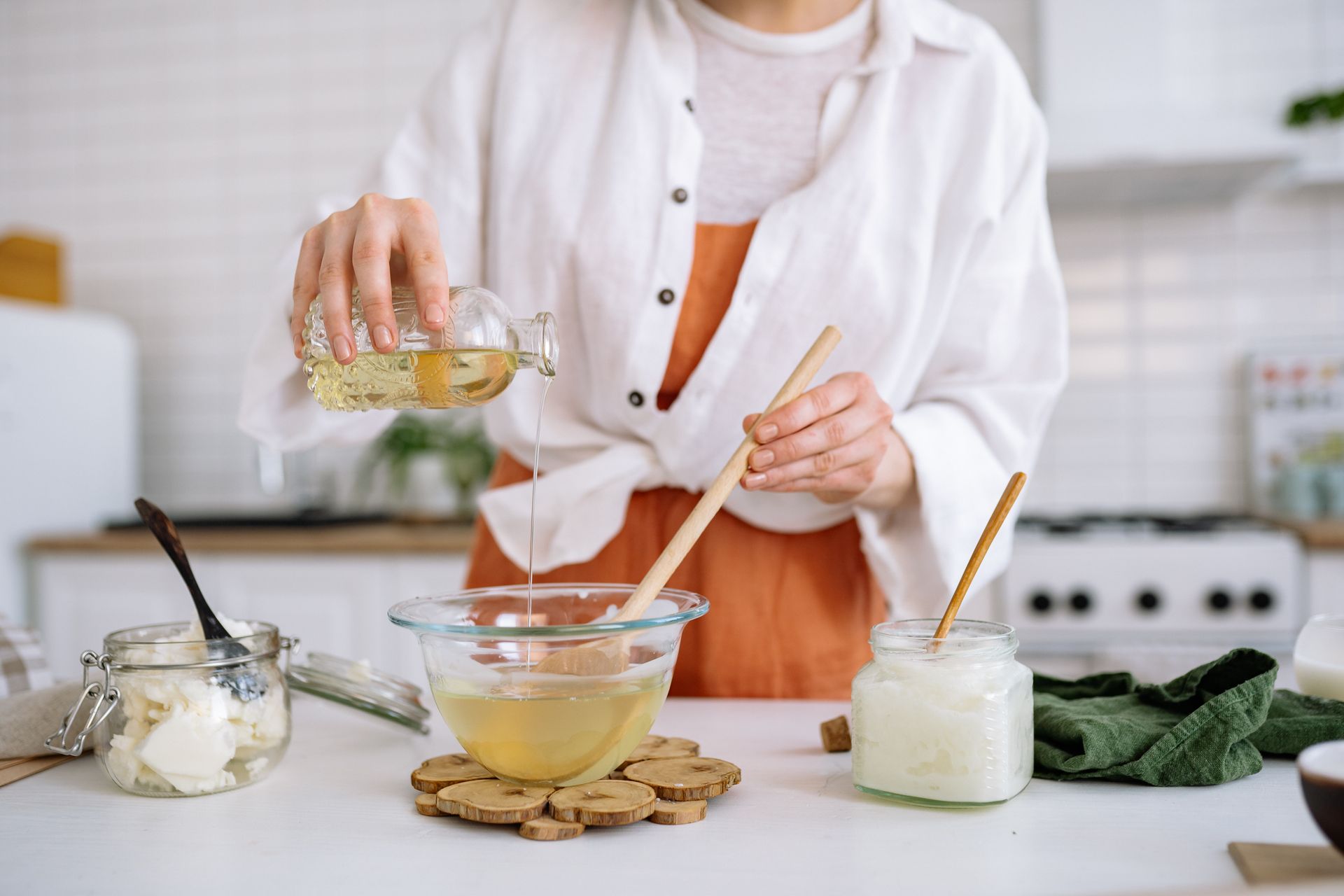
Equipping your home kitchen or studio station with precise measurement tools and high-grade raw ingredients guarantees clean, consistent, and stable body butter making batches.
Complete Tool and Material List
Having the proper formulation setup on hand transforms raw plant fats into velvety, air-whipped creams:
Starting with wild-harvested Nilotica shea butter provides an exceptionally smooth, high-oleic foundation that melts effortlessly at body temperature without leaving a greasy residue. Blending in a lightweight, nutrient-dense Carrier oil—such as jojoba, sweet almond, or rosehip seed oil—adjusts the viscosity and enhances deep skin absorption. Using a high-speed electric Whipping tool aerates the melted lipid mixture, transforming dense plant fats into a light, fluffy, store-quality cream.
A wide-mouth stainless steel or heat-safe glass Mixing bowl provides ample room for high-speed whipping without splashing your workstation. Measuring your liquid fats accurately with a heat-resistant glass Measuring cup ensures accurate volume tracking before heating your base. Precise stainless steel Measuring spoons allow you to dose active botanical additives and hard waxes down to the exact fraction.
Incorporating therapeutic-grade Essential Oil blends infuses your formulation with natural aromatherapeutic scents and targeted skin benefits. Using a calibrated glass or plastic Piper (pipette) lets you transfer volatile aromatic oils drop by drop for balanced scent profiles. Finally, transferring your whipped cream into an airtight glass or BPA-free Container seals in freshness, protects against oxidation, and keeps your product clean.
Lipid Chemistry: Choosing the Right Base Butters and Oils
Understanding the melting points, fatty acid profiles, and absorption rates of different raw ingredients is essential for successful body butter making formulations:
Comparing Popular Skincare Butters
- Nilotica Shea Butter (Vitellaria paradoxa nilotica): Sourced from East Africa, this rare butter has a higher oleic acid content than standard West African shea butter, resulting in a naturally softer, silky consistency that absorbs rapidly into delicate skin.
- Classic West African Shea Butter (Vitellaria paradoxa): Richer in stearic acid, making it firmer with a higher melting point, ideal for heavy-duty barrier protection on cracked heels and dry elbows.
- Cocoa Butter: A hard, aromatic butter rich in natural antioxidants that provides a distinct chocolate scent and creates a firm, protective seal on the skin barrier.
- Mango Butter: Extracted from mango fruit seeds, this low-odor butter sits between shea and cocoa in firmness, offering high concentrations of vitamins A and C for lightweight hydration.
Selecting Complementary Carrier Oils
- Jojoba Oil: Technically a liquid wax ester, jojoba closely mimics human sebum, making it ideal for balancing facial formulations and acne-prone skin.
- Rosehip Seed Oil: Packed with essential fatty acids and retinoic acid derivatives, making it ideal for anti-aging and scar-soothing body butter making blends.
- Sweet Almond Oil: A classic, gentle emollient rich in vitamin E that softens skin texture and enhances the spreadability of firm raw plant fats.
Step-by-Step Body Butter Making Process
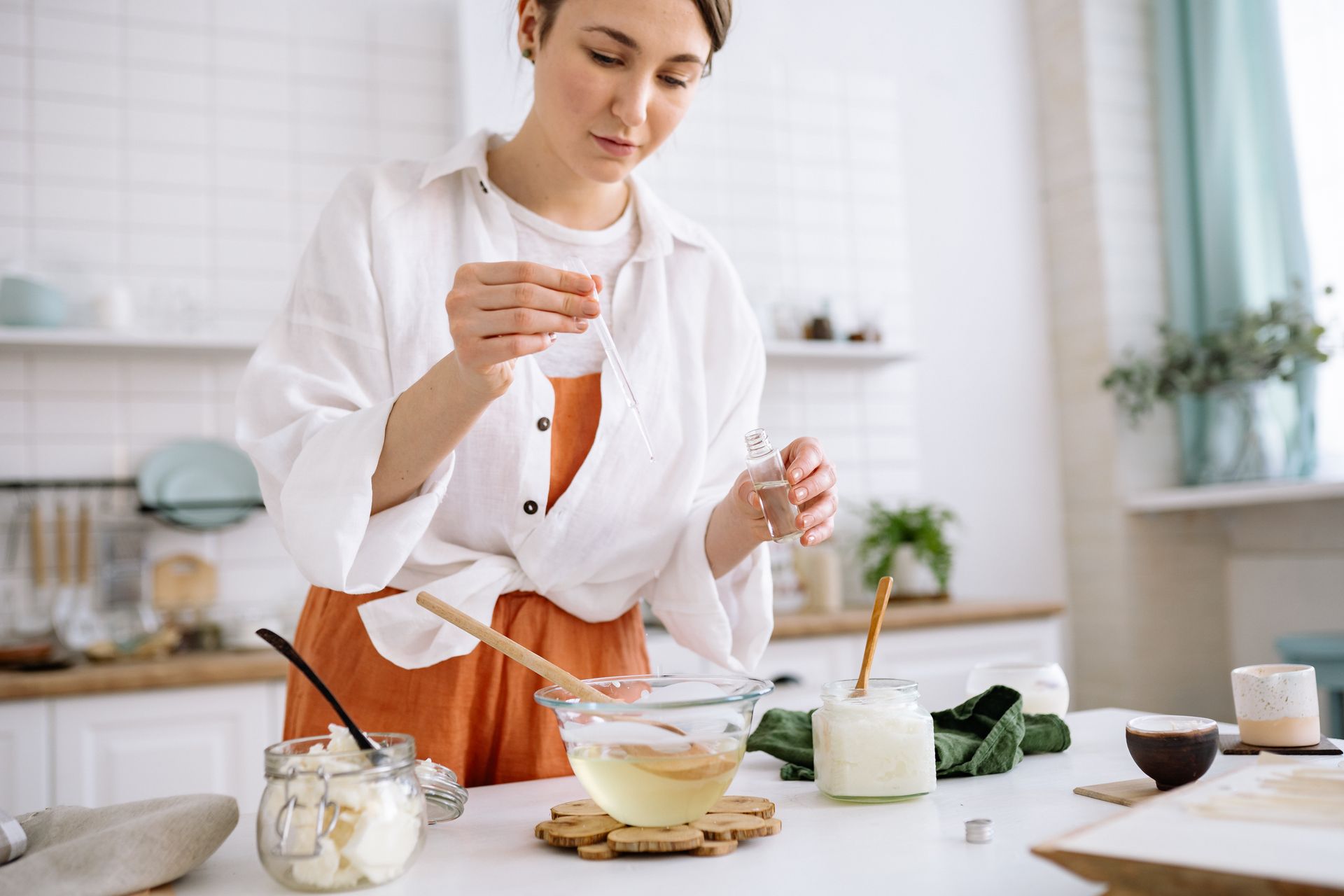
Following a precise thermal cycle ensures your whipped body butter making formulation achieves an airy texture without grainy crystallization:
- Sanitize Equipment and Workstation: Thoroughly clean and dry all mixing bowls, whipping tools, measuring tools, and storage jars using 70% isopropyl alcohol.
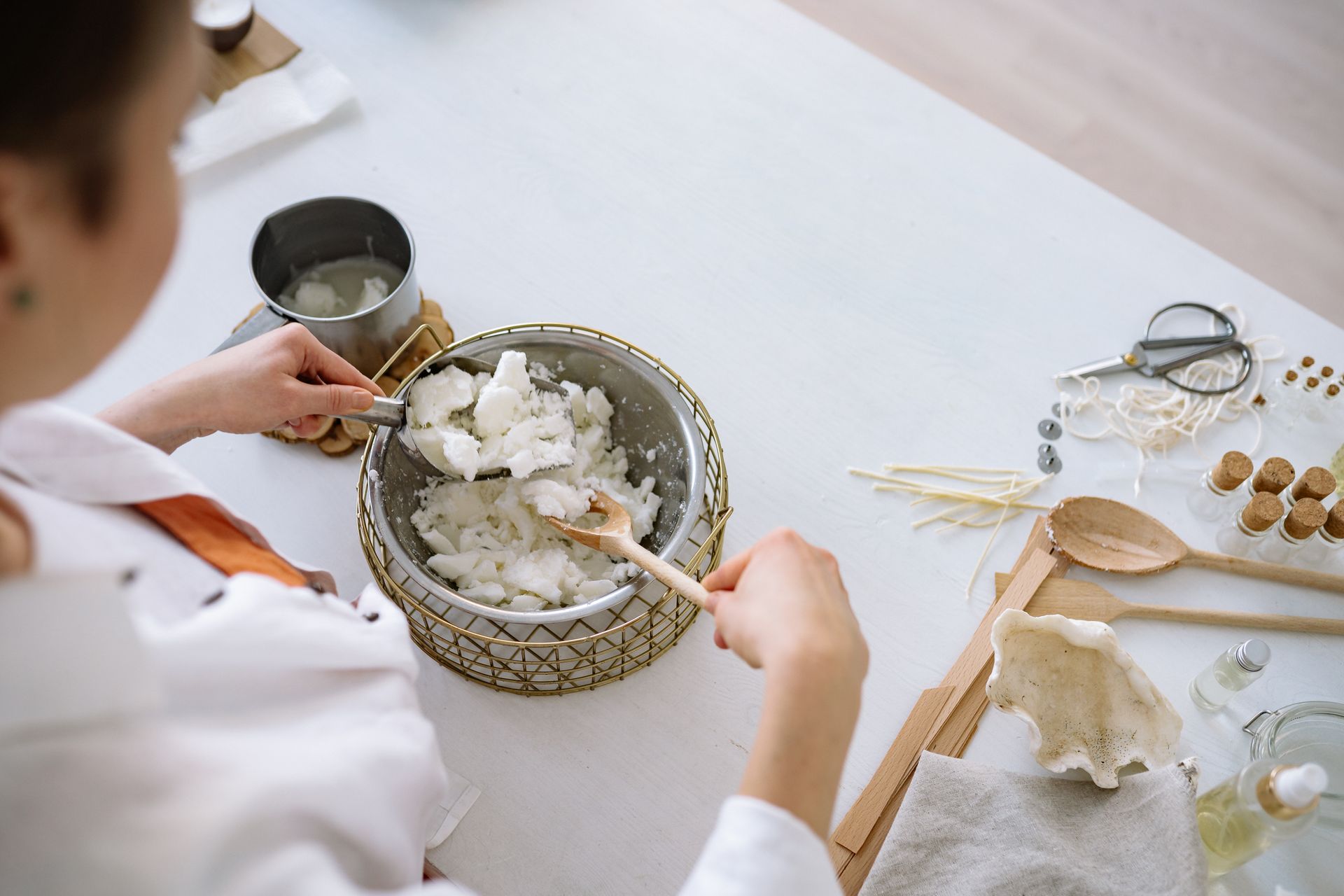
- Weigh and Melt the Solid Butters: Combine your solid raw fats (such as Nilotica shea butter or cocoa butter) and soft liquid Carrier oil in a heat-safe Measuring cup. Heat over a gentle double boiler setup until completely liquified.
- Flash-Cool the Lipid Mixture: Transfer the warm oil blend into your stainless steel Mixing bowl and place it in the freezer for 15 to 20 minutes. You want the mixture to turn opaque and form a soft, butter-like crust around the edges while remaining semi-soft in the center.
- Primary Whipping Stage: Use your electric Whipping tool on medium-high speed for 5 minutes. The mixture will transition from a translucent yellow liquid to an opaque, creamy white consistency.
- Add Essential Oils and Active Additives: Using a precise Piper, drop your chosen Essential Oil combination into the whipped base alongside vitamin E oil or natural arrowroot powder (which reduces oiliness).
- Final High-Speed Whip and Packaging: Whip for another 3 to 5 minutes until stiff, pillowy peaks form. Scoop or pipe the whipped cream into your clean Container and store in a cool place away from direct sunlight.
Destination Workshops and Travel Logistics Guide
If you are planning a wellness getaway or traveling to attend an authentic skincare formulation masterclass in renowned cosmetic and herbalism hubs across France, Italy, Japan, or Morocco, booking your travel details early guarantees a seamless trip.
Booking Workshops and Local Botanical Tours
Reserving workshop seats in advance ensures your place in popular small-group cosmetic formulation sessions. If you are exploring iconic destination cities, you can book a tour here or check activities here to join guided botanical farm walks, essential oil distillation tours, or traditional soap-making workshops. For regional cosmetic expos, natural beauty conventions, or ticketed artisan galas, you can book a ticket here to secure entry passes early.
Organizing Accommodations, Flights, and Transportation
Arranging travel logistics early keeps your focus entirely on your natural formulation retreat:
- Flight Bookings & Packages: You can check flights here or compare itineraries here to sync arrival times with scheduled weekend masterclasses.
- Boutique Hotels Near Craft Studios: You can check accommodation here to find charming hotels situated near famous artisan quarters and organic herb markets.
- Vacation Rentals: If traveling with fellow DIY enthusiasts or friends, you can book a stay here to secure a spacious rental home with a clean kitchen space to practice your body butter making skills.
Safety Rules, Hygiene, and Risk Management
Because 100% anhydrous (water-free) body butter making formulations do not use synthetic preservatives, maintaining clean equipment and proper handling keeps your skin safe and extends shelf life:
- Avoid Water Contamination: Introducing even a single drop of water into an anhydrous body butter making formula creates a breeding ground for bacteria and mold. Always ensure your containers and tools are completely dry.
- Practice Thermal Caution: Body butter making involves handling hot melted fats. Follow all instructor safety guidelines, use oven mitts, and wear protective gloves when handling heated glass containers.
- Perform Patch Testing: Before applying fresh essential oil blends or new plant fats broadly, apply a small amount of your finished product to your inner forearm and wait 24 hours to check for allergic sensitivities.
- Disclose Allergies Early: If attending a group body butter making class, inform your instructor of any nut, seed, or botanical allergies before the session starts so safe ingredient substitutes can be arranged.
- Protect Workstation Surfaces: Wearing protective clothing and keeping absorbent towels or wipes nearby allows you to focus on learning without worrying about accidental oil spills or greasy residue on countertops.
Difficulty Level, Physical Requirements, and Duration
Guided body butter making workshops cater to complete beginners, requiring no prior experience in cosmetic chemistry or formulation.
Accessibility and Learning Curve
Instructors break down fluid ratios, temperature phases, and scent loading into straightforward, easy-to-follow steps. The formulation process is forgiving, and adjusting the whip time or re-cooling a melted batch allows for effortless corrections along the way.
Time Commitment & Physical Demands
- Workshop Duration: A standard body butter making class typically lasts 1 to 2 hours, allowing ample time to learn ingredient functions, melt bases, chill, and whip up your custom jar.
- Physical Requirements: Body butter making is not physically demanding. Tasks primarily involve standing at a counter, measuring ingredients, and operating an electric hand mixer.
Estimated Costs and Financial Budgeting Breakdown
Understanding the financial investment helps you choose between attending studio workshops or setting up your own home body butter making station:
Expense Category | Price Range | Details & Overview |
Guided Studio Workshop Fee | $45 – $90 per person | Includes 1 to 2 hours of instruction, raw plant fats, essential oils, and packaging. |
Nilotica Shea Butter (1 lb) | $18 – $35 | Raw, unrefined East African shea butter ideal for smooth creams. |
Plant Carrier Oils (8 oz) | $10 – $25 | Pure cold-pressed oils like jojoba, sweet almond, or avocado oil. |
Essential Oil Starter Sets | $15 – $40 | Pure botanical extracts for therapeutic fragrance blending. |
Electric Hand Mixer / Whipping Tool | $15 – $35 | Multi-speed electric hand mixer for high-aeration whipping. |
Glass / BPA-Free Jars (6-pack) | $10 – $20 | Airtight storage jars to preserve unpreserved body butter formulations. |
Cultural Significance of Natural Skin Butters
Body butter making has deep historical roots across diverse cultures worldwide, where communities have harvested native oil-bearing seeds and nuts for thousands of years to nourish, protect, and heal the skin. In West and East Africa, the extraction of shea butter from the nuts of the Vitellaria tree is a sacred, centuries-old tradition passed down through generations of women’s cooperatives. In tropical regions, coconut oil and cocoa butter served as primary defenses against harsh sun, desert winds, and saltwater damage.
Today, engaging in body butter making connects modern makers to these rich cultural traditions. Creating your own body butter allowing you to explore the world of natural skincare, customize your product with unique ingredients, and enjoy a homemade treat that pampers your skin.
Related Creative Crafting and Skincare Resources
Looking for additional hands-on craft guides, natural skincare recipes, or artisan workshop travel ideas? Explore our complete library of wellness and lifestyle guides on Kenyago to plan your next creative project!


 Welcome,
