
The Ultimate Guide to Crafting a Vision Board: Ideas, Supplies, Layouts, and Retreats
Crafting a vision board appeals to people who enjoy goal setting, creative visualization, and hands-on projects that combine artistry with clear personal intention. If you like defining your future dreams, curating inspiring imagery, and creating a daily visual reminder of what you are working toward, assembling a vision board often feels deeply motivating rather than abstract or overwhelming.
It is especially appealing to individuals who appreciate tangible reminders of their personal milestones, enjoy collage design, and believe in the power of visualization for continuous personal growth. The primary purpose of a vision board is to clarify and visualize your goals, aspirations, and intentions by systematically arranging images, words, and symbolic textures that represent what you want to attract or achieve.
Participants reflect on their core values and translate them into a unified visual format that serves as daily inspiration. The creative process seamlessly combines introspective self-reflection with artistic expression, resulting in a personalized tool designed to maintain long-term focus and clarity.
Core Psychological and Practical Benefits
Creating a physical vision board offers several key advantages for personal development and long-term goal tracking:
- Clarifies Priorities: Encourages intentional reflection to identify what truly matters to you across career, health, relationships, and personal growth.
- Daily Inspiration: Serves as a constant visual anchor in your living or working space to keep high-priority goals top-of-mind.
- Encourages Creative Expression: Provides a artistic outlet through collage, design, typography, and personal layout choices.
- Strengthens Commitment: Translates abstract, internal thoughts into a concrete, visible object that reinforces accountability.
- Evolves Over Time: Creates a meaningful keepsake that can be updated, expanded, or adapted as your life priorities shift.
While crafting a vision board is a rewarding practice, this activity may not be ideal if you strongly dislike structured goal-setting exercises, feel skeptical about visual manifestation practices, or prefer purely digital project management software over physical crafting tools.
Essential Supplies and Material Checklist
Gathering high-quality crafting supplies makes the creation process smooth, neat, and visually satisfying. Having the right tools on hand allows you to focus entirely on your layout design.
Essential Tool / Material | Strategic Purpose and Function in Your Layout |
Durable Base Board | Starting with a sturdy Foam board provides a lightweight, rigid foundation that resists warping over time. |
Imagery Source Material | Flipping through a varied Magazine collection provides rich photographs, quotes, and textures to inspire your board. |
Precision Cutting Tools | Trimming selections with sharp Scissors ensures crisp edges around photos, phrases, and intricate shapes. |
Clean Adhesive | Attaching cutouts securely using a mess-free Glue stick keeps your collage flat and permanently secured. |
Lettering & Affirmations | Writing personal mantras, dates, or labels using vibrant Markers adds customized emphasis and clarity. |
Alignment Tool | Measuring margins and aligning elements with a straight Ruler helps build a balanced, clean aesthetic across your collage. |
Decorative Accents | Weaving in textured Ribbons introduces tactile borders and unique artistic flair to distinct goal sections. |
Structured Framework | Utilizing a pre-designed Mood board template offers immediate layout guidance for balanced visual organizing. |
Structuring Your Board Layout: Design Frameworks
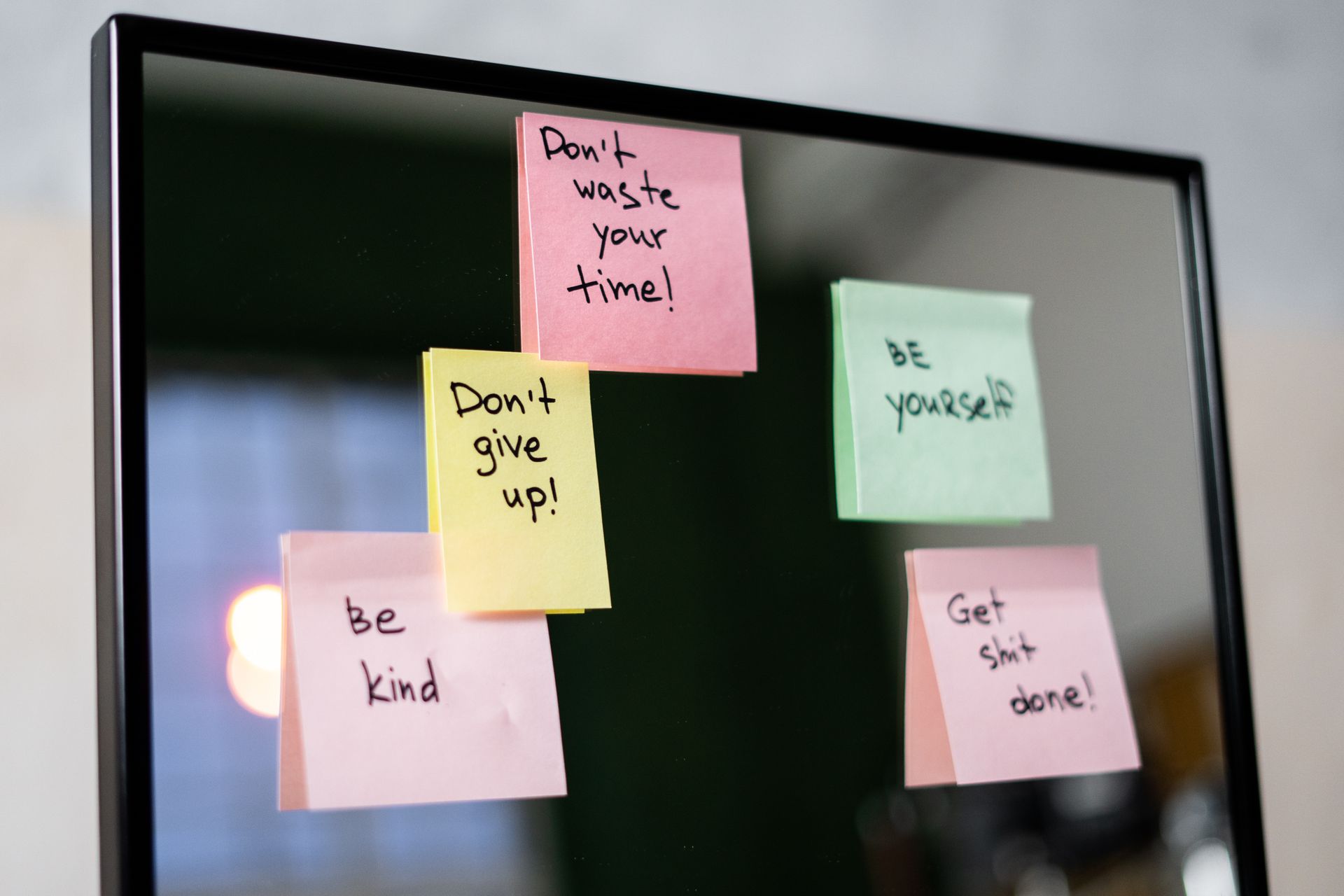
Organizing your collage into structured zones prevents visual clutter and ensures every area of your life receives balanced focus. Depending on your personal style, consider organizing your vision board using one of these practical frameworks:
The Categorized Grid System
Divide your board into distinct sections representing core life pillars—such as Career & Business, Health & Wellness, Personal Relationships, Financial Freedom, Travel & Adventure, and Mindful Living. This structured approach ensures a comprehensive overview of your overall balance.
The Central Focal Point System
Place your single most important goal or personal core affirmation directly in the center of the board using prominent typography or a large central image. Arrange supporting goals, habits, and secondary inspiration radially outward from this central theme.
The Chronological Timeline System
Arrange your visual elements from left to right, depicting immediate short-term habits on the left and evolving toward long-term future milestones on the right. This layout helps track your personal progression over time.
Step-by-Step Creation Process
Building an effective vision board works best when approached as a mindful, step-by-step ritual rather than a rushed project:
- Clarify Your Primary Intentions: Spend 10 to 15 minutes journaling about your primary aspirations, feelings, and concrete goals before picking up any tools.
- Gather and Cut Raw Materials: Browse through printed sources to cut out imagery, power words, textures, and color swatches that resonate with your goals.
- Draft a Mock Layout: Arrange your cutouts across your board without applying glue. Test different groupings, color harmonies, and focal points until the composition feels balanced.
- Adhere and Personalize: Glue down your elements starting with background textures, then layer photos, overlay text cutouts, and hand-write personal dates or affirmations using markers.
- Frame and Mount: Place your completed board in a high-visibility location—such as near your office desk or bedroom vanity—so you interact with it daily.
Safety, Workspace Ergonomics, and Maintenance
Crafting a physical vision board is a safe, low-impact activity, but keeping a few workspace considerations in mind ensures a comfortable session:
- Safe Cutting Practices: Use precision cutting tools on a flat surface, work in good lighting to prevent eye strain, and store sharp blades safely when finished.
- Adequate Ventilation: If you choose to use permanent markers, spray adhesives, or clear sealing coats, work in a well-ventilated space to avoid breathing fumes.
- Workspace Safety: Keep small decorative items, loose pins, and adhesive caps contained and out of reach of young children or curious pets.
- Ergonomic Posture: Take brief breaks to stretch your neck, back, and wrists during extended 2- to 3-hour crafting sessions to avoid muscle stiffness.
- Preserving Your Collage: Display your board away from direct, harsh sunlight to keep cutouts and printed images from fading over time.
Budgeting, Costs, and Comprehensive Kits
Creating a personalized vision board is highly affordable and scalable depending on whether you source materials individually or invest in pre-packaged sets:
Item / Supply Category | Estimated Cost (USD) | Smart Budgeting Advice |
Base Foam Boards | $3 – $10 | Buy multi-packs at craft supply stores to save on per-board costs for group workshops. |
Print Materials & Magazines | $5 – $15 | Source free discarded publications from local libraries, community centers, or digital printouts. |
Cutting & Adhesive Tools | $7 – $23 | Repurpose basic household scissors and glue sticks rather than buying specialized tools. |
Markers & Lettering Sets | $5 – $20 | Dual-tip brush markers offer both fine line writing and broad background coloring in one tool. |
Complete Crafting Kits | $20 – $50 | All-in-one kits include pre-printed clip art, quotes, adhesive strips, and backing boards for maximum convenience. |
Duration and Accessibility
A typical vision board session takes approximately 1 to 3 hours, depending on how much time you dedicate to initial reflection, image searching, and precise collage construction. Many people complete their project in a single focused afternoon, while others enjoy building their board gradually over several days as new inspiration strikes.
This low-impact activity requires basic fine motor skills for cutting, placing, and gluing items. Because the activity is seated and adaptable, anyone can participate regardless of athletic ability or prior artistic training. Using pre-cut stencils or digital printables makes the process smooth for participants with limited dexterity.
Combining Goal-Setting Workshops with Mindful Travel

Many people enjoy creating a vision board as part of organized wellness retreats, life-coaching workshops, or restorative weekend getaways. Attending an out-of-town retreat provides a distraction-free environment to reflect deeply on your goals alongside like-minded participants.
Organizing Travel for Workshops and Seminars
When booking travel for personal development retreats, goal-setting seminars, or wellness conferences, coordinating logistics early keeps your focus entirely on your growth:
- Flight Bookings: You can check flights here or compare itineraries here to secure optimal flight connections to retreat destinations.
- Hotel Reservations: You can check accommodation here to find peaceful boutique hotels or wellness resorts hosting goal-setting workshops.
- Vacation Rental Estates: If hosting a private goal-setting retreat with friends or colleagues, you can book a stay here to secure a spacious house with large communal tables and bright creative spaces.
- Excursions and Workshops: Explore local creative workshops or guided mindfulness sessions during your trip by choosing to book a tour here or check activities here.
- Event Ticket Access: For major inspirational conventions, personal development summits, or guest speaker events, you can book a ticket here to secure reserved venue seating.
Cultural Origins and Psychological Roots
The practice of creating a vision board draws heavily from established principles in cognitive psychology, sports psychology, and mental rehearsal techniques. Top athletes have long used visual rehearsal to improve physical performance by firing the same neural pathways used during actual movement.
The concept expanded into mainstream popular culture through self-help movements, wellness literature, and mindfulness practices emphasizing clear intentionality. Modern neuroscience supports visual goal setting by demonstrating how visual cues stimulate the brain’s Reticular Activating System (RAS). This cognitive filter helps you notice relevant opportunities, resources, and connections in your daily environment that align with your primary focus. Creating a vision board bridges abstract cognitive visualization with physical action, turning intangible dreams into an actionable daily focus.
Frequently Asked Questions (FAQs)
How often should I update or change my vision board?
Many people construct a new board annually—often during the New Year or on a birthday—to align with fresh personal goals. However, you can update your board whenever you achieve a major milestone, experience a shift in your life priorities, or simply want to refresh your visual inspiration.
What is the difference between a mood board and a vision board?
While both involve creative collaging, a mood board focuses primarily on aesthetic direction, interior design ideas, color schemes, or styling projects. A vision board focuses on personal growth, long-term life intentions, career goals, mindset shifts, and holistic lifestyle aspirations.
Should I keep my board private or display it publicly?
This depends entirely on your personal preference. Displaying your board in a visible location—such as your bedroom or home office—provides continuous subconscious reinforcement. However, if your goals feel deeply personal, keeping it in a private space where you can review it during morning routines works just as well.
Start Visualizing Your Future Today
Whether you are hosting an intimate crafting session at home with friends, setting personal goals for the upcoming year, or attending a wellness retreat, building a vision board is an empowering way to direct your focus toward what matters most. Gather your tools, select your images, layout your goals, and enjoy the transformative process of bringing your future into clear visual focus!



 Welcome,
