

The Ultimate Guide to Taking a Helicopter Ride: Flight Preparation, Safety, Gear, Costs, and Global Travel Logistics
Taking a helicopter ride appeals to people who enjoy unique perspectives, adventure experiences, and witnessing landscapes from above. If you like the thrill of flight, seeing famous landmarks from the sky, and experiencing something outside ordinary travel, taking a helicopter ride often feels unforgettable rather than frightening. It is especially appealing to people who appreciate aerial photography, enjoy bucket-list experiences, and want to see the world from a breathtaking vantage point.
The core purpose of a helicopter ride is to experience flight in a way that offers unobstructed views and unique access to landscapes, cities, and landmarks. Passengers enjoy panoramic sightseeing while pilots provide live narration about the geographical areas below. The experience combines adventure, education, and visual wonder in a single, high-elevation activity that transforms standard sightseeing into a thrilling aerial journey.
Essential Benefits of a Helicopter Ride
Booking a helicopter ride provides distinct visual, physical, and travel advantages that make it a favorite activity for adventure seekers worldwide:
- Unmatched Aerial Perspectives: Provides breathtaking aerial views inaccessible by other means, revealing natural contours, mountain ranges, and city skylines in full detail.
- Memorable Bucket-List Experiences: Creates unforgettable memories and bucket-list experiences perfect for anniversaries, birthdays, and special travel celebrations.
- Superior Photography Opportunities: Offers unique photography opportunities from above, letting travelers capture sweeping landscape shots and geometric urban grids.
- Maximum Sightseeing in Minimal Time: Delivers high-impact adventure and excitement in a short time frame, allowing you to view massive geographic regions within minutes.
- Access to Isolated Environments: Allows access to remote or otherwise unreachable locations, including secluded glacier landings, volcanic craters, and private alpine ridges.
Is a Helicopter Ride Right for You?
While a helicopter ride offers an exhilarating escape, this experience may not be enjoyable if you have a severe fear of heights or flying, are exceptionally prone to motion sickness, or feel uncomfortable in confined cabin spaces. However, modern aircraft feature quiet interiors, climate control, and smooth rotor systems designed to maximize passenger comfort. For most travelers, the thrill of soaring above iconic landscapes far outweighs initial nervousness.
Essential Flight Gear, Apparel, and Packing Checklist
Equipping yourself with appropriate clothing and flight accessories ensures you remain comfortable, safe, and ready for photography throughout your time in the air.
Essential Item | Purpose and Flight Function |
High-Resolution Camera | Capturing the panoramic views with a dedicated Camera preserves the experience through stunning aerial photos and high-definition video clips. |
Polarized Eyewear | Reducing glare and improving visibility with polarized Sunglasses helps you see clearly through acrylic helicopter windows under bright sunlight. |
Shoulder Wrap or Scarf | Layering against cabin drafts with a soft Shall keeps you warm in high-altitude environments without adding bulky weight. |
Protective Footwear | Wearing comfortable Closed Toe Shoes meets strict aviation safety requirements and provides stability during tarmac boarding. |
Motion Nausea Relief | Taking preventative Motion Sickness medication before your flight prevents nausea if you are sensitive to banking maneuvers. |
Secured Headwear | Securing your headwear with a windproof Hat with Strap prevents it from blowing away on windy helipads or open-door flights. |
Hands-Free Storage | Keeping personal essentials inside a compact Small Crossbody ensures valuables stay secure without loose items sliding around the cabin floor. |
Power Bank Backup | Charging devices beforehand with a reliable Portable Charger guarantees full battery capacity for continuous flight recording. |
Acoustic Protection | Protecting your hearing with noise-canceling Earplugs or aviation headsets significantly reduces ambient engine and rotor noise. |
Optical Magnification | Enhancing distant views with compact Binoculars allows you to spot wildlife, hiking trails, and architectural details far below. |
Step-by-Step Helicopter Tour Sequence
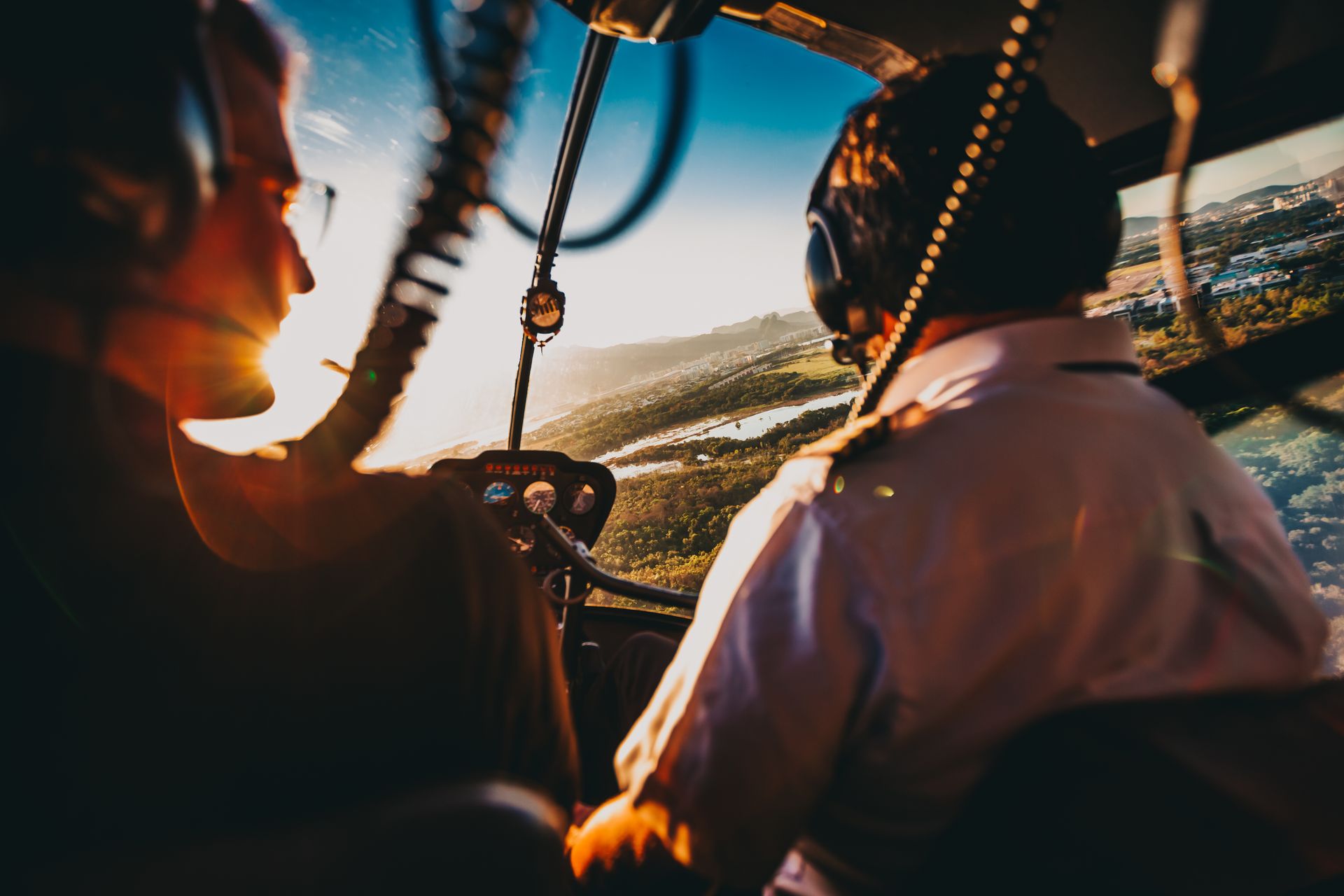
Understanding what to expect from arrival to departure ensures a seamless, worry-free flight experience:
- Terminal Check-In and Weigh-In (30 to 45 Minutes Prior): Passengers arrive at the flight terminal, complete passenger manifests, and undergo discreet weight checks to assist ground crews with aircraft weight and balance distribution.
- Pre-Flight Safety Briefing (15 Minutes Prior): Ground staff present a mandatory safety orientation explaining emergency exits, life vest operation, seatbelt adjustment, and tarmac walking protocols.
- Escorted Tarmac Boarding: Staff guide passengers out to the helipad along designated safety paths, securing each guest into assigned seats with multi-point flight harnesses.
- Flight Execution and Pilot Narration: The pilot initiates engine start-up, communicates with air traffic control, takes off vertically, and conducts the scenic flight route while sharing historical and geographic commentary.
- Touchdown and Photo Opportunity: The aircraft returns smoothly to the helipad, where ground staff unbuckle passengers and assist with post-flight photos alongside the helicopter.
Flight Safety Protocols, Passenger Rules, and Aircraft Regulations
Commercial flights operating a helicopter ride are conducted by licensed commercial pilots and strictly regulated by aviation authorities such as the Federal Aviation Administration (FAA) or international civil aviation bodies. Following essential passenger safety rules guarantees a safe flight for everyone on board:
- Obey Crew Instructions: Always follow all pilot and crew instructions regarding seating, seatbelts, and aircraft entry or exit paths.
- Secure All Loose Items: Secure loose items like phones, cameras, and keys inside your small crossbody bag or leave non-essentials with ground staff prior to entering the tarmac.
- Wear Proper Footwear: Wear comfortable closed-toe shoes for safe boarding, landing site walks, and tarmac navigation.
- Disclose Medical Concerns: Inform the operator of any heart conditions, mobility limitations, or severe claustrophobia before flying to ensure proper accommodations.
- Fasten Flight Belts Continuously: Keep seatbelts and safety harnesses securely fastened throughout the entire duration of the flight.
- Maintain Cabin Boundary Safety: Do not lean out of open doors or extend camera gear past structural doorframes unless specifically instructed during specialized doors-off flights.
- Listen to the Safety Briefing: Pay strict attention to pre-flight safety briefings and pilot announcements regarding rotor blade safety zones.
Crucial Safety Rule: Never approach or walk away from a helicopter toward the rear tail rotor. Always approach and exit the aircraft from the front or side within direct view of the pilot or ground crew.
Types of Helicopter Flight Experiences
Different flight configurations cater to specific preferences, ranging from peaceful sightseeing to heart-pounding open-air maneuvers:
- Traditional Doors-On Sightseeing Flights: Feature fully enclosed, climate-controlled cabins with floor-to-ceiling glass viewports, ideal for families and first-time flyers wanting a smooth, quiet journey.
- Doors-Off Photography Flights: Feature fully removed side doors, allowing professional photographers and thrill-seekers clear, reflection-free photo angles of landmarks below.
- Glacier and Mountain Landing Tours: Combine scenic flight transit with remote wilderness touch-downs, allowing passengers to step out onto ancient ice fields or isolated mountain peaks.
- Night City Skyline Tours: Focus on illuminated metropolitan areas, providing dazzling aerial views of glowing skyscrapers, bridges, and city grids after dusk.
Financial Cost Breakdown for a Helicopter Ride
Budgeting for a helicopter ride involves accounting for ticket prices, tour durations, and optional gear purchases:
Expense Category | Price Range (USD) | Service and Inclusion Details |
Introductory Sightseeing Tour (15–20 Mins) | $100 – $200 per seat | Short coastal, city skyline, or harbor flights covering essential landmarks. |
Standard Grand Sightseeing Tour (30–45 Mins) | $220 – $380 per seat | Extended routes over major natural features like canyons, waterfalls, or mountain ranges. |
Premium Landing Experience (60+ Mins) | $450 – $850+ per seat | Comprehensive flight packages including remote glacier, vineyard, or mountain landings. |
Private Helicopter Charter | $1,200 – $3,500+ total | Exclusive aircraft rental for private groups, custom flight paths, or romantic flights. |
Essential Flight Accessories | $15 – $60 combined | Personal accessories such as a windproof Hat with Strap or noise-reducing Earplugs. |
Physical Requirements, Weight Limits, and Accessibility
A helicopter ride requires minimal physical exertion, making it one of the most accessible adventure activities available to travelers:
- Mobility and Boarding: Passengers must be able to step up into the cabin (typically one to two footsteps off the tarmac) and remain seated upright during flight.
- Weight and Balance Distribution: Operators collect accurate body weight measurements prior to boarding. Individual seat weight limits (often around 250 to 300 lbs) or total aircraft weight limits apply to ensure proper aircraft balancing. Passengers exceeding individual limits may be required to purchase an additional comfort seat.
- Accessibility Accommodations: Major operators offer specialized ramp access and boarding assistance for guests with mobility limitations, provided advance notice is given during booking.
Travel Logistics, Booking Excursions, and Global Destinations
Integrating a helicopter ride into your travel itinerary transforms a standard vacation into an extraordinary journey. Iconic global flight locations include the Grand Canyon and Manhattan skyline in the United States, the Na Pali Coast in Hawaii, Victoria Falls in Africa, and the Swiss Alps in Europe.
Reserving Flight Tours and Sightseeing Passes
Booking your aviation excursion early guarantees availability during peak travel seasons. To secure your flight, you can book a tour here or check activities here to browse top-rated flight operators, compare doors-on versus doors-off routes, and read verified passenger reviews. If your trip involves attending regional entertainment events, stadium shows, or festival performances while in the host city, you can book a ticket here to complete your evening itinerary.
Transportation and Lodging Arrangements
Coordinating seamless travel logistics ensures you arrive at the heliport relaxed and on schedule:
- Flight Reservations: You can check flights here or compare itineraries here to schedule air travel connections directly into major helicopter tour hubs worldwide.
- Hotel Accommodations: You can check accommodation here to find luxury hotels, resort stays, or airport boutique lodging situated close to terminal helipads.
- Private Vacation Rentals: For family groups or couples seeking private retreat settings near mountain flight bases, you can book a stay here to secure spacious rental homes equipped with scenic views.
History and Cultural Legacy of Vertical Flight
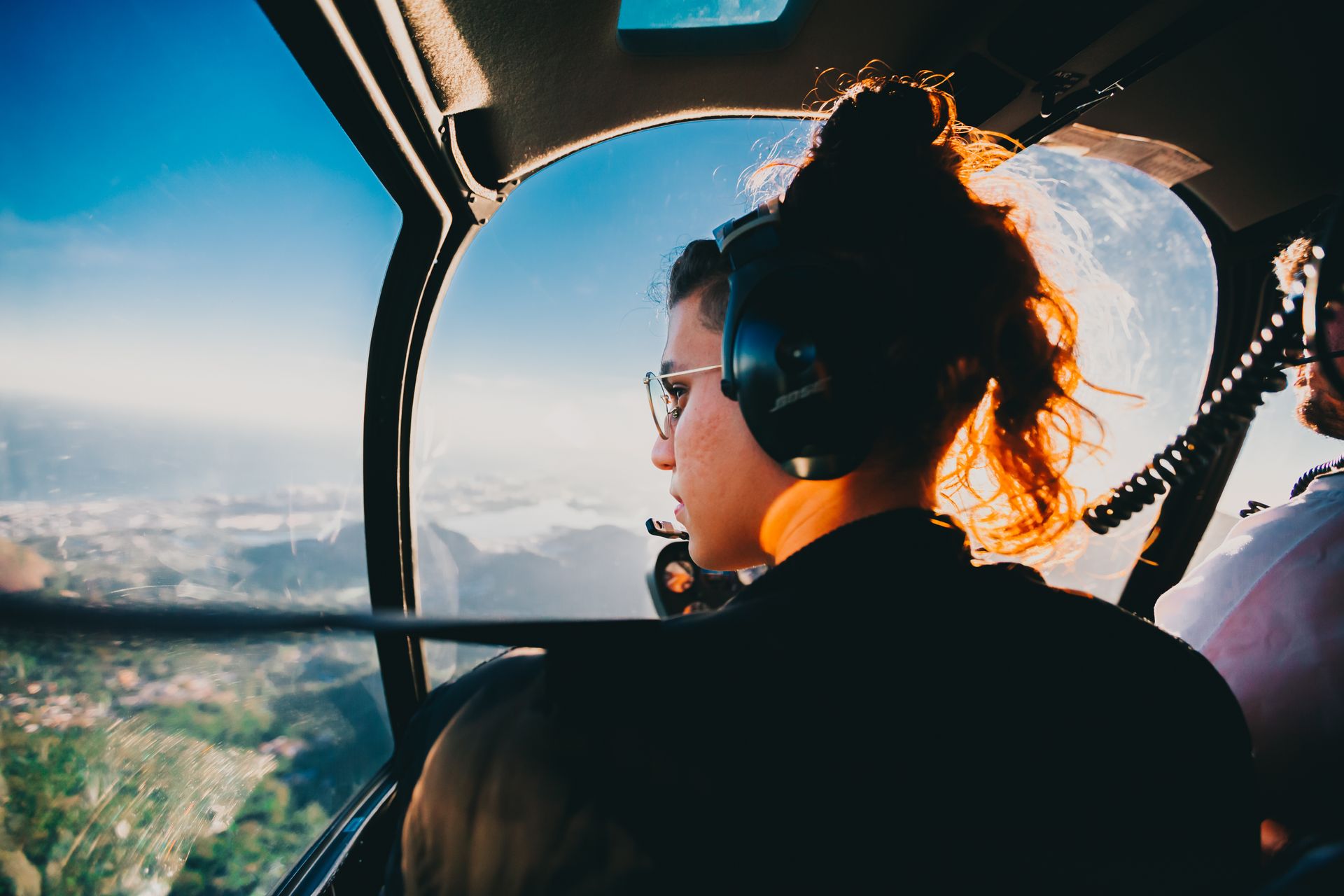
Helicopter flight represents human technical innovation and the age-old dream of witnessing the world from above. Early concepts trace back to Leonardo da Vinci’s fifteenth-century aerial screw sketches, but modern vertical flight became reality in 1939 when Igor Sikorsky successfully designed and piloted the V-300, establishing the single main rotor layout used today.
Beyond military and medical search-and-rescue applications, helicopter tours have evolved into a cornerstone of modern adventure tourism worldwide. By offering access to rugged wilderness areas, active volcanic zones, and sweeping cityscapes, taking a helicopter ride connects passengers directly to the wonder of aerial exploration and human flight innovation.
Frequently Asked Questions About Taking a Helicopter Ride
How far in advance should I book a helicopter ride?
It is best to book your flight 2 to 4 weeks in advance, especially when visiting high-demand destinations like Hawaii, the Grand Canyon, or New York City, where popular sunset and doors-off time slots fill quickly.
What happens if bad weather occurs on the day of my flight?
Commercial operators monitor local meteorological conditions constantly. If rain, low cloud ceilings, or high winds prevent safe flying, operators will reschedule your flight for a clear weather window or issue a full refund.
Is taking a helicopter ride safe for children and seniors?
Yes. Flight tours are suitable for passengers of all ages. Infants under two years old can often sit on an adult’s lap with an approved harness, while seniors enjoy smooth, low-impact seating with panoramic views.
Explore More Adventure Travel and Excursion Guides
Looking for more inspiring travel itineraries, packing tips, or bucket-list activity guides? Browse our complete collection of outdoor lifestyle articles on Kenyago to plan your next high-flying adventure!










 Welcome,
