

Guide to Snowmobile Riding: Gear, Locations, and Safety
Riding a snowmobile through winter backcountry trails offers an exhilarating blend of speed, outdoor adventure, and breathtaking winter scenery. Whether you plan to navigate groomed forest routes or carved mountain powder, understanding vehicle controls, trail safety, and essential winter apparel is vital. This comprehensive guide covers everything enthusiasts need to know about operating a snowmobile safely, equipping yourself with proper gear, selecting top trail networks, and arranging your winter travel logistics seamlessly.
Essential Riding Gear and Cold-Weather Apparel
Staying safe and warm while operating a snowmobile requires specialized winter clothing that blocks freezing winds while retaining essential body heat. Selecting high-performance gear specifically designed for powersports ensures maximum comfort during long trail sessions across sub-zero wilderness environments.
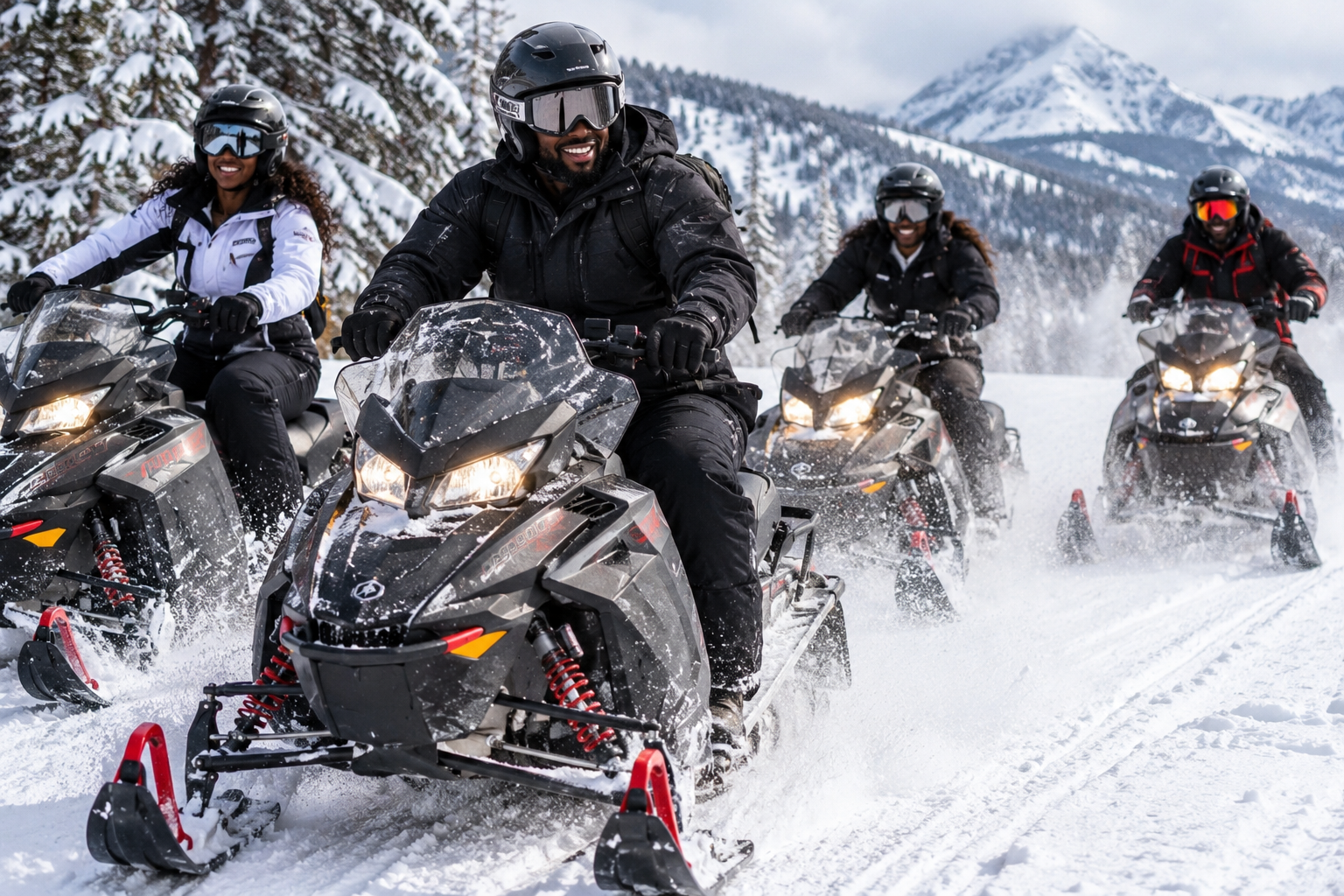
Your primary defense against head injuries and freezing windburn is a DOT-certified winter Helmet featuring a dual-pane anti-fog visor or electric shield. Pair your helmet with insulated, waterproof Boots rated for extreme winter temperatures to keep feet warm and steady on snowmobile running boards.
Outer protection requires a windproof, heavy-duty winter Jacket built with reinforced stitching and reflective safety panels for daytime and night visibility. Complement your jacket with matching waterproof Snow Pants or bibs that guard against wind penetration and wet powder buildup while riding.
Effective layering underneath your outer shell maintains thermal insulation throughout variable mountain conditions. Start with a moisture-wicking thermal Base Layer to pull sweat away from your skin during intense physical maneuvers.
Complete your protective riding apparel with windproof thermal Gloves offering reinforced palm grips for responsive handlebar control. Finally, pull on thick, moisture-wicking merino wool Socks to safeguard your extremities against frostbite during extended rides.
Step-by-Step Guide to Safely Operating a Snowmobile
Operating a snowmobile requires active body positioning, smooth throttle control, and constant spatial awareness. Follow this step-by-step procedure to operate your snowmobile smoothly and safely during your winter riding sessions:
- Step 1: Conduct a Thorough Pre-Ride InspectionCheck the fuel and engine oil levels before mounting the snowmobile. Inspect the track tension, ski alignment, headlight function, tail lights, and handlebar throttle response to confirm full mechanical readiness before starting the engine.
- Step 2: Start the Engine and Attach the Safety TetherSit centrally on the seat with your feet planted securely inside the footwells. Securely clip the emergency ignition kill-switch tether to your jacket or wrist, ensuring the engine shuts down automatically if you become separated from the vehicle. Turn the key or pull the starter cord to start the snowmobile engine.
- Step 3: Gradually Engage the Throttle and Practice BrakingGently squeeze the thumb throttle located on the right handlebar to engage the clutch and propel the snowmobile forward smoothly. Test the brake lever on the left handlebar at low speed on flat snow to feel stopping distance and braking responsiveness.
- Step 4: Shift Your Body Weight When Steering into TurnsLean your upper body toward the inside of every turn while turning the handlebars toward your intended direction. Shifting your weight compensates for centrifugal force, pressing the inside ski into the snow surface to maintain stability and prevent tipping over on sharp curves.
- Step 5: Maintain Safe Following Distances and Bring the Vehicle to a StopMaintain a generous stopping distance behind other riders, increasing the gap on icy or uncompacted snow surfaces. To bring the snowmobile to a complete stop, ease off the thumb throttle completely while applying steady, progressive pressure to the brake lever.
Top Snowmobile Destinations and Trail Networks
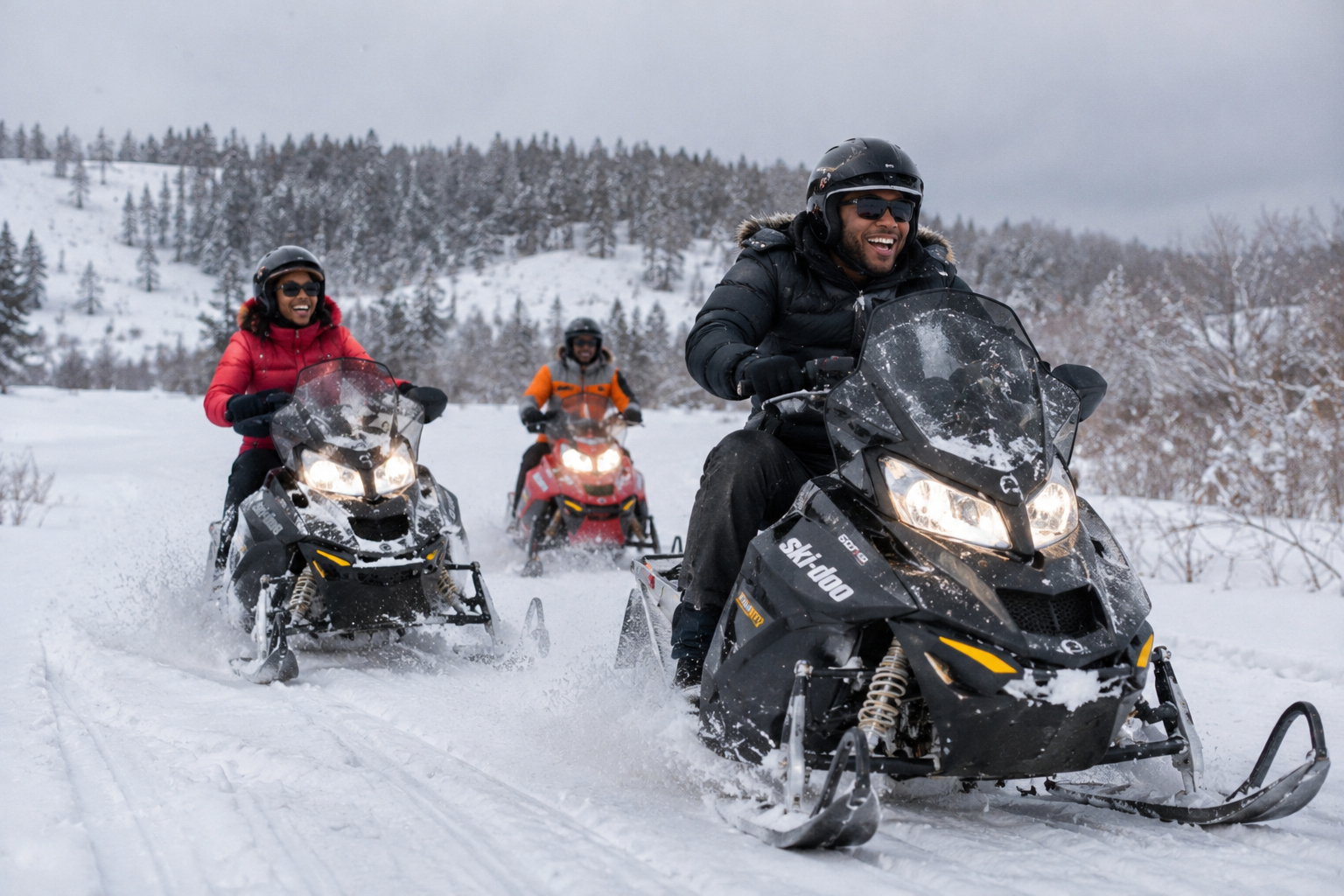
Finding pristine trail networks enhances speed, scenery, and overall riding satisfaction. Premier winter destinations feature thousands of miles of interconnecting, well-maintained corridors for riders of all experience levels.
| Destination Name | Region / State | Key Trail Features & Attractions |
| Vilas County Trail System | Eagle River, Wisconsin | Over 500 miles of groomed forest paths, frozen lake crossings, and scenic woodland loops. |
| West Yellowstone Trails | West Yellowstone, Montana | Epic deep-powder mountain riding, backcountry access, and guided thermal basin excursions. |
| St. Germain Trail Network | St. Germain, Wisconsin | Highly maintained forest trail systems connecting cozy northwoods lodges and pit stops. |
| Togwotee Pass | Dubois, Wyoming | Legendary high-altitude powder terrain, steep alpine bowls, and vast open backcountry riding. |
| Aroostook County Trails | Northern Maine | Over 2,300 miles of wide, uncrowded groomed corridors running through remote timberlands. |
Navigating the vast Wisconsin snowmobile trails provides incredible scenic views through frozen forests and lakes, drawing thousands of winter sports enthusiasts every season. When planning a multi-day trip across northern trail networks, booking convenient lodging near trailhead access routes makes your journey seamless and comfortable.
You can easily check accommodation here to find cozy alpine lodges, cabin rentals, and snow-cleared hotels close to major riding systems. If you prefer home-style rentals with private trailer parking and heated garages, you can check accommodation here for mountain homes suited for large riding groups.
When traveling long distances across country to premier mountain snowmobile destinations, you can book a ticket here to secure flight, hotel, and vehicle package deals. For alternative regional stay options and winter resort stays, feel free to check accommodation here to compare seasonal room availability.
For guided mountain backcountry excursions and professional rental bookings, you can book a ticket here to lock in expert local trail guides. You can also book a ticket here to reserve organized winter wilderness tours, snow coaching sessions, and regional outdoor excursions easily.
For access to regional winter sports festivals, snowcross spectator events, or winter expo admission passes, you should book a ticket here to secure entry passes ahead of time.
Snowmobile Models, Licensing, and Legal Requirements
Selecting the right vehicle depends on your experience level, terrain preferences, and family needs. Trail models offer smooth suspension and comfortable seating for long-distance touring, while mountain sleds feature longer, deeper-lugged tracks designed to float over deep alpine powder.
| Vehicle Type | Ideal Terrain | Engine & Design Characteristics |
| Trail Touring | Groomed Trail Corridors | Electric start, heated handgrips, comfortable two-up seating, and smooth suspension setups. |
| Mountain Crossover | Deep Powder & Backcountry | Lightweight frames, high-horsepower engines, long tracks, and aggressive deep-powder lugs. |
| Youth / Mini | Flat Training Grounds | Smaller engines, speed governors, low seat heights, and lightweight frames for young beginners. |
| Utility Sleds | Deep Snow & Work Sites | Wide tracks, heavy towing hitches, high torque, and rugged cargo racks for equipment hauling. |
Introducing younger family members to winter sports using a specialized kids snowmobile offers a fun, controlled way to build riding confidence under adult supervision. Youth models feature built-in speed governors and safety cut-off switches to ensure complete safety during practice sessions.
Before hitting public trail networks, securing adequate snowmobile insurance is essential to protect against potential vehicle damage, personal liability, and trail collisions. Most states require state trail passes, valid vehicle registrations, and safety course certifications before operating on public lands.
Complementary Outdoor Activities and Winter Experiences
Winter sports lovers often enjoy combining motorized trail outings with other exciting cold-weather activities. Taking time to enjoy snowtubing guide safety locations and cost offers thrilling downhill speed and fun for family members of all ages.
If you enjoy graceful outdoor movement across frozen surfaces, reviewing our updated ice skating guide location cost and more provides fantastic tips for public rinks and frozen lakes. Additionally, winter travelers seeking relaxing warm-water recovery after cold riding days can explore our guide on visiting a soothing hot springs visit cost preparation places and more.
For adventure lovers interested in high-altitude aerial views over snowy mountain valleys, reading our helicopter ride gear preparation cost and more outline helps you plan unforgettable alpine tours. You can also discover a wide array of year-round recreational itineraries on the main Kenyago platform.
When the weather turns warmer, powersports enthusiasts often transition to water adventures like watercrafting or exploring coastal waterways, as detailed in our guide to paddleboarding guide cost best places to visit.
Trail Etiquette, Safety Rules, and Backcountry Maintenance
Responsible riding relies on adhering strictly to posted speed limits, staying on the right side of groomed paths, and respecting private land boundaries. Always yield to trail grooming equipment and maintain low speeds near trailheads, populated areas, and road crossings.
Riding in groups requires clear hand signals to communicate stopping decisions, hazards, and the number of trailing riders behind you. Carrying a winter emergency kit containing tow straps, extra drive belts, spark plugs, basic hand tools, and high-energy rations ensures self-sufficiency on remote trails.
Checking avalanche conditions and weather forecasts before riding into backcountry areas is vital for wilderness safety. Equipping every rider with avalanche beacons, probes, and snow shovels safeguards your group during high-altitude backcountry journeys.











 Welcome,
