

Skate Park Guide Prep List, Safety, Best Time To Visit, Locations, Cost, & More
Visiting a skate park appeals to people who love skating, crave the thrill of mastering tricks, and want to be part of one of the most creative and expressive action sport cultures in the world. If you enjoy the feeling of rolling on four wheels or a board, pushing your physical limits, and learning skills that take dedication and courage to develop, the skate park often becomes one of your favorite places to spend time. It is especially appealing to young people, creative athletes, and anyone who is drawn to the freestyle and individualistic spirit of skate culture.
The purpose of visiting a skate park is to use a designated facility built with ramps, rails, bowls, and street obstacles to practice and develop skating skills in a safe and purpose-built environment. Whether you are learning your first kick turn on a small ramp or landing advanced tricks in a competition-style bowl, following a comprehensive skate park guide helps you navigate the park with confidence. The experience combines physical skill, creative expression, and the deep satisfaction of landing something you have been working toward.
Why Visiting a Skate Park Delivers Unmatched Rewards
Stepping onto the concrete at your local facility opens up a world of physical progression and supportive community connections. Utilizing a reliable skate park guide allows skaters of all backgrounds to maximize their time on obstacles while engaging with action sports culture.
Top Health, Fitness, and Cultural Benefits
Riding at a local facility provides substantial physical and personal development opportunities. Here are the primary benefits you will experience when incorporating a skate park guide into your routine:
- Full-Body Workout: Provides an excellent workout for balance, coordination, core strength, and cardiovascular fitness during active sessions.
- Endless Skill Progression: Creates a deeply rewarding skill-based activity with endless progression and creative expression across every obstacle.
- Welcoming Skate Community: Offers a welcoming and supportive community environment for skaters of all experience levels and backgrounds.
- Personal Growth: Delivers a sense of accomplishment and personal growth with every new trick or obstacle mastered at the facility.
- Cultural Connection: Connects you to one of the most influential and enduring youth cultures in the world through your local skate park guide resources.
Is Skate Park Riding Right for You?
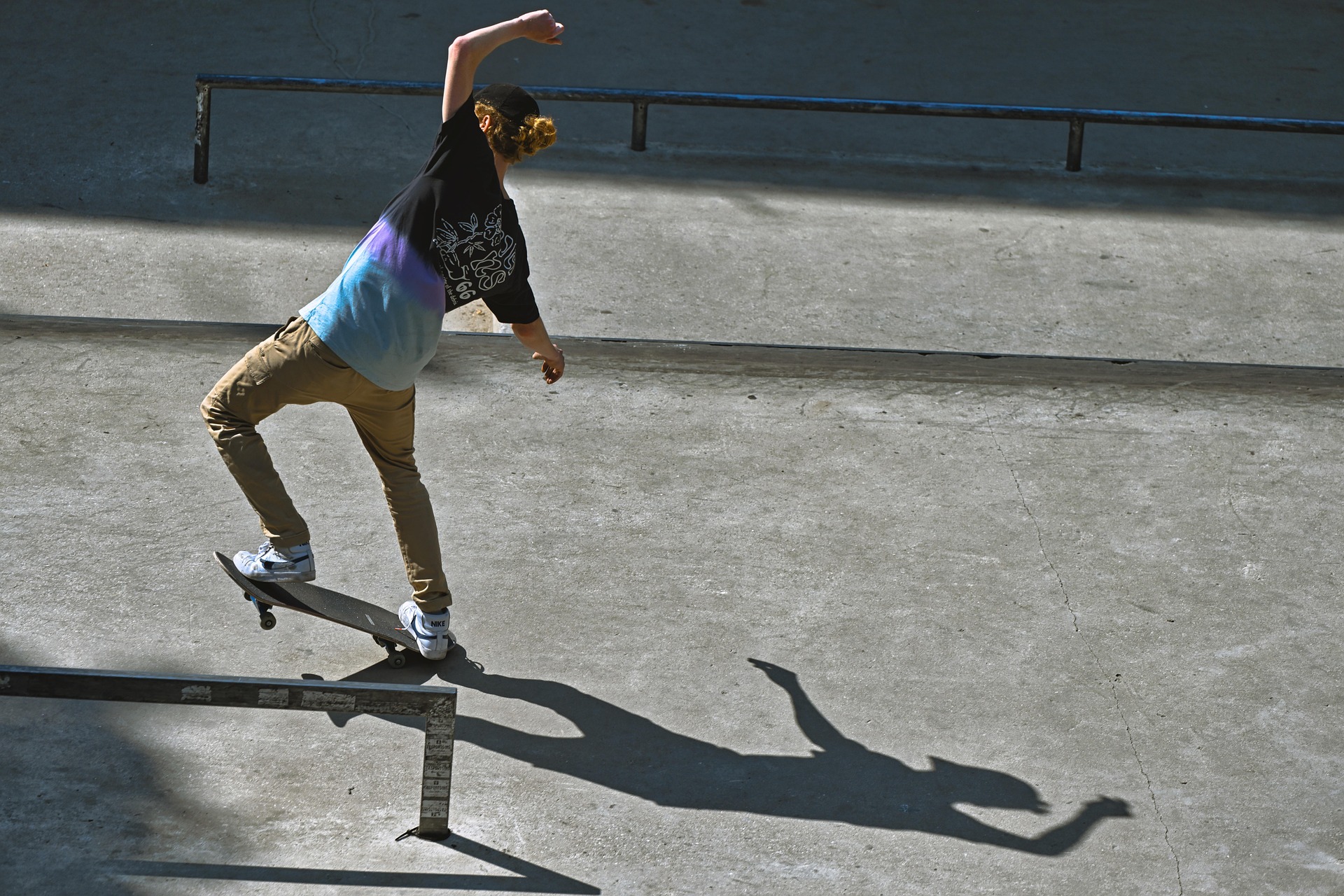
While navigating a park with a skate park guide is an exciting experience, it is helpful to assess your expectations before riding. This experience may not be enjoyable if you are uncomfortable with falls and physical risk, dislike loud and busy outdoor environments, or are looking for a low-intensity activity. However, taking things at your own pace makes the environment approachable for almost anyone.
Essential Gear and Prep List for the Skate Park
Having the right protective equipment and setup directly impacts your safety, control, and performance. Before heading out, consulting a skate park guide ensures you pack all the essential gear on your prep list for a productive session.
Must-Have Prep List Items and Gear
Packing the right equipment ensures your time on the ramps remains comfortable and safe. Here are the core prep list items every skater needs according to our skate park guide:
Wearing a properly fitted helmet is the most important safety decision you can make at the skate park and should never be skipped regardless of your skill level. Riding a quality skateboard that is appropriate for your style and the terrain you are skating makes learning and progressing significantly more manageable. Wearing closed toe shoes with a flat sole provides the grip and board feel essential for control during skating.
Bringing a water bottle keeps you hydrated during active sessions, especially on warm days at outdoor parks. Wearing wrist guards protects your wrists from the impact of falls, which are the most common source of skating injuries. Wearing gloves provides additional hand protection and reduces the sting of sliding out on rough concrete. Wearing comfortable socks inside your skate shoes improves comfort and reduces blisters during longer sessions at the park.
Choosing Apparel for Optimal Performance
Selecting proper clothing keeps you cool, agile, and protected from concrete scrapes. Here are the recommended apparel guidelines from our skate park guide:
Lace up durable closed toe shoes that offer flat rubber outsoles for maximum grip on your grip tape. Pair them with breathable, cushioned socks to protect your feet during heavy impacts. Fasten your helmet securely under your chin before stepping onto any ramps or bowls. Strap on sturdy wrist guards and pull on flexible gloves to safeguard your hands during unexpected slides. Always keep a full water bottle nearby on the perimeter ledge to rest and hydrate between runs.
Safety Rules and Risk Management in Our Skate Park Guide
Skating involves a meaningful risk of falls and impact injuries, but proper safety gear and park etiquette dramatically reduce those risks. Adhering to the guidelines in this skate park guide ensures a safe experience for everyone sharing the facility.
Essential Safety Rules and Guidelines
To maintain a safe environment for yourself and fellow skaters, keep these key safety protocols in mind during every session:
- Always Wear Protection: Always wear your helmet and wrist guards on every session at the facility.
- Use Proper Footwear: Wear your closed toe shoes at all times and never skate in sandals or bare feet.
- Pads for New Obstacles: Consider adding knee and elbow pads, especially when attempting new tricks or skating larger obstacles detailed in this skate park guide.
- Follow Flow and Etiquette: Stay aware of other skaters and follow unwritten rules, such as taking turns on obstacles and announcing yourself before dropping into a bowl.
- Maintain Hydration: Stay hydrated by drinking from your water bottle regularly between active runs.
- Mind Park Rules: Check posted park signage for specific rules, operating hours, and age recommendations for technical sections.
Difficulty Levels, Session Duration, and Physical Demands
Understanding the learning curve and physical demands outlined in our skate park guide helps you structure rewarding sessions that match your conditioning.
Progression and Difficulty Expectations
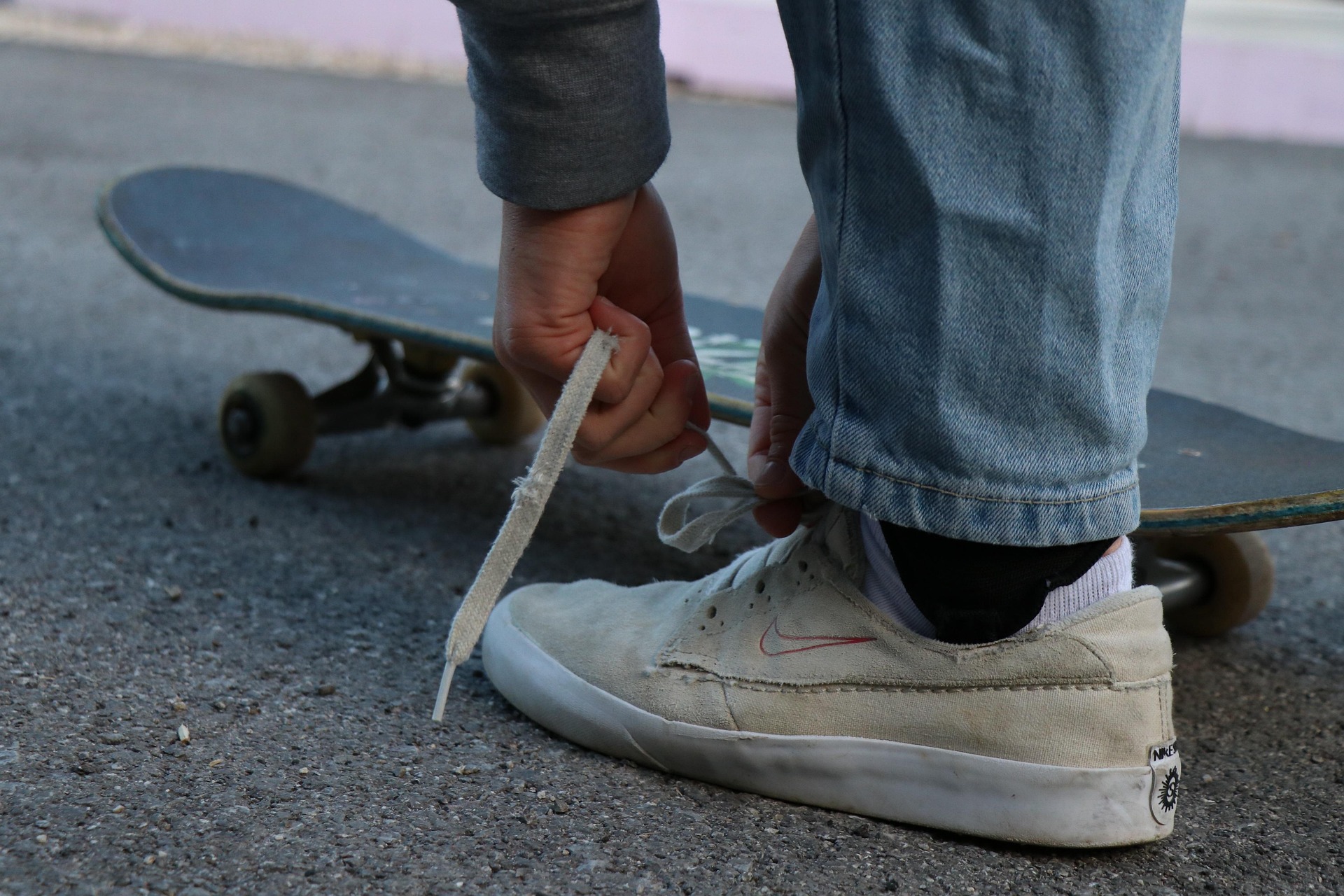
Skateboarding has a steep but incredibly rewarding learning curve. New riders should focus on pushing, braking, and turning comfortably on flat ground before attempting ramps or street features. Most facilities offer beginner-friendly areas and smaller ledges that allow newer skaters to build confidence safely alongside experienced peers. Watching more technical skaters and asking questions is one of the best ways to learn, as skate culture is generally welcoming and generous with advice. Following a structured skate park guide helps you pace your practice so progression comes steadily through patience and repetition.
Session Duration and Physical Requirements
A typical park session can last anywhere from 30 minutes to several hours depending on your energy level, weather conditions, and how locked in you feel on your board. Most recreational riders enjoy sessions of 1 to 2 hours, while dedicated skaters often spend entire afternoons at the facility working on specific tricks. The open-ended nature of skating means there is no set schedule, allowing you to stay as long as the session feels productive.
In terms of physical requirements, skating requires balance, coordination, and the resilience to fall and get back up. While there are no strict fitness prerequisites, baseline physical activity helps build stamina for longer park runs. Core strength and ankle stability are particularly beneficial for board control. Wearing your wrist guards and helmet protects your body while building the muscle memory emphasized throughout this skate park guide.
Estimated Cost and Financial Breakdown in Our Skate Park Guide
One of the great advantages highlighted in our skate park guide is that using public facilities is highly cost-effective compared to many other action sports. Here is a breakdown of typical cost figures for gear and facility access:
- Park Admission: Most public facilities are completely free to use.
- Skateboard Setup: A quality complete skateboard costs between $60 and $200 for a setup depending on brand preferences.
- Head & Wrist Protection: A certified helmet costs $30 to $80, while durable wrist guards range from $15 to $40.
- Footwear & Apparel: Dedicated skate-ready closed toe shoes cost $50 to $120, protective gloves run $15 to $40, and a multipack of quality socks costs $10 to $30.
- Hydration Gear: A durable water bottle ranges from $10 to $40.
Cultural Significance and Global Impact of Skateboarding
Skateboarding emerged in Southern California in the late 1950s and 1960s as surfers looked for a way to replicate the feeling of riding waves on dry land. What began as “sidewalk surfing” quickly evolved into its own distinct culture, art form, and global movement.
Skate culture gave rise to iconic brands, music scenes, fashion trends, and an ethos of creativity, independence, and resilience that has influenced popular culture for decades. The inclusion of skateboarding in the Tokyo 2021 Olympic Games marked a historic milestone, bringing unprecedented global visibility while sparking healthy debate about the balance between athletic competition and countercultural roots. As noted in every modern skate park guide, whether rolling through neighborhood streets or dropping into a deep concrete bowl, skateboarding connects riders to a fearless, creative, and enduring tradition.
Locations, Logistics, and Best Time To Visit
Finding quality locations and choosing optimal times to skate is a vital part of any skate park guide strategy.
How to Find Nearby Locations and Skate Parks
Quality locations are found in municipal parks, community recreation centers, urban plazas, and private indoor facilities. You can locate park spots using digital maps, specialized skate spot apps, or local shop directories. Most public locations feature a mix of street obstacles like rails and ledges alongside transition features like quarterpipes and bowls. Arriving with a quality skateboard, protective helmet, and full water bottle ensures you are fully prepared from the moment you step onto the concrete.
Best Time To Visit the Skate Park
The best time to visit a skate park for beginners or quiet practice is early in the morning when temperatures are cool and the park is empty. Late afternoons and weekends represent the best time to visit if you want to experience high energy, session with local skaters, and watch advanced trick progressions. Always check weather conditions beforehand, as wet concrete or ramps create hazardous conditions. Following this skate park guide helps you pick the perfect window for a safe and enjoyable session.
Related Activity Guides and Destinations
Looking to explore more action sports or find nearby outdoor recreational spots? Explore our curated destination directories and activity resources across Kenyago to plan your next adventure!










 Welcome,
