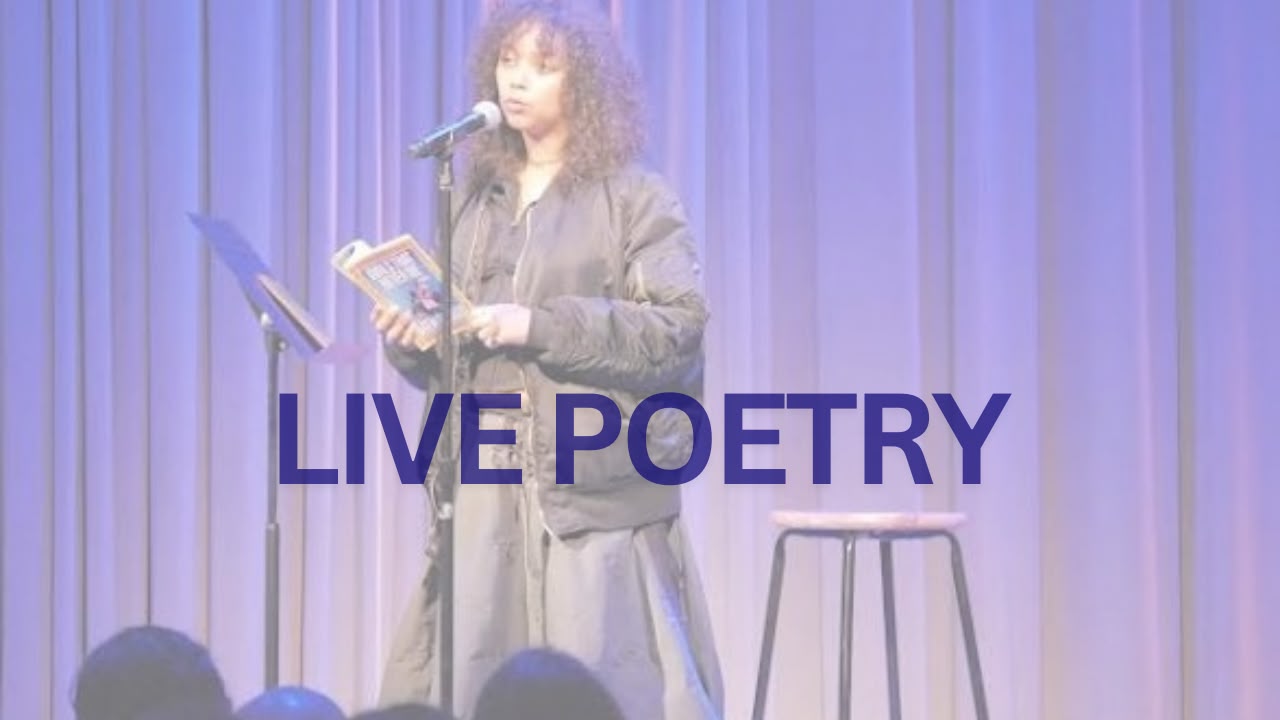

The Complete Guide to Performing Live Poetry: Preparation, Stagecraft, and Venues
Performing live poetry appeals to people who enjoy self-expression, storytelling, and connecting with audiences through the spoken word. If you like sharing your creativity, experiencing the thrill of performance, and engaging with a community that values authentic voices, performing live poetry often feels empowering rather than terrifying. It is especially appealing to people who write as a personal practice, want to challenge themselves to share publicly, and appreciate the raw energy of live artistic expression.
The purpose of performing live poetry is to share your written work with an audience and experience the unique connection that happens when words are spoken aloud. Performers practice vocal delivery, stage presence, and emotional expression while building confidence in their artistic voice. Performing live poetry creates an exchange of energy between poet and audience that transforms written words into a shared experience. To explore more creative arts, performance guides, and cultural activities, visit our Kenyago activities page.
Artistic Empowerment and Stage Expression
Committing to performing live poetry offers deep creative and social rewards that strengthen both public speaking abilities and artistic confidence:
- Public Speaking Confidence: Performing live poetry builds self-confidence and projection skills through regular public speaking practice.
- Audience Engagement: Performing live poetry creates meaningful emotional connections with listeners and fellow writers.
- Creative Feedback: Performing live poetry provides immediate audience feedback that helps refine your pacing, tone, and writing choices.
- Performance Mastery: Performing live poetry sharpens essential stagecraft skills, including breath control, posture, and comedic or dramatic timing.
- Supportive Artistic Community: Performing live poetry introduces you to a diverse network of writers seeking to share their unique voices.
While performing live poetry offers an empowering outlet for artistic expression, the experience may not be enjoyable if you suffer from severe stage fright, dislike being the center of attention, or prefer keeping your writing entirely private.
Stage Prep Essentials and Performer’s Checklist
Bringing the right tools to an open mic or showcase keeps your throat hydrated, your manuscript accessible, and your mind focused on delivery.
Essential Stage & Event Supply | Primary Function and Performance Utility |
Pocket Manuscript Journal | Carrying a compact Small Notebook lets you reference your written verses on stage when performing live poetry. |
Editing & Sign-In Tool | Keeping a reliable Pen allows you to sign the performer list and edit line breaks before performing live poetry. |
Vocal Refreshment Drops | Using smooth Breath Mints refreshes your palate and keeps your throat clean prior to performing live poetry. |
Pre-Show Energy Bite | Eating light Snacks before your set maintains steady physical energy while performing live poetry. |
Hydration Flask | Sipping from a sturdy Water Bottle keeps your vocal cords lubricated while performing live poetry. |
Auditory Protection Gear | Stashing compact Ear Plugs protects your hearing in loud music venues before performing live poetry. |
Stage Vision Aid | Wearing clear Reading Glasses ensures you can read your handwritten cues under dim spotlighting when performing live poetry. |
Anthology & Prompt Collection | Carrying a volume of Poetry Inspiration provides pre-show creative motivation while performing live poetry. |
Venue Door & Merch Reserve | Carrying small bill Cash for Cover Charges pays for admission fees and supports fellow artists when performing live poetry. |
Preparing your manuscript in clear, large print ensures you can glance down easily without breaking eye contact with the crowd.
Format Comparison: Open Mic Nights vs. Competitive Poetry Slams

Choosing where to share your work depends on whether you prefer a casual reading environment or an energetic, scored performance competition:
Performance & Event Factor | Casual Community Open Mic | Competitive Poetry Slam |
Judging and Scoring | Non-competitive reading style; focuses on encouraging artistic experimentation while performing live poetry. | Scored by random audience judges on a 1-to-10 scale, evaluating both writing and performance delivery. |
Time Limit Restrictions | Flexible time slots usually ranging between 3 to 7 minutes per performer. | Strict 3-minute time limit; points are deducted for going over time when performing live poetry. |
Props and Costumes | Props, instruments, and varied reading materials are generally welcomed during the set. | Strict prohibition on props, musical accompaniment, and costumes during competitive rounds. |
Audience Dynamics | Quiet, respectful listening environment followed by warm applause after performing live poetry. | Highly energetic atmosphere with snaps, cheers, boos for judges, and intense audience participation. |
Step-by-Step Sequence for a Successful Stage Performance
Adhering to a methodical preparation routine helps calm pre-show jitters and delivers maximum impact on stage:
- Select and Edit Your Setlist: Choose two or three complementary poems that fit comfortably within your allotted time before performing live poetry.
- Rehearse Out Loud with a Timer: Read your work aloud at home using a stopwatch app to establish steady pacing while performing live poetry.
- Annotate Your Manuscript: Mark pauses, emotional emphasis, and breath points directly on your paper or index cards prior to performing live poetry.
- Arrive Early for Sign-Up: Enter the venue early to secure your spot on the performer list and greet the host before performing live poetry.
- Adjust the Microphone Height: When called to the stage, adjust the mic stand to mouth level before speaking a word during your set.
- Plant Your Feet and Breathe: Take one deep breath, look across the room, and ground yourself before initiating your first line when performing live poetry.
- Deliver with Varied Tone: Modulate your volume, pitch, and cadence to bring emotional texture to your spoken words on stage.
- Acknowledge the Audience: Smile, thank the listeners, collect your notebook, and step down gracefully as the room applauds your set.
Safety Guidelines, Alcohol Awareness, and Venue Etiquette
Open mic venues, coffee houses, and theater bars provide welcoming spaces, but keeping safety and professional courtesy in mind ensures a positive event:
- Secure Personal Belongings: Keep your bag, journal, and phone secured while navigating crowded lounge venues when performing live poetry.
- Hydrate to Manage Nerves: Drink from your water bottle throughout the night; anxiety can dry out your vocal cords while performing live poetry.
- Drink Alcohol Responsibly: If the host venue serves alcohol, consume in moderation to maintain clear vocal articulation and arrange safe transport home.
- Prepare for Intense Themes: Spoken word events often feature emotional, vulnerable, or heavy content; give space to fellow artists sharing raw personal stories.
- Practice Active Listening: Respect every artist by staying quiet, off your phone, and attentive while others are performing live poetry.
- Observe Stage Time Limits: Never exceed your allotted performance window; stepping over time deprives fellow poets on the sign-up list of their turn.
Budgeting Strategy, Ticket Costs, and Venue Fees
Participating in spoken word events is one of the most affordable performing arts activities, accommodating every budget tier:
Expense Item | Estimated Cost Range (USD) | Smart Expense Optimization Tip |
Venue Cover Charge / Entry | $0 – $15 per event | Seek out community libraries, campus spaces, or free cafe open mics when performing live poetry. |
Stage Manuscript Journal | $10 – $25 per notebook | Use a simple lined notebook or digital smartphone note app to store your poems for stage readings. |
Hydration & Stage Refreshments | $10 – $40 total vessel | Bring a durable water bottle filled from home to avoid buying bottled drinks at every showcase. |
Audience Drink / Food Purchase | $5 – $20 per visit | Support local small business venues by buying a coffee or light snack while attending an open mic. |
Public Transport or Parking | $3 – $15 per evening | Carpool with fellow writers or use public transit to lower parking fees when performing live poetry. |
Standard spoken word events run 1 to 3 hours, with individual stage slots lasting 3 to 10 minutes depending on the lineup.
Physical Demands and Accessibility Considerations
Spoken word performance accommodates individuals of all physical movement capacities:
- Minimal Movement Requirements: Performing live poetry involves standing or sitting comfortably at a microphone stand for several minutes.
- Vocal Amplification: Most established venues supply full sound systems and microphones, eliminating the need to strain your voice while performing live poetry.
- Wheelchair and Seating Access: Coffeehouses, public theaters, and university lounges usually offer accessible stages and seating options for poets with limited mobility.
Famous Global Spoken Word Havens and Literary Stages
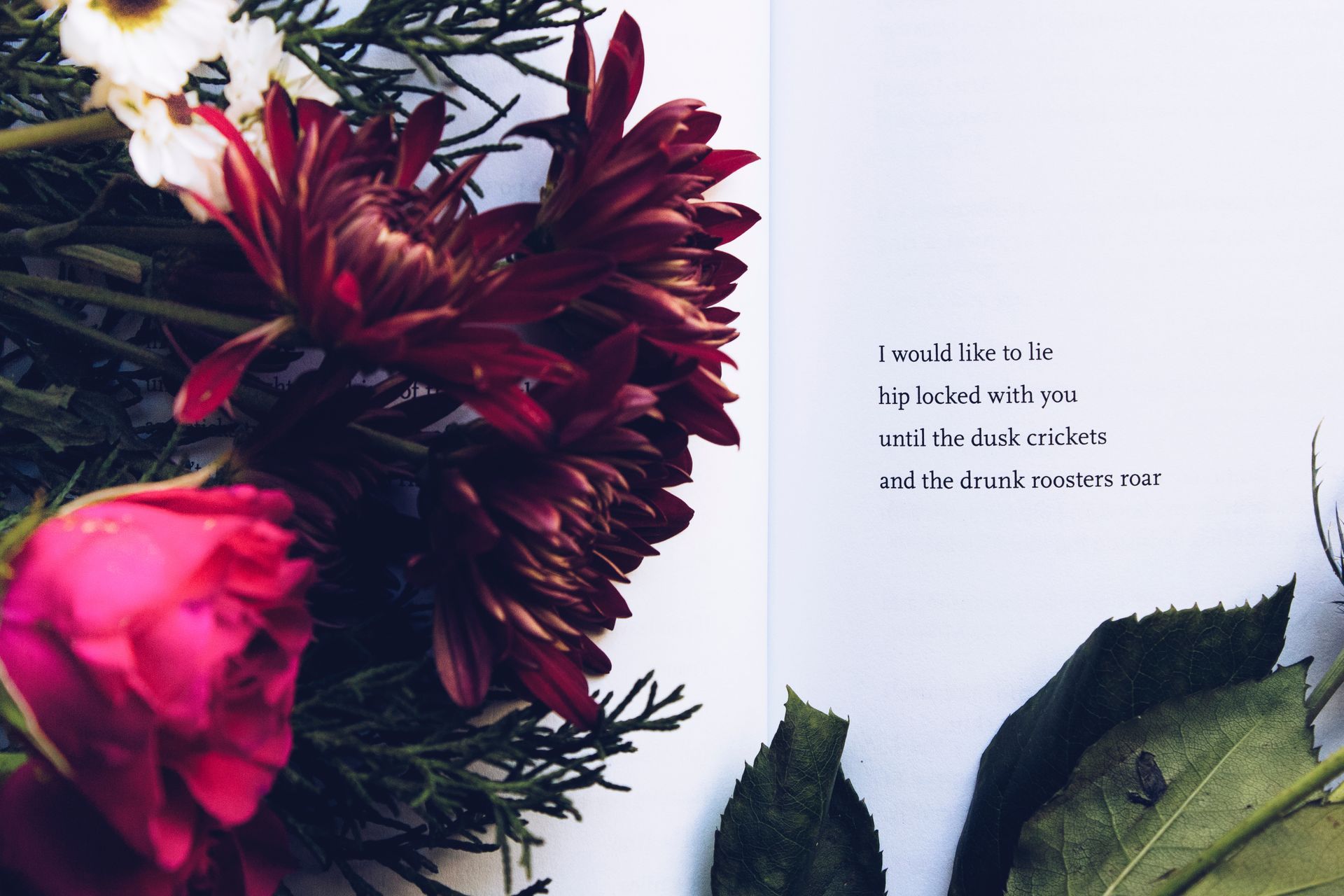
Poets and literary enthusiasts travel internationally to experience historic spoken word venues, competitive slams, and legendary writer cafes:
- Nuyorican Poets Cafe (New York City, USA): A historic Lower East Side landmark famous for pioneering slam competitions and groundbreaking spoken word.
- The Green Mill Cocktail Lounge (Chicago, USA): The birthsite of modern poetry slam, established by Marc Smith in the mid-1980s.
- Le Chat Noir Heritage Venues (Paris, France): Historic bohemian neighborhood spaces inspired by 19th-century cabaret, literary recitations, and artistic salons.
- Troubadour Coffeehouse (London, UK): Iconic literary cafe host to decades of legendary acoustic sets, readings, and performance artists.
Booking Travel Charters, Event Tickets, and Nearby Stays
Planning a trip centered around major literary festivals, national slam championships, or international poetry conventions involves booking transit, tickets, and lodging. You can book a ticket here to secure entry passes for famous theater showcases, literary galas, or slam finals. To book historic walking tours, literary museum visits, or city culture passes, you can book a tour here or check activities here to enrich your travel schedule.
When organizing travel logistics to top spoken word cities:
- Flight Bookings: You can check flights here or compare itineraries here to secure convenient air routes into cultural capitals.
- Boutique Stays: You can check accommodation here to find arts-district hotels located near historic theaters and spoken word lounges.
- Spacious Vacation Rentals: When traveling with a troupe or workshop group, you can book a stay here to reserve quiet apartments equipped with rehearsal spaces.
Oral Traditions, Modern Slam History, and Cultural Impact
The foundation of performing live poetry reaches back to ancient oral traditions long before the advent of written print. From West African Griots preserving tribal genealogies through song to ancient Greek bards reciting epics across public squares, spoken verse has always served as humanity’s primary tool for historical preservation and community bonding.
In the late 20th century, modern spoken word underwent a massive revival. In 1986, Chicago construction worker and poet Marc Smith organized the first formal poetry slam at the Green Mill Lounge, turning poetry readings into interactive events. Today, performing live poetry connects writers to a global movement that honors diverse perspectives, civic dialogue, and the courage to share personal truths on stage.
Frequently Asked Questions (FAQs)
What should I do if I forget my lines while performing live poetry?
Keep your manuscript or cue cards on the stand as a backup. If you blank, pause, take a breath, glance at your text, and resume without apologizing; audiences appreciate steady composure when performing live poetry.
How long should a poem be for an open mic set?
Most open mic slots last 3 to 5 minutes, which allows time for a brief introduction and one long poem or two shorter pieces when performing live poetry.
Can I read my poems directly from a phone screen?
Yes, reading from a smartphone or tablet screen is widely accepted at modern open mics, though turning on “Do Not Disturb” mode prevents incoming notifications while performing live poetry.
Step Up to the Stage and Share Your Voice
Whether you are stepping up to your first coffeehouse mic or sharing a polished piece at a competitive showcase, performing live poetry offers an unbeatable mix of creative courage, community connection, and authentic self-expression. Prepare your manuscript, take a deep breath, and share your story today!










 Welcome,
