
The Complete Guide to Glassmaking Class: Essential Gear, Safety Protocols, and International Workshops
Attending a glassmaking class appeals to creative individuals who enjoy hands-on crafting, experiencing unique artistic processes, and transforming raw molten material into functional or decorative art. If you like the thrill of learning a highly skilled craft, witnessing physical metamorphosis through heat and technique, and walking away with something you sculpted yourself, joining a glassmaking class often feels awe-inspiring rather than intimidating. It is especially appealing to artisans who appreciate traditional handcrafts, want to step outside their daily comfort zone, and thoroughly enjoy experiences that blend artistic intuition with physical science.
The primary purpose of a glassmaking class is to introduce participants to the fundamentals of shaping molten glass while emphasizing shop safety and movement timing. Students learn how molten glass responds to temperature, gravity, and centrifugal force as they create paperweights, ornaments, drinking cups, or decorative sculptures under the direct guidance of experienced studio instructors. The hands-on environment inside a modern glassmaking class allows people to experience an ancient hot-shop craft in a fully equipped studio setting.
Core Cognitive and Physical Benefits of Hot Shop Craftsmanship
Dedicating your time to a introductory or multi-week glassmaking class provides unique mental, physical, and sensory advantages:
- Hands-On Craft Engagement: Provides a rare, tactile experience with an ancient and respected craft that turns liquid silica into solid crystal.
- Fosters Spatial Intuition: Builds deep appreciation for the precise timing, rhythm, and body control required to handle high-temperature materials.
- Yields Personal Keepsakes: Results in a custom, hand-blown piece to take home, display, or give as a thoughtful handmade gift.
- Heightens Mental Focus: Encourages extreme mindfulness, patience, and immediate body awareness as you respond to moving heat.
- Memorable Creative Outlet: Creates a standout, unforgettable studio experience that dramatically differs from typical sedentary craft workshops.
Despite its many physical and emotional rewards, enrolling in a glassmaking class may not be enjoyable for everyone. If you are uncomfortable working near intense industrial heat sources, dislike physically demanding environments, or prefer meticulous crafts that allow for total control and instant precision from the start, hot-shop work might feel overwhelming.
Gear Checklist, Studio Essentials, and Personal Belongings
Preparing for your initial hot-shop session requires bringing key personal protection items and equipment to ensure maximum safety and comfort.
Essential Studio Gear | Strategic Function in Hot Shop Environment |
Protective Footwear | Wearing thick Closed-toe shoes shields your feet from falling tools, radiant floor heat, and unexpected glass shards. |
Hair Management | Securing hair back tightly with a Long hair tie prevents stray strands from coming near flames or heated blowpipes. |
Impact & Radiation Protection | Wearing specialized Eyewear safety glasses protects your eyes from intense infrared light, stray sparks, and fine debris. |
Hydration Container | Keeping an insulated Water bottle nearby ensures you stay hydrated in hot furnaces reaching over 2,000°F. |
Media & Documentation Tool | Bringing a high-resolution Camera allows you to capture glowing molten glass and record your progress during class. |
Equipping yourself with these mandatory items prior to your glassmaking class allows you to focus fully on mastering pipe control and heat manipulation while staying protected.
Comprehensive Studio Safety Protocols and Risk Mitigation Rules
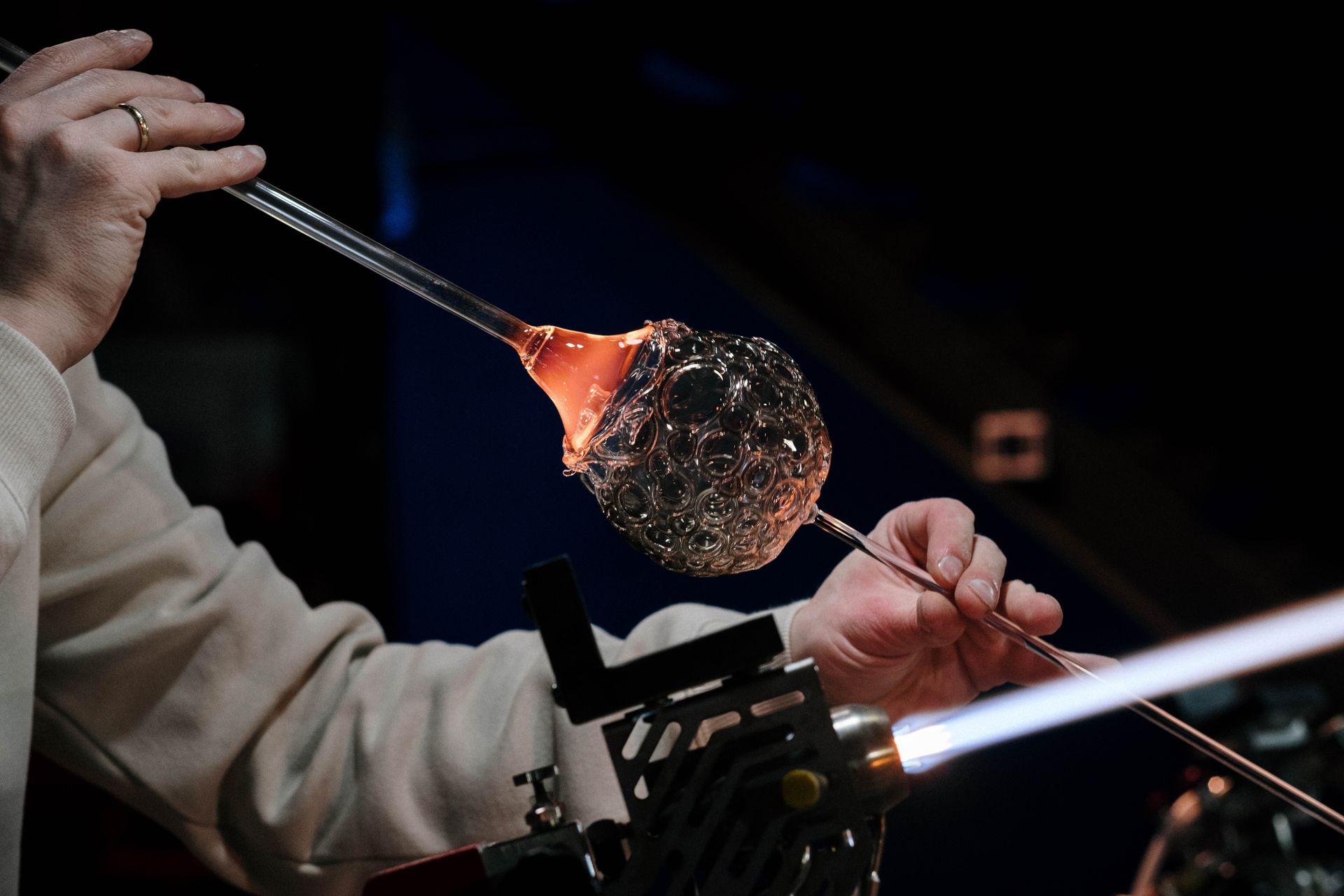
Because molten glass remains fluid at extreme temperatures, strict safety guidelines are enforced inside every professional studio glassmaking class:
- Foot Safety Non-Negotiables: Never enter the hot shop in sandals or canvas slip-ons; sturdy closed-toe shoes with non-slip soles are strictly required.
- Hair and Garment Precautions: Tie long hair back securely with a hair tie and avoid wearing loose sleeves, dangling ties, synthetic fabrics, or flammable materials that melt near heat.
- Eye Protection Compliance: Always wear shade-rated safety glasses while looking into furnaces, gathering glass, or shaping hot vessels at the bench.
- Hydration Management: Hot shops generate high ambient temperatures; sip frequently from your water bottle throughout the session to prevent heat fatigue.
- Strict Equipment Protocol: Always assume every metal pipe, rod, punty, and table surface is hot; never touch equipment or glass without explicit instructor permission.
- Deliberate Movement Rules: Move around the studio deliberately and announce your movements when walking behind someone holding a loaded blowpipe.
- Health Declarations: Inform your instructor before class begins of any pre-existing health conditions or mobility constraints that might affect working in high heat.
Comparing Hot Shop, Flameworking, and Kiln Casting Techniques
Understanding the distinct modalities taught within a glassmaking class helps you select the exact studio discipline that matches your creative style:
- Hot Shop Glassblowing: Gathering liquid glass from a central furnace at 2,100°F onto a hollow steel pipe, expanding it by blowing air, and shaping it at a wooden bench using jacks, blocks, and shears.
- Torchwork / Flameworking: Using a bench-mounted oxygen-propane torch flame to melt and detail smaller glass rods into delicate beads, marbles, miniature figurines, or glass jewelry.
- Kiln Casting and Fusing: Assembling cold sheet glass, powders, or glass frits inside ceramic molds, then heating them inside a specialized kiln to fuse or cast solid dimensional structures.
- Cold Working: Refining, grinding, polishing, or engraving cooled glass pieces using diamond lapidary wheels, belt sanders, and sandblasters to achieve brilliant surface finishes.
Step-by-Step Student Project Workflow in a Hot Shop Class
Following a structured studio workflow during your glassmaking class ensures smooth execution and prevents stress fractures in your finished work:
- Gathering Molten Glass: Dip the preheated tip of a steel blowpipe into the furnace to scoop up a balanced gather of glowing liquid glass.
- Marvering and Shaping: Roll the hot gather smoothly back and forth across a thick steel marver table to center the mass and establish an even outer skin.
- Blowing the Initial Bubble: Blow a short, controlled burst of air down the hollow pipe, quickly capping the mouthpiece with your thumb to create the primary interior air pocket.
- Reheating at the Glory Hole: Reintroduce the working vessel into the reheating furnace (glory hole) periodically to maintain workable surface pliability.
- Tooling the Profile: Sit at the glassmaker’s bench and use wet wooden blocks, steel jacks, and newspaper pads to shape the vessel’s waist, neck, and rim.
- Annealing in the Kiln: Transfer the finished piece onto a metal punty rod, sever it cleanly from the main blowpipe, and place it immediately into an annealing oven to cool slowly over 12–24 hours.
Cost Analysis, Tuition Rates, and Equipment Budgeting
Enrolling in an introductory glassmaking class reflects the high operational costs of maintaining continuous furnaces, fuel, and specialized safety gear:
Expense Category | Estimated Cost Range (USD) | Smart Financial & Preparation Advice |
Introductory Single Session | $75 – $200 per workshop | Covers furnace fuel, raw glass materials, instructor guidance, and annealing services. |
Multi-Week Comprehensive Course | $300 – $800 per term | Offers structured instruction in pipe control, color application, and cold-working tools. |
Personal Safety Accessories | $55 – $145 total | Purchase durable closed-toe leather work shoes and ANSI-rated eye protection early. |
Hydration & Recording Gear | $20 – $55 total | Carry an insulated stainless steel water bottle and use your camera to log work stages. |
Annealing & Shipping Charges | $15 – $45 per piece | Studios charge modest fees if finished pieces need to be packaged and shipped home later. |
Regarding session length, a standard glassmaking class runs between 1 to 3 hours per workshop. Because thick hot glass requires gradual overnight cooling in an annealer to relieve internal stresses, you will return to the studio a day or two later to collect your finished pieces.
Ergonomics, Heat Endurance, and Physical Adaptations
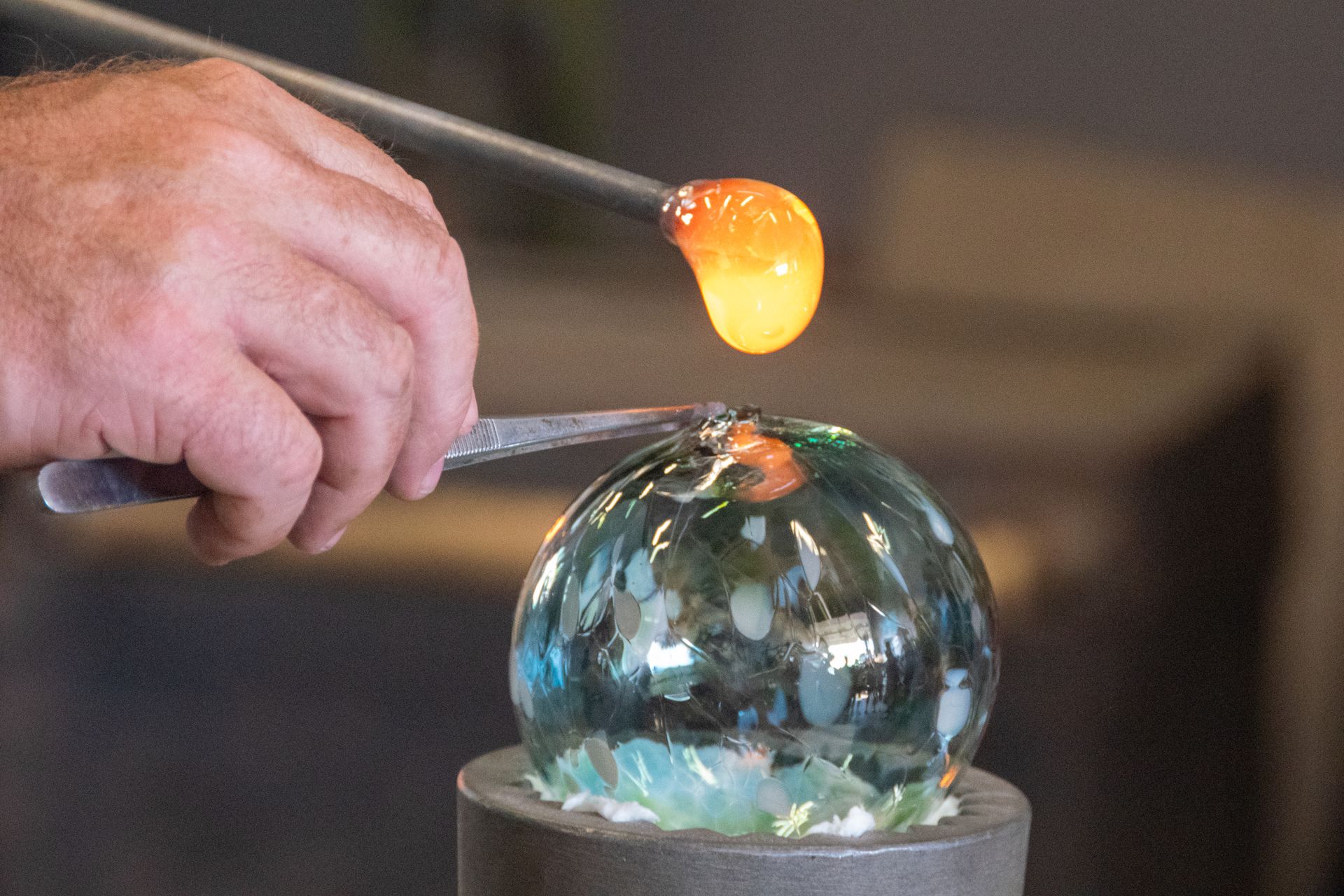
Working in a hot shop during a glassmaking class requires sustained standing, core balance, upper body control, and heat tolerance. Managing heavy blowpipes while constantly turning them to counteract gravity demands steady wrist and forearm engagement.
To prevent physical fatigue or heat exhaustion, balance your effort by rotating duties with studio partners when working in teams. Take frequent hydration breaks, step into cool ventilation zones, and perform gentle wrist and shoulder stretches between furnace gathers. Instructors regularly adapt bench heights and tool setups so makers of varying physical builds can participate comfortably.
Global Glassmaking Destinations, Workshops, and Travel Logistics
Many glass enthusiasts travel internationally to experience historic furnace centers, attend masterclass retreats, or explore world-famous glassblowing traditions. Planning a travel itinerary around an immersive workshop allows you to learn from world-renowned gaffers.
Attending Masterclass Workshops and Regional Studio Tours
When traveling to famous glassworking hubs such as Murano in Italy, Seattle in the Pacific Northwest, or Scandinavia to join an advanced glassmaking class, organizing transit and passes ahead of time ensures a smooth journey. You can book a ticket here to secure reservation passes for popular glass art conventions and studio showcases. To explore historic furnace districts or book guided factory tours during your trip, you can book a tour here or check activities here to discover regional artisan traditions.
Logistics, Flight Bookings, and Accommodations
Selecting reliable transit and comfortable lodging near famous glass studios keeps your retreat stress-free:
- Flight Reservations: You can check flights here or compare itineraries here to secure convenient flight times for out-of-town craft seminars.
- Hotel Accommodations: You can check accommodation here to find peaceful hotel rooms located within easy reach of urban hot shops and galleries.
- Spacious Cabin & Private Rentals: For groups attending multi-day rural glass retreats or furnace builds, you can book a stay here to secure a comfortable house with private grounds.
Historical Evolution and Cultural Significance of Glass Arts
The art of shaping glass dates back more than 3,500 years, originating in ancient Mesopotamia and Egypt before expanding dramatically through Roman blowpipe innovations. Venetian artisans on the island of Murano later refined clear glassmaking formulas, guarding their secret techniques for centuries.
During the mid-20th century, the international Studio Glass Movement shifted glassmaking from industrial factories directly into independent artist studios. Today, participating in a glassmaking class connects modern makers directly to this rich history of fire, chemistry, and human ingenuity, celebrating a material that remains both practical and captivating.
Frequently Asked Questions (FAQs)
Can I take home my finished glass project immediately after my glassmaking class?
No, hot glass cannot cool at room temperature without shattering due to thermal shock. Your finished vessel must sit inside a digitally controlled annealing oven for 12 to 24 hours to cool gradually, after which it can be safely collected.
What clothing is best to wear during a glassmaking class?
Wear breathable garments made from natural fibers like 100% cotton, wool, or linen. Avoid synthetic materials like polyester or nylon, as synthetic fibers can melt when exposed to high heat or stray sparks.
Is prior experience required for an introductory glassmaking class?
No prior experience is necessary. Beginner workshops are specifically designed to introduce novices to basic furnace safety, gathering techniques, and simple vessel shaping under step-by-step instructor supervision.
Step Into the Hot Shop and Forge Your Own Creation
Whether you want to try blowing a colorful ornament during a weekend workshop, enroll in a multi-week foundational glassmaking class, or travel overseas to study under master gaffers, working with molten glass is an unforgettable adventure. Put on your safety glasses, head to the bench, and feel the thrill of molding fiery liquid glass into solid art!










 Welcome,
