


Hosting a Barbecue: Setup, Safety, and Outdoor Entertaining
Hosting a barbecue appeals to people who enjoy outdoor cooking, entertaining guests, and celebrating warm weather with good food and company. If you like the smell of wood smoke, the sound of sizzling meat, gathering friends and family in your backyard, and being the host who brings everyone together, hosting a barbecue often feels festive rather than stressful. It is especially appealing to people who appreciate culinary techniques, enjoy casual entertaining, and embrace the laid-back atmosphere of outdoor gatherings.
The core purpose of hosting a barbecue is to bring people together over delicious grilled food in a relaxed outdoor setting. Hosts prepare meats, sides, and drinks while creating a welcoming atmosphere for guests to socialize and enjoy. Hosting a barbecue combines open-fire cooking skills with hospitality, resulting in memorable gatherings that celebrate food, friendship, and good weather. To explore more engaging outdoor social experiences, entertaining ideas, and home lifestyle guides, visit our Kenyago activities page.
Outdoor Hospitality and Social Dynamics
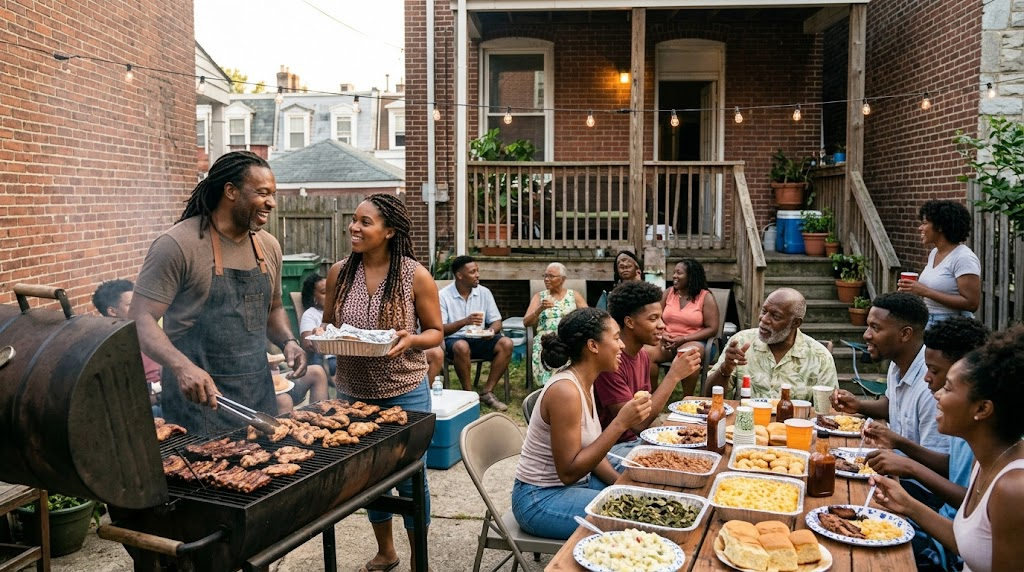
Committing to hosting a barbecue provides key social and personal benefits that enhance interpersonal connections and culinary confidence:
- Relaxed Social Atmosphere: Hosting a barbecue creates an informal environment where guests feel comfortable mingling across the backyard.
- Showcasing Culinary Craft: Hosting a barbecue allows you to test smoke profiles, dry rubs, and marinade recipes for family and friends.
- Quality Outdoor Gathering: Hosting a barbecue brings loved ones together outside, promoting fresh-air entertainment and screen-free conversation.
- Flexible Menu Options: Hosting a barbecue gives you freedom to tailor menu items to dietary preferences, from brisket to grilled vegetables.
- Seasonal Celebrations: Hosting a barbecue provides a natural framework for honoring summer holidays, birthdays, and weekend get-togethers.
While hosting a barbecue offers an engaging way to entertain, this experience may not be ideal for individuals who dislike group cooking, feel overwhelmed by hosting duties, or prefer structured indoor dining.
Essential Grilling Gear and Hosting Supplies Checklist
Outfitting your backyard space with high-performance cookers, precise monitoring tools, and guest amenities ensures your event runs smoothly.
Essential Party & Grilling Supply | Primary Utility and Hosting Function |
High-Performance Outdoor Cooker | Operating a durable Grill provides reliable heat distribution when hosting a barbecue. |
Reliable Fuel Source | Stocking quality Charcoal Or Propane guarantees continuous heat output while hosting a barbecue. |
Long-Handled Utensil Set | Using sturdy Grill Tools like tongs and spatulas keeps hands safe while hosting a barbecue. |
Instant-Read Temperature Probe | Inserting a precise Meat Thermometer prevents undercooking food when hosting a barbecue. |
Insulated Beverage Chest | Filling a large Cooler maintains safe internal food temperatures while hosting a barbecue. |
Cooling Ice Reserve | Dumping fresh bags of Ice into coolers keeps drinks frosty throughout your event. |
Dining Tableware & Cutlery | Arranging durable Utensils, plates, and cups simplifies serving guests when hosting a barbecue. |
Backyard Seating & Tables | Setting up comfortable Outdoor Furniture gives guests comfortable dining spots while hosting a barbecue. |
Ambient Evening Illumination | Stringing up bright Outdoor Lighting extends your event past sunset when hosting a barbecue. |
Pest Control Spray | Spraying effective Insect Repellent keeps mosquitoes from bothering your guests while hosting a barbecue. |
Pairing dedicated food prep stations with accessible trash bins helps maintain a clean cooking space throughout the afternoon.
Fuel Selection: Comparing Charcoal Grills vs. Propane Gas Grills
Choosing the right cooking apparatus shapes your flavor profile, temperature control, and cleanup routine:
Performance Factor | Kettle & Smoker Charcoal Setup | Liquid Propane Gas Setup |
Flavor Profile & Smoke | Imparts a deep, authentic smoky flavor using hardwood embers during hosting a barbecue. | Delivers clean heat with minimal smoke; relies on wood chip smoker boxes for flavor enhancement. |
Ignition Time & Control | Requires 20 to 30 minutes to ignite briquettes; temperature adjusted via manual air dampers. | Ignites instantly with push-button starters; knob dials provide precise flame management when hosting a barbecue. |
Cleanup & Ash Disposal | Requires clearing spent ash and unburnt coals after complete cooling following your event. | Low maintenance cleanup involving simple grease tray drainage and grate brushing after hosting a barbecue. |
Cooking Versatility | Superior for low-and-slow smoking (searing ribs, pork shoulder, brisket) during hosting a barbecue. | Ideal for fast direct-heat cooking like smash burgers, hot dogs, chicken breasts, and delicate fish. |
Step-by-Step Hosting Sequence for a Seamless Event
Following a structured timeline minimizes kitchen stress and allows you to enjoy time with your guests:
- Establish Menu and Headcount: Finalize your main proteins, vegetarian alternatives, and side dishes two weeks before hosting a barbecue.
- Deep Clean Grill Grates: Scrape off carbon buildup, check fuel reserves, and oil cooking surfaces prior to hosting a barbecue.
- Marinate and Prep Proteins: Trim meats, apply dry rubs, and chop vegetable skewers the day before hosting a barbecue.
- Arrange Outdoor Seating and Lighting: Set up tables, chairs, trash stations, and patio lighting hours before guests arrive for hosting a barbecue.
- Pack Cold Storage Coolers: Layer drinks, perishable sides, and raw meats in separate iced coolers prior to hosting a barbecue.
- Fire Up the Cooker Early: Ignite your fuel source early to establish dual-zone heat (direct searing and indirect warming zones) when hosting a barbecue.
- Monitor Meat Temperatures: Use digital probes to verify safe internal doneness before plating food while hosting a barbecue.
- Manage Evening Wind-Down: Extinguish coals safely, cover leftover food promptly, and clear serving tables as your event concludes.
Safety Guidelines, Fire Risk, and Food Hygiene
Managing live fire and raw food requires strict adherence to outdoor cooking safety standards:
- Position Equipment Clear of Structures: Place your cooker on a level surface at least 10 feet away from wooden decks, vinyl siding, and overhanging tree branches when hosting a barbecue.
- Never Leave Flames Unattended: Maintain constant supervision over burning charcoal or open gas flames while hosting a barbecue.
- Prevent Cross-Contamination: Use separate cutting boards and platters for raw meats versus cooked foods when hosting a barbecue.
- Verify Food Doneness: Internal meat temperatures must reach safe thresholds ($165^\circ\text{F}$ for poultry, $160^\circ\text{F}$ for ground meats, $145^\circ\text{F}$ for whole pork/beef cuts).
- Maintain Cold Temperatures: Keep perishable salads, dairy dips, and meats under $40^\circ\text{F}$ in coolers until ready to cook or serve during hosting a barbecue.
- Safe Charcoal Disposal: Allow spent embers to cool completely for 24 hours before disposing of ash in a metal container when hosting a barbecue.
Budgeting Strategy and Event Cost Breakdown
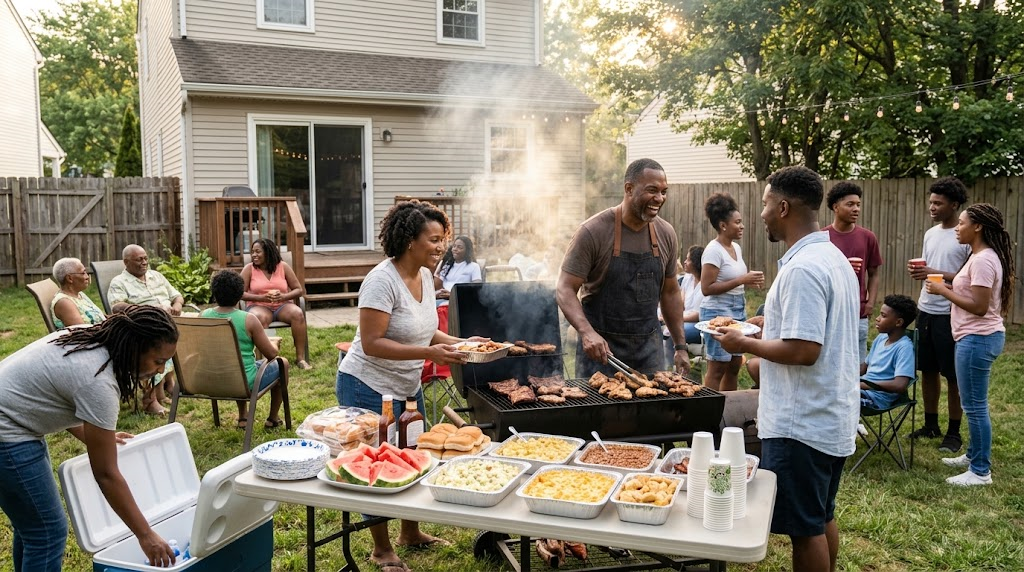
The financial investment for outdoor entertaining varies depending on menu choices, guest volume, and hardware investments:
Expense Category | Estimated Cost Range (USD) | Smart Cost Optimization Tip |
Outdoor Cooker (Grill) | $100 – $500 | Purchase entry-level kettle grills or durable tabletop gas models to save money when hosting a barbecue. |
Fuel Supply (Charcoal/Propane) | $10 – $30 per event | Buy charcoal briquettes or propane tank refills in bulk ahead of summer when hosting a barbecue. |
Essential Tool & Probe Set | $25 – $80 total gear | Invest in a single stainless steel tool bundle rather than buying individual pieces separately. |
Ice Chest & Ice Supply | $33 – $310 total cost | Borrow extra coolers from neighbors to increase beverage capacity without extra spend when hosting a barbecue. |
Food & Refreshment Budget | $50 – $200+ (varies by headcount) | Organize a potluck-style event where the host supplies main proteins while guests bring sides and desserts. |
A standard backyard cookout usually lasts 3 to 6 hours, with prep adding 1 to 2 hours before guests arrive.
Physical Requirements and Accessibility Considerations
Outdoor hosting involves light physical effort, but delegating tasks keeps the day enjoyable for the host:
- Standing and Grill Monitoring: Managing grates over hot coals involves standing for extended periods while hosting a barbecue.
- Lifting and Transport: Moving ice bags, beverage chests, and folding tables requires basic lifting and carrying capacity during setup.
- Accessible Layouts: Keep backyard pathways flat and clear of hose lines or loose lawn gear so guests with mobility devices can navigate easily while you are hosting a barbecue.
World Barbecue Destinations and Culinary Traditions
Smoked meat traditions exist across the globe, each showcasing unique regional techniques, wood smoke selections, and spice profiles:
- Central Texas (Austin, USA): Famous for simple post-oak smoked beef brisket cooked low and slow in offset barrel smokers.
- Kansas City (Missouri, USA): Renowned for sweet, thick tomato-based sauces slathered over slow-smoked pork ribs and burnt ends.
- Memphis (Tennessee, USA): World-famous for dry-rubbed pork ribs cooked over hickory wood fires.
- Pampas Grasslands (Argentina): Legendary for Asado, where open-fire pits slow-roast large cuts of beef on vertical metal crosses.
Booking Travel Charters, Event Tickets, and Nearby Stays
Planning a trip around international culinary festivals or regional smoking competitions involves coordinating transport, event tickets, and stays. You can book a ticket here to secure passes for famous rib fests, pitmaster workshops, or food conventions. To book city food tours, regional distillery visits, or local cooking masterclasses, you can book a tour here or check activities here to enrich your travel itinerary.
When arranging travel logistics to famous culinary destinations:
- Flight Bookings: You can check flights here or compare itineraries here to secure convenient airfare into major host cities.
- Boutique Stays: You can check accommodation here to find comfortable city hotels located near food districts.
- Spacious Rentals: When traveling with culinary groups or families, you can book a stay here to reserve private ranch homes or properties with fully equipped outdoor kitchens.
Global History, Culture, and the Evolution of Live-Fire Cooking
The practice of cooking meat over live fire is humanity’s oldest culinary method. The word “barbecue” traces back to the Indigenous Taíno people of the Caribbean, who used wooden raised platforms called barbacoa to smoke and preserve meats over slow fires. Spanish explorers adopted the term in the 16th century, spreading the technique across the Americas.
In the American South, live-fire cooking evolved through a synthesis of Indigenous smoking methods, European livestock practices, and the deep culinary traditions of enslaved African cooks who perfected slow-smoking tough cuts of meat over dug pits. Today, hosting a barbecue connects hosts to a rich global legacy of community gathering, open-fire craftsmanship, and warm hospitality.
Frequently Asked Questions (FAQs)
What is the best way to control flare-ups on a charcoal grill?
Move fatty meats away from direct coals to an indirect warming zone, keep the grill lid closed to restrict oxygen, and avoid spraying water directly on coals as ash can blow onto food when hosting a barbecue.
How much meat should I buy per guest for a cookout?
Plan for roughly 0.5 to 0.75 pounds (8 to 12 ounces) of raw protein per adult guest, adjusting down if serving multiple heavy side dishes while hosting a barbecue.
How do I keep grilled food warm without drying it out?
Place cooked meats in an insulated foil pan or a warm oven set to 170C-77C, splashing a little warm broth or juice inside to lock in moisture while hosting a barbecue.
Fire Up the Grates and Host Your Next Gathering
Whether you are searing simple burgers for a weekend game night or slow-smoking pork shoulder for a holiday block party, hosting a barbecue offers a fantastic way to share great food and create lasting memories with loved ones. Gather your tools, prep your fuel, and welcome your guests today!










 Welcome,
