

The Complete Guide to Horseback Riding: Equipment Essentials, Equestrian Techniques, Safety Protocols, and Trail Travel
Horseback riding appeals to people who enjoy connecting with animals, outdoor adventure, and the timeless experience of riding. If you like being in nature, developing a partnership with a horse, and experiencing landscapes from the saddle, horseback riding often feels peaceful and empowering rather than frightening. It is especially appealing to people who appreciate animals, enjoy learning new physical skills, and value outdoor activities that combine exercise with connection to nature.
The purpose of horseback riding is to develop the skills and partnership needed to ride and care for horses. Riders learn balance, posture, rein handling, and horse communication while enjoying trail rides, lessons, or equestrian sports. The experience builds physical fitness, emotional connection with animals, and appreciation for equestrian traditions. To explore more thrilling outdoor excursions, scenic trail adventures, and nature activities, visit our Kenyago activities page.
Major Physical Conditioning and Animal Partnership Benefits
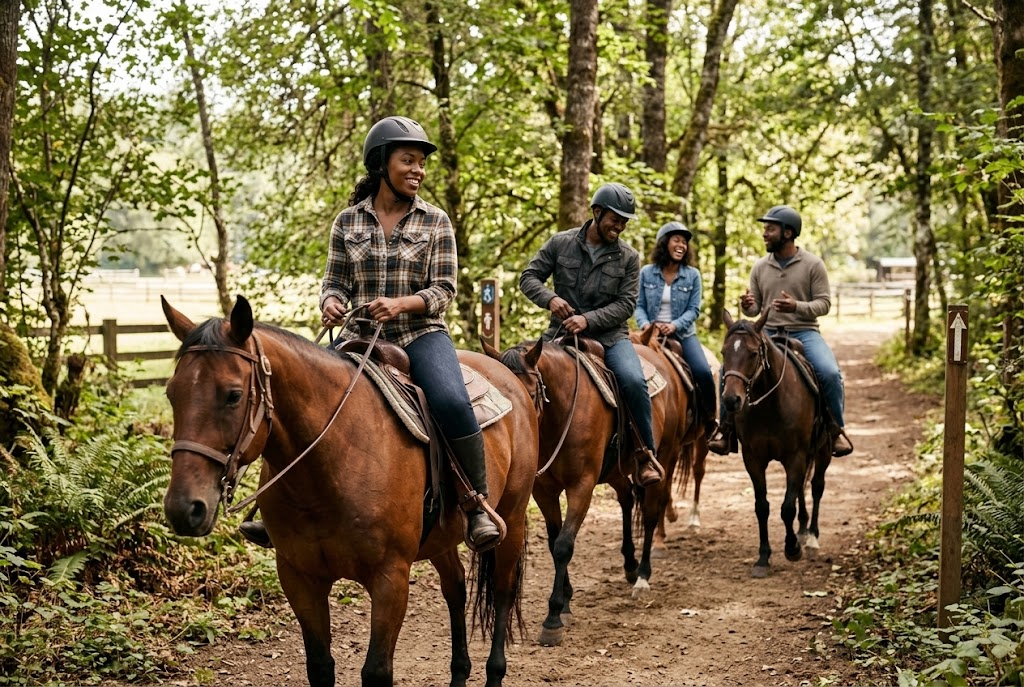
Horseback riding offers exceptional physiological, emotional, and recreational advantages that enrich every equestrian enthusiast:
- Core Strength and Posture: Horseback riding builds powerful core strength, body balance, and upright posture through active control in the saddle.
- Deep Animal Connection: Horseback riding develops profound trust, mutual communication, and empathy with magnificent animals.
- Scenic Trail Access: Horseback riding provides unique access to breathtaking natural landscapes, forests, and remote mountain trails.
- Active Stress Relief: Horseback riding offers an immersive form of physical exercise that clears the mind and relieves daily stress.
- Equestrian Heritage: Horseback riding connects modern riders to thousands of years of global equestrian traditions and culture.
This experience may not be enjoyable if you are afraid of large animals, uncomfortable with heights, or have physical limitations that prevent safe riding.
Essential Equestrian Gear and Stable Equipment Matrix
Having the right apparel, grooming supplies, and safety gear ready before your next session of horseback riding ensures comfort and control:
Equipment Category | Primary Function and Stable Benefit |
Gear Transport | Carrying your gear in a durable Backpack keeps essentials organized for lessons or trail excursions involving horseback riding. |
Riding Apparel | Riding comfortably in flexible Breeches, durable Jeans, or utility Cargo Pants reduces chafing during horseback riding. |
Coat Grooming Tools | Grooming your horse with a soft Body Brush and a textured Curry Brush builds your bond before horseback riding. |
Hoof Maintenance | Cleaning hooves with a sturdy Hoof Pick removes debris and prevents discomfort for the horse during horseback riding. |
Protective Footwear | Wearing safe Closed Toed Shoes or waterproof Rubber Boots protects your feet while horseback riding. |
Grip and Hand Protection | Gripping reins securely with flexible Riding Gloves prevents blisters and improves control during horseback riding. |
Head Safety Equipment | Protecting your head with a certified Riding Helmet is essential for safety while horseback riding. |
Communication Aids | Using a Riding Crop as needed communicates subtle cues to the horse during horseback riding. |
Saddle Cushioning | Placing a supportive Saddle Pad under the saddle provides comfort for the horse during horseback riding. |
Hydration Supply | Staying hydrated with a portable Canteen keeps your energy high on longer trail excursions involving horseback riding. |
Safety Protocols, Stable Etiquette, and Risk Awareness

Because horseback riding involves working with large animals and potential falls, maintaining rigorous safety awareness is vital:
- Mandatory Head Protection: Always wear an approved Riding Helmet during every session of horseback riding.
- Calm Approach Techniques: Approach horses calmly from the side and speak softly to avoid startling them before horseback riding.
- Footwear Safety Standards: Wear sturdy Closed Toed Shoes or Rubber Boots to protect against hoof impacts during horseback riding.
- Secure Rein Grip: Use Riding Gloves to maintain a firm, slip-resistant grip on the reins while horseback riding.
- Tack and Equipment Inspection: Check all saddle cinches and stirrup leathers thoroughly before starting your horseback riding session.
Step-by-Step Practical Workflow for Stable and Trail Sessions
Following a structured daily routine ensures your horseback riding experience remains organized, safe, and progressive:
- Groom the Horse: Use a Body Brush and Curry Brush to clean the coat prior to horseback riding.
- Inspect Hooves: Clear debris using a Hoof Pick before horseback riding.
- Pack Your Essentials: Load your Backpack and fill your Canteen for horseback riding.
- Gear Up in Apparel: Put on your Breeches and secure your Riding Helmet for horseback riding.
- Tack Up Securely: Position the Saddle Pad and saddle before horseback riding.
- Mount and Ride: Put on your Riding Gloves and mount up for horseback riding.
- Post-Ride Cool Down: Walk the horse to cool down after your horseback riding session.
Cost Analysis and Financial Planning for Equestrian Enthusiasts
Budgeting for horseback riding involves lesson fees, trail tour costs, and personal grooming equipment:
Expense Category | Estimated Price Range (USD) | Smart Purchasing Strategy for Horseback Riding |
Lessons and Trail Tours | $30 to $150 per session | Purchase multi-lesson packages at local stables to reduce hourly costs for horseback riding. |
Apparel and Safety Gear | $150 to $500 total | Prioritize a certified Riding Helmet and durable boots when starting horseback riding. |
Typical riding sessions last between 30 minutes for indoor arena lessons and 4 hours for extended backcountry trail excursions.
Traveling to Equestrian Ranches and Mountain Trail Destinations
Equestrian travelers frequently journey across continents to explore legendary horse ranches, historic bridle paths, and scenic mountain trail networks. Whether you plan to ride through rugged American Western ranches, explore European dressage estates, or trek across Patagonian valleys, coordinating your travel logistics ensures a seamless vacation. You can book a ticket here to secure admission passes for national park riding trails and equestrian exhibitions.
When planning equestrian getaways and ranch vacations:
- Guided Trail Rides & Riding Clinics: You can book a tour here or check activities here to hire expert wranglers for guided mountain trail excursions.
- Flight and Transportation Bookings: You can check flights here or compare itineraries here to locate convenient airline routes heading toward premier ranch destinations.
- Ranch and Lodge Accommodations: You can check accommodation here to reserve rustic country lodges situated near premier stables.
- Private Vacation Rentals: When traveling with families or riding clubs who want private homes with pastoral views, you can book a stay here to secure comfortable countryside vacation rentals.
Cultural Significance and Enduring Partnership with Horses
Horses have been vital partners to humans for thousands of years, serving essential roles in transportation, agriculture, exploration, and sport. Equestrian traditions span diverse cultures from Mongolian steppes to European classical dressage and American working ranches.
Learning horseback riding connects you directly to this rich heritage and the enduring bond between humans and animals. Approach every stable visit with respect, a well-packed Backpack, and a genuine enthusiasm for mastering horseback riding.
Frequently Asked Questions (FAQs)
What essential safety gear do I need for horseback riding?
Beginners must wear a certified Riding Helmet, sturdy Closed Toed Shoes, and protective Riding Gloves during horseback riding.
How should I prepare a horse before riding?
Groom the coat with a Body Brush and Curry Brush, check hooves with a Hoof Pick, and place a Saddle Pad before horseback riding.
Is horseback riding suitable for absolute beginners?
Yes, guided trail tours and introductory lessons make horseback riding accessible and safe for riders with zero prior experience.
Saddle Up and Start Horseback Riding Today
Whether you are looking to explore scenic mountain trails, develop a deep bond with animals, or build core strength in the saddle, horseback riding offers an unforgettable outdoor pursuit. Pack your gear, visit a local stable, and embrace the freedom of horseback riding today!



 Welcome,
