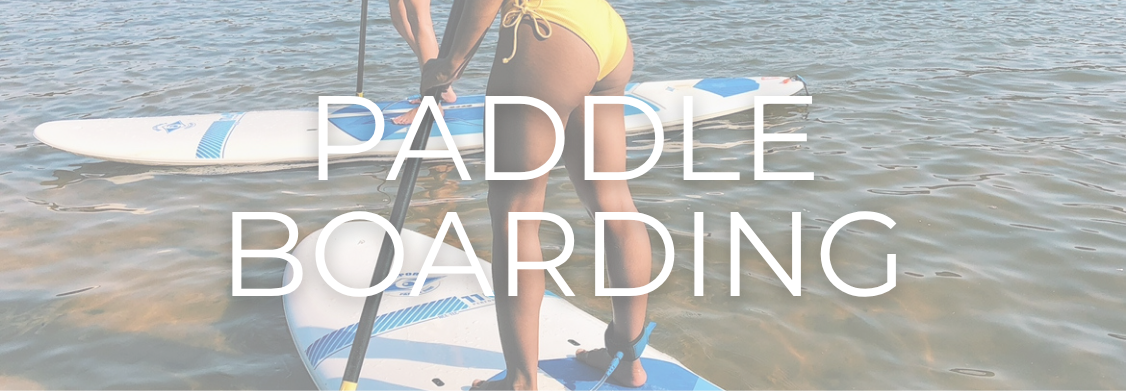

The Ultimate Guide to Paddleboarding: Fundamentals, Gear, Safety, Costs, and Global Travel Destinations
Paddleboarding appeals to people who enjoy water sports, full-body exercise, and the peaceful experience of gliding across lakes, rivers, and oceans. If you like being on the water, appreciate activities that combine balance and strength, and find joy in exploring waterways at your own pace, paddleboarding often feels meditative and empowering rather than difficult.
It is especially appealing to people who want low-impact exercise with high reward, enjoy outdoor adventures, and value activities that work the entire body while offering scenic views.
The core purpose of paddleboarding is to stand or kneel on a board and use a paddle to propel yourself across the water.
Participants develop balance, core strength, and paddle technique while exploring lakes, rivers, coastlines, and calm ocean waters. The activity offers exercise, relaxation, and connection to nature in a single experience that continues to captivate outdoor enthusiasts worldwide.
Essential Benefits of Paddleboarding
Engaging in regular paddleboarding sessions provides a balanced combination of physical conditioning, mental wellness, and environmental exploration:
- Comprehensive Full-Body Workout: Provides a full-body workout emphasizing core engagement, shoulder stability, lat activation, and leg balance.
- Balance and Athletic Coordination: Builds balance, coordination, spatial awareness, and body awareness through dynamic stabilization on water.
- Serene Waterway Exploration: Offers peaceful exploration of waterways, estuaries, and coastlines unreachable by larger motorized watercraft.
- Flexible Social or Solitary Activity: Creates opportunities for quiet solitude or enjoyable social paddling alongside friends, family, and touring groups.
- Low-Impact Functional Fitness: Delivers low-impact exercise accessible to a wide range of fitness levels, reducing stress on joints while building endurance.
Is Paddleboarding Right for You?
While paddleboarding offers an inviting entry point to water sports, this experience may not be enjoyable if you have significant balance challenges, are exceptionally uncomfortable falling into water, or strongly prefer land-based activities. Fortunately, starting on calm, flat lakes with wide, stable boards makes the learning curve remarkably gentle for beginners of all ages.
Essential Gear, Apparel, and Safety Checklist
Equipping yourself with appropriate safety equipment and gear ensures your session remains stable, comfortable, and fully compliant with local waterway navigation laws.
Gear Item | Primary Function and Feature |
Personal Flotation Device | Wearing a certified Personal Flotation Device ensures complete flotation safety, satisfies coast guard mandates, and provides peace of mind on open water. |
Stand Up Paddle Board | Selecting a durable Stand Up Paddle Board matched to your body weight and skill level delivers optimal stability, buoyancy, and smooth tracking. |
Broad-Spectrum Protection | Applying broad-spectrum Sunscreen protects your skin against direct ultraviolet rays and intense light reflection from the water surface. |
Ergonomic Water Paddle | Using an adjustable Paddle sized correctly to your height maximizes forward propulsion power and minimizes wrist strain. |
Ankle Safety Leash | Attaching a coiled Leash to your calf or ankle keeps you securely linked to your board if you fall into choppy water or wind. |
Step-by-Step Paddleboarding Progression for Beginners
Learning to stand up and navigate confidently on the water follows a logical, step-by-step physical progression:
- Board Launching in Shallow Water: Walk your board into waist-deep water to clear the fins from the bottom before climbing on.
- Kneeling Position and Core Alignment: Position yourself on your knees over the center handle of the board, using short paddle strokes to feel the initial balance and board stability.
- Transitioning to a Standing Stance: Place your hands flat on the board, bring one foot up at a time where your knees were, and stand up smoothly while keeping your knees slightly bent.
- Establishing Stance and Eye Focus: Keep your feet parallel and hip-width apart. Look forward toward the horizon rather than down at your feet to maintain head-to-tail alignment and stability.
- Executing Core-Driven Forward Strokes: Reach the blade fully into the water near the nose of the board, pull through to your ankles using your core muscles, and slice the blade out sideways to reset.
Crucial Safety Rules, Water Protocols, and Risk Prevention
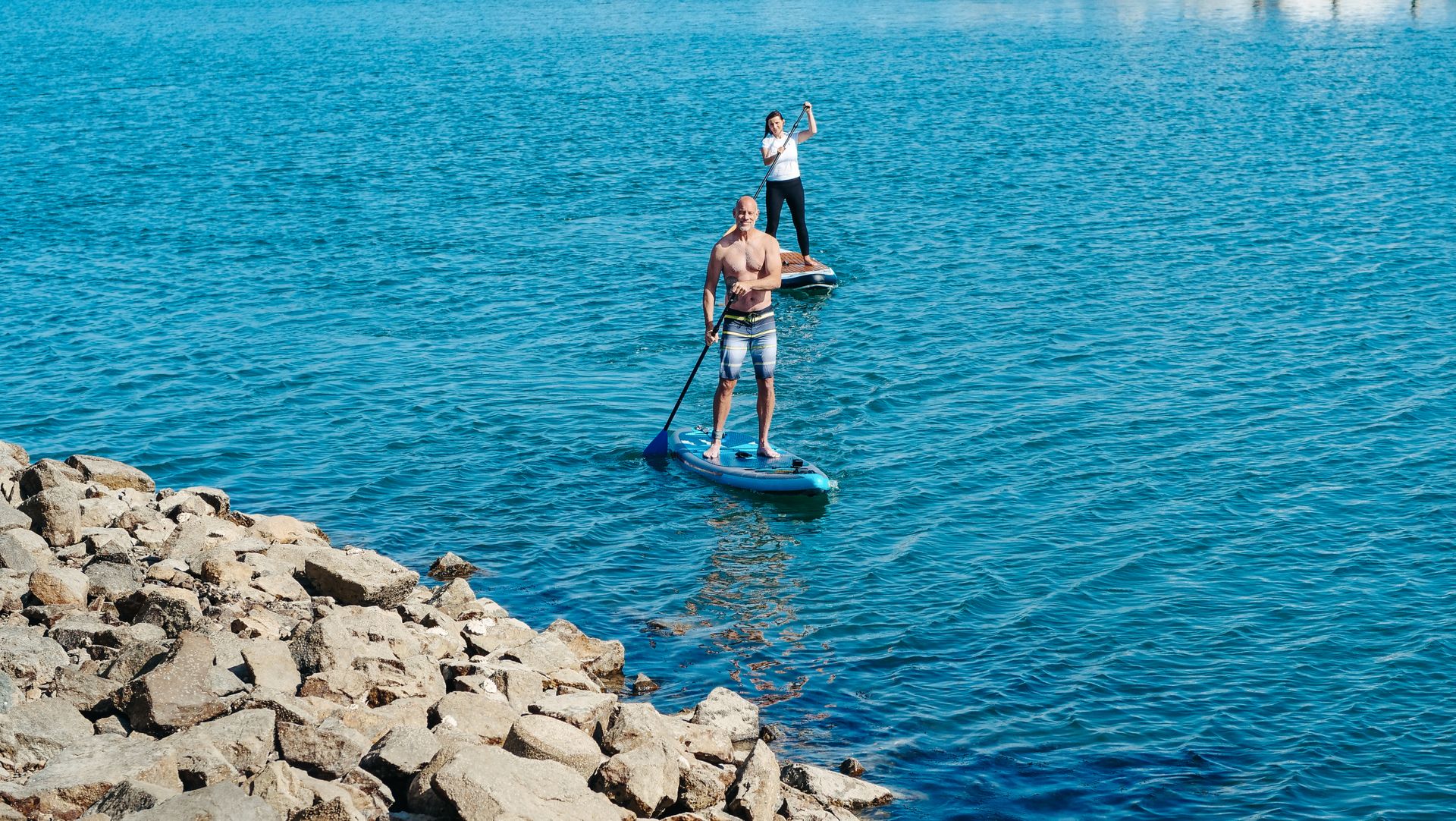
While paddleboarding is safe and beginner-friendly, respecting environmental conditions and navigation guidelines prevents avoidable accidents:
- Wear a PFD at All Times: Wear a certified safety vest or belt-pack PFD regardless of your personal swimming proficiency or water depth.
- Keep Your Leash Secured: Always attach your ankle or calf leash to stay connected to your board, as winds and currents can sweep a loose board away quickly.
- Monitor Weather and Wind Forecasts: Check wind speeds and tide forecasts before launching; offshore winds exceeding 10 to 12 knots can make paddling back to shore exceptionally difficult.
- Master the Self-Rescue Technique: Learn how to remount your board from deep water by reaching across the deck, kicking your legs horizontally, and sliding your chest onto the center handle.
- Stay Clear of Motorboat Channels: Avoid busy shipping lanes, high-speed boat traffic, and dangerous dam spillways when navigating public waterways.
- Protect Against Sun Exposure: Apply water-resistant sun protection generously before launching, and reapply regularly during extended touring sessions.
- File a Float Plan: Inform a friend or family member on land about your designated launch spot, planned route, and expected return time.
Crucial Safety Rule: If you lose balance and fall off your board, always aim to fall flat sideways into the water rather than landing headfirst or falling onto the board itself.
Understanding Board Types and Specifications
Choosing the right equipment for paddleboarding depends on your body weight, local water conditions, and intended paddling style:
Board Category | Key Characteristics & Materials | Ideal Use Case & Skill Level |
All-Around Inflatable (iSUP) | Drop-stitch PVC construction, high durability, easy storage in a backpack, wide deck outline. | Perfect for beginners, casual family outings, lake paddling, and travel convenience. |
All-Around Hardboard (Epoxy) | Rigid fiberglass/epoxy core, superior glide efficiency, immediate responsiveness on water. | Excellent for smooth water tracking, coastal bays, and permanent garage storage setups. |
Touring Paddleboards | Displacing pointed hull shape, longer deck (11’6″ to 14′), integrated gear bungee tie-downs. | Ideal for long-distance expeditions, fitness paddling, and multi-day river camping. |
SUP Yoga Boards | Extra-wide deck pad (32″ to 36″), full-length traction mat, maximum lateral stability. | Specifically designed for bodyweight workouts, pilates, and yoga practices on calm lakes. |
Detailed Cost Breakdown and Budgeting for Paddleboarding
Budgeting for paddleboarding involves deciding whether to purchase personal gear or utilize local rental services:
Expense Category | Typical Price Range (USD) | Equipment and Service Details |
Inflatable Board Package | $300 – $800 total | Entry-to-mid-range package including board, pump, backpack, and basic paddle. |
Rigid Epoxy Board | $700 – $1,500+ | High-performance solid board offering maximum glide and tracking efficiency. |
Adjustable Water Paddle | $50 – $200 | Aluminum, fiberglass, or lightweight carbon fiber shaft options; a sturdy Paddle improves stroke power. |
Personal Flotation Device | $30 – $100 | US Coast Guard-approved nylon vest or inflatable waist belt PFD. |
Ankle Safety Leash | $20 – $50 | Coiled TPU cord leash; securing a reliable Leash keeps your board tethered. |
Equipment Rentals | $20 – $60 / hour | Hourly or daily rental packages available at lake concessions and beach shops. |
Guided Beginner Lessons | $50 – $150 / session | 90-minute group or private instruction covering stroke mechanics and self-rescue. |
Physical Endurance and Fitness Development
Participating in paddleboarding requires balance, core strength, and upper body endurance, all of which build naturally as you spend time on the water. Standing and paddling engages the transverse abdominis, oblique muscles, quadriceps, and shoulders in a continuous, low-impact exercise loop.
For individuals managing joint issues or balance limitations, kneeling on the comfortable deck pad serves as an excellent low-gravity alternative that still provides a rewarding upper-body workout. Beginners usually find that 1 to 2 hours of water time provides a full-body workout without causing excessive fatigue.
Travel Logistics, Coastal Excursions, and Global Destinations
The portability of modern inflatable boards makes paddleboarding an exceptional centerpiece for vacation travel. World-class destinations—such as Lake Tahoe in California, the turquoise lagoons of Hawaii, the fjords of Norway, or the coastal coves of Croatia—offer breathtaking settings for water exploration.
Booking Guided Water Tours and Local Activities
Enhancing your vacation with guided water excursions allows you to explore hidden sea caves, mangrove forests, and marine sanctuaries alongside local experts. To plan your itinerary, you can book a tour here or check activities here to secure guided eco-tours, sunrise yoga sessions, or gear rentals ahead of time. If your travel plans include attending local cultural festivals, water sports expos, or live stadium performances in your destination city, you can book a ticket here to complete your evening plans.
Transit and Accommodation Logistics
Coordinating your travel arrangements ensures smooth transportation for both your family and your water gear:
- Flight Reservations: You can check flights here or compare itineraries here to secure optimal routes for carrying inflatable board luggage or connecting to coastal resorts.
- Hotel Accommodations: You can check accommodation here to find waterfront hotels, eco-lodges, and lakeside resorts offering direct launch ramp access.
- Private Vacation Rentals: For extended family vacations or group water retreats, you can book a stay here to rent private waterfront homes featuring dock access, storage sheds, and outdoor rinse stations.
Historical Origins and Cultural Legacy

Stand up paddleboarding has deep historical roots in ancient Polynesian culture, where fishermen in Hawaii and original islanders utilized long wooden boards and single-blade paddles to navigate coral reefs and harvest seafood. Native South American cultures similarly utilized woven reed vessels, known as caballitos de totora, for surf navigation and ocean fishing over 2,000 years ago.
The modern resurgence of the sport began in Waikiki, Hawaii, during the 1940s and 1950s, when famous surf instructors like Duke Kahanamoku and the “Beachboys of Waikiki” stood on large surfboards to photograph tourists and monitor swimming zones.
The discipline evolved into a distinct worldwide sport during the 2000s, blending elements of surfing, canoeing, and endurance conditioning. Today, paddleboarding represents a global celebration of water culture, outdoor mindfulness, and human-powered exploration.
Frequently Asked Questions About Paddleboarding
What size paddleboard should a beginner buy?
A beginner weighing between 150 and 220 lbs should look for an all-around board that is 10’6″ to 11’6″ long, 32 to 34 inches wide, and 6 inches thick. This volume range provides maximum balance and stability on flat water.
Is an inflatable paddleboard better than a hardboard?
Inflatable boards are far more portable, easier to store in apartments, highly impact-resistant against rocks, and generally more affordable. Solid epoxy hardboards offer slightly faster glide speed, superior wave tracking, and immediate responsiveness, making them popular for surf performance.
How do I adjust my paddle to the correct height?
Stand the paddle vertically on the ground in front of you. Extend one arm straight up overhead; the T-bar handle of the paddle should rest comfortably right at the bend of your wrist.
Explore More Water Sports and Travel Guides
Looking for more comprehensive outdoor gear breakdowns, fitness tips, or destination itineraries? Explore our complete library of water sports and adventure travel articles on Kenyago to prepare for your next outdoor excursion!










 Welcome,
