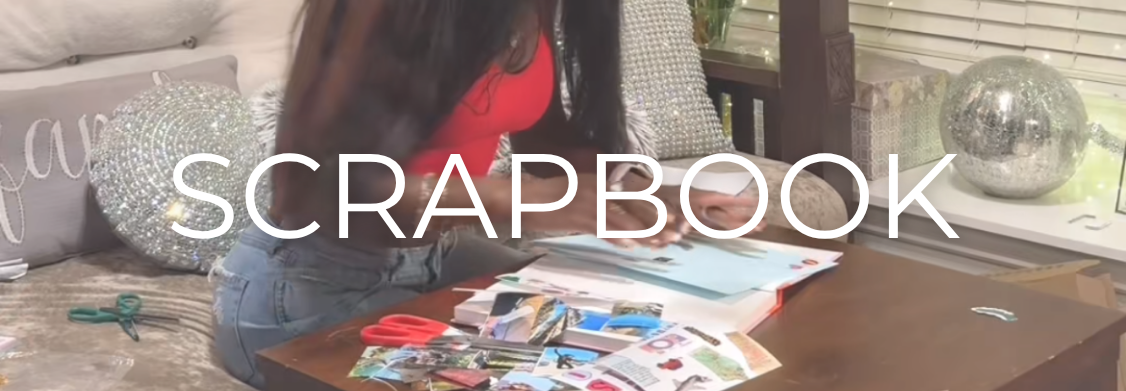

The Ultimate Guide to Scrapbooking: Supplies, Techniques, Preservation, and Retreats
Modern scrapbooking appeals to people who enjoy preserving family memories, artistic expression, and hands-on crafting that combines organizational strategy with visual artistry. If you like curating family photographs, telling stories through layered layouts, and creating physical keepsakes that last for generations, engaging in scrapbooking often feels deeply meaningful rather than time-consuming.
It is especially appealing to creative people who appreciate tangible mementos, enjoy slow and meditative crafting, and want to document life’s special moments in a personal way. The core purpose of scrapbooking is to preserve and celebrate precious memories by arranging physical photos, handwritten journaling, and decorative elements into cohesive, visually appealing album pages.
Participants learn fundamental page design, color coordination, and archival preservation techniques while assembling custom memory books that tell their unique life stories. The overall process of scrapbooking combines personal creativity with historical documentation, resulting in treasured heirlooms that can be shared, displayed, and passed down to future generations.
Core Benefits of Physical Memory Preservation
Choosing to dedicate time to scrapbooking rather than leaving digital photos trapped on phone drives offers remarkable creative and mental advantages:
- Preserves Cherished Memories: Converts vulnerable digital files into tactile, physical archives built to withstand the test of time.
- Encourages Visual Creativity: Enhances artistic expression through thoughtful color palette selection, spatial layout, and custom embellishments.
- Provides Mindful Relaxation: Engaging in quiet scrapbooking sessions offers a restorative, screen-free crafting experience that reduces daily stress.
- Creates Generational Heirlooms: Produces deeply personal handmade gifts and legacy albums that preserve family genealogy for children and grandchildren.
- Strengthens Narrative Skills: Combines visual storytelling with written journaling to capture context, dates, and subtle emotional nuances behind every image.
However, a dedicated scrapbooking hobby may not be enjoyable for everyone. If you strongly dislike organizing physical photographs, feel overwhelmed by tactile crafting supplies, or prefer digital cloud storage for memory preservation, digital photo books might feel more practical for your lifestyle.
Essential Gear, Supplies, and Archival Material Checklist
Starting a modern scrapbooking project requires selecting archival-grade materials that protect your photographs from environmental damage, discoloration, and fading over time.
Essential Tool / Material | Strategic Purpose and Function in Your Layout |
Precision Cutting Tools | Trimming borders and photos with high-quality Scissors ensures crisp, professional edges across every page element. |
Tactile Accents | Weaving decorative Ribbons into borders introduces subtle texture, color contrast, and visual interest to your pages. |
Core Visual Media | Selecting and printing your favorite high-resolution Photos provides the central narrative foundation for every layout. |
Precision Alignment | Measuring page margins and aligning borders with a durable Ruler creates balanced and visually clean page compositions. |
Archival Journaling | Documenting names, dates, and personal stories with a fade-resistant Pen adds historical context and emotional depth. |
Lignin-Free Cardstock | Framing pictures on vibrant Acid-free paper prevents yellowing and chemical deterioration over long-term storage. |
Protective Display Binder | Anchoring layouts within a sturdy Scrapbook album keeps completed pages organized and shielded from ambient dust. |
Chemical-Safe Adhesives | Securing photos and heavy embellishments with Archival-quality adhesives ensures items stay locked without destroying paper fibers. |
By building your scrapbooking stash with chemical-safe, archival-grade supplies, you ensure that your albums remain in pristine condition for decades without yellowing or peeling.
Layout Design Principles and Composition Strategies
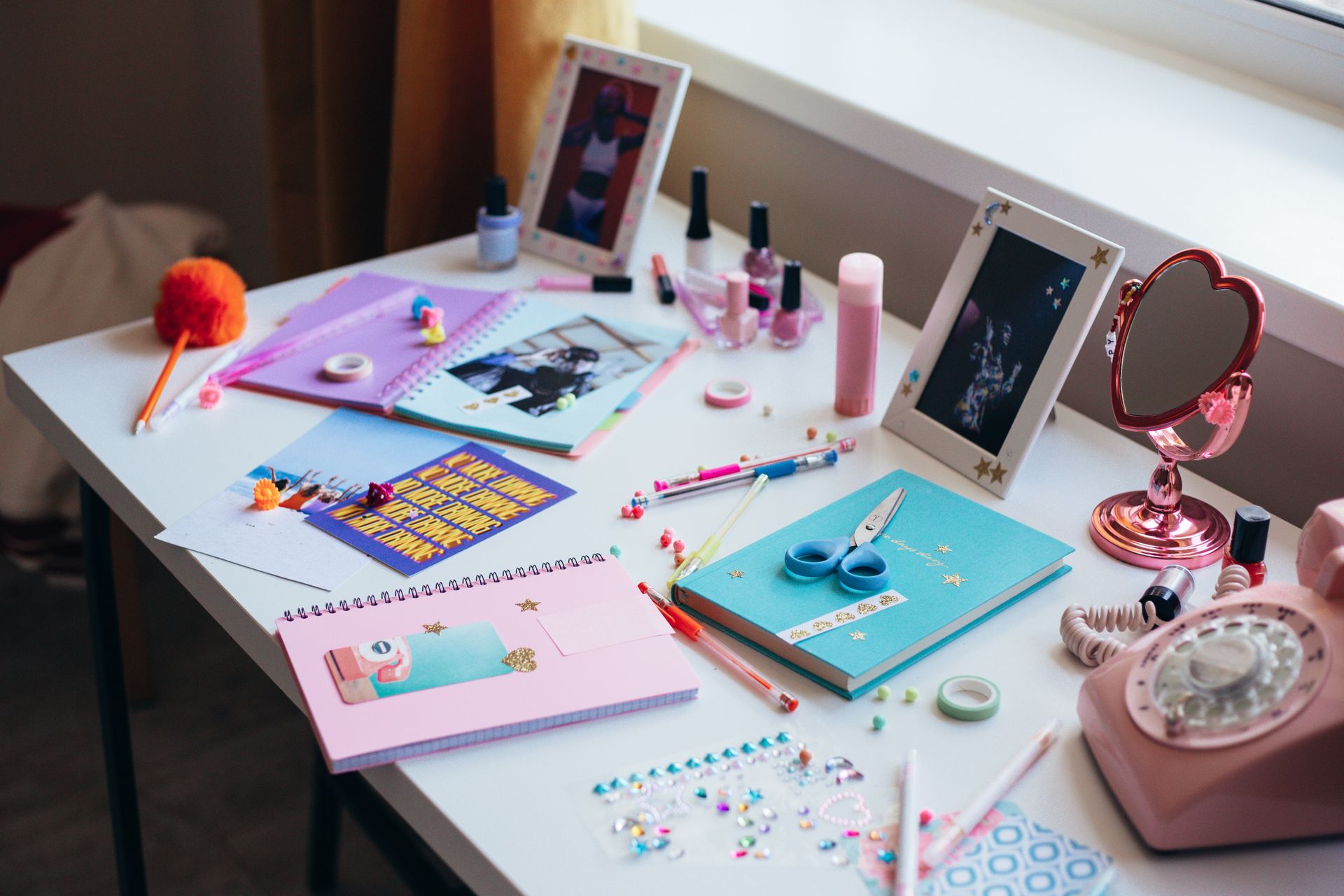
Creating dynamic page compositions during a scrapbooking session is easy when applying basic graphic design principles. Structuring your pages thoughtfully ensures your photographs remain the main focus:
Visual Hierarchy Rules for Page Layouts:
- Primary Focal Point: The largest or most dramatic photograph.
- Secondary Elements: 2-3 supporting detail photos framed in neutral mats.
- Tertiary Details: Handwritten journaling block, date stamp, and subtle ribbon accents.
When planning your scrapbooking layout, consider utilizing these classic design frameworks:
- The Rule of Thirds: Position your primary photograph at the intersection of grid lines rather than directly in the center to create a dynamic visual movement.
- Color Blocking: Group related photographs on coordinating blocks of acid-free paper to create clean, modular structures that are easy to read.
- Monochrome Matting: Frame multi-colored vacation photographs with neutral white or black cardstock mats to give the eyes a natural place to rest.
- Layered Embellishing: Cluster small embellishments, tags, and ribbon bows near the corners of photos rather than scattering them randomly across the entire background page.
Step-by-Step Layout Creation Routine
Following an organized step-by-step workflow keeps your creative scrapbooking sessions productive and enjoyable:
- Sort and Select Photographs: Group physical photos by event, chronological order, or theme (such as holidays, weddings, or family vacations).
- Determine Page Theme: Match background papers and accent colors to the overall mood of the photos you are displaying.
- Draft a Loose Composition: Arrange your photos, mats, and journaling blocks on the page before applying any permanent glue.
- Trim and Mat Images: Cut your background cardstock and photo mats to size using a sharp ruler and scissors for straight lines.
- Secure Page Elements: Apply archival adhesives to the backs of mats and photos, pressing them firmly onto your layout.
- Complete Journaling and Details: Use a pigment-based ink pen to record dates, locations, names, and personal stories in dedicated journaling boxes.
Workspace Ergonomics, Safety, and Preservation Rules
While engaging in scrapbooking is a safe, low-impact craft, maintaining a clean and comfortable workspace ensures a smooth experience:
- Safe Cutting Habits: Store precision scissors and craft knives in protective sheaths when not in use, and cut away from your body on a flat surface.
- Ergonomic Lighting: Work in a well-lit space equipped with full-spectrum daylight lamps to reduce eye strain during intricate detailing and reading.
- Photo Handling Etiquette: Handle unmounted photos carefully by their edges or wear lint-free cotton gloves to prevent skin oils from smudging delicate photo emulsions.
- Chemical Safety Rules: Always choose acid-free and lignin-free paper alongside archival-quality adhesives to shield delicate photos from chemical degradation over time.
- Child and Pet Safety: Keep small embellishments, sharp pins, and adhesive caps stored inside secure organizer bins out of reach of young children and pets.
- Frequent Stretch Breaks: Take regular 5-minute breaks to stretch your wrists, hands, and lower back during extended seated scrapbooking marathons.
Cost Analysis, Budgeting, and Starter Options
Building a scrapbooking collection accommodates any budget, whether you prefer simple minimalist spreads or elaborate mixed-media layouts:
Material Category | Typical Cost Range (USD) | Smart Budgeting Advice |
Album Binders | $15 – $50 | Purchase expandable post-bound or D-ring albums to add extra pages over time. |
Paper Collection Packs | $10 – $30 | Buy double-sided paper pads during seasonal sales to maximize layout options. |
Archival Adhesives | $5 – $20 | Stock up on refillable double-sided tape runners for long-term savings. |
Journaling Pens & Rulers | $3 – $15 | Invest in waterproof, fade-proof fine-liner pens designed specifically for document preservation. |
Complete Beginner Kits | $30 – $75 | All-in-one starter bundles include albums, paper sheets, stickers, and adhesives in coordinated themes. |
Duration, Difficulty, and Physical Accessibility

A scrapbooking project is entirely flexible in terms of time commitment. Creating a simple single-page layout takes roughly 30 minutes to 2 hours, whereas completing an entire 20-page memory album may span several weeks or months depending on your personal crafting pace. The portable nature of paper crafting tools allows you to work in short, satisfying increments whenever free time permits.
In terms of difficulty, scrapbooking is extremely beginner-friendly and requires no formal artistic experience. Beginners can create gorgeous spreads using simple photo arrangements, cardstock mats, and basic journaling. As your confidence grows, you can experiment with die-cutting, rubber stamping, photo distressing, and mixed-media techniques.
The physical requirements for scrapbooking center around basic fine-motor skills for cutting, placing, and gluing small items. Because the activity is seated, low-impact, and easily customizable, it remains highly accessible for crafters of all ages and mobility levels.
Attending Crafting Conventions, Retreats, and Travel Logistics
Many dedicated memory keepers love taking their scrapbooking projects on the road by attending weekend crafting retreats, regional expos, or coastal creative workshops. Attending a dedicated retreat allows you to craft alongside fellow enthusiasts without everyday domestic distractions.
Event Access and Regional Workshops
When planning a trip centered around creative conventions or crafting expos, arranging entry passes and local excursions early makes for a seamless journey. You can book a ticket here to secure admission to popular craft conventions and trade shows. To discover local sight-seeing tours or cultural experiences between afternoon crafting sessions, you can book a tour here or check activities here to explore your destination.
Flight Arrangements and Accommodations
Organizing transit and comfortable lodging near retreat centers keeps your creative getaway stress-free:
- Flight Booking Options: You can check flights here or compare itineraries here to lock in convenient departure times for out-of-state crafting retreats.
- Hotel Reservations: You can check accommodation here to reserve quiet hotel rooms located near retreat centers or convention halls.
- Spacious Vacation Rentals: For groups traveling together for a multi-day scrapbooking weekend, you can book a stay here to secure a private house with plenty of dining room table space and natural lighting.
The Historical and Cultural Roots of Memory Keeping
The art of scrapbooking traces its historic roots back to 15th-century “commonplace books,” where individuals compiled handwritten poems, recipes, medical remedies, and favorite quotes. By the Victorian era, the invention of photography transformed this practice, giving rise to ornate photo albums decorated with pressed flowers, intricate die-cut paper scraps, and elegant calligraphy.
Today, scrapbooking remains a powerful cultural medium that bridges generations. Scrapbooks serve as invaluable family archives, social histories, and personal expressions of identity that connect children with their ancestors. By preserving milestones, family holidays, and quiet everyday moments, modern scrapbooking transforms raw photographs into lasting narratives that honor our shared human experiences.
Frequently Asked Questions (FAQs)
What is the difference between acid-free and regular paper?
Regular paper contains acidic compounds and lignin that cause pages to break down, yellow, and become brittle over time. Acid-free paper is specially treated to maintain a neutral pH level, ensuring your photos and backing sheets remain vibrant and chemically stable for decades.
How do I start scrapbooking if I feel overwhelmed by choices?
Start small by picking a single event—such as a weekend trip or a birthday party—and print 5 to 10 photos. Choose a simple color palette of 2 or 3 acid-free paper sheets, arrange your photos in a clean grid, add basic journaling captions, and build your confidence before investing in elaborate supplies.
What is the standard size for a scrapbook album?
The two most popular standard sizes for a scrapbooking album are 12×12 inches and 8.5×11 inches. The 12×12 format offers ample space for multi-photo layouts and detailed embellishments, while the 8.5×11 format is compact, portable, and easy to store on standard bookshelves.
Preserve Your Story One Page at a Time
Whether you are organizing old family photographs at home, assembling a baby book, or packing your supplies for a weekend retreat with friends, scrapbooking is a deeply rewarding art form that honors your unique journey. Gather your archival papers, select your favorite photos, pick up your journaling pen, and begin creating a beautiful legacy album today!










 Welcome,
