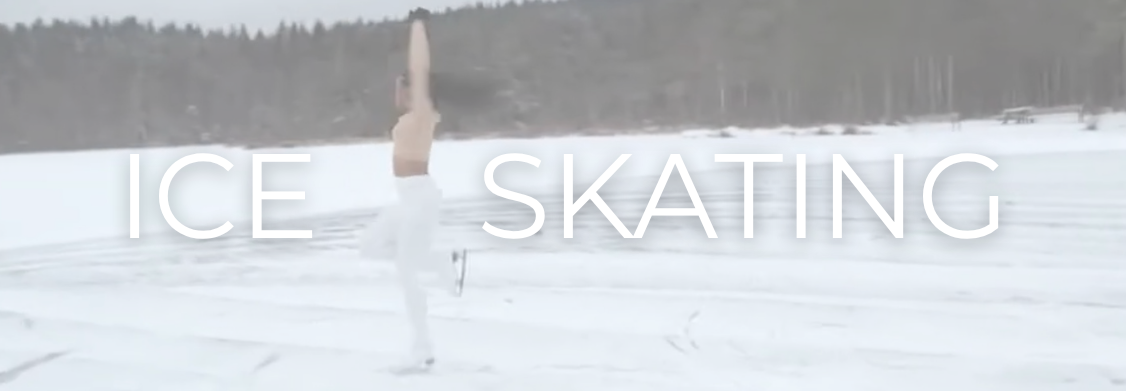

Ice Skating Guide Prep List, Safety, Best Time To Visit, Locations, Cost, & More
Ice skating appeals to people who enjoy graceful movement, winter activities, and the unique sensation of gliding across frozen surfaces. If you like the combination of balance and flow, enjoy cold-weather recreation, and find joy in learning a skill that looks effortless when mastered, ice skating often feels magical rather than difficult. It is especially appealing to people who appreciate winter sports, enjoy individual activities that can also be social, and want exercise that feels more like play.
The purpose of ice skating is to glide across ice using specialized blades attached to boots. Skaters develop balance, edge control, and technique while enjoying recreational skating, figure skating, or hockey. Following a comprehensive ice skating guide ensures you choose properly fitted equipment, stay warm on the ice, and build confidence while enjoying a full-body workout.
Why Using an Ice Skating Guide Enhances Your Rink Experience
Gliding smoothly across pristine ice offers a rewarding mix of athletic movement and artistic freedom. Consulting a structured ice skating guide helps beginners select supportive footwear, dress appropriately for chilled indoor and outdoor rinks, and master basic balance rules with ease.
Key Benefits of Gliding on Ice
Taking to the ice provides exceptional physical conditioning and social fun. Here are the primary benefits highlighted in our ice skating guide:
- Full-Body Workout: Provides excellent cardiovascular exercise while building core stability and leg strength.
- Balance & Coordination: Enhances spatial awareness, ankle stability, and physical balance across all ages.
- Versatile Social Activity: Offers active recreational enjoyment for individuals, couples, and family outings.
- Skill Progression: Opens doors to specialized sports including figure skating, speed skating, and ice hockey.
- Effortless Gliding: Delivers the unique, exhilarating sensation of smooth movement once basic edge control develops.
Is Ice Skating Right for You?
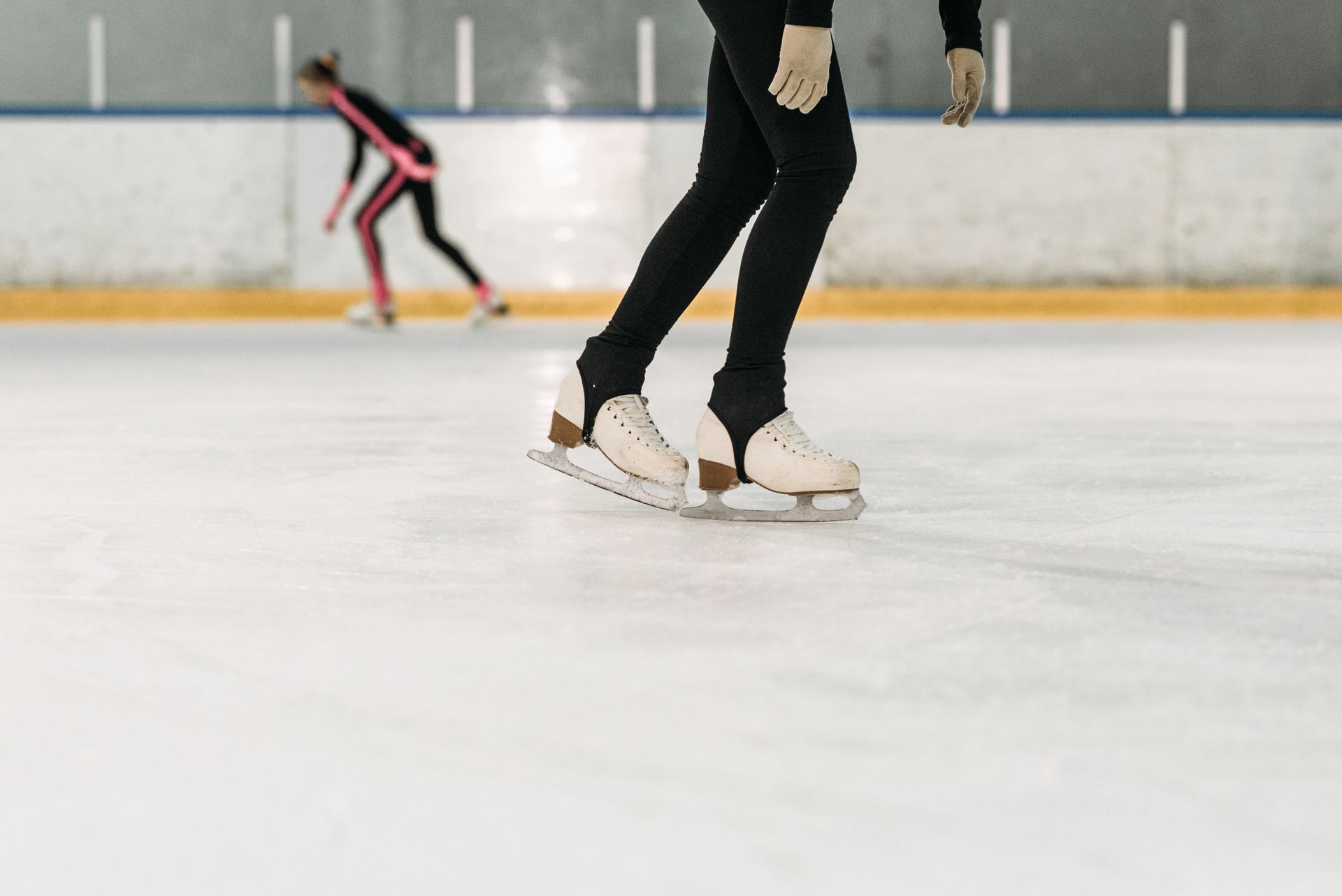
While following an ice skating guide makes learning straightforward, evaluating your comfort level with cold conditions and movement on ice is helpful. This experience may not be enjoyable if you are uncomfortable with cold temperatures, have significant balance challenges, or fear falling. However, using perimeter wall supports, wearing protective layers, and starting slowly allows most beginners to gain confidence quickly.
Essential Gear, Clothing, and Prep List
Having supportive boots, proper thermal layers, and hand protection on your prep list ensures a warm, comfortable, and bruise-free session. Here is the gear breakdown recommended by our ice skating guide:
Must-Have Equipment and Apparel on Your Prep List
Packing properly fitted equipment and cozy accessories maximizes blade control and cold protection:
Skating confidently in quality ice skates with proper fit and sharpened blades improves ankle control and overall enjoyment. Wearing thick, cushioned warm socks provides insulation and prevents boot friction inside your boots. Protecting your hands from cold and falls with insulated gloves keeps fingers warm and reduces injury from icy surfaces.
Covering your legs with flexible long pants prevents cold exposure and cushions minor falls. Regulating your body temperature with versatile layers allows you to adjust as you warm up from activity. Staying hydrated with a insulated water bottle maintains energy during longer skating sessions.
Recommended Attire for the Rink
Dressing in flexible thermal layers ensures full range of motion without getting chilled. Here are the attire guidelines from our ice skating guide:
Pull on breathable warm socks before lacing up supportive ice skates snugly around the ankles. Wear durable, flexible long pants over thermal tights, add comfortable upper-body layers like a zip jacket or fleece sweater, slip on protective gloves, and keep a durable water bottle rink-side for quick breaks.
Safety Guidelines and Risk Management
Ice skating involves slippery surfaces and potential falls, making preparation and awareness essential. Adhering to the safety rules in this ice skating guide protects hands, head, and ankles throughout your session.
Essential Safety Rules for the Ice
To maintain a secure environment for yourself and surrounding skaters, keep these key safety protocols in mind:
- Check Equipment Fit: Wear properly fitted ice skates with sharpened blades and firm ankle support to avoid rolled ankles.
- Protect Your Hands: Always wear protective gloves to shield skin from ice scrapes and sharp skate blades during falls.
- Consider Head Protection: Beginners and young children should wear fitted multi-impact helmets to protect against head injuries.
- Dress in Protective Apparel: Wear comfortable long pants and multiple flexible layers to cushion light impacts against the ice.
- Utilize Wall and Aids: Hold the rink barrier wall or use approved skating frames when practicing initial glides.
- Follow Rink Traffic: Observe posted skating directions (typically counter-clockwise) and stay alert to surrounding crowd traffic.
- Hydrate Regularly: Keep a full water bottle near the bench and take rest breaks when leg fatigue sets in.
Difficulty Level, Session Duration, and Physical Demands
Understanding lesson progression and session structure outlined in our ice skating guide helps skaters build balance at a comfortable pace.
Skill Progression and Balance Development
Ice skating is accessible to beginners, though mastering balance and edge control requires patient practice. Starting with short glides, wall support, and marching drills builds confidence. Progressing to forward crossovers, hockey stops, and basic spins comes naturally with consistent rink time. Investing in quality personal ice skates accelerates skill development compared to worn rental boots.
Session Duration and Physical Requirements
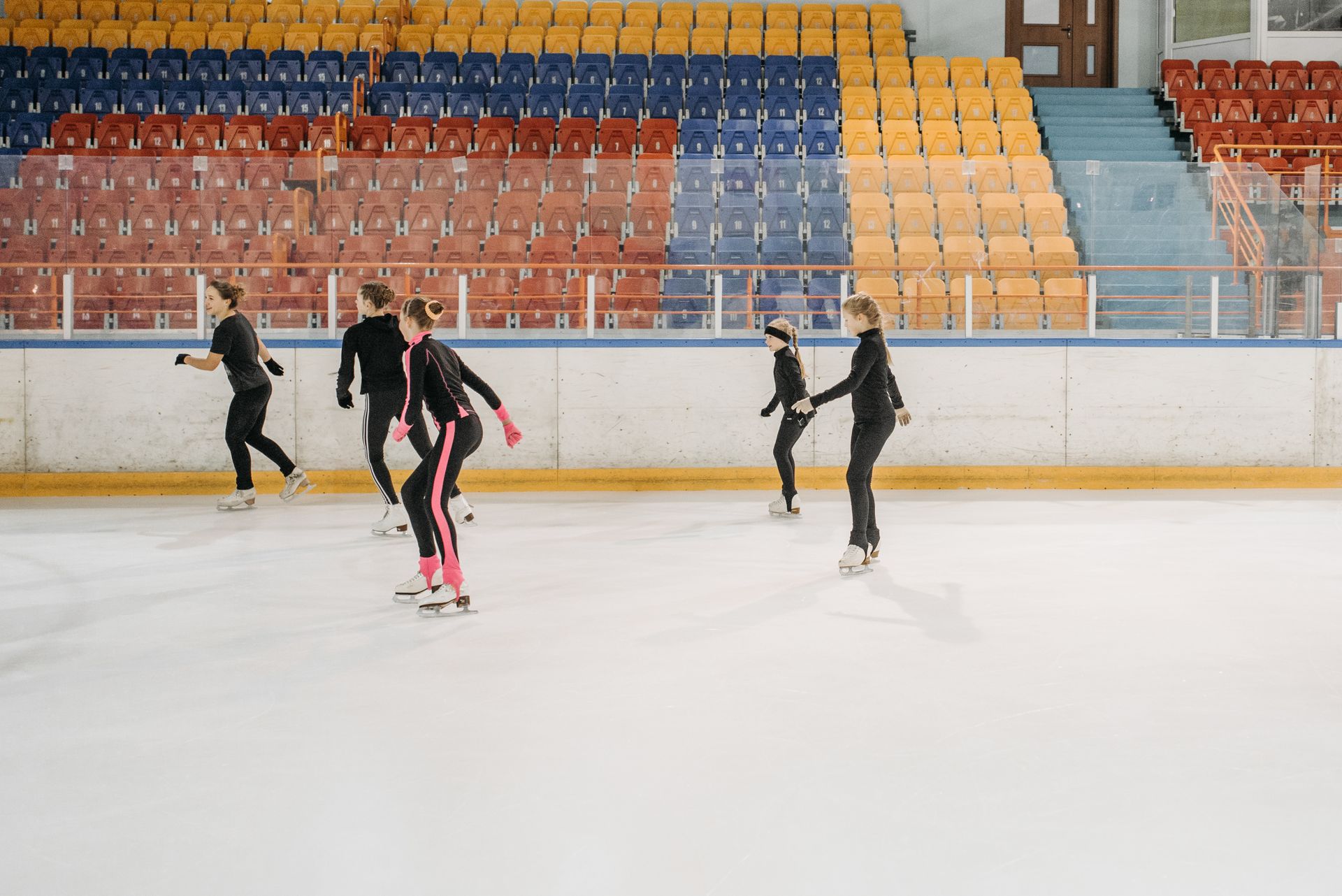
Public open-skate sessions typically last 1 to 2 hours, while formal group lessons run 30 minutes to 1 hour.
Physical demands focus on leg strength, core stability, and cardiovascular endurance. Falling is common while learning, but wearing proper long pants, thermal layers, and protective gloves cushions minor impacts. Taking hydration breaks with a reusable water bottle keeps energy high during full 2-hour sessions.
Estimated Cost and Financial Breakdown
As emphasized throughout our ice skating guide, recreational ice skating offers an affordable winter activity for families and individuals. Here is a standard price summary:
- Session & Rental Fees: Rink admission ranges from $8 to $20, while skate rentals cost $5 to $15 per session.
- Footwear & Skates: Quality personal ice skates cost $50 to $300 depending on skill level, and performance warm socks run $10 to $25.
- Apparel & Accessories: Protective gloves cost $10 to $40, skating-friendly long pants cost $20 to $60, upper-body layers range from $25 to $80, and a insulated water bottle costs $10 to $40.
Cultural Significance and History of Flight on Ice
Ice skating has been practiced for thousands of years, originating as a practical form of winter travel across frozen lakes and canals in Northern Europe. Early skates utilized animal bones bound to leather footwear before steel blades revolutionized the sport in the 19th century.
Over time, ice skating evolved into figure skating, speed skating, and ice hockey—all prominent winter Olympic sports today. Indoor and outdoor skating rinks remain iconic cultural gathering places during winter holidays worldwide, linking modern skaters to a rich tradition of artistry and athleticism on ice.
Locations, Rink Logistics, and Best Time To Visit
Selecting well-maintained indoor facilities or picturesque outdoor holiday rinks makes for an unforgettable skating outing.
Finding Rinks and Session Logistics
Ice skating facilities operate year-round at indoor community arenas and sports complexes, as well as seasonal outdoor rinks in city parks during winter months. Review rink schedules online for public skate times, ice-resurfacing (Zamboni) intervals, and skate sharpening services.
Best Time To Visit and Hit the Ice
The best time to visit public ice rinks is during early afternoon weekday sessions or early morning weekend slots when the ice surface is freshly resurfaced and crowd numbers are lowest. Seasonal outdoor rinks are best visited at dusk when festive holiday lights illuminate the ice. Reserving ticket slots online beforehand represents the best time to visit popular winter venues without waiting in long admission lines. Don’t forget your ice skates, warm socks, gloves, long pants, layers, and water bottle on your prep list for a magical session on the ice!
Related Activity Guides and Destinations
Looking for more winter sports guides or cold-weather recreational ideas? Explore our curated destination directories and activity resources across Kenyago to plan your next outdoor or indoor adventure!










 Welcome,
