

Ping Pong Table Setup List, Safety, Best Time To Visit, Locations, Cost, & More
Ping pong appeals to people who enjoy fast-paced competition, quick reflexes, and accessible athletic activity that can be played almost anywhere. If you like games that combine hand-eye coordination with strategic thinking and can be enjoyed casually or competitively, ping pong often feels engaging rather than exhausting. It is especially appealing to people who want a fun workout, enjoy one-on-one or doubles competition, and appreciate a sport with a low barrier to entry but a high skill ceiling.
The purpose of playing on a proper ping pong table is to develop coordination, reflexes, and strategic thinking through fast-paced rallies across a table tennis net. Players learn to control spin, placement, and speed while reading their opponent’s movements. The game offers both casual fun and serious competition, making it adaptable to any skill level or social setting. Organizing a seamless ping pong table setup ensures you have adequate room clearance, balanced equipment, proper lighting, and ideal floor grip for competitive exchanges.
Why Using a Structured Ping Pong Table Setup Enhances Your Game
Setting up your home or recreation center space requires proper spatial calibration, surface leveling, and gear maintenance. Executing a structured ping pong table setup helps beginners and veteran table tennis players select high-grade equipment, maintain proper paddle grip, and maximize rally consistency.
Key Benefits of Playing Ping Pong
Engaging in table tennis delivers rapid mental focus and lightweight physical exercise. Here are the primary benefits highlighted in our ping pong table setup guide:
- Improved Reflexes and Coordination: Sharpens hand-eye tracking, agility, and motor control through rapid-fire rallies.
- Cardiovascular Workout: Burns calories and promotes steady heart health through active lateral movements and dynamic footwork.
- Strategic Mental Focus: Exercises tactical decision-making, spatial placement, and spin perception under fast-paced pressures.
- Accessible Social Connectivity: Offers low-impact competition for players of all ages, skill levels, and fitness backgrounds.
- Versatile Indoor Fun: Fits seamlessly into home basements, community rec centers, school gyms, and office break rooms.
Is Playing Ping Pong Right for You?
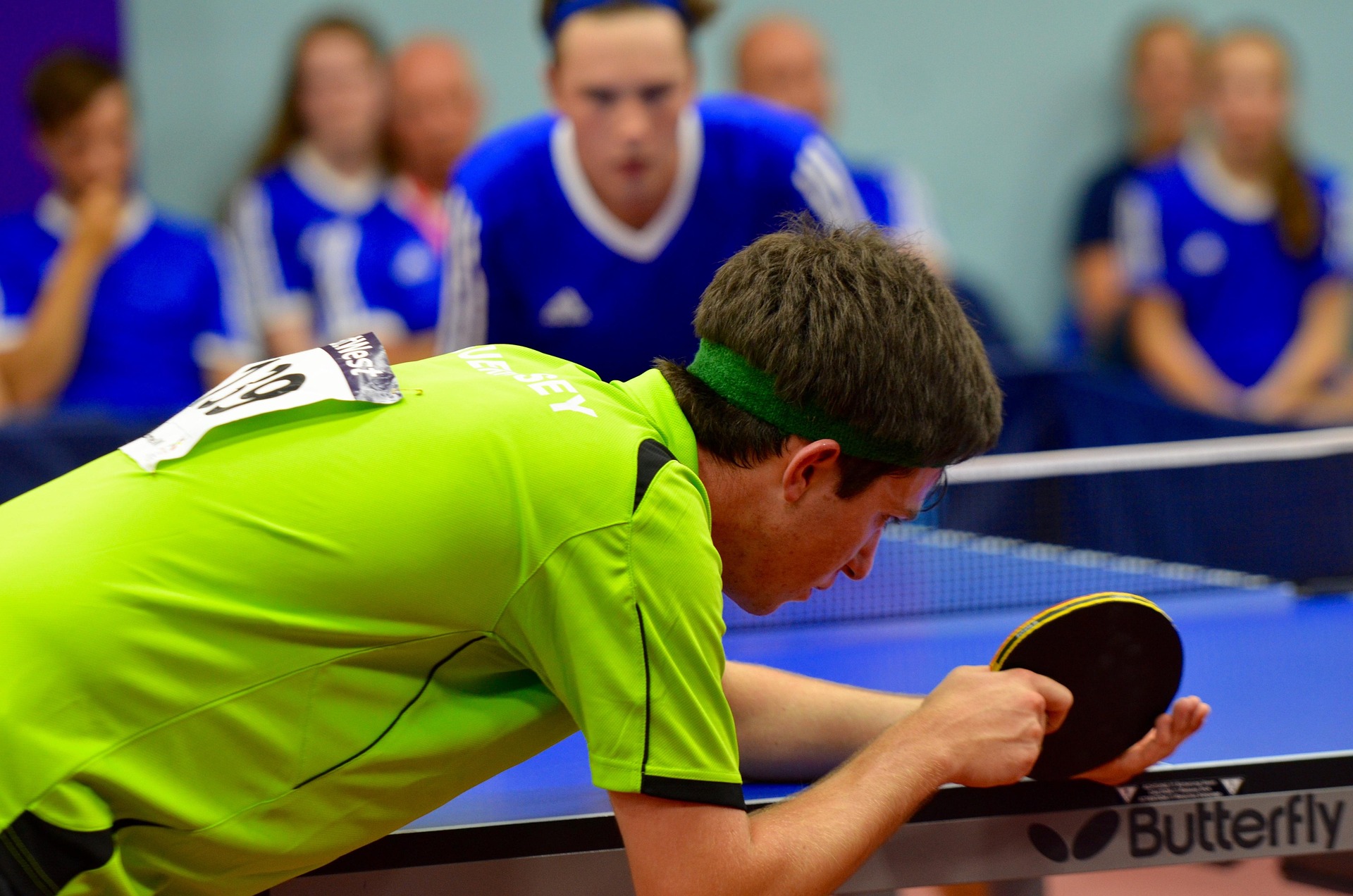
While completing a ping pong table setup makes hosting matches effortless, evaluating your personal play style is helpful. This activity may not be ideal if you strongly dislike fast-paced reactive games, get frustrated by repetitive stroke drills, or prefer high-contact team field sports over table-based competition. However, adjusting match rules to casual rally formats provides low-stress enjoyment for everyone.
Essential Gear, Space Preparation, and Prep List
Preparing your game room and equipping your ping pong table setup with smooth paddles, high-bounce balls, and proper foot support guarantees uninterrupted fun. Here is the recommended equipment breakdown:
Must-Have Supplies and Gear on Your Prep List
Adding these foundational hardware items to your game room upgrades your play sessions:
Selecting a sturdy, standard regulation ping pong table delivers a uniform ball bounce and a smooth surface finish. Equipping your setup with custom-tack ping pong paddles improves stroke control, spin generation, and overall paddle feel.
Stocking up on durable, high-visibility 3-star ping pong balls prevents match interruptions when balls get stepped on or dented. Mounting a taut table tennis net at the correct regulation height ensures accurate serve clearances. Lacing up supportive non-marking athletic shoes protects your ankle joints during quick lateral shifts. Keeping a filled water bottle handy keeps you hydrated during long tournament sessions.
Table Alignment, Room Clearance, and Equipment Check
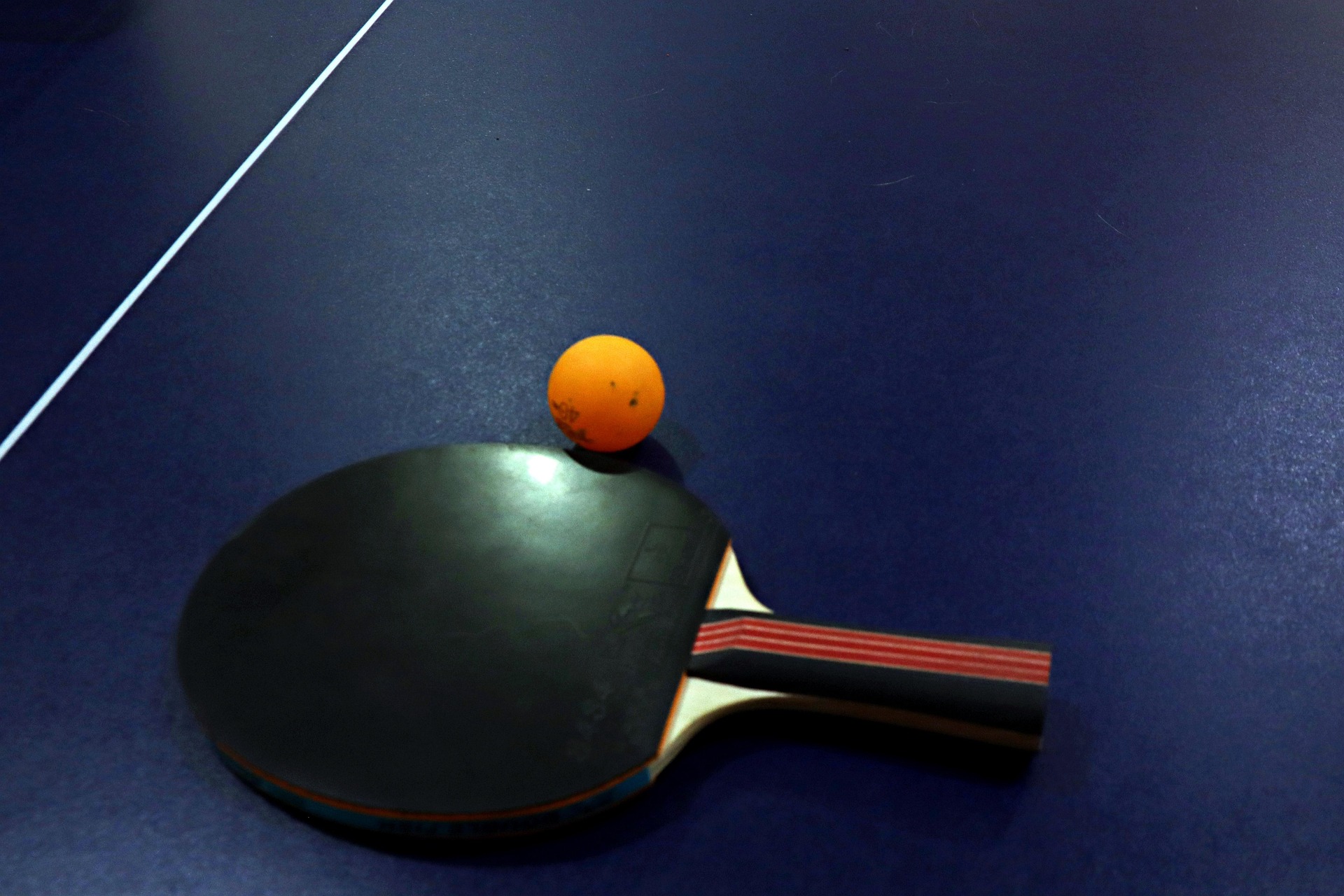
Preparing your playing arena before unboxing equipment prevents accidental trips and wall bumps. Follow these setup steps for your ping pong table setup:
Clear a minimum floor area of 18 x 10 feet to allow comfortable footwork around the table edges. Unfold your ping pong table, adjust leg levelers to ensure a flat playing surface, clamp on the table tennis net, double-check net height (6 inches), inspect your paddles for tacky rubber grip, gather extra balls, lace up non-marking athletic shoes, keep your water bottle nearby, and test table bounce before serving!
Safety Guidelines and Risk Management
Ping pong is a low-risk, safe sport, but high-speed games require spatial awareness. Follow these essential safety rules during every ping pong table setup:
Essential Safety Rules for Table Tennis Play
To prevent slipping hazards and physical strains around your ping pong table, follow these core safety recommendations:
- Clear Surrounding Room Floor: Remove stray furniture, rug edges, and trailing power cords around your ping pong table area.
- Collect Loose Balls Promptly: Pick up stray ping pong balls instantly to avoid stepping on them and slipping during intense rallies.
- Wear Non-Marking Athletic Shoes: Choose supportive court footwear with non-skid rubber soles to prevent slipping on smooth indoor floors.
- Warm Up Arm and Wrist Joints: Perform light wrist rotations, shoulder stretches, and leg flexes before beginning fast-paced competitive sets.
- Maintain Space Clearances: Keep spectators and extraneous equipment at least 5 feet back from table edges to prevent body collisions.
- Stay Hydrated: Sip water regularly from your water bottle to prevent overheating during long tournament sessions.
Difficulty Level, Play Duration, and Physical Demands
Understanding game mechanics, paddle grips, and spatial requirements outlined in our ping pong table setup breakdown helps you build skill rapidly.
Learning Mechanics: How to Play Ping Pong & Grip Techniques
A common question beginners ask is how to play ping pong efficiently. The basic goal is to strike the ball over the net onto the opponent’s side so they cannot return it. Games are typically played to 11 points, requiring a 2-point lead to win.
Mastering how to hold a ping pong paddle is the foundation of spin control and shot consistency:
- Shakehand Grip: The most common global grip. Place your palm against the handle, wrap your middle, ring, and pinky fingers around it, index finger resting on the backhand rubber, and thumb resting on the forehand side (resembling a handshake).
- Penhold Grip: Popular across Asia. Hold the paddle handle vertically pointing down, gripping the blade between thumb and index finger like a writing pen.
Room Space Rules: How Big Is a Ping Pong Table?
When planning a home or club room layout, knowing how big is a ping pong table is critical. According to International Table Tennis Federation (ITTF) standard specifications:
- Standard Length: 9 feet (2.74 meters)
- Standard Width: 5 feet (1.525 meters)
- Standard Height: 2.5 feet (76 cm) above the floor
- Net Height: 6 inches (15.25 cm) high, extending 6 inches beyond each side
Is Ping Pong a Sport? Clarifying the Definition
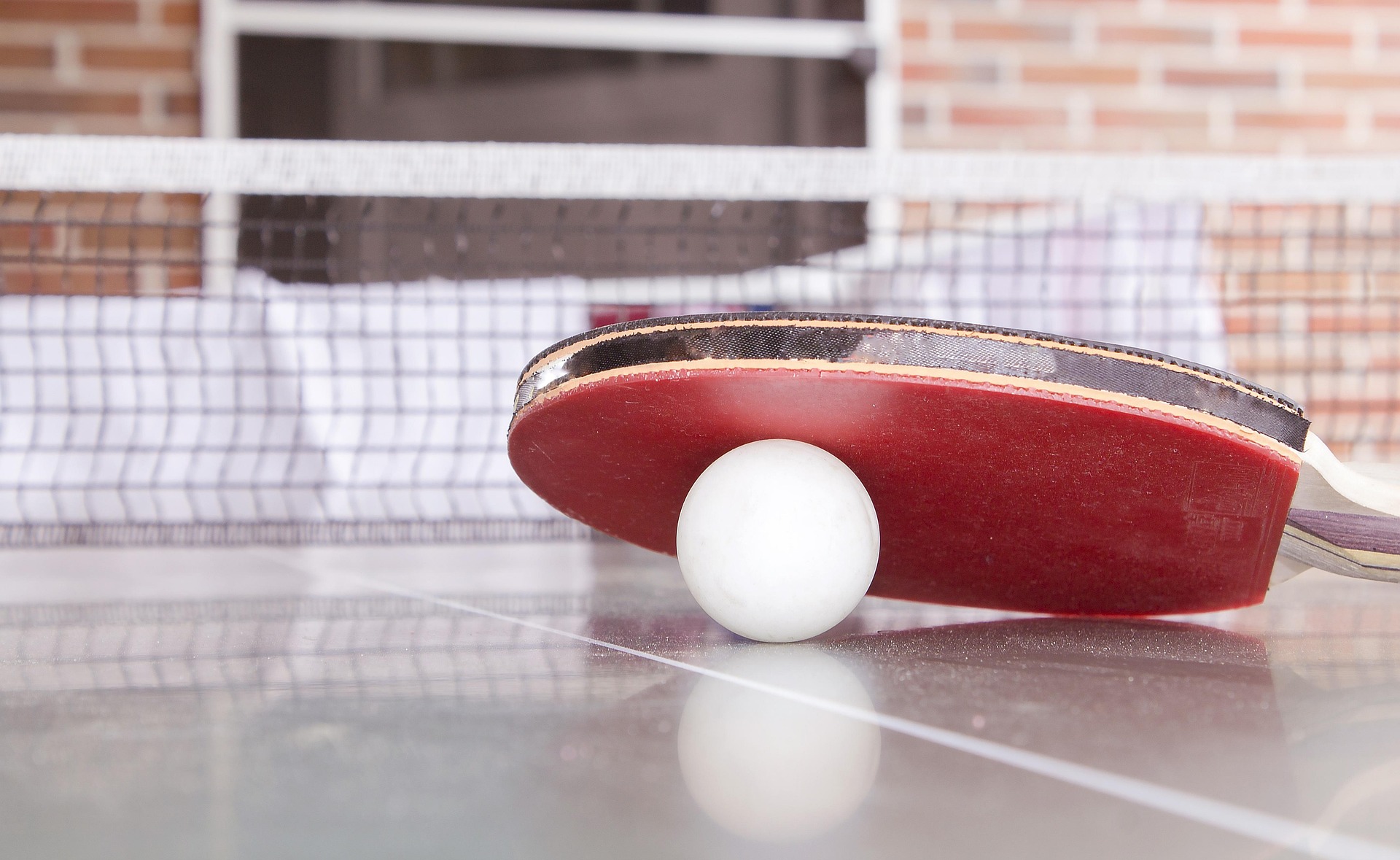
Casual players often wonder: is ping pong a sport? Absolutely! Table tennis has been an official Olympic sport since 1988, demanding intense athletic conditioning, ultra-fast reaction speeds (under 0.1 seconds), precise spin mechanics, and high-intensity footwork.
Clarifying Regional Phrases: What Is a Ping Pong Show in Thailand?
When searching for international table tennis events online, users occasionally encounter the question: what is a ping pong show in Thailand? It is important to clarify that this term does not refer to the athletic sport of table tennis or ping pong tournament games. Instead, it refers to an adult sex tourism entertainment performance held in red-light nightlife districts in Thailand. It bears no relation to table tennis equipment, rulebooks, or competitive athletics.
Play Duration and Physical Expectations
A single 11-point ping pong game takes 5 to 15 minutes. Full recreational play sessions run 30 minutes to 2 hours, while tournament sets span multiple games.
Physical demands focus on fast lateral footwork, light cardiovascular agility, and quick wrist flicks. Using a full regulation ping pong table paired with a sturdy table tennis net ensures consistent physical pacing across all games.
Estimated Cost and Financial Breakdown
As emphasized across our ping pong table setup guidelines, setup costs depend on equipment quality and game space requirements. Here is a typical cost breakdown:
- Tables: Full-size folding or stationary indoor tables range from $100 to $1,000 depending on tabletop thickness and frame strength.
- Paddles & Accessories: Recreational paddle pairs cost $15 to $50, while professional custom paddles cost $50 to $200 each. Protective cases add $10 to $30.
- Balls: Quality Star-rated ball multipacks cost $5 to $20.
- Nets & Footwear: Standalone or replacement clamp-on nets cost $10 to $40. Supportive court shoes run $40 to $120. Reusable water bottles cost $10 to $40.
Cultural Significance of Ping Pong
Ping pong originated in England in the late 1800s as a high-society after-dinner parlor game played with improvised books and champagne corks. It quickly expanded into a worldwide competitive sport, achieving official Olympic status in 1988.
The sport holds deep national cultural significance in China, which has produced numerous Olympic and World Champions. Today, table tennis unites millions of casual and competitive players in community centers, schools, office game rooms, and international arenas.
Prime Locations, Play Spaces, and Best Time To Visit
Finding optimal venues for your ping pong table setup creates exciting opportunities for friendly matches and tournament play.
Location Types: Home Game Rooms vs. Dedicated Table Tennis Clubs
While a home basement ping pong table setup offers instant recreational access, dedicated table tennis clubs provide professional lighting, high-friction flooring, ITTF-approved tables, and experienced coaching.
Best Time To Visit Table Tennis Clubs and Recreation Centers
The best time to visit dedicated table tennis clubs for open table practice is during weekday mornings and early afternoons (Monday through Thursday) when player traffic is light. Weekend evenings feature organized league matches, but arriving early during open club hours represents the best time to visit if you want to claim a premier table without waiting.
Whether setting up at home or playing at a club, owning a standard ping pong table, mounting a tight table tennis net, choosing high-grip paddles, stocking durable balls, wearing non-marking shoes, and keeping your water bottle filled on your prep list guarantees an exceptional ping pong table setup every time!
Related Table Sport Guides and Game Room Setup Hubs
Looking for more indoor game room tutorials, racquet sport breakdowns, or active home entertainment guides? Explore our curated tech and sports directories across Kenyago to plan your next home setup!










 Welcome,
