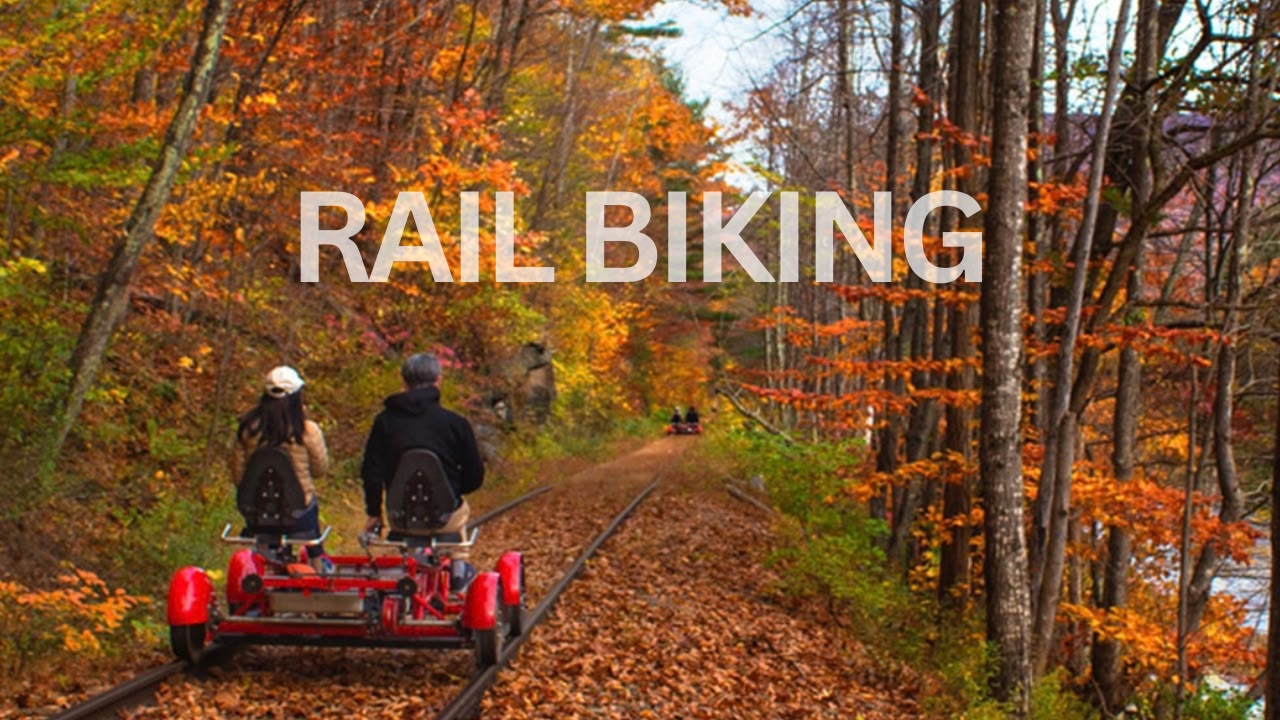

The Complete Guide to Rail Biking: Scenic Routes, Gear Essentials, and Safety Protocols
Taking a scenic tour via rail biking offers an innovative, eco-friendly way to explore lush forests, rolling countryside, and historic rail corridors. Combining gentle physical exercise with immersive outdoor sightseeing, biking transforms abandoned steel tracks into accessible pathways of discovery. Whether you are searching for a peaceful family weekend trip, a romantic outing, or a unique historical excursion, embarking on a rail biking trip provides an unforgettable adventure.
At its core, biking utilizes specially engineered multi-wheeled recumbent quadricycles fitted with steel or polyurethane wheels designed to ride smoothly on standard railroad tracks. Because the steel rails guide your direction, rail biking requires zero steering effort, allowing riders to focus entirely on pedaling, taking photos, and absorbing the surroundings. Merging transportation history with modern outdoor recreation, rail biking makes outdoor exploration effortless and exciting for riders of all skill levels.
Essential Safety Protocols, Boarding Rules, and Track Etiquette
While participating in rail biking is low-impact and secure, following standard track safety protocols guarantees a safe excursion for all participants:
- Follow Lead Guide Instructions: Always obey the pacing instructions given by tour guides during your rail biking trip to maintain safe spacing between cars.
- Maintain Safe Following Distances: Keep a minimum buffer of 50 to 100 feet between vehicles while rail biking to prevent sudden rear-end bumps.
- Remain Firmly Seated During Transit: Keep seatbelts fastened and stay inside the frame while rail biking until the vehicle comes to a complete halt at designated stops.
- Wear Protective Footwear: Wear sturdy, closed-toe shoes to protect your feet near rotating pedals, wheels, and track switches during rail biking.
- Secure Loose Belongings: Store backpacks, cameras, and phone straps safely inside mounted cargo baskets to prevent items from falling onto the steel tracks while rail biking.
Although enjoying a rail biking trip is generally relaxing, it may not suit individuals who cannot pedal continuously for an hour or those who experience severe anxiety on elevated trestle bridges.
Essential Gear and Tour Packing Checklist
Packing the right personal gear keeps you comfortable and protected throughout your rail biking adventure, regardless of changing weather along the tracks.
Essential Packing Item | Strategic Function for Your Rail Riding Tour |
Broad-Spectrum Sun Protection | Applying broad-spectrum Sunscreen shields exposed skin from UV radiation while biking through open track corridors. |
Hydration Supply | Carrying a full Water Bottle ensures consistent fluid intake during warm afternoon sessions of rail biking. |
Glare-Blocking Eyewear | Wearing polarized Sunglasses protects eyes from direct sunlight and wind debris during fast-paced biking. |
Energy Sustaining Bites | Packing healthy portable Snacks maintains your energy reserves during long, multi-mile excursions of rail biking. |
High-Resolution Photography | Bringing a compact Camera lets you capture panoramic trestle views and forest landscapes while rail biking. |
Insect Defense Wearable | Wearing a wrist-mounted Bug Repellent Bracelet wards off mosquitoes and biting flies while rail biking through deep woods. |
Mobile Power Bank | Carrying a lightweight Portable Phone Charger ensures your phone battery stays charged for photos during rail biking. |
Head Safety Equipment | Fitting a properly sized Helment provides extra safety along elevated bridges and mountain cuts while rail biking. |
Reviewing this packing list before arriving at the depot station guarantees a comfortable and fully prepared outdoor outing.
Pedal-Powered Vehicles vs. Electric-Assist Rail Bikes: A Comparison
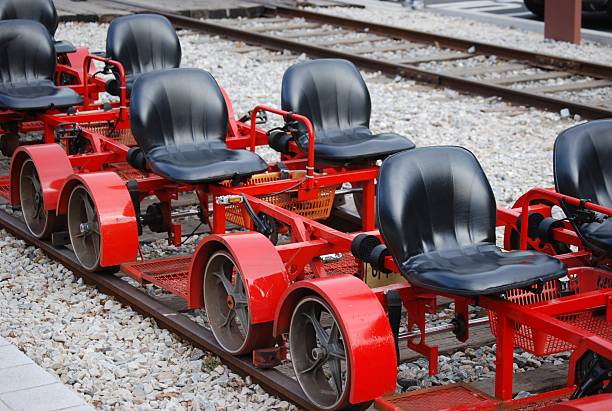
Selecting between traditional pedal vehicles and modern electric-assist models helps match your rail biking excursion to your group’s fitness levels:
Comparison Category | Traditional Human-Powered Rail Bikes | Electric-Assist (E-Assist) Rail Bikes |
Primary Propulsion | 100% human leg power requiring continuous pedaling movement. | Integrated electric motor boosting pedal strokes on incline grades. |
Physical Effort Level | Moderate aerobic exercise suitable for active outdoor enthusiasts. | Low physical demand, making long-distance rail biking effortless. |
Ideal Participant Group | Active families, fitness enthusiasts, and athletic tour groups. | Seniors, multi-generational families, and riders seeking leisure. |
Route Distance Capability | Best suited for shorter scenic loops ranging from 5 to 10 miles. | Excellent for extended expeditions covering 12 to 25+ miles. |
Step-by-Step Sequence for a Seamless Rail Riding Experience
Following a structured preparation sequence ensures a smooth and enjoyable rail biking trip from depot check-in to final arrival:
- Reserve Departure Slot Online: Book official tour passes weeks ahead during peak spring and autumn seasons to secure preferred rail biking times.
- Arrive Early for Safety Briefing: Reach the depot terminal 20 to 30 minutes early to check in, sign waivers, and meet your rail biking guides.
- Adjust Seat and Pedal Position: Set your recumbent seat distance properly to ensure comfortable leg extension while rail biking.
- Fasten Safety Belts: Secure all lap belts, store your loose gear in cargo bins, and put on your protective headwear before departure.
- Maintain Steady Pace on Track: Pedal at a smooth, steady cadent, leaving plenty of space behind the vehicle ahead while rail biking.
- Follow Guide Turnaround Commands: Obey guide prompts at turnaround turntables, mid-route rest stops, and terminal stations during your trip.
Cost Breakdown and Financial Planning Guide
Planning your budget for a scenic rail biking excursion involves ticket fees, optional electric-assist upgrades, and local travel logistics:
Expense Category | Typical Price Range (USD) | Smart Cost-Saving Advice |
Individual Tour Ticket | $40 – $90 per person | Book weekday morning tours to take advantage of off-peak pricing for rail biking. |
Tandem / Quad Unit Booking | $120 – $250 per vehicle | Share a four-person quad bike with family members to lower per-person rail biking costs. |
E-Assist Vehicle Upgrade | $15 – $30 add-on fee | Reserve electric-assist units early if traveling with young children or seniors. |
Personal Accessories & Gear | $10 – $40 per item | Bring existing sun protection, water bottles, and lightweight daypacks from home. |
Standard tour packages typically range from 1.5 to 3 hours, offering plenty of time for pedaling, rest stops, and taking photos along scenic track sections.
Physical Requirements and Fitness Preparation
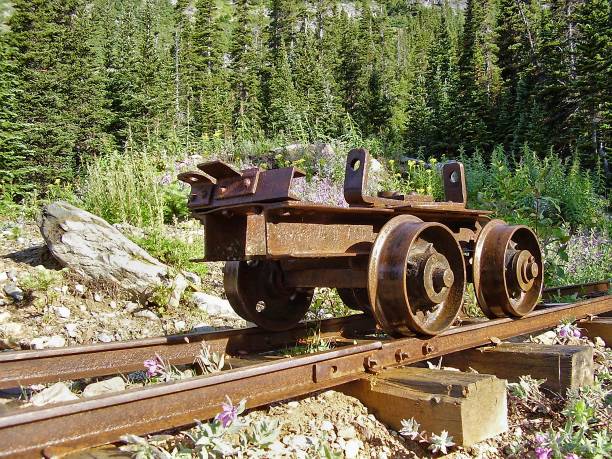
Because railroad tracks are engineered with gentle grades, rail biking requires far less physical exertion than traditional road cycling. Key physical considerations include:
- Low-Impact Leg Movement: Recumbent seating positions reduce strain on your back, knees, and joints while biking.
- Minimal Balance Needed: Fixed track rails eliminate the need for steering balance, keeping the ride smooth and stable.
- Shared Pedaling Workload: Multi-person tandem and quad bikes allow riders to share pedaling duties, letting tired riders rest briefly during biking.
Taking advantage of electric-assist options allows participants of varying fitness levels to enjoy long routes together without physical exhaustion.
Top Worldwide Rail Biking Destinations and Excursion Routes
From mountain valleys to historic coastal lines, premier global locations offer spectacular environments for rail biking:
- Adirondack Mountains (New York, USA): Glides through deep evergreen forests, over river trestles, and along mountain streams on historic tracks.
- Redwood Coast (California, USA): Winds through ancient coastal redwood groves and over historic wooden trestles onboard custom rail biking craft.
- Gangchon Rail Park (Chuncheon, South Korea): Features scenic river views, light-up tunnel installations, and vibrant mountain scenery.
- Vélorail des Cévennes (Gard, France): Offers stunning views over stone viaducts, limestone gorges, and classic French countryside.
Travel Logistics, Excursion Bookings, and Local Accommodations
Arranging your travel transport, regional flights, and lodging ahead of time guarantees a seamless vacation experience centered on your rail tours. You can book a ticket here to secure admission passes for regional heritage parks and railway museums. To discover guided outdoor excursions, regional history tours, or local sightseeing packages, you can book a tour here or check activities here to enrich your travel itinerary.
When organizing transportation and regional lodging:
- Flight Bookings: You can check flights here or compare itineraries here to secure optimal routes into major regional hubs.
- Hotel Stays: You can check accommodation here to find historic railway inns, boutique hotels, or mountain lodges near tour depots.
- Private Vacation Homes: For multi-generational families traveling together, you can book a stay here to reserve spacious country homes near rail corridors.
Historical Heritage and Infrastructure Preservation
The global rise of biking plays a crucial role in preserving historic industrial infrastructure that might otherwise fall into disrepair. As commercial freight train traffic declined throughout the late 20th century, thousands of miles of scenic track corridors faced abandonment. Converting these corridors into recreation routes allows biking operators to protect historic bridges, hand-carved tunnels, and depot stations. Participating in biking directly supports local heritage conservation while breathing new economic life into rural communities.
Frequently Asked Questions (FAQs)
Do I need prior cycling experience to go rail biking?
No, prior cycling experience is not required. Because the steel wheels are guided by the railroad tracks, no steering or balancing skills are needed while rail biking.
Are rail bikes suitable for young children and seniors?
Yes! Recumbent seating, safety harnesses, and shared pedaling make rail biking an ideal activity for multi-generational families, young kids, and seniors alike.
What happens if it rains on the day of my rail bike tour?
Most operators run tours rain or shine. Bringing lightweight rain jackets and wearing closed-toe shoes ensures you stay comfortable during damp biking trips.
Reserve Your Track Tour and Start Pedaling
Whether pedaling through shaded forest tunnels or gliding across dramatic river trestles, planning a rail biking trip promises a unique blend of history, outdoor exercise, and scenic adventure. Gather your friends and family, grab your gear, step onto the tracks, and enjoy the ride!
For a visual look at track mechanics, seat adjustments, and safety guidelines, watch this helpful video on Rail Biking Essentials & Tour Experience Guide.










 Welcome,
