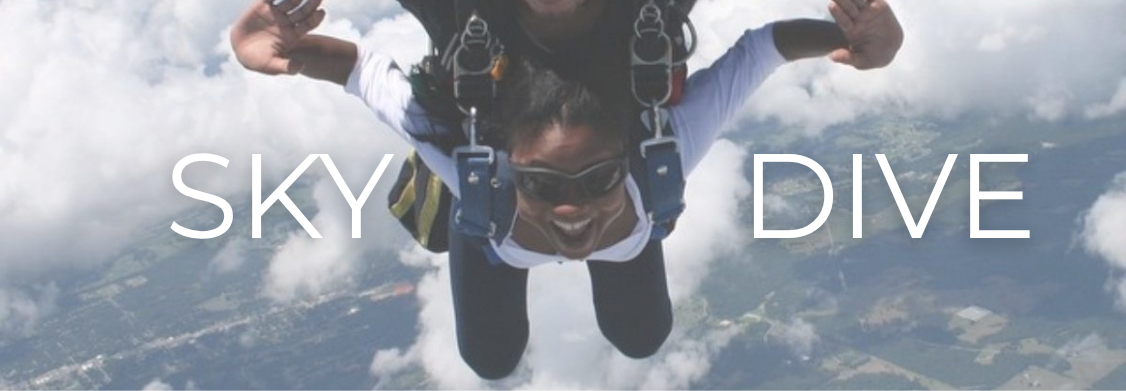

The Complete Guide to Skydiving: Tandem Jumps, Gear Essentials, and Safety Protocols
Choosing to try skydiving is widely considered the pinnacle of human thrill-seeking, delivering a breathtaking rush of adrenaline combined with panoramic views of the earth below. If you have ever looked into the open air and wondered what it feels like to fall at speeds exceeding 120 miles per hour before floating under a canopy, skydiving provides an unforgettable answer.
Whether you are aiming to cross off a bucket-list goal or step outside your comfort zone, skydiving transforms your perspective on risk, personal courage, and adventure. At its core, skydiving involves leaping from an aircraft at altitudes between 10,000 and 18,000 feet, experiencing up to 60 seconds of uninhibited freefall, and deploying a ram-air parachute to glide safely back to a designated landing area.
For first-timers, tandem skydiving pairs you directly with a licensed instructor who manages all technical aspects—from harness rigging and door exit to parachute deployment and landing maneuvers—leaving you free to immerse yourself in the experience.
Essential Safety Protocols, USPA Standards, and Pre-Jump Rules
Modern skydiving operates under strict safety guidelines regulated by governing bodies such as the United States Parachute Association (USPA). Adhering to these established protocols guarantees a secure and structured experience:
- Verify Drop Zone Accreditation: Ensure your facility maintains full accreditation with official aviation authorities and certified parachute associations before scheduling skydiving.
- Complete Mandatory Ground School Training: Pay close attention during your pre-flight instruction session covering body arching, door exit techniques, and landing positions prior to skydiving.
- Obey Instructor Body Positioning: Maintain the proper belly-to-earth arch position during freefall to ensure maximum flight stability during your skydiving leap.
- Observe Weight and Health Disclosure Limits: Provide completely accurate medical information, as weight caps and physical conditions affect harness safety during skydiving.
- Avoid Alcohol and Substances: Abstain strictly from consuming alcohol, drugs, or scuba diving within 24 hours of your scheduled jump.
While tandem skydiving is accessible to most adventurous adults, it may not be suitable for individuals with severe heart conditions, untreated spinal issues, severe vertigo, or those who exceed drop zone weight capacities.
Essential Gear and Tour Packing Checklist
Equipping yourself with the right apparel shields your body from wind chill at high altitudes and ensures a comfortable landing.
Essential Packing Item | Strategic Function for Aerial Jump Operations |
Abrasion-Resistant Bottoms | Wearing durable Long Pants protects your legs against cold sub-freezing winds and ground friction when skydiving. |
Thermal Wind Layer | Pulling on long-sleeved tops or fitted Sleeves guards your arms from high-velocity wind force while skydiving. |
Protective UV Eyewear | Fitting slim Sunglasses underneath your flight goggles shields your eyes from glare and airflow during skydiving. |
Laced Athletic Footwear | Wearing securely tied Sneakers protects your feet during impact and keeps your footwear attached while skydiving. |
Action Recording Equipment | Booking a media package or utilizing a high-definition Camera captures HD footage of your freefall while skydiving. |
Preparing these personal items ahead of time ensures you can focus entirely on the flight brief and mental preparation upon arriving at the airfield.
Tandem Skydiving vs. Solo AFF (Accelerated Freefall): A Comparison
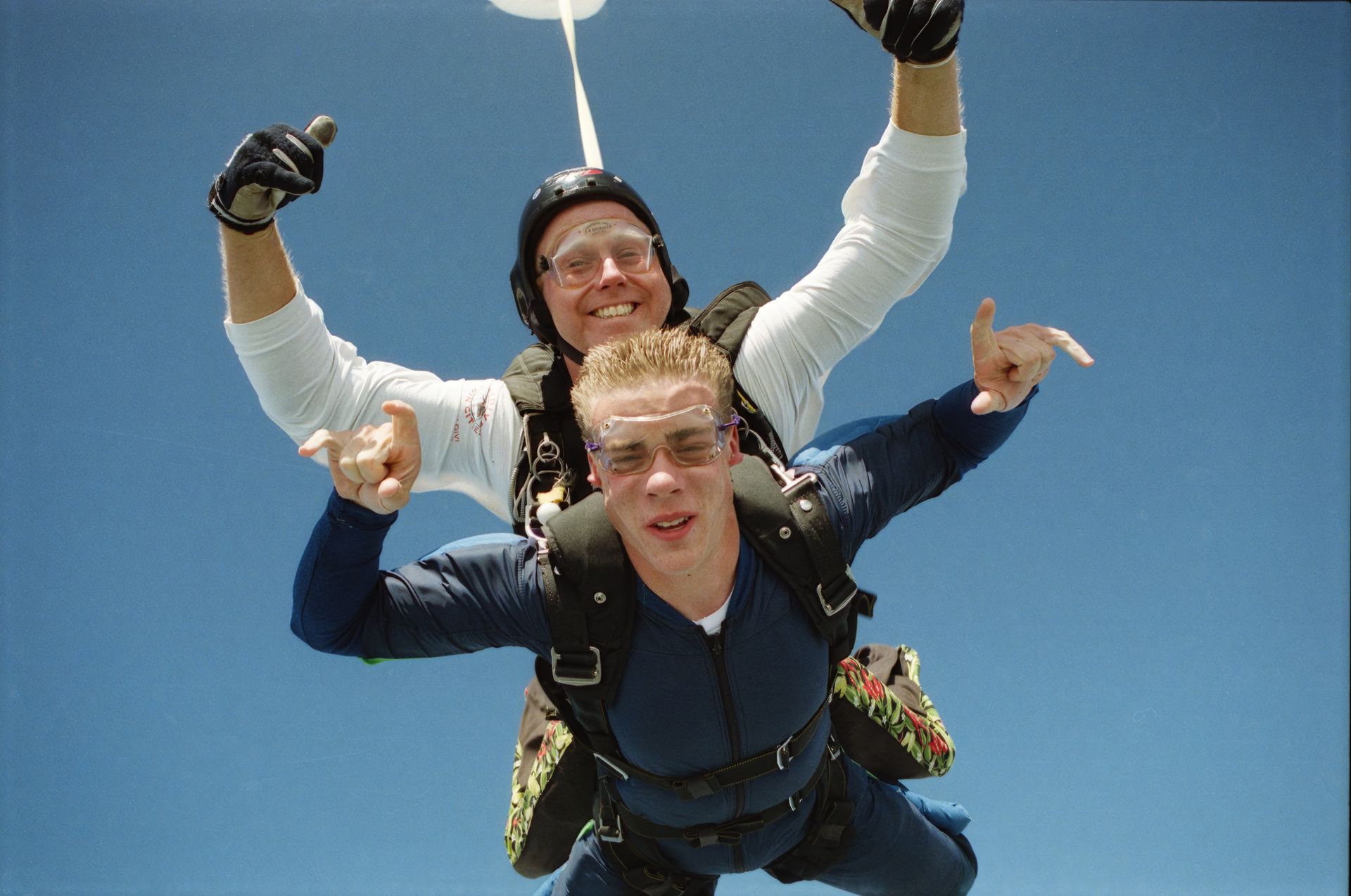
Selecting between a tandem jump and enrolling in a solo licensing course dictates your training requirements, cost, and overall involvement:
Comparison Category | Tandem Skydiving Jump | Solo Accelerated Freefall (AFF) |
Required Training Time | 20 to 45 minutes of ground briefing on the day of the jump. | 6 to 8 hours of intensive ground school before the first jump. |
Equipment Control | Handled entirely by a certified instructor strapped behind you. | Managed by the student jumper, with two instructors guiding in freefall. |
Mental & Physical Effort | Low technical effort; focus is on enjoying the sensory experience. | High mental focus; requires manual canopy control and altitude awareness. |
Ideal Participant Profile | First-time jumpers, bucket-list seekers, and casual thrill-seekers. | Aspiring licensed jumpers committed to earning an independent license. |
Step-by-Step Sequence for a First-Time Tandem Experience
Following a structured schedule keeps your jump day organized and stress-free from check-in to landing:
- Book Your Jump Reservation Online: Select your preferred jump height and time slot well in advance to secure optimal weather conditions.
- Complete Check-In and Waivers: Complete administrative forms, weigh-in checks, and legal liability paperwork upon arriving at the airfield.
- Attend Ground School Briefing: Learn the proper harness positioning, door exit stance, and foot-elevation landing techniques.
- Gear Up in Full Harness Assembly: Allow your assigned tandem master to adjust, double-check, and secure your chest and leg harnesses before skydiving.
- Ascend to Jump Altitude: Enjoy a scenic 15-to-20-minute flight up to altitude inside the jump aircraft before starting your skydiving leap.
- Exit the Aircraft and Freefall: Jump into the open air alongside your instructor, experiencing freefall speeds up to 120 mph.
- Float Under Parachute Canopy: Relax during a peaceful 5-to-7-minute canopy glide back down to the drop zone target area.
Cost Breakdown and Financial Planning Guide
Budgeting for your aerial adventure involves accounting for ticket fees, jump altitude upgrades, photo packages, and personal footwear:
Expense Category | Typical Price Range (USD) | Smart Cost-Saving Advice |
Standard Tandem Jump Pass | $180 – $300 per person | Book weekday jump slots or join group rates to reduce individual costs for skydiving. |
Video & Photo Media Package | $90 – $160 per jumper | Pre-purchase combined photo and video bundles online when scheduling skydiving. |
High-Altitude Upgrade (15k+ ft) | $30 – $60 add-on fee | Choose higher altitude jumps to gain extra seconds of freefall during skydiving. |
Apparel & Athletic Shoes | $40 – $100 per item | Wear sturdy, existing athletic gear and flat sneakers to avoid extra gear expenses. |
A full drop zone experience typically takes 3 to 5 hours, accommodating flight operations, weather windows, and equipment re-packing.
Physical Requirements, Fitness Standards, and Altitude Conditions
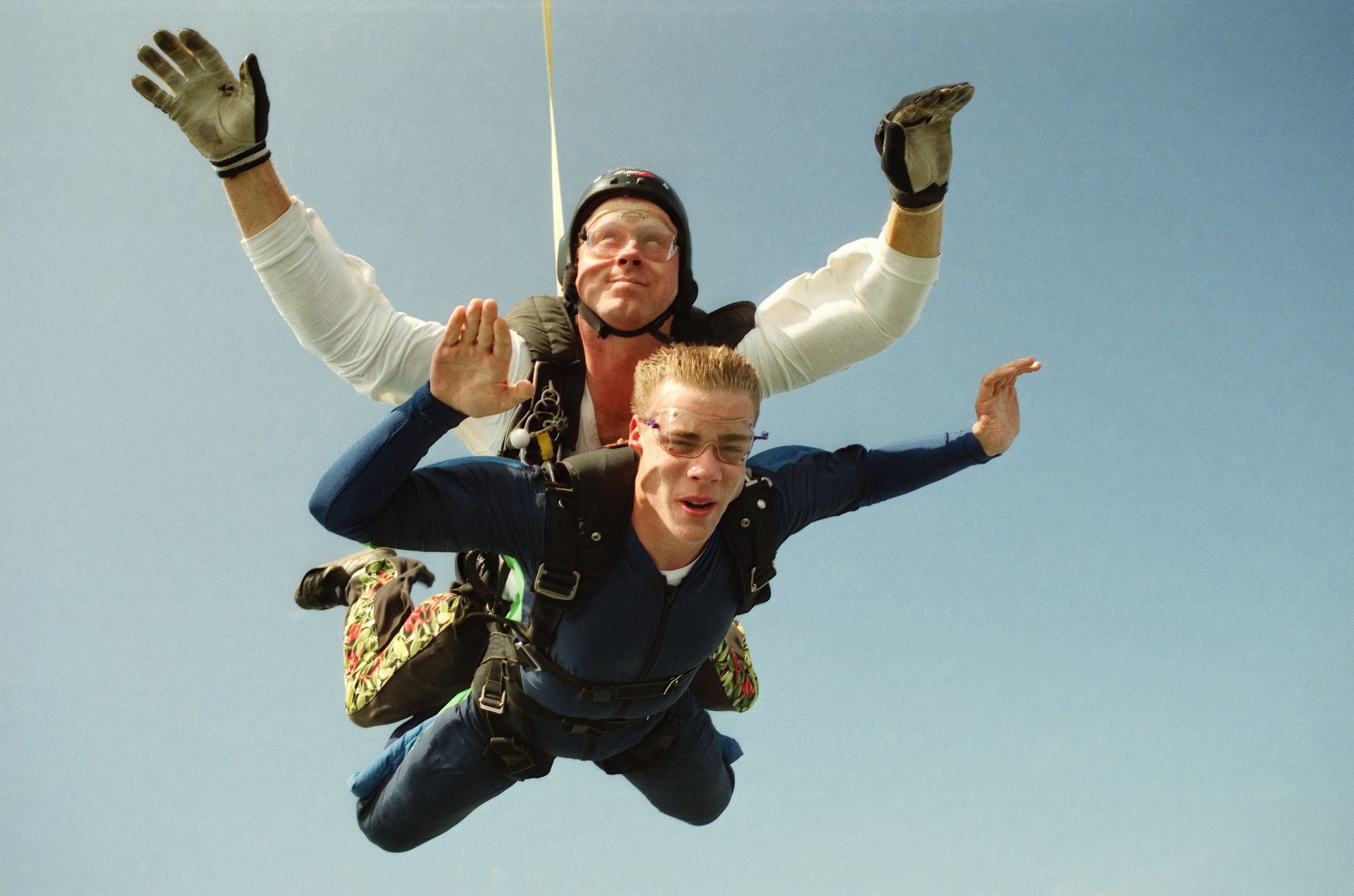
While skydiving does not require elite athletic conditioning, jumpers must meet key physical requirements:
- Weight Capacity Limits: Most drop zones enforce strict weight limits (typically 200 to 250 lbs) to maintain equipment safety tolerances while skydiving.
- Core and Flexibility Control: Jumpers must be able to arch their back during freefall and lift their legs parallel to the ground during landing while skydiving.
- Sinus and Ear Pressure Management: Rapid altitude transitions require clear nasal passages to equalize ear pressure smoothly during skydiving.
Discussing any pre-existing joint or cardiovascular concerns with a physician prior to booking guarantees a safe, comfortable jump.
Iconic Global Skydiving Destinations and Drop Zones
From coastal shores to alpine peaks, premier international drop zones offer spectacular scenery for skydiving:
- Palm Jumeirah (Dubai, UAE): Offers world-famous views over the iconic man-made palm islands and city skyline while skydiving.
- Interlaken (Swiss Alps, Switzerland): Delivers jaw-dropping views of glacier peaks, alpine valleys, and crystal lakes during skydiving.
- Fox Glacier (South Island, New Zealand): Features dramatic views of rainforests, ocean beaches, and snow-capped glaciers while skydiving.
- Key West (Florida, USA): Provides panoramic aerial views of tropical reefs and turquoise ocean waters during skydiving.
Travel Logistics, Excursion Bookings, and Local Accommodations
Arranging your flights, local ground transport, and hotel stays in advance ensures a smooth trip centered around your jump day. You can book a ticket here to secure entry passes for regional attractions or aviation museums. To discover guided city tours, scenic helicopter flights, or outdoor excursion packages, you can book a tour here or check activities here to round out your travel itinerary.
When organizing travel logistics and lodging:
- Flight Reservations: You can check flights here or compare itineraries here to secure optimal flight routes into major regional hubs.
- Hotel Accommodations: You can check accommodation here to find comfortable hotels or resort stays near coastal and countryside airfields.
- Private Vacation Rentals: For groups traveling together, you can book a stay here to reserve spacious rental properties near top drop zones.
The Rich History and Evolution of Sport Parachuting
The origin of modern skydiving traces back to early aviation experiments, including the first successful parachute jump from a moving aircraft made by Albert Berry in 1912. The development of emergency escape chutes during World War I and World War II accelerated parachute technology, giving rise to military airborne units. Following WWII, returning veterans repurposed military surplus gear, laying the foundation for civilian sport.
Over the following decades, technological breakthroughs transformed it from a high-risk stunt into a highly regulated global sport. The invention of the rectangular ram-air canopy in the 1960s replaced round parachutes, providing precision steering and soft landings. Today, it encompasses competitive disciplines like formation skydiving, wingsuit flying, canopy piloting, and freeflying, captivating hundreds of thousands of jumpers worldwide.
Frequently Asked Questions (FAQs)
What does freefall actually feel like during skydiving?
Rather than feeling like a stomach-churning drop on a roller coaster, freefall during skydiving feels like floating supported by a cushion of rushing air.
What happens if the main parachute fails to open?
Every rig used in commercial skydiving contains a main canopy and a reserve canopy packed by a certified rigger, backed by an Automatic Activation Device (AAD) that opens the reserve automatically if needed.
Can I wear prescription eyeglasses while skydiving?
Yes! Most drop zones provide oversized protective goggles designed specifically to fit comfortably over standard prescription eyeglasses during your jump.
Conquer Your Fears and Leap Into the Sky
Whether you are looking for an intense rush of adrenaline, an aerial perspective on beautiful landscapes, or the profound personal confidence that comes from conquering your fears, trying it delivers an unforgettable high-altitude adventure. Suit up, step up to the open aircraft door, take the leap, and enjoy the ride!










 Welcome,
