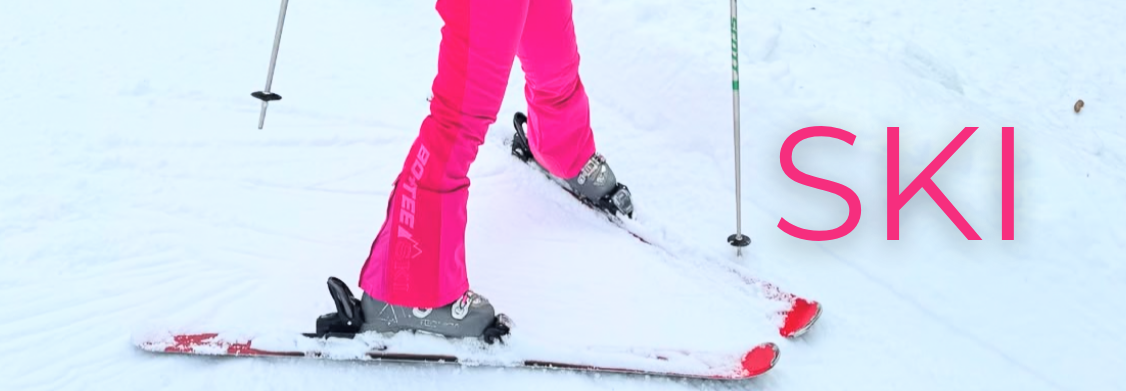

The Complete Guide to Skiing: Essential Gear, Safety Tips, and Top Mountain Resorts
Engaging in skiing provides one of the most exhilarating and transformative winter sports in the world. Whether you are gliding down a gentle bunny slope during your first lesson or carving precise turns down a steep black diamond run, skiing combines outdoor adventure, physical conditioning, and breathtaking alpine scenery into an unmatched seasonal activity. The sensation of crisp mountain air rushing past as you glide down snow-covered peaks makes skiing a deeply anticipated tradition for winter enthusiasts.
At its core, skiing relies on sliding across snow using long boards attached to structured boots while controlling speed and direction through weight balance, edge engagement, and pole plants. Unlike indoor winter sports, skiing immerses participants directly in nature, exposing them to vast mountain ranges, alpine forests, and high-altitude sunshine. Because modern ski resorts cater to all athletic capabilities, skiing welcomes beginners, families, and seasoned experts alike. Discover more thrilling outdoor adventures and travel planning guides on our Kenyago activities page.
Essential Mountain Safety Protocols and Slope Etiquette

While skiing delivers unmatched excitement, following established safety guidelines keeps every run safe and enjoyable:
- Wear a Helmet Always: Secure a properly fitted snow helmet alongside your goggles prior to your first skiing run.
- Yield to Downhill Skiers: Always yield the right of way to people further down the slope when enjoying skiing.
- Match Terrain to Skill Level: Stick to trails matching your current ability level instead of tackling steep terrain beyond your skiing experience.
- Maintain Sun Defense: Apply broad-spectrum sunscreen before your first run, as UV rays reflect heavily off mountain snow during skiing.
- Dress in Layered Technical Gear: Keep your waterproof jacket and insulated pants zipped up to guard against cold wind exposure while skiing.
While alpine adventure appeals to many outdoor enthusiasts, skiing may not suit individuals who dislike sub-freezing temperatures, experience intense fear of heights, or suffer from severe knee joint concerns.
Essential Gear and Equipment Checklist
Using properly fitted equipment and technical apparel improves control, warmth, and confidence across every mountain run.
Essential Packing Item | Practical Function for Mountain Recreation |
All-Mountain Snow Boards | Choosing responsive Skis matched to your height and terrain preferences ensures control while skiing. |
Fitted Alpine Footwear | Wearing snug, supportive Ski Boots transfers leg movement directly to your edges during skiing. |
Balance and Timing Support | Holding lightweight Poles aids in timing turns and maintaining posture throughout your skiing runs. |
Weatherproof Outer Layer | Wearing a breathable Waterproof Ski jacket shields your upper body from wind, snow, and moisture while skiing. |
Insulated Thermal Outerwear | Wearing durable Insulated Ski pants keeps your lower body warm and dry during falls or lift rides while skiing. |
High-Altitude UV Shield | Applying water-resistant Sunscreen protects exposed skin from intense solar glare reflected by snow during skiing. |
Anti-Fog Eyewear Protection | Wearing tinted Goggles guards your eyes from icy winds, snow glare, and flat light while skiing. |
Investing in proper equipment ensures you stay dry, warm, and comfortable from the first chairlift up to the final run down.
Daily Equipment Rentals vs. Owning Personal Gear: A Comparison
Deciding between renting equipment at the resort or purchasing personal gear depends on your annual budget and total time spent on the mountain:
Comparison Category | Daily Equipment Rentals | Owning Personal Gear |
Upfront Financial Investment | Low daily rate ($45 to $75 per day for standard packages). | Higher initial investment ($1,100 to $1,600+ for complete setup). |
Convenience & Travel | Travel light without hauling heavy ski bags through airports. | Carry personal equipment across all destinations without rental shop delays. |
Custom Fit & Performance | Standard rental shop tuning; boots may vary in comfort each trip. | Perfect custom boot fitting for precise control and maximum comfort while skiing. |
Best Choice For | Occasional winter travelers and absolute beginners. | Enthusiasts planning 8 or more skiing days per season. |
Step-by-Step Sequence for a Successful Day on the Slopes
Following a disciplined morning preparation strategy ensures a smooth, stress-free progression on the slopes:
- Check Daily Snow Reports: Review trail grooming maps, wind speeds, and mountain temperatures before heading out for skiing.
- Secure Professional Lessons: Book a certified instructor to learn proper carving and stopping techniques before starting skiing.
- Double-Check Equipment Fits: Ensure boot buckles are snug and binding release settings match your weight prior to skiing.
- Warm Up Lower Body Muscles: Perform dynamic leg stretches and bodyweight squats to prepare your joints for skiing.
- Start on Beginner Slopes: Take warm-up runs on gentle green terrain to calibrate your balance before tackling harder skiing routes.
- Schedule Regular Rest Breaks: Take short breaks at base lodges to hydrate, eat protein, and stay warm during your skiing trip.
- Store Equipment Safely: Wipe down edges and store your gear in a dry, ventilated area at the conclusion of your skiing day.
Cost Breakdown and Mountain Resort Budgeting
Budgeting for a winter mountain trip requires factoring in lift tickets, rental equipment, mountain travel, and technical outerwear:
Expense Category | Estimated Cost Range (USD) | Money-Saving Strategy |
Single-Day Lift Ticket | $89 – $299 per day | Purchase multi-resort passes early or book advance online lift tickets for your skiing trip. |
Daily Equipment Rental | $42 – $75 per day | Rent gear from local town shops instead of mountain base locations before skiing. |
Certified Professional Lesson | $90 – $250 per session | Book group instruction sessions over private lessons to lower learning costs during skiing. |
Outerwear Apparel & Accessories | $180 – $800 total | Buy high-performance jackets, pants, and goggles during off-season sales prior to skiing. |
Most recreational visitors ski for 4 to 6 hours daily, taking mid-day lunch breaks to recharge before final afternoon runs.
Physical Requirements, Ergonomic Tips, and Fitness Benefits
While beginner terrain is accessible to most fitness levels, regular mountain runs offer substantial health benefits and physical demands:
- Lower Body Muscle Engagement: Maintaining an athletic posture builds strength across your quadriceps, hamstrings, glutes, and calves during skiing.
- Core Stability and Balance: Continuous weight transitions improve core strength and body awareness across every skiing run.
- Cardiovascular Conditioning: Sustained runs down long alpine trails provide high-intensity endurance conditioning throughout your skiing session.
Strengthening your legs and core weeks before your trip helps reduce fatigue and guards against fatigue-related injuries on the mountain.
Top Global Mountain Destinations for Winter Sports

Famous mountain ranges around the world offer exceptional snow quality, modern lift infrastructure, and unforgettable alpine culture:
- Vail & Breckenridge (Colorado, USA): Renowned for extensive intermediate terrain, vast back bowls, and world-class resort villages.
- Whistler Blackcomb (British Columbia, Canada): Offers massive terrain variety across two linked mountains featuring deep snowfall.
- Zermatt & St. Moritz (Swiss Alps, Switzerland): Celebrated for iconic views of the Matterhorn, high-altitude glaciers, and classic European alpine charm.
- Niseko Tokyu Grand Hirafu (Hokkaido, Japan): Globally famous for deep, light powder snow and volcanic mountain scenery.
Booking Travel Logistics, Resort Passes, and Mountain Lodging
Organizing your mountain travel, passes, and lodging early ensures seamless logistics for your winter trip. You can book a ticket here to secure entry for mountain events, regional transit passes, or winter festivals. To explore guided backcountry tours, snowshoe excursions, or expert mountain lessons, you can book a tour here or check activities here to elevate your alpine itinerary.
When arranging mountain travel logistics and lodging:
- Flight Reservations: You can check flights here or compare itineraries here to secure optimal flight connections into regional airport hubs.
- Hotel Accommodations: You can check accommodation here to find cozy ski-in/ski-out hotels and mountain resort lodges.
- Private Chalets & Vacation Rentals: For larger groups traveling with equipment, you can book a stay here to reserve spacious alpine chalets steps from the slopes.
The History and Cultural Impact of Alpine Sports
The history of traveling across snow dates back over 8,000 years, with ancient wooden runners discovered in northern regions of Russia and Scandinavia. Derived from the Old Norse word skíð meaning “stick of wood,” early skis served as essential tools for hunting, gathering, and winter travel across frozen landscapes.
Military units in Norway popularized competitive winter maneuvers during the 18th century, paving the way for civilian sports in the mid-19th century. The modern expansion of downhill sports accelerated dramatically following the invention of the chairlift in 1936, transforming mountain towns into major resort destinations. Today, winter sports culture celebrates athleticism, environmental appreciation, and the shared joy of sliding down snow-covered peaks.
Frequently Asked Questions (FAQs)
What is the difference between green, blue, and black runs?
Green circles represent gentle beginner slopes, blue squares indicate intermediate terrain with moderate steeps, and black diamonds mark expert trails featuring steep drops, moguls, or narrow passages.
How should ski boots feel when properly fitted?
Boots should feel snug like a firm handshake around your foot, with your toes lightly touching the front when standing upright, but pulling back slightly as you flex forward into a downhill stance.
Can beginners skip taking professional lessons?
While self-teaching is possible, taking certified lessons accelerates learning, prevents bad habits, and ensures you master essential stopping and turning techniques safely.
Gear Up and Hit the Slopes Today
Whether you are aiming to master your first snowplow turns, explore alpine glades, or share memorable winter days with family, skiing delivers a rewarding mountain experience. Dress warmly, clip into your bindings, drop into your first run, and enjoy the winter season!










 Welcome,
