

Kayaking for Beginners: The Ultimate Guide to Getting Started
Kayaking appeals to people who love being on the water, enjoy physical activity, and want to explore coastlines, rivers, and lakes from a unique and intimate perspective. If you enjoy paddling through calm waters, navigating gentle rapids, or gliding along a scenic shoreline, kayaking often feels like one of the most freeing and exhilarating outdoor experiences available.
It is especially appealing to people who appreciate nature, adventure, and activities that combine physical effort with breathtaking surroundings. The purpose of kayaking is to propel a small watercraft through water using a double-bladed paddle, exploring everything from serene lakes and coastal inlets to flowing rivers and open ocean. Whether you are a beginner on a calm lake or an experienced paddler tackling whitewater, learning kayaking for beginners delivers a deeply satisfying connection to the water and the world around it.
Why Kayaking for Beginners Is the Perfect Outdoor Activity
Starting out on the water provides a blend of physical fitness, mental clarity, and outdoor exploration. Many sports require steep learning curves, but kayaking allows newcomers to enjoy immediate rewards on their very first outing while providing a lifetime of skill-building opportunities.
Top Health and Wellness Benefits
Engaging in regular water recreation delivers substantial rewards for both your body and mind. Here are the primary health and mental wellness advantages you can expect when heading out on the water:
- Full-Body Conditioning: Provides an excellent upper body and core workout while exploring beautiful waterways without putting heavy strain on your joints.
- Unmatched Sense of Freedom: Creates a sense of freedom and adventure on rivers, lakes, and coastlines as you navigate at your own pace.
- Exclusive Access to Nature: Offers access to stunning natural scenery and secluded coves that are completely unreachable by foot or vehicle.
- Mental Clarity: Delivers a deeply calming and meditative experience on calm water, helping reduce daily stress and digital overload.
- Immersive Environmental Connection: Connects you to nature in an intimate and immersive way that few other outdoor activities can match.
Is Kayaking Right for You?
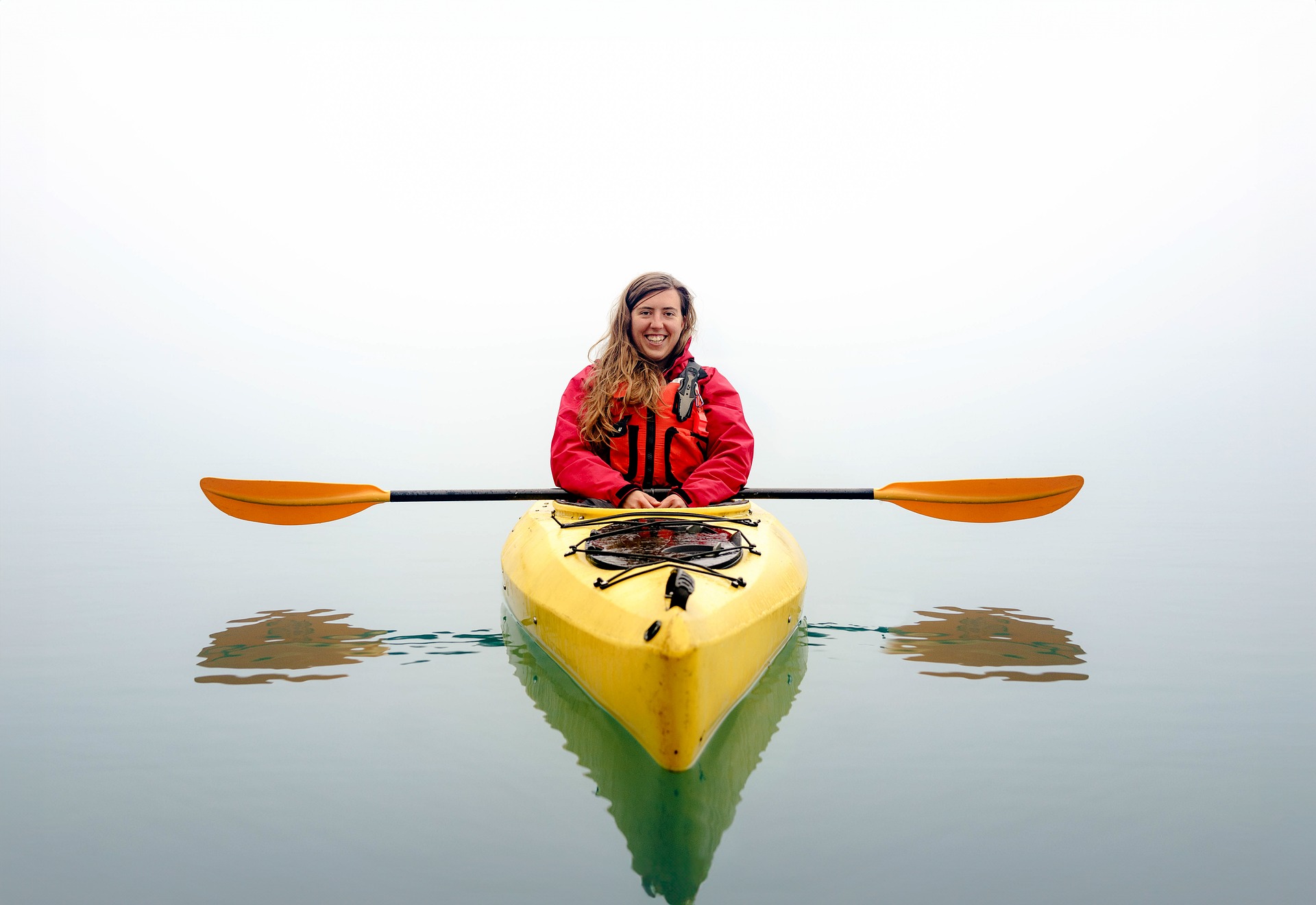
While kayaking for beginners is broadly accessible, it is important to evaluate your personal comfort levels before heading out. This experience may not be enjoyable if you are uncomfortable on or in the water, are not a confident swimmer, or have significant shoulder, back, or upper body limitations that make paddling difficult. However, with stable tandem kayaks and guided tours, even reluctant beginners can safely test the waters under expert supervision.
Essential Gear and Equipment for Kayaking Beginners
Having the right equipment directly impacts your comfort, safety, and overall enjoyment. When preparing for kayaking for beginners, packing appropriate gear ensures you stay dry, comfortable, and well-hydrated throughout your time on the water.
What Makes Your Paddle Session Easier
Bringing a few thoughtful items makes your entire outing smoother and far more enjoyable. Here is what you should pack to streamline your experience:
Wearing a swimsuit keeps you comfortable and ready for any splashing or unexpected water contact during your paddle. Bringing a towel gives you something to dry off with after your session on the water. Wearing waterproof sandals protects your feet during launch and landing in shallow water while keeping them comfortable in wet conditions.
Carrying a water bottle keeps you hydrated throughout your paddle, especially on longer outings in warm weather. Bringing a reusable water cup gives you a convenient way to stay hydrated on the water without a bulky bottle. Packing your toiletries means you are ready to freshen up comfortably after your time on the water.
What to Wear for Optimum Safety and Comfort
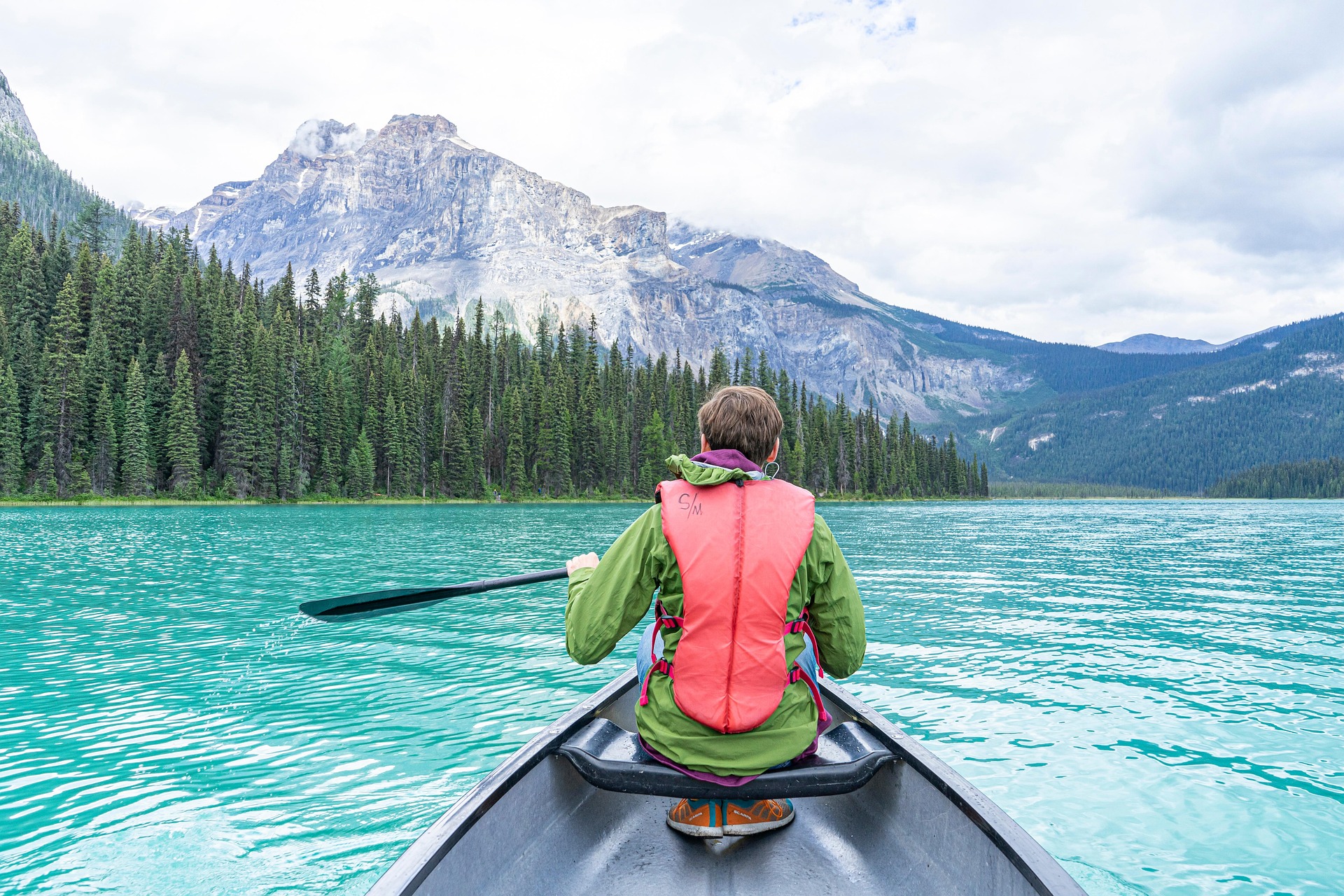
Selecting proper apparel keeps you protected from sunburn, cold water, and chafing. Here are the key clothing guidelines to follow before heading down to the dock:
Dressing appropriately for kayaking for beginners makes the experience safer and more enjoyable. Wear a swimsuit as your base layer since getting wet is always a possibility on the water. Layer quick-drying synthetic clothing on top if the weather is cool. Wear waterproof sandals that strap securely to your feet so they stay on during launch and landing in shallow water. Avoid cotton clothing entirely, as it stays wet, heavy, and cold if you get splashed. A lightweight sun shirt or rash guard is a great option for UV protection on longer paddles. Always leave valuables and non-waterproof items safely stored on shore or sealed inside a reliable dry bag.
Safety Rules and Risk Management for Kayaking Beginners
Kayaking for beginners is a safe and highly enjoyable activity when the right precautions are taken, but safety must always be your top priority. Following basic safety protocols prevents common accidents and keeps your time on the water worry-free.
Essential Safety Checklist for Beginners
To ensure a safe environment for yourself and your paddling partners, keep these practical safety steps top of mind:
- Wear a PFD at All Times: Always wear a properly fitted personal flotation device (life jacket) during your entire paddle session.
- Never Paddle Alone: Never undertake kayaking for beginners alone in remote or unfamiliar water without informing someone on shore of your planned route and estimated return time.
- Monitor Weather Conditions: Check weather forecasts and water conditions before heading out, and avoid paddling in strong winds, thick fog, or rough water if you are a beginner.
- Keep Hydration Accessible: Keep your water bottle accessible within arm’s reach so you stay consistently hydrated throughout the session.
- Practice Rescue Techniques: Learn basic self-rescue or assisted rescue maneuvers before paddling in open water or deep lakes.
- Stay Close to the Shoreline: Stay close to shore if you are a newer paddler until you build solid stroke confidence, navigational awareness, and stamina.
Difficulty Level, Physical Requirements, and Trip Duration
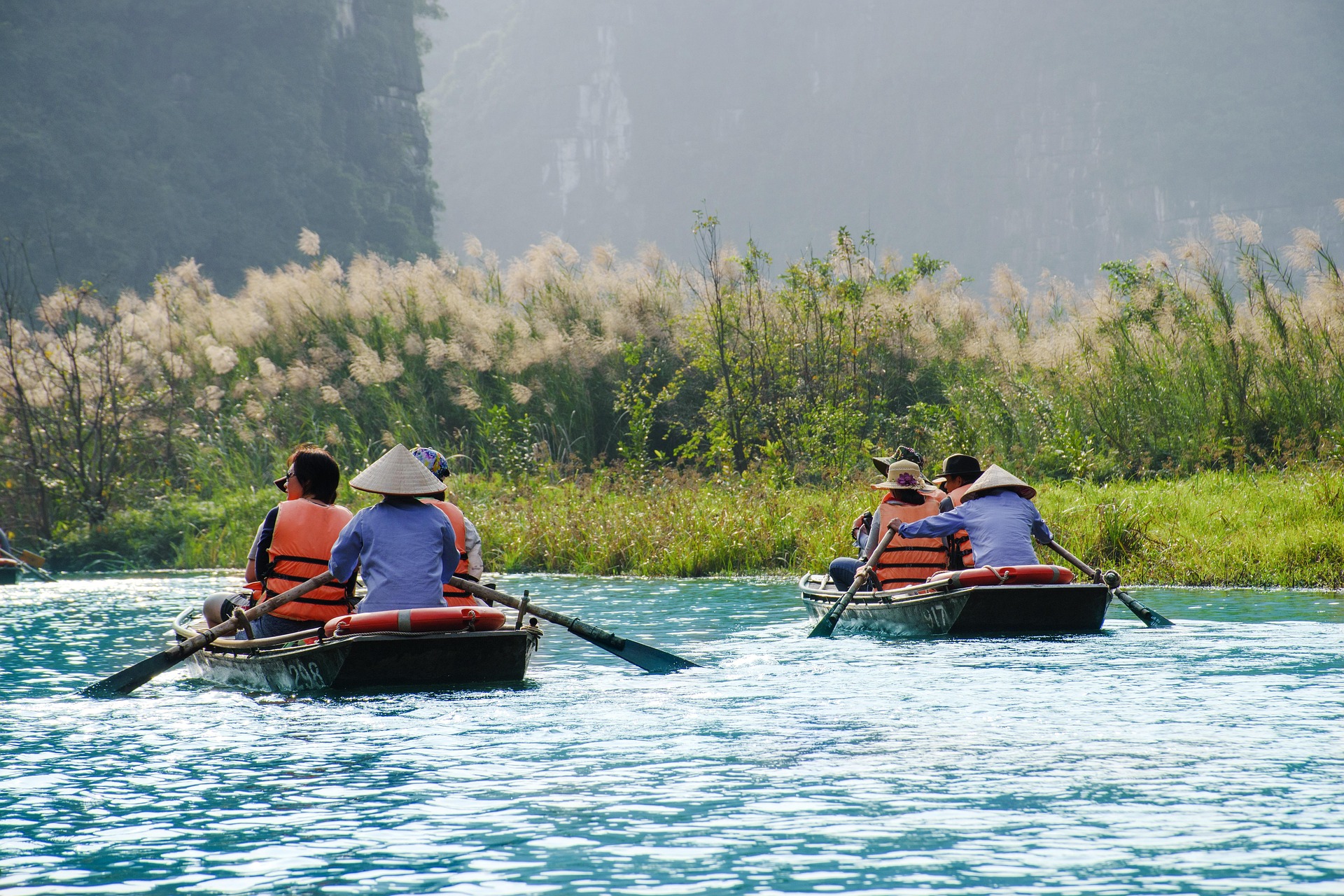
Understanding the physical demands of kayaking for beginners helps you plan a safe trip that aligns well with your current fitness level.
Difficulty Expectations
Kayaking ranges from very beginner-friendly on calm, flat water to extremely challenging in whitewater rapids or open ocean conditions. Most first-time kayakers feel comfortable after just a few minutes of basic instruction on a calm lake or protected bay. Taking a professional beginner lesson before your first outing builds confidence and teaches you proper paddling technique from the start. Gradually progressing to more challenging water as your skills develop is the safest and most enjoyable approach to kayaking for beginners.
Trip Duration and Physical Requirements
Kayaking sessions can last anywhere from 1 hour for a short recreational paddle to a full day for longer coastal or river routes. Most beginners enjoy sessions of 1 to 3 hours. Multi-day kayaking trips with overnight camping are popular among more experienced paddlers. Planning your route and distance in advance ensures you stay within your fitness and skill level for the day.
In terms of physical fitness, kayaking requires a moderate level of upper body and core strength for sustained paddling. Beginners on calm, flat water can enjoy kayaking for beginners with minimal prior athletic preparation. However, longer paddles and more challenging wind conditions require greater cardiovascular endurance and torso control. Wearing waterproof sandals and a swimsuit makes entering and exiting the kayak in shallow water much easier and more comfortable during long training sessions.
Estimated Costs for Kayaking Beginners
One of the best aspects of kayaking for beginners is that entry costs are flexible depending on whether you choose to rent gear or purchase your own setup. Here is a breakdown of what you can expect to spend across typical equipment and rental categories:
- Kayak Rentals: Hourly rentals typically range from $20 to $60 per hour depending on location, season, and kayak type.
- Buying Your First Kayak: Purchasing your own kayak ranges from $300 for a basic recreational model to $2,000 or more for a high-performance touring or whitewater craft.
- Apparel Costs: A quality swimsuit costs $20 to $100, while waterproof sandals cost between $20 and $80.
- Accessories & Hydration: A durable towel costs $10 to $40, a reusable water bottle costs $10 to $40, a compact reusable water cup costs $5 to $20, and travel toiletries run from $10 to $30.
Cultural Significance and Heritage of Kayaking
Kayaking has roots stretching back thousands of years to the indigenous peoples of the Arctic, including the Inuit, Yupik, and Aleut communities who built and paddled kayaks for hunting and vital transportation across frigid northern waters. The word kayak itself comes from the Greenlandic word qajaq. Today, kayaking is a beloved recreational sport and competitive discipline enjoyed by millions of people around the world on everything from calm mountain lakes to raging whitewater rivers. Modern culture in kayaking for beginners celebrates outdoor adventure, environmental stewardship, a connection to water, and the enduring human desire to explore the world from its most elemental vantage point.
Logistics: How to Get There and Best Times to Go
Planning the logistics for your initial outing is the final step in mastering kayaking for beginners.
How to Find Launch Points
Kayaking launch points are typically located at state parks, public lakes, scenic rivers, coastal launch ramps, and commercial rental facilities. Search for kayak rentals or public water access points near you using digital maps or outdoor recreation apps.
Most rental facilities provide all the equipment you need, including the kayak, paddle, and safety flotation device. If you own your own kayak, a roof rack or specialized kayak trailer makes transporting it to the water straightforward. Arrive a few minutes early to give yourself time to adjust your gear, secure your water bottle, and receive a brief safety orientation before hitting the water.
When Is the Best Time to Go?
The best time for kayaking for beginners is during calm weather with light winds and mild air temperatures. Early morning paddles on lakes and bays offer the smoothest water conditions, minimal boat traffic, and the most dramatic light.
Spring and fall are ideal seasons in most regions, as temperatures remain comfortable and waterways are less crowded than during peak summer. Summer kayaking is exceptionally popular and enjoyable, but be sure to book rental gear in advance, as popular spots fill up quickly on weekends. Always avoid paddling in thunderstorms, high offshore winds, or when water conditions exceed your personal skill level.
Related Activity Guides and Destinations
Looking to explore more outdoor water sports or find nearby destinations for kayaking for beginners? Explore our curated destination directories and activity lists across Kenyago to plan your next travel adventure!










 Welcome,
