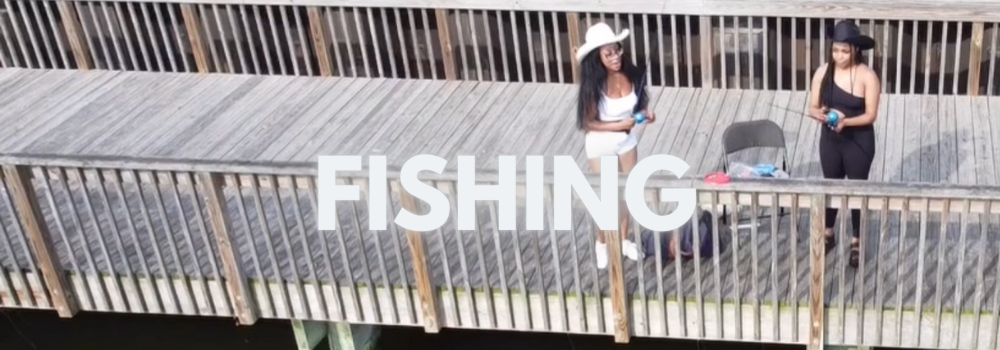

The Ultimate Guide to Fishing: Techniques, Gear, Safety, Costs, and Global Travel Logistics
Fishing appeals to people who enjoy patience, outdoor solitude, and the thrill of the catch after quiet anticipation. If you like being near water, appreciate the rhythm of casting and waiting, and find satisfaction in connecting with nature through a timeless skill, fishing often feels meditative rather than boring. It is especially appealing to people who value peaceful outdoor experiences, enjoy learning technique-based hobbies, and appreciate the reward of bringing home their own catch.
The primary purpose of fishing is to catch fish for recreation, sport, or food while enjoying time on or near the water. Anglers develop skills in casting, bait selection, reading water conditions, and fish handling. The experience offers peaceful solitude, bonding time with companions, a direct connection to nature, and the deep satisfaction of a successful catch.
Essential Benefits of Fishing
Engaging in regular fishing excursions offers physical, mental, and social benefits that enrich outdoor lifestyle pursuits:
- Meditative Outdoor Relaxation: Provides a peaceful and meditative outdoor experience that relieves daily mental strain and reduces cortisol levels.
- Skill Development: Builds patience, focus, spatial coordination, and fine observational skills through water reading and tackle preparation.
- Sustainable Harvest: Offers opportunities to catch fresh, healthy food directly from clean natural environments for table consumption.
- Intergenerational Bonding: Creates meaningful bonding experiences with friends and family members across all generations along rivers and lakes.
- Historical Connection: Connects you to a traditional survival and sporting practice carried out by human cultures for thousands of years.
Is Fishing Right for You?
While fishing provides a deeply rewarding connection to the outdoors, this activity may not be enjoyable if you strongly dislike waiting, feel uncomfortable handling live bait or fish, or prefer fast-paced, continuous athletic pursuits. However, for those who appreciate quiet focus, changing environmental dynamics, and the tactical challenge of outsmarting aquatic wildlife, it remains one of the most fulfilling activities available.
Essential Equipment, Gear, and Packing Checklist
Equipping yourself with the right terminal tackle, protective apparel, and landing tools turns an ordinary day by the water into a smooth and successful excursion.
Gear Category | Primary Function and Tactical Value |
Rod and Reel Combo | Selecting a balanced Fishing Rod paired with a matching spinning or baitcasting reel improves casting accuracy and fish-fighting capability. |
High-Tensile Line | Spooling high-quality Fishing Line ensures appropriate tensile strength and minimal memory for knot tying and lure presentation. |
Targeted Attractants | Utilizing fresh live options or artificial Bait triggers predatory feeding strikes across freshwater and saltwater species. |
Polarized Eyewear | Wearing glare-reducing Polarized Sunglasses cuts through surface water reflections to reveal submerged structures and cruising fish. |
Wading Outerwear | Wearing durable, waterproof Waders allows anglers to safely enter cold streams and reach deep river channels. |
Sun Protection Headwear | Protecting your head with a wide-brimmed Fishing Brim shields your eyes, neck, and face from intense UV rays during long hours on the water. |
Insulated Catch Storage | Storing your catch in a heavy-duty Cooler packed with ice keeps fish fresh and food-safe until you return home. |
Regulatory Permit | Carrying a valid Fishing License ensures compliance with local state wildlife conservation laws and catch limits. |
Additional Practical Tools for Your Tackle Box
In addition to primary rod setups, keeping essential accessories organized inside your tackle box maximizes safety and efficiency:
- Tackle Box Management: Storing hooks, swivels, sinkers, and lures in a waterproof tackle box keeps terminal gear sorted and protected from rust.
- Rubber Landing Net: Bringing a soft rubber landing net makes retrieving hooked fish easier while protecting their delicate slime coat.
- Hook Removal Pliers: Removing hooks safely with long-nose stainless steel pliers protects your hands from teeth and spines while minimizing harm to the fish.
- Sonar Fish Finder: Locating structure and depth contours efficiently with a portable fish finder utilizes modern sonar to pinpoint active schools.
- Skin Safety Application: Applying broad-spectrum sunscreen and insect repellent regularly protects your skin against severe sunburn and bug bites.
- Personal Flotation Device: Wearing a personal flotation device or life jacket ensures complete water safety when navigating craft or wading swift currents.
Major Types of Fishing Environments
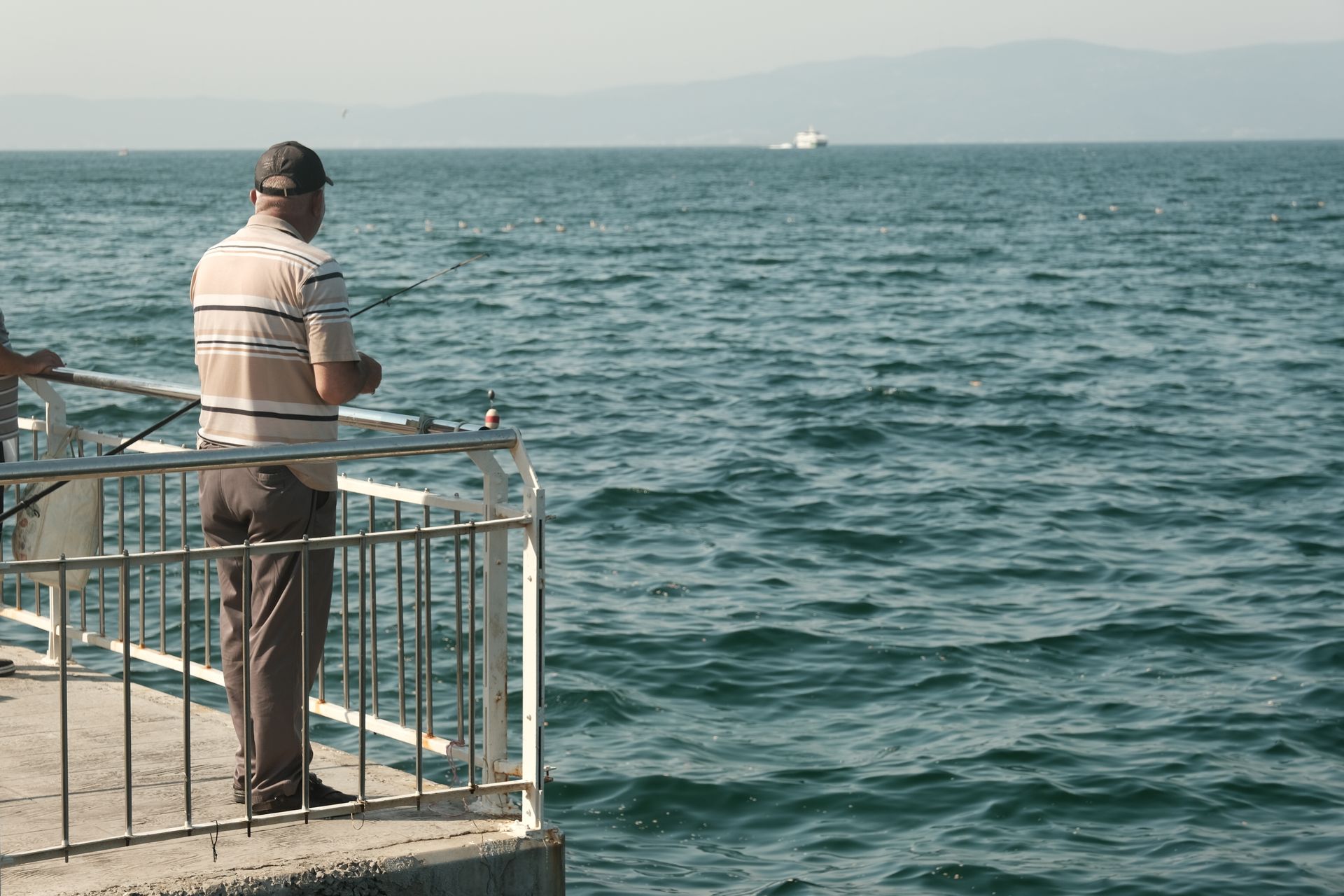
Understanding distinct aquatic environments helps you select the correct gear, line weight, and bait techniques:
- Freshwater Lake and Pond Fishing: Focuses on species like largemouth bass, crappie, bluegill, and catfish around docks, weed beds, and submerged timber.
- River and Stream Fly Fishing: Involves casting lightweight artificial flies into moving water currents to target trout, salmon, and smallmouth bass.
- Inshore Coastal Saltwater Fishing: Targets redfish, speckled trout, flounder, and stripers around salt marshes, jetties, and shallow estuaries.
- Offshore Deep-Sea Fishing: Focuses on heavy-game species like tuna, marlin, mahi-mahi, and king mackerel in open ocean waters using heavy trolling tackle.
Step-by-Step Sequence for Beginners
Developing smooth mechanics transforms fishing from a trial-and-error effort into a precise art:
- Rigging the Terminal Setup: Thread your line through the rod guides, tie a secure knot (such as a Palomar or Clinch knot) to your hook or lure, and attach appropriate weights or floats.
- Reading the Water Structure: Identify key fish holding areas, such as drop-offs, fallen trees, lily pads, or point current seams where predatory fish wait to ambush prey.
- Executing a Controlled Cast: Depress the line release, bring the rod back over your dominant shoulder, and sweep it forward smoothly toward your target, releasing the line as the tip flexes forward.
- Managing Line Retrieval and Strike Detection: Reel in excess slack line to maintain subtle contact with your lure. Watch your line or float carefully for sudden dips, pulls, or subtle ticks.
- Setting the Hook and Landing the Catch: When a fish takes the bait, lift the rod tip firmly to set the hook. Keep steady tension on the line while working the reel drag to bring the fish into your net.
Safety Guidelines, Regulations, and Conservation Ethics
Because fishing involves sharp hooks, slippery banks, and unpredictable water conditions, following established safety and environmental rules is essential:
- Careful Hook Handling: Handle exposed hooks cautiously to avoid accidental skin punctures, and always use long pliers when unhooking lively catches.
- Wear Personal Flotation Gear: Wear a Coast Guard-approved life jacket whenever you are aboard a vessel or wading near deep, fast-moving rivers.
- Weather Awareness: Monitor local meteorological forecasts closely; seek immediate shore shelter if lightning or sudden high winds develop.
- Compliance with Catch Regulations: Know local state regulations regarding size limits, seasonal openings, daily bag limits, and protected non-game species.
- Proper Catch-and-Release Practices: Handle fish with wet hands, keep them submerged as much as possible, support their body weight horizontally, and revive them in the current before release.
- Respect Outdoor Spaces: Pack out all discarded line, plastic bait packaging, and trash to prevent wildlife entanglement and habitat degradation.
Modern Fishing Technology and Eco-Friendly Gear Innovations
The world of fishing has evolved significantly with smart technology and sustainable material advancements:
- Smart Reels and Cast Tracking: Modern reels equipped with integrated Bluetooth micro-sensors track casting distance, retrieve speed, and drag pressure, sending session data to smartphone apps.
- AI-Assisted Sonar Mapping: Portable fish finders now feature artificial intelligence processing that automatically identifies fish targets, differentiates bottom structures, and maps water depth contours.
- Biodegradable Soft Baits: Eco-conscious manufacturers produce non-toxic, water-degradable soft lures that break down safely if lost, reducing plastic accumulation in lakes.
- Lead-Free Terminal Weighting: Anglers increasingly utilize tungsten, steel, and tin sinkers to replace traditional lead weights, protecting diving waterfowl and aquatic ecosystems.
- Sealed Marine Drag Systems: Advanced reels use sealed carbon-fiber drag housings to keep out salt, sand, and water, extending gear lifespan under harsh conditions.
Financial Cost Breakdown for Gear, Licenses, and Expeditions
Budgeting for fishing ranges from affordable bank setup packages to premium charter excursions:
Expense Category | Typical Price Range (USD) | Service and Gear Specifications |
Beginner Rod & Reel Combo | $30 – $150 total | Durable graphite or fiberglass spinning rod paired with a smooth front-drag reel. |
Starter Tackle Box & Hooks | $25 – $110 combined | Compartmentalized box stocked with terminal hooks, sinkers, floats, and basic lures. |
Specialized Waders & Boots | $50 – $300 set | Breathable stockingfoot or neoprene chest waders for stream wading. |
Portable Sonar Fish Finder | $100 – $500 unit | Wireless castable sonar sphere or transom-mounted digital display unit. |
Annual Resident State License | $15 – $50 annually | Mandatory state wildlife permit authorizing freshwater or saltwater harvest. |
Half-Day Guided Inland Charter | $250 – $450 group | Professional guide service including boat, fuel, high-end tackle, and bait. |
Full-Day Offshore Charter | $800 – $2,000+ vessel | Deep-sea charter boat rental covering captain, deckhand, fuel, and gear. |
Physical Requirements, Endurance, and Health Benefits
While fishing is generally considered a low-impact sport, spending full days outdoors engages functional physical fitness:
- Core and Muscular Balance: Wading through uneven riverbeds or standing on a rocking boat deck continuously activates core, ankle, and leg stabilizer muscles.
- Upper Body Stamina: Repetitive casting over several hours builds shoulder, forearm, and back muscle endurance.
- Cardiovascular and Stress Relief: Walking along wilderness streams combined with the calming effects of natural water environments lowers blood pressure and supports heart health.
- Adaptable Exercise Intensity: The activity adapts easily to all fitness levels. Beginners can enjoy relaxed dock fishing from a folding chair, while advanced anglers can tackle demanding wilderness backcountry hikes.
Travel Logistics, Charters, and Top Global Destinations
Integrating a fishing expedition into your travel plans opens up world-class destinations—from fly-fishing for salmon in Alaska and trout streams in Montana to offshore sportfishing in Costa Rica, Florida, or Cabo San Lucas.
Booking Guided Charters and Regional Excursions
Reserving a local captain or guided trip ensures you get top-tier local knowledge, high-grade tackle, and immediate access to productive hotspots. You can book a tour here or check activities here to secure guided river trips, deep-sea charters, or fly-casting lessons.
If your journey includes visiting vibrant coastal cities or host towns with evening entertainment and stadium events, you can book a ticket here to round out your travel schedule.
Transportation and Lodging Arrangements
Coordinating your transit and accommodation logistics makes traveling with rod cases and cooler gear hassle-free:
- Flight Bookings: You can check flights here or compare itineraries here to secure routes to premier outdoor destinations with favorable oversized baggage policies.
- Waterfront Hotels: You can check accommodation here to find marina resorts, lodges, and waterfront hotels with private boat slip access.
- Vacation Cabin Rentals: For fishing groups or families seeking spacious mountain or lakehead retreats, you can book a stay here to secure waterfront cabins equipped with fish-cleaning tables and freezer storage.
Cultural Heritage and History of Angling
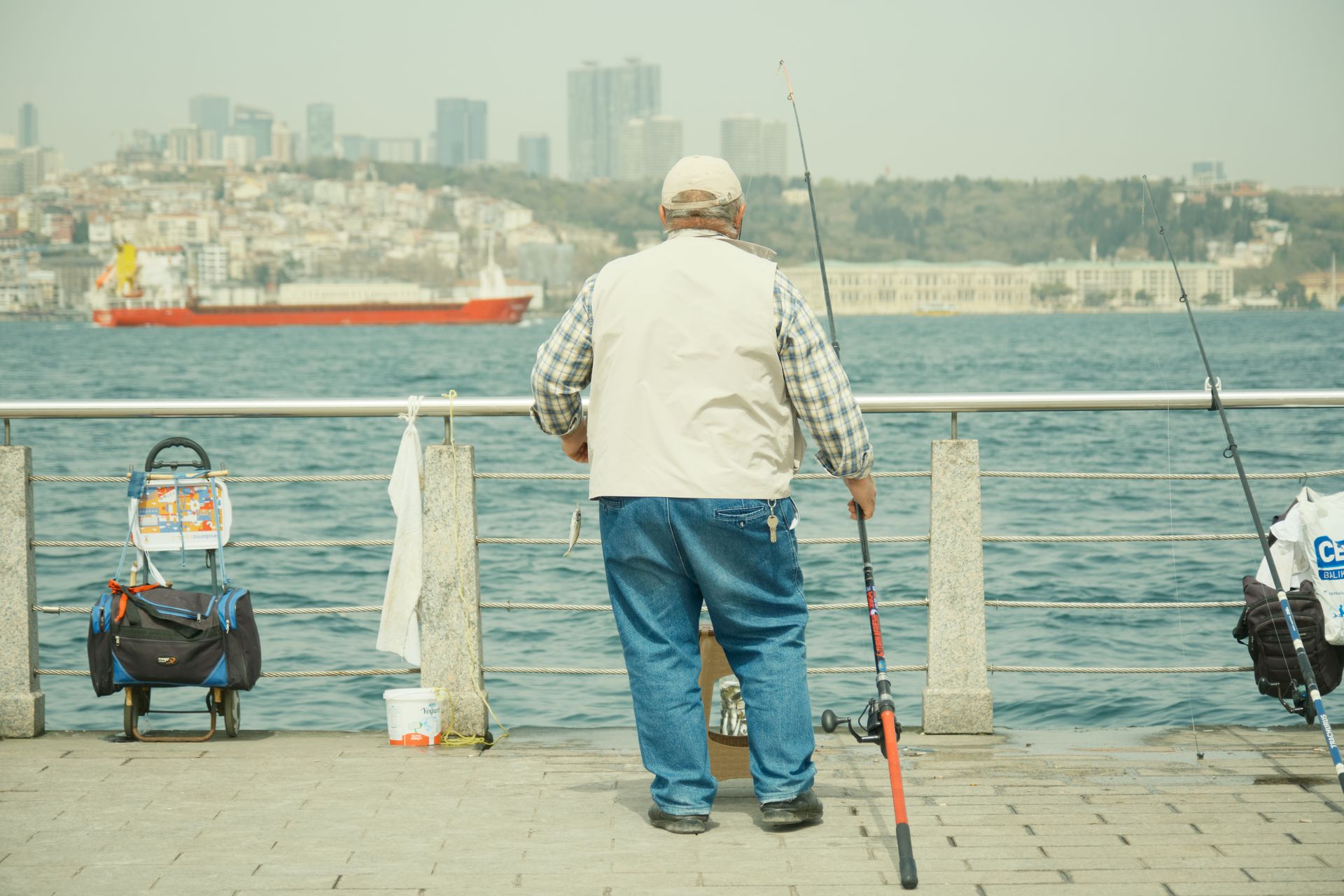
The practice of fishing represents one of humanity’s earliest surviving endeavors, dating back over 40,000 years to the Upper Paleolithic era. Archaeological discoveries show early humans fashioning bone hooks, woven plant fiber nets, and spear tips to harvest aquatic life. Ancient Egyptian, Greek, and Chinese civilizations refined these techniques into art forms, recording detailed methods for raising fish and crafting specialized tackle.
In 1653, Izaak Walton published The Compleat Angler, shifting public perception of the activity from pure subsistence to a celebrated sport centered on conservation, quiet reflection, and outdoor stewardship. Today, fishing continues to shape coastal communities, support marine conservation initiatives through license revenue, and connect millions of people to the beauty of natural waterways.
Frequently Asked Questions About Fishing
What is the best time of day to go fishing?
Early morning (from dawn until two hours after sunrise) and late afternoon (from two hours before sunset until dusk) are generally the most productive times. During these windows, cooler water temperatures and low light levels prompt fish to actively feed near the surface and along shorelines.
Do I need a license if I am doing catch-and-release fishing?
Yes. In almost all jurisdictions, a valid state license is legally required to target or handle fish in public waters, regardless of whether you keep the fish or release them back into the water immediately.
What is the easiest setup for a total beginner?
A 6-foot to 7-foot medium-action spinning rod combo spooled with 8 lb to 10 lb monofilament line is the most versatile setup. Pair it with a simple bobber, a size 6 hook, a small split-shot weight, and live earthworms to target panfish and bass.
Exploring local lakes, rivers, and coastal ocean waters through angling offers an unbeatable blend of outdoor tranquility, hands-on skill development, and unforgettable adventures. Pack your tackle box, secure your license, and set out to experience the timeless joy of connecting with nature on your next fishing trip!










 Welcome,
