


The Complete Guide to Soccer: Essential Gear, Skill Building, and World-Class Venues
Playing soccer appeals to millions of sports enthusiasts worldwide who appreciate dynamic athleticism, strategic teamwork, and the exhilarating thrill of scoring goals. Whether you are stepping onto a local neighborhood pitch for a weekend scrimmage, executing technical drills on a turf field, or supporting your favorite professional club, soccer offers an extraordinary blend of physical conditioning and competitive camaraderie. The beauty of the sport lies in its fluid simplicity: all it takes is a ball, open space, and enthusiastic players to create unforgettable moments on the pitch.
At its core, soccer demands a combination of tactical intelligence, physical endurance, and refined ball control. Players continuously work on dribbling through tight defenders, delivering precise passing lanes, and striking powerful shots past goalkeepers. Engaging in soccer fosters lifelong fitness, sharpens spatial awareness, and connects individuals across ages and cultures. To explore more active team sports and physical training ideas, visit our Kenyago activities page.
Physical Fitness Benefits and Tactical Skill Development
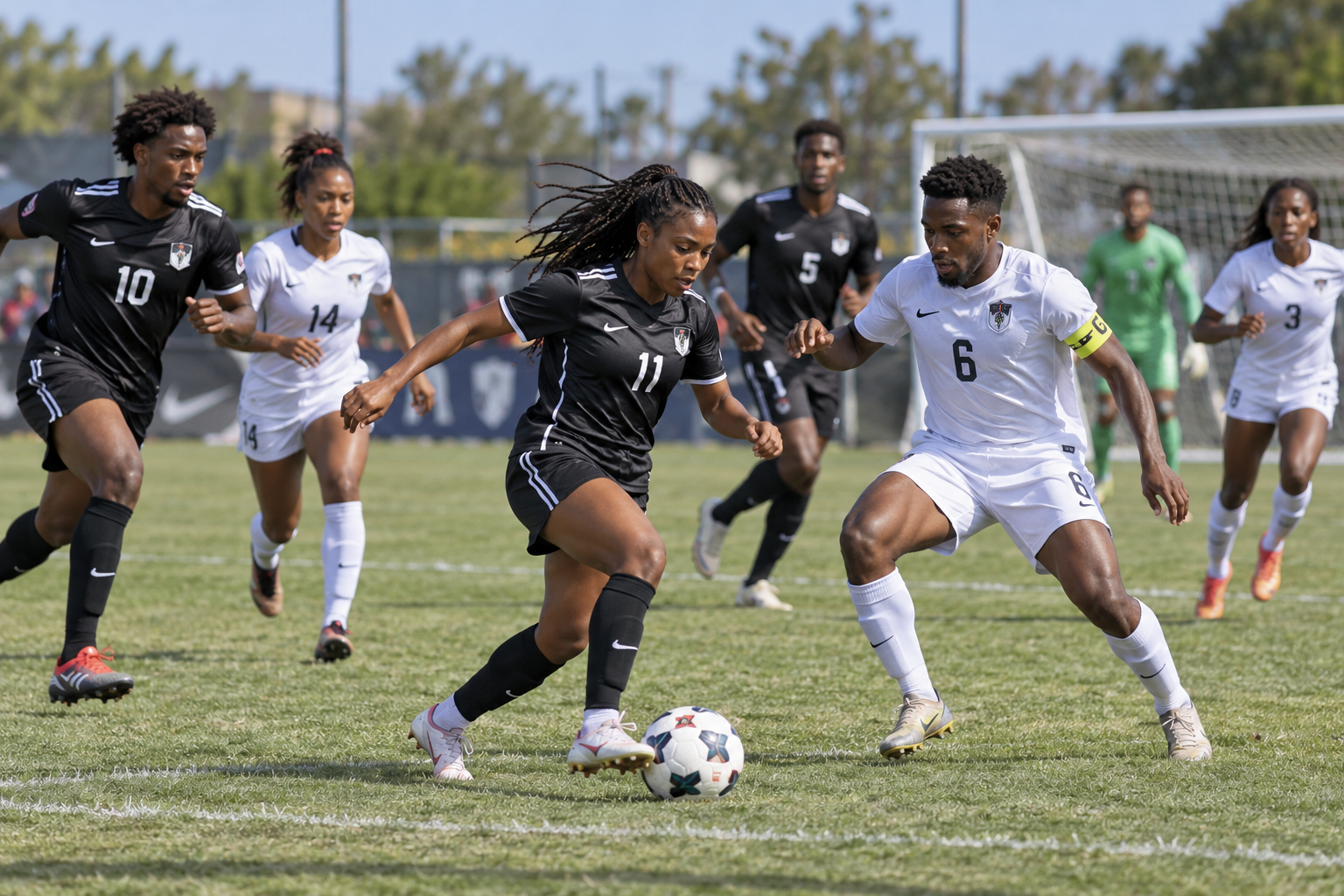
Committing to regular soccer sessions delivers comprehensive physical, psychological, and social advantages that enhance long-term health:
- High-Intensity Cardiovascular Conditioning: Navigating a pitch requires constant shifts between sprinting, jogging, and lateral shuffling, turning soccer into an exceptional workout for cardiovascular endurance.
- Agility, Balance, and Coordination: Mastering complex footwork while maintaining body control improves core stability, dynamic balance, and motor coordination.
- Lower-Body Muscular Strength: Powering shots, jumping for headers, and accelerating past opponents builds calf, hamstring, quad, and gluteal strength.
- Teamwork and On-Field Communication: Successful soccer relies on non-verbal cues, constant verbal communication, and spatial awareness among teammates.
- Mental Resilience and Stress Relief: Concentrating on real-time tactical decisions during a match provides an energizing mental escape from daily pressures.
While soccer welcomes players of diverse athletic backgrounds, high-intensity matches can be challenging for individuals managing severe lower-joint injuries, acute cardiac conditions, or unaddressed ankle instability without proper physical preparation and brace support.
Essential Gear, Training Tools, and Equipment Checklist
Equipping yourself with protective gear, supportive apparel, and specialized training aids elevates your performance and protects against avoidable pitch injuries.
Essential Gear Item | Primary Utility and On-Field Function |
Match & Practice Ball | Selecting a durable, properly pressurized Soccer Ball ensures consistent flight trajectory and soft touch during soccer. |
Hands-Free Rebounder | Utilizing a waist-tethered Solo Soccer Trainer lets you practice rapid juggling, passing, and first-touch control without chasing lost balls in soccer. |
Multi-Compartment Bag | Carrying your gear in an ergonomic Adidas Backpack keeps your cleats, extra clothes, water bottle, and accessories organized for every soccer session. |
Portable Net Setup | Setting up a collapsible Soccer Goal allows you to hone your shooting accuracy and power in backyards or public parks during soccer. |
Supportive Athletic Socks | Wearing high-density Soccer Socks keeps shin guards securely in place while cushioning heels and preventing friction blisters during soccer. |
Investing in proper footwear featuring specialized stud patterns—firm ground (FG), soft ground (SG), or artificial turf (TF)—is vital for maintaining solid traction and preventing knee twists on wet or synthetic surfaces.
Pitch Surfaces: Natural Grass vs. Synthetic Turf Fields
Choosing the right surface environment influences ball bounce speed, player fatigue, and footwear selection:
Comparison Factor | Natural Grass Pitches | Synthetic Turf Fields |
Ball Dynamics & Speed | Offers variable roll speeds and natural bounce absorption based on soil moisture and turf height. | Delivers fast, uniform ball rolls with higher vertical rebounds during fast-paced soccer. |
Footwear Requirements | Molded or detachable long cleats provide maximum soil penetration and traction. | Short rubber studs or turf-specific flat outsoles prevent ankle trapping in synthetic turf. |
Impact on Joints | Natural soil offers shock absorption, reducing landing impact on knees and ankles during soccer. | Harder underlying base layers can increase joint strain without cushioned footwear insoles. |
All-Weather Usability | Susceptible to mud formation and standing water, often requiring match cancellations during rain. | Engineered drainage systems allow immediate play after heavy rainfall during outdoor soccer. |
Step-by-Step Training Sequence for Player Improvement
Structuring your weekly practice schedule ensures rapid technical improvement while minimizing muscle overuse:
- Dynamic Dynamic Warm-Up: Perform high knees, butt kicks, leg swings, and lunges to prepare hamstrings and hips before soccer.
- First-Touch Wall Passing: Spend 15 minutes practicing one-touch and two-touch passing rebounds to refine control for soccer.
- Cone Dribbling Slaloms: Weave through tightly spaced agility cones using both the inside and outside of your boots.
- Target Shooting Drills: Practice striking stationary and rolling balls into net corners to build composure under pressure in soccer.
- Small-Sided Scrimmages: Join 5v5 or 7v7 matches to apply technical ball skills within realistic, fast-paced game situations.
- Cool-Down Flexibility: Stretch your hamstrings, calves, and hip flexors for 10 minutes following intense soccer matches.
Safety Guidelines, Physical Demands, and Risk Mitigation
Because soccer involves high-speed directional changes, physical contact, and dynamic sliding, safety awareness remains essential for longevity:
- Shin Guard Protection: Always slide impact-resistant shin guards under your socks to absorb direct blows to the tibia.
- Proper Hydration Habits: Drink water before, during halftime, and after matches to prevent heat exhaustion and muscle cramping in soccer.
- Heading Technique Precautions: Ensure proper neck muscle engagement when contesting aerial balls, and follow youth concussion protocols limiting unnecessary heading exposure.
- Footwear Inspection: Regularly check studs for wear and tear to maintain traction on slippery pitches during soccer.
- Pre-Match Muscle Activation: Never skip warm-ups; dynamic stretching prepares tendons and ligaments for sudden sprinting movements.
Cost Breakdown and Financial Budgeting
Getting started in soccer offers options for every budget level, from casual park games to competitive club play:
Equipment or Service Category | Price Range (USD) | Smart Cost Optimization Tip |
Molded Cleats or Turf Boots | $45 – $220 | Select previous-season cleat models to secure premium upper materials at reduced prices for soccer. |
Training & Match Balls | $15 – $160 | Choose thermally bonded Size 5 balls for long-term shape retention and consistent flight. |
Protective Shin Guards & Socks | $12 – $40 | Buy compression sleeve shin guards to keep pads locked comfortably without restrictive tape. |
Community League Fees | $30 – $150 per season | Join local municipal or recreational adult leagues to enjoy organized matches at affordable rates. |
Standard professional matches run 90 minutes, split into two 45-minute halves with a 15-minute halftime interval. Recreational small-sided games often run 45 to 60 minutes, offering high-intensity cardio tailored to busy schedules.
Physical Demands and Inclusivity
One of the greatest attributes of soccer is its universal accessibility for participants across all ages and physical backgrounds:
- Adaptable Formats: From 3v3 street games to 11v11 full-field matches, pitch dimensions and game lengths easily scale to fit player fitness levels.
- Inclusive Adaptive Programs: Organizations worldwide offer walking football for seniors and powerchair options for athletes with mobility impairments, making soccer accessible to everyone.
- Cross-Training Compatibility: The endurance built on the pitch supports performance in distance running, basketball, and general athletic conditioning.
Global Stadium Culture and World-Class Venues
The international landscape of soccer features iconic cathedrals of sport that attract millions of traveling supporters each year:
- Camp Nou (Barcelona, Spain): Europe’s largest stadium, famous for its passionate atmosphere and breathtaking matchday scale.
- Wembley Stadium (London, UK): The iconic historic home of English international matches and cup finals.
- Estádio do Maracanã (Rio de Janeiro, Brazil): A legendary South American venue steeped in World Cup history and football lore.
- Allianz Arena (Munich, Germany): A modern architectural marvel celebrated for its color-changing exterior façade and vibrant fan displays.
Booking Stadium Tickets, Matchday Tours, and Travel Lodging
Attending high-stakes international matches, taking stadium tours, or traveling to major tournament host cities requires careful planning. You can book a ticket here to secure verified seats for professional club matches, national cup finals, and international showcases. To book behind-the-scenes stadium locker room tours, museum visits, or city sports excursions, you can book a tour here or check activities here to elevate your travel itinerary.
When coordinating travel logistics and accommodations for major tournament trips:
- Flight Bookings: You can check flights here or compare itineraries here to reserve optimal flight connections to match host cities.
- Hotel Reservations: You can check accommodation here to find hotels located near stadium transit lines and fan zones.
- Vacation Home Rentals: When traveling with fan clubs or group supporters, you can book a stay here to secure private apartments and multi-bedroom homes near match venues.
The History and Global Cultural Impact of the Beautiful Game
While ball-kicking games like Cuju were played in ancient China over two thousand years ago, modern soccer codification began in 1863 with the founding of The Football Association in England. Establishing standardized rules eliminated chaos, separated association football from rugby, and paved the way for international competitions.
Today, soccer is governed globally by FIFA and stands as the world’s most popular sport, boasting billions of fans across every continent. Tournaments like the FIFA World Cup and UEFA Champions League captivate global audiences, uniting nations and showcasing human achievement. Across neighborhoods everywhere, the simple joy of playing soccer continues to build bridges, foster lifelong friendships, and inspire healthy outdoor activity.
Frequently Asked Questions (FAQs)
What size soccer ball should different age groups use?
Size 3 balls are designed for players under 8 years old; Size 4 balls serve youth players aged 8 to 12; and standard Size 5 balls are used by all players aged 12 and older.
How can I improve my weak foot for passing and shooting?
Dedicate 10 to 15 minutes of your daily practice exclusively to weak-foot drills using a rebounder wall, practicing simple short passes before moving on to full-power strikes.
What is the offside rule in soccer?
A player is called offside if they are nearer to their opponent’s goal line than both the ball and the second-last opponent (usually the last defender) at the exact moment the ball is played to them, unless they are in their own half of the pitch.
Step onto the Pitch and Enjoy the Game
Whether your goal is sharpening your tactical skills with solo rebounders, building endurance in recreational leagues, or traveling overseas to experience iconic matchday atmospheres, soccer offers endless excitement and lifelong community. Pack your gear bag, lace up your boots, and take to the field today!










 Welcome,
