

Hiking: Gear Essentials, Trail Safety, and Top Destinations
Hiking appeals to people who love the outdoors, enjoy physical challenges, and want to connect with nature in its most raw and beautiful form. If you enjoy exploring winding forest paths, reaching stunning mountain viewpoints, and experiencing the meditative rhythm of putting one foot in front of the other through a natural landscape, hiking often feels like the most rewarding thing you can do with a free day. It is especially appealing to people who appreciate fresh air, scenic beauty, and the profound sense of accomplishment that comes from completing a trail on your own two feet.
The primary purpose of hiking is to travel through natural landscapes on foot, exploring trails that range from gentle woodland walks to demanding high-altitude climbs. Hikers experience diverse wildlife, hidden waterfalls, sweeping alpine vistas, and the kind of peaceful solitude that only the open trail can provide. The experience combines outdoor exercise, mental restoration, and a deep, fulfilling connection to the wilderness. To discover more active outdoor sports, mountain excursions, and lifestyle guides, visit our Kenyago activities page.
Physical Health Benefits and Mindful Exploration
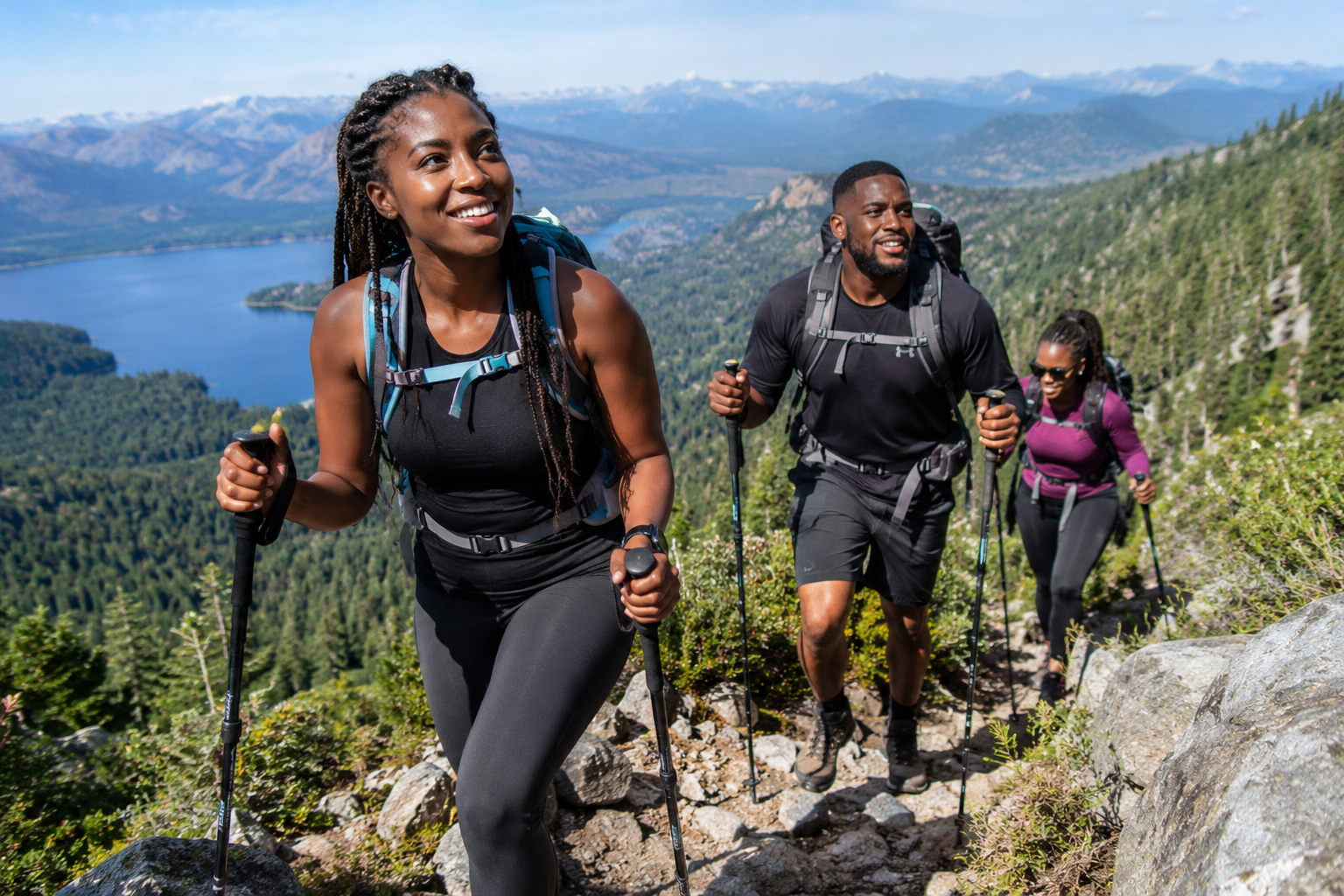
Committing to regular hiking trips offers comprehensive physical, emotional, and social advantages that boost overall well-being:
- Full-Body Cardiovascular Exercise: Navigating varying inclines, uneven terrain, and natural obstacles during hiking elevates your heart rate, builds lung capacity, and strengthens major muscle groups.
- Mental Clarity and Stress Reduction: Moving through natural green spaces while hiking lowers cortisol levels, clears mental fatigue, and provides a restorative break from everyday digital screens.
- Lower-Body and Core Strength: Stepping over roots, tackling steep ascents, and maintaining balance on loose gravel during hiking builds core stability, glute power, and leg endurance.
- Accessible Outdoor Adventure: Because hiking requires minimal complex machinery, it provides an exceptionally accessible entry point to outdoor recreation for people of varying fitness levels.
- Social Connection and Shared Memories: Exploring local or distant trails with friends, family, or trail groups makes hiking a rewarding social activity that strengthens bonds in nature.
While hiking welcomes participants of almost all athletic backgrounds, the activity may not be suitable for individuals managing severe, unaddressed joint degradation or acute mobility impairments that make traversing uneven ground painful, nor for those who feel uncomfortable in isolated wilderness environments without reliable cell service.
Essential Trail Gear and Outdoor Equipment Checklist
Outfitting yourself with supportive footwear, ergonomic pack systems, and protective electronics makes every journey safer, more comfortable, and highly rewarding.
Essential Gear Item | Primary Utility and On-Trail Function |
Supportive Outdoor Footwear | Wearing durable Hiking Boots provides rigid ankle support, aggressive outsole traction, and waterproof protection on rugged trails during hiking. |
Adjustable Balance Support | Using lightweight Trekking Poles absorbs impact on knee joints during steep descents and provides dynamic stability on slick terrain during hiking. |
Hands-Free Hydration Pack | Carrying a high-capacity Hydration System allows you to drink water continuously without stopping to open your pack while hiking. |
Solar-Powered Pack System | Packing an integrated Solar Backpack carries essential survival gear while utilizing sunlight to keep GPS devices and phones charged during extended hiking. |
Trail Photography Gear | Bringing a compact Camera allows you to capture wildlife moments, scenic vistas, and lasting personal memories while hiking. |
GPS Navigation & Fitness Tracker | Wearing a multi-sport Fitness Watch tracks distance traveled, elevation gain, heart rate metrics, and real-time GPS coordinates during hiking. |
Pairing technical synthetic or merino wool apparel with your equipment ensures moisture is pulled away from your skin, preventing chafing and temperature drops during unexpected weather shifts on the trail.
Comparing Trail Environments: Day Hikes vs. Multi-Day Expeditions
Choosing the proper excursion style helps tailor your preparation to your current fitness level, available time, and logistics preference:
Comparison Factor | Day Hikes | Multi-Day Backcountry Expeditions |
Gear & Load Weight | Requires a lightweight pack (10–20 lbs) holding basic water, snacks, extra layers, and first-aid supplies for hiking. | Requires a heavy multi-day backpack (30–50 lbs) carrying shelters, sleeping systems, water filtration, and food rations. |
Physical Effort & Conditioning | Low to moderate endurance demand, accessible for beginners and weekend enthusiasts engaging in hiking. | High physical demand requiring continuous stamina, joint resilience, and load-bearing strength across multiple consecutive days. |
Navigational & Safety Complexity | Uses clearly marked, well-traveled trails with simple turnarounds and nearby trailhead parking. | Demands advanced wilderness navigation, weather assessment, emergency signaling, and backcountry camp craft. |
Planning & Overnight Logistics | Minimal preparation; usually planned around morning starts and afternoon returns for hiking. | Requires advance campsite reservations, wilderness permits, detailed resupply planning, and wildlife food storage. |
Step-by-Step Trail Sequence for a Successful Hike
Adhering to a structured pre-ride and on-trail sequence ensures safety and keeps your excursion running smoothly from start to finish:
- Select and Research Your Route: Use reliable trail apps like AllTrails to evaluate distance, elevation profile, current trail conditions, and parking requirements before hiking.
- Leave a Trip Plan with Contact Person: Always notify a family member or friend of your exact trailhead, intended route, and expected return time prior to hiking.
- Pack the Ten Essential Survival Items: Ensure your pack contains navigation tools, hydration, extra food, thermal clothing, light sources, first-aid supplies, fire starter, repair tools, sun protection, and emergency shelter.
- Perform a Pre-Trail Gear Fitting: Lace your boots comfortably, adjust trekking pole height to a $90^\circ$ elbow bend on flat ground, and balance weight inside your pack for hiking.
- Pace Yourself and Stay Hydrated: Start at a slow, steady rhythm, taking short sips from your hydration reservoir every 15 to 20 minutes while hiking.
- Practice Leave No Trace Principles: Pack out all trash, stay strictly on designated footpaths to prevent soil erosion, and respect local wildlife from a safe distance during hiking.
- Conduct Post-Hike Recovery: Stretch your calves, hamstrings, and quadriceps, inspect your feet for hot spots or blisters, and rehydrate thoroughly after completing your trip.
Safety Guidelines, Environmental Awareness, and Risk Mitigation
While hiking is an inherently safe and accessible outdoor pursuit, respect for unpredictable natural environments is vital:
- Always Wear Proper Footwear: Wear rugged hiking boots with deep tread rubber outsoles on every outing, regardless of how simple the trail initially appears, to avoid slips during hiking.
- Monitor Weather Conditions: Check localized mountain forecasts right before leaving the trailhead, and be prepared to turn around immediately if severe weather or lightning approaches during hiking.
- Use Poles on Steep Descents: Deploy trekking poles on loose scree or steep downhill segments to reduce joint impact and prevent accidental falls while hiking.
- Monitor Energy and Pace: Keep track of your distance and heart rate using your fitness watch, ensuring you turn back before reaching total physical exhaustion.
- Stay on Marked Footpaths: Avoid taking shortcuts across switchbacks, as walking off-trail destroys fragile vegetation and significantly increases the risk of getting lost or causing landslides during hiking.
- Carry Adequate Water: Never rely on unverified wild water sources without proper filtration systems; carry sufficient water for hot conditions and emergency delays.
Cost Overview and Equipment Budgeting
One of the greatest virtues of hiking is its cost-effective entry bar, allowing budget-conscious adventurers to start exploring without high financial barriers:
Gear or Service Category | Estimated Price Range (USD) | Smart Cost Optimization Tip |
Trail Boots & Hiking Shoes | $60 – $200 | Look for end-of-season sales on waterproof trail models to get maximum foot protection for hiking. |
Trekking Poles & Balance Gear | $30 – $100 | Aluminum poles offer high durability and affordable pricing compared to ultra-light carbon fiber options. |
Hydration Reservoirs & Bottles | $20 – $60 | Purchase wide-mouth hydration bladders that are easy to clean, dry, and fill at trail stations. |
Daypacks & Solar Backcountry Packs | $50 – $150 | Select daypacks with integrated rain covers and adjustable hip belts to maximize carrying comfort during hiking. |
Park Entry Passes & Permits | $0 – $35 per vehicle | Buy an annual state or national park pass if you plan to visit multiple park destinations throughout the year for hiking. |
Most recreational day trips last between 2 and 6 hours, depending on trail distance and elevation profile. Setting out early in the morning guarantees cooler temperatures, ample daylight, better parking availability, and scenic morning lighting for trail photography.
Physical Requirements and Terrain Accessibility
Because hiking scales effortlessly across difficulty levels, almost anyone can enjoy moving through natural spaces:
- Gentle Nature Footpaths: Flat, paved, or crushed-gravel loop trails are accessible to young children, seniors, and beginners looking for easy hiking.
- Moderate Alpine Climbs: Rolling hills and continuous trail ascents build cardiovascular endurance while requiring solid footing and steady pacing during hiking.
- Strenuous Ridge Traversals: Technical mountain routes with heavy elevation gains test leg strength, balance, mental focus, and cardiovascular stamina.
Iconic Global Hiking Destinations and Famous Trails
The world features extraordinary destinations celebrated for breathtaking scenery, ancient footpaths, and legendary wilderness routes:
- Appalachian Trail (USA): Stretching over 2,197 miles from Georgia to Maine, this classic long-distance trail offers dense forest canopy and rugged ridge walking.
- Camino de Santiago (Spain): A network of ancient pilgrimage routes drawing over 530,000 walkers annually to Santiago de Compostela across rolling European countryside.
- Inca Trail to Machu Picchu (Peru): An unforgettable high-altitude trek winding through cloud forests, stone ruins, and dramatic Andean mountain passes.
- Tour du Mont Blanc (France, Italy, Switzerland): A world-renowned alpine loop encircling the Mont Blanc massif, featuring dramatic glaciers, green valleys, and classic European mountain huts.
Booking Guided Treks, Travel Tickets, and Mountain Lodging
Planning an itinerary around famous global trails requires coordinating transit, permits, and overnight stays. You can book a ticket here to secure entry passes for protected nature preserves, mountain railways, or conservation parks. To reserve certified alpine trekking guides, backcountry permits, or organized shuttle services, you can book a tour here or check activities here to enrich your travel experience.
When arranging travel logistics to iconic trailheads worldwide:
- Flight Bookings: You can check flights here or compare itineraries here to reserve convenient flight connections into gateway mountain cities.
- Hotel and Trailhead Lodging: You can check accommodation here to find comfortable hotels, eco-lodges, and village inns located near major trailheads.
- Vacation Cabin Rentals: When traveling with family or hiking groups carrying extensive packs and gear, you can book a stay here to secure private rustic cabins, mountain chalets, or countryside homes near natural parks.
History, Culture, and Human Heritage of Walking Trails
Moving through wild landscapes on foot is one of humanity’s oldest practices, originating from survival, trade, and exploration. Over centuries, practical pathways transformed into cultural and spiritual corridors. Pilgrimage routes like the Camino de Santiago in Europe or the Kumano Kodo in Japan were traveled for centuries as physical expressions of reflection, resilience, and personal transformation.
In the 19th and early 20th centuries, figures like John Muir and romantic-era naturalists championed foot travel as an essential antidote to rapid industrialization. This movement spurred the establishment of national park systems and protected wilderness corridors worldwide. Modern hiking culture continues to honor these values of self-reliance, environmental stewardship, and respect for nature, connecting every modern walker to an ancient human tradition.
Frequently Asked Questions (FAQs)
What should I do if I get lost while hiking?
Remember the acronym S.T.O.P. (Stop, Think, Observe, Plan). Stay in your current location rather than wandering further, conserve your water and battery power, and use a whistle or signal mirror to alert search teams.
How do I prevent blisters during long hikes?
Wear properly fitted hiking boots broken in prior to your trek, pair them with synthetic or merino wool socks (avoiding cotton), and apply protective blister tape or moleskin to hot spots as soon as you feel friction.
Is trekking pole height adjustable for up-and-down terrain?
Yes. Shorten your trekking poles by a few inches when going uphill to maintain leverage, and lengthen them when going downhill so you can maintain an upright posture without leaning forward.
Pack Your Essentials and Hit the Trail
Whether your dream involves peaceful weekend walks through local forest preserves, tackling challenging mountain peaks, or walking iconic pilgrimage routes across historic landscapes, hiking offers endless opportunities for health, adventure, and connection. Strap on your boots, double-check your pack, and step out onto the trail today!










 Welcome,
