
Practicing Yoga: Cost, Equipment, Styles, and Daily Routines
Practicing yoga appeals to people who love movement, mindfulness, and activities that nurture both the body and the mind at the same time. If you enjoy stretching, breathing intentionally, building strength through controlled movement, and finding a sense of calm in your daily routine, practicing yoga often becomes one of the most transformative habits you can adopt. It is especially appealing to people who want to improve their flexibility, manage stress, build a deeper connection with their body, and find a form of exercise that feels more like restoration than exertion.
The core purpose of practicing yoga is to unite the mind, body, and breath through a series of physical postures, breathing exercises, and meditation techniques. Whether you are flowing through a dynamic vinyasa sequence, holding restorative yin poses, or exploring the meditative stillness of a seated practice, practicing yoga meets you exactly where you are and grows with you over time. The experience combines physical fitness, mental clarity, and a sense of inner peace that extends far beyond the mat. To explore more active movement guides, wellness habits, and holistic lifestyle ideas, visit our Kenyago activities page.
Mind-Body Fitness and Physical Wellness
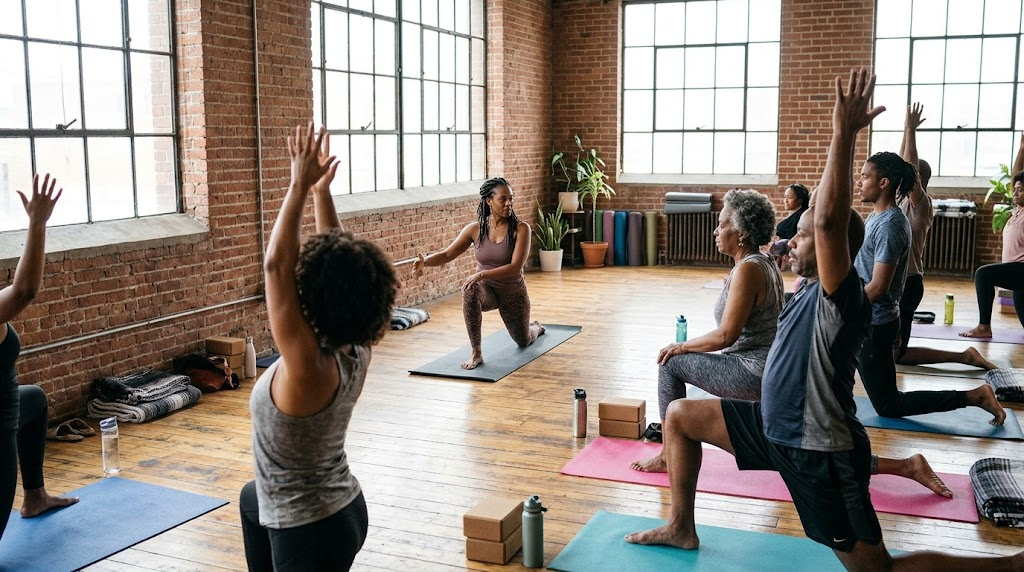
Committing to practicing yoga regularly provides a balanced blend of functional strength, flexibility, and stress relief that enhances daily living:
- Full-Body Conditioning: Practicing yoga delivers a balanced workout that builds isometric strength, joint flexibility, and core balance simultaneously.
- Stress Reduction and Mental Calm: Practicing yoga creates a powerful sense of mental calm and emotional grounding through intentional breathwork and mindfulness.
- Endless Adaptability: Practicing yoga offers a movement system that is endlessly adaptable to all fitness levels, ages, and mobility requirements.
- Long-Term Joint and Postural Health: Practicing yoga yields lasting physical benefits, including improved alignment, spinal mobility, and body awareness.
- Global Wellness Connection: Practicing yoga connects you to a supportive global community and thousands of years of ancient movement traditions.
While practicing yoga provides a welcoming environment for most individuals, the experience may not be enjoyable if you dislike slow, deliberate forms of movement, feel uncomfortable with stillness, or experience physical limitations that make floor-based exercises difficult without modification.
Essential Equipment and Props Checklist
Equipping your home or studio space with supportive props, grippy surfaces, and flexible athletic apparel makes every movement safer and more accessible.
Essential Gear & Accessory | Primary Function and Mat Performance Utility |
High-Traction Support Mat | Rolling out a quality Yoga Mat gives you a stable, non-slip surface that supports every pose when practicing yoga. |
High-Density Support Block | Using a firm Yoga Block brings the floor closer in poses where flexibility is still developing while practicing yoga. |
Woven Alignment Strap | Using a durable Yoga Strap extends your reach in deep hamstring and shoulder stretches while practicing yoga. |
Cylindrical Support Bolster | Placing a cushioned Yoga Bolster provides essential comfort in restorative poses, allowing the body to surrender while practicing yoga. |
Absorbent Sweat Towel | Laying a microfiber Yoga Towel over your mat absorbs sweat during intense sessions, keeping your grip secure while practicing yoga. |
Flexible Stretch Leggings | Wearing comfortable Yoga Pants allows a full range of movement without restriction when practicing yoga. |
Breathable Athletic Top | Wearing a lightweight Yoga Top keeps you cool through dynamic sequences and inversions while practicing yoga. |
Traction Studio Socks | Wearing non-slip Yoga Socks gives you extra traction on smooth wood floors while practicing yoga. |
Hydration Flask | Sipping from a sturdy Water Bottle keeps you hydrated during vigorous hot sessions while practicing yoga. |
Moisture-Wicking Headband | Wearing a snug Headband keeps hair and sweat out of your face so you can stay focused while practicing yoga. |
Checking your mat surface and keeping clean props within arm’s reach helps maintain continuous movement and focus during your session.
Style Comparison: Dynamic Vinyasa Flow vs. Restorative Yin Yoga

Selecting the right style when practicing yoga depends on your personal energy levels, fitness goals, and desire for active movement or passive stillness:
Performance & Style Factor | Dynamic Vinyasa & Power Yoga | Restorative & Yin Yoga |
Pacing and Movement Flow | Links continuous physical poses directly with breath transitions, building internal heat while practicing yoga. | Involves holding passive floor postures for 3 to 7 minutes to target deep connective tissues while practicing yoga. |
Muscular & Physical Effort | Demands active muscular engagement, core stability, balance, and endurance throughout the session. | Requires minimal muscular contraction, relying on bolsters, blocks, and gravity to support posture depth. |
Primary Mind-Body Focus | Enhances cardiovascular stamina, coordination, and athletic strength while practicing yoga. | Calms the nervous system, increases joint mobility, and fosters deep emotional relaxation. |
Prop Usage Level | Uses blocks and straps occasionally for balance and alignment adjustments during active flows. | Uses bolsters, blankets, and blocks continuously to fully cushion the body in supported poses. |
Step-by-Step Sequence for Starting a Daily Practice
Adhering to a progressive sequence helps you establish safe alignment, build stamina, and enjoy your time on the mat:
- Set Up a Quiet Space: Unroll your mat on a flat, even surface free from household distractions before practicing yoga.
- Begin with Centering Breathwork: Sit comfortably for three to five minutes, taking deep abdominal breaths to prepare your mind for practicing yoga.
- Warm Up the Spine: Execute gentle Cat-Cow movements, wrist rolls, and side stretches to mobilize your joints before practicing yoga.
- Flow Through Sun Salutations: Link Standing Forward Folds, Planks, and Downward-Facing Dogs to build body heat while practicing yoga.
- Hold Standing & Balance Poses: Practice Warrior II, Triangle, and Tree Pose to strengthen leg muscles and sharpen focus while practicing yoga.
- Transition to Floor Stretches: Use blocks and straps to support seated forward bends, hip openers, and gentle spinal twists.
- Rest Completely in Savasana: Lie flat on your back for 5 to 10 minutes to allow your nervous system to integrate the benefits of practicing yoga.
Safety Guidelines, Injury Prevention, and Studio Etiquette
While practicing yoga is gentle and safe for most individuals, following proper physical boundaries keeps your sessions pain-free:
- Honor Pain Boundaries: Never push past sharp pain; practicing yoga should feel like an active, productive stretch rather than intense joint strain.
- Modify with Props: Use blocks and straps to modify complex postures instead of forcing your spine or hamstrings into strain while practicing yoga.
- Keep Your Surface Grippy: Lay a towel down when sweat builds up to prevent accidental slipping while practicing yoga.
- Communicate Physical Needs: Inform your studio instructor of any prior spinal injuries, joint replacements, or pregnancy before practicing yoga.
- Observe Studio Etiquette: Arrive five to ten minutes early, remove your shoes before entering the studio room, and keep mobile devices silenced while practicing yoga.
- Consult Medical Professionals: Speak with your physician before trying inverted or heated classes if you manage high blood pressure or joint instability.
Financial Budgeting, Class Pricing, and Studio Costs
Establishing a regular routine when practicing yoga can adapt easily to any budget, ranging from free home sessions to boutique studio passes:
Expense Category | Estimated Price Range (USD) | Smart Budget Optimization Strategy |
Single Drop-In Studio Class | $15 – $30 per class | Purchase multi-class packs or introductory trial weeks to lower your per-class cost when practicing yoga. |
Unlimited Monthly Pass | $50 – $150 per month | Choose auto-renew studio memberships or community centers if you plan on practicing yoga three or more times a week. |
Online App Subscription | $10 – $30 per month | Stream structured home practice programs to enjoy unlimited sessions without studio fees when practicing yoga. |
Complete Starter Equipment Set | $48 – $165 total package | Purchase entry-level mats, blocks, and straps bundled together to save money when practicing yoga. |
Studio Apparel Essentials | $40 – $160 total outfit | Choose durable, moisture-wicking athletic wear that handles repeated washing cycles effortlessly. |
A standard studio class runs 45 to 90 minutes (most commonly 60 minutes), including warm-up flows and final relaxation.
Physical Requirements and Accessibility Modifications
Because practicing yoga adapts to individual body types, practitioners of all fitness levels can participate comfortably:
- Inland Inclusive Practices: Poses can be performed seated in a chair, standing with wall support, or reclining flat on a mat.
- Prop Assistance for Joints: Blocks and bolsters reduce stress on tight hips, hamstrings, and lower back structures while practicing yoga.
- Adaptive Age-Friendly Movement: Older adults, complete beginners, and individuals recovering from mild injuries can build strength safely through gentle modifications.
Iconic Global Yoga Destinations and Sacred Retreats
Practitioners often travel across the globe to deepen their practice, learn from master teachers, and experience ancient spiritual traditions:
- Rishikesh (Uttarakhand, India): Revered as the world’s yoga capital, set along the sacred Ganges River at the foothills of the Himalayas.
- Ubud (Bali, Indonesia): A world-renowned jungle sanctuary known for serene rice terraces, open-air shalas, and holistic retreats.
- Mysore (Karnataka, India): The historic birthplace of Ashtanga Vinyasa yoga, attracting dedicated practitioners for traditional self-practice.
- Nosara (Guanacaste, Costa Rica): A famous eco-friendly coastal destination blending peaceful jungle setting, ocean breezes, and daily movement.
Booking Travel Charters, Event Tickets, and Nearby Stays
Planning a journey to international retreats or wellness workshops involves coordinating flights, local passes, and stays. You can book a ticket here to secure entry for major wellness festivals, international masterclasses, or retreat conferences. To book regional day tours, cultural excursions, or temple walks around retreat hubs, you can book a tour here or check activities here to enrich your travel schedule.
When organizing travel logistics to global wellness destinations:
- Flight Bookings: You can check flights here or compare itineraries here to secure convenient flight routes into host countries.
- Retreat Hotels: You can check accommodation here to find boutique eco-resorts, beachside sanctuaries, and quiet studio stays.
- Spacious Rentals: When traveling with a wellness group or family, you can book a stay here to reserve private villas or peaceful homes with dedicated spaces for practicing yoga.
Ancient Origins, Philosophy, and Modern Evolution
The roots of practicing yoga trace back more than 5,000 years to ancient India’s Vedic period. Derived from the Sanskrit root yuj, meaning “to yoke” or “to unite,” the discipline was created to unify individual consciousness with universal awareness. Early foundational texts, including Patanjali’s Yoga Sutras, outlined an eight-limbed path encompassing ethical guidelines (Yamas and Niyamas), physical postures (Asana), and breath control (Pranayama).
As the discipline evolved through Hatha yoga traditions in medieval India, physical postures gained prominence as a means to purify the body and steady the mind. In the late 19th and early 20th centuries, pioneering teachers introduced these methods to Western audiences. Today, millions of people enjoy practicing yoga worldwide in studios, parks, and homes, honoring an ancient legacy of healing, self-discovery, and inner peace.
Frequently Asked Questions (FAQs)
Do I need to be flexible before practicing yoga?
No. Flexibility is a result of practicing yoga, not a requirement. Props like blocks and straps bring floor poses closer, making movement accessible regardless of your current flexibility.
How often should I practice yoga to see results?
Noticeable improvements in flexibility, core strength, and stress management occur when practicing yoga 2 to 4 times per week, though even a 15-minute daily home session yields mental benefits.
Is it safe to practice yoga every day?
Yes, as long as you vary your intensity. Alternating dynamic Vinyasa sessions with gentle Restorative or Yin practices prevents muscular fatigue while practicing yoga.
Roll Out Your Mat and Begin Your Journey
Whether you choose a fast-paced studio flow, a deep restorative stretch, or a peaceful morning session at home, practicing yoga offers an unparalleled path toward physical vitality and mental clarity. Prepare your props, take a deep breath, and step onto your mat today!










 Welcome,
