
Taking a Bike Ride: Equipment, Preparation, and Global Trails
Taking a bike ride appeals to people who love the outdoors, enjoy physical activity, and want an affordable and eco-friendly way to explore their surroundings. If you enjoy the freedom of the open road, scenic trails, and getting your body moving, taking a bike ride often feels like the perfect blend of exercise and adventure. It is especially appealing to people who appreciate nature, enjoy solo or group activities, and want a rewarding experience that is as easy or as challenging as they make it.
The purpose of taking a bike ride is to travel, explore, and exercise using one of the most versatile and accessible forms of transportation and recreation available. Riders enjoy everything from casual neighborhood loops to intense mountain trails. The experience combines physical fitness, mental clarity, and a deep connection to the environment around you. Whether commuting or training, taking a bike ride transforms simple movement into an empowering journey. To discover more outdoor adventures, cycling guides, and active recreation ideas, visit our Kenyago activities page.
Outdoor Exploration and Physical Fitness Enhancement
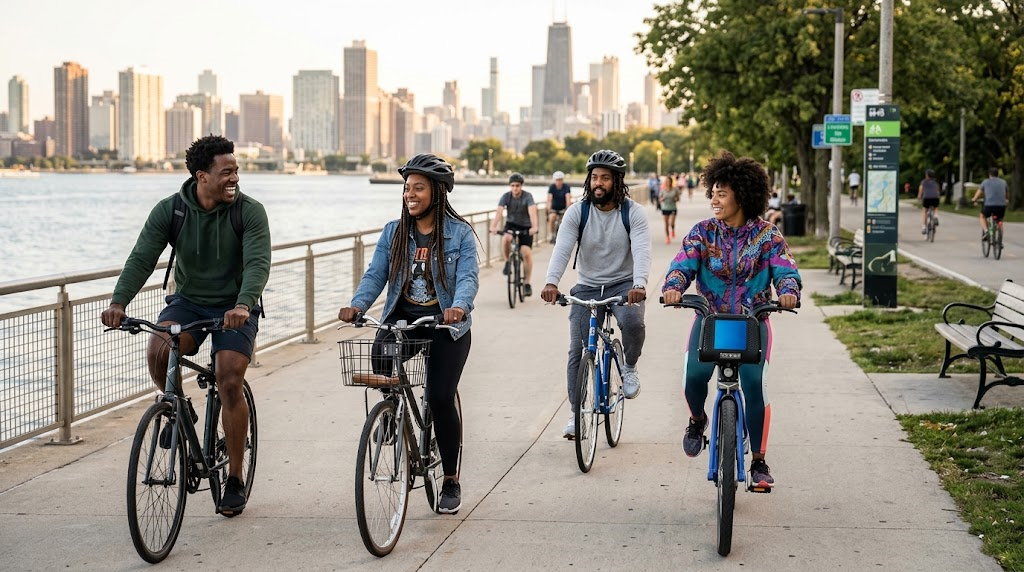
Choosing taking a bike ride as your primary outdoor activity offers widespread physical, mental, and environmental benefits:
- Comprehensive Full-Body Conditioning: Taking a bike ride provides an excellent cardiovascular workout that builds leg strength, joint mobility, and core stability.
- Eco-Friendly Local Exploration: Taking a bike ride creates an affordable and environmentally sustainable way to explore your community and local park networks.
- Diverse Riding Formats: Taking a bike ride offers endless versatility, accommodating quiet solo rides, social group cycling, and competitive racing events.
- Sensory Freedom and Adventure: Taking a bike ride delivers a unique sense of freedom, speed, and open-air exploration on two wheels.
- Community and Nature Connection: Taking a bike ride connects you directly to local landscapes, fresh air, and surrounding neighborhoods in a meaningful way.
While taking a bike ride provides a refreshing escape for most active individuals, it may not be enjoyable if you have joint or mobility issues that make pedaling difficult, feel uncomfortable riding in traffic or on uneven terrain, or dislike physical exertion outdoors.
Essential Cycling Gear and Maintenance Checklist
Equipping yourself with protective headwear, high-visibility clothing, and basic roadside repair tools ensures every outing remains safe and hassle-free.
Essential Biking Gear | Primary Function and Outdoor Performance Utility |
Protective Headgear | Wearing a sturdy riding Helment is the single most critical safety step when taking a bike ride. |
Padded Cycling Wear | Wearing comfortable padded Shorts minimizes friction and protects your seating area during longer outings. |
Stiff-Sled Footwear | Wearing proper biking Shoes enhances pedaling efficiency and keeps your feet locked safely onto pedals. |
Frame-Mounted Flask | Carrying a frame-mounted Water Bottle ensures continuous hydration without stopping when taking a bike ride. |
High-Security Cable/U-Lock | Securing your bike with a sturdy Lock provides peace of mind whenever you step away during your ride. |
High-Visibility Apparel | Wearing a vibrant Reflective Vest keeps you visible to motorists during early morning or evening outings. |
Roadside Repair Kit | Carrying a compact puncture Repair Kit prevents a flat tire from ending your journey prematurely. |
Portable Inflator Pump | Keeping a portable Bike Pump on hand ensures correct tire pressure before taking a bike ride. |
Vibration-Damping Wear | Wearing padded riding Gloves improves handlebar grip while protecting your hands from road vibration. |
UV & Debris Eyewear | Wearing fitted protective Sunglasses shields your eyes from wind, sun, insects, and flying trail dust. |
Keeping a compact multi-tool, tire levers, and a spare inner tube packed inside a small saddle bag keeps your setup streamlined.
Bicycle Classification Comparison: Road Bikes vs. Mountain Bikes
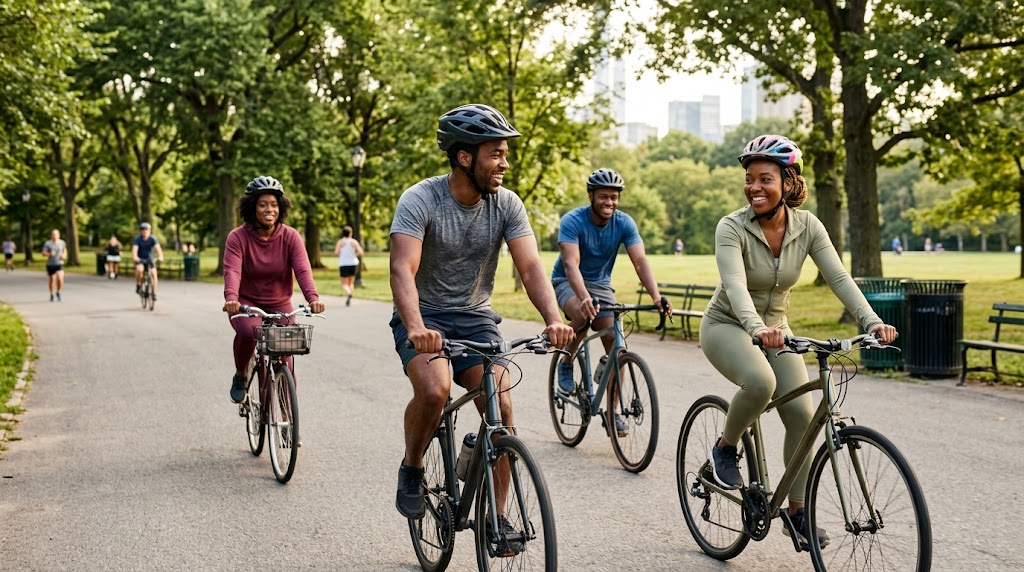
Choosing the right bicycle frame when planning on taking a bike ride depends on your target terrain, riding surface, and speed preferences:
Structural & Gear Factor | High-Speed Lightweight Road Bikes | Rugged All-Terrain Mountain Bikes |
Optimal Riding Surfaces | Designed strictly for smooth asphalt, paved multi-use paths, and city streets during a fast-paced outing. | Engineered for dirt singletrack, rocky mountain trails, gravel roads, and unpaved forest paths. |
Tire Profile & Tread Structure | Features narrow, high-pressure, slick tires built to minimize rolling resistance on pavement when taking a bike ride. | Features wide, low-pressure, knobby tires designed for maximum traction and mud shedding. |
Frame & Suspension Geometry | Rigid lightweight carbon or aluminum frame optimized for aerodynamic posture and uphill climbing speed. | Equipped with front suspension forks or full suspension shocks to absorb heavy trail impacts. |
Handlebar & Braking Systems | Features drop handlebars for multiple hand positions paired with responsive disc or rim brakes. | Features wide flat handlebars for maximum steering leverage paired with hydraulic disc brakes. |
Step-by-Step Sequence for a Safe Outdoor Ride
Following a systematic pre-ride routine ensures your equipment operates perfectly and your navigation stays on track:
- Conduct an ABC Maintenance Check: Inspect Air pressure, Brake responsiveness, and Chain lubrication before taking a bike ride.
- Adjust Seat and Handlebar Height: Set your saddle to proper height to maintain a slight knee bend at the bottom of each stroke.
- Secure Protective Gear: Fasten your helmet snugly, put on your sunglasses, and pull on your riding gloves before taking a bike ride.
- Mount Hydration and Tools: Click your filled water bottle into its frame cage and secure your roadside repair kit under your saddle.
- Plan Your Route and Timing: Select paved bike lanes or traffic-free trailways that match your fitness level before starting your journey.
- Maintain Traffic Vigilance: Ride in the direction of traffic, use clear hand signals for turns, and stay aware of surrounding vehicles.
- Clean and Lock Up: Wipe down your chain after wet rides, check your tire treads, and engage your bike lock when storing your gear.
Safety Regulations, Road Etiquette, and Hazard Prevention
While taking a bike ride is safe and rewarding, practicing proactive road safety prevents collisions and mechanical failures:
- Always Wear Your Helmet: Buckle a properly fitted helmet on every single outing, regardless of distance or terrain when taking a bike ride.
- Obey Traffic Directives: Treat your bicycle like a vehicle by stopping at red lights, honoring stop signs, and signaling all directional turns.
- Enhance Low-Light Visibility: Wear a bright reflective vest and turn on front white lights and rear flashing red lights when riding in dim light.
- Avoid Noise Distractions: Keep headphone volume low or leave one ear open so you can hear approaching vehicles, sirens, and nearby cyclists.
- Master Hand Signals: Signal left turns, right turns, and sudden stops clearly to drivers and fellow cyclists while taking a bike ride.
- Carry Inflation Tools: Keep your compact bike pump and repair kit easily accessible so you can fix flat tires on remote paths without delay.
- Scan for Surface Hazards: Watch out for potholes, loose gravel, wet leaves, and open car doors when taking a bike ride through city corridors.
Budgeting Strategy, Equipment Pricing, and Gear Investments
Financial requirements for taking a bike ride vary based on whether you choose budget-friendly recreational gear or professional-grade equipment:
Expense Category | Price Range (USD) | Smart Expense Optimization Strategy |
Bicycle Selection | $150 – $1,000+ | Purchase a well-maintained second-hand aluminum bike or entry-level hybrid model to start taking a bike ride. |
Safety Helmet & Apparel | $30 – $100 helmet / $20 – $80 shorts | Prioritize MIPS-certified helmets for safety and invest in quality padded shorts for long-distance comfort. |
Roadside Maintenance Kit | $30 – $90 combined kit & pump | Buy a pre-packaged seat bag kit that bundles a mini bike pump, tire levers, and multi-tools together. |
Footwear & Pedal Systems | $40 – $150 shoes | Start with stiff flat-sole athletic sneakers before upgrading to clip-in cycling shoes and clipless pedal setups. |
Visibility & Security Gear | $35 – $110 lock & vest | Invest in a heavy-duty steel U-lock to secure your bicycle in urban zones and a bright reflective vest for night rides. |
Casual rides typically last 20 minutes to an hour, while training rides or scenic trail journeys span 2 to 4 hours.
Physical Fitness Demands and Adaptability Options
Taking a bike ride builds cardiorespiratory health and endurance while remaining easy on your joints:
- Low-Impact Exercise: Pedaling provides continuous cardiovascular activity without subjecting your knees, ankles, or hips to heavy pounding.
- Adjustable Intensity Levels: Shift gear ratios to make pedaling easy on flat ground or challenging on steep inclines during your ride.
- E-Bike Accessibility: Electric-assist bicycles make taking a bike ride accessible to riders with joint concerns or those returning to fitness.
Global Cycling Capital Cities and Iconic Scenic Trails
Cycling enthusiasts travel across continents to conquer legendary mountain passes, coastal highways, and urban bike networks:
- Shimanami Kaido (Hiroshima to Ehime, Japan): A breathtaking 70-kilometer expressway over sea bridges connecting Japanese islands.
- Great Ocean Road (Victoria, Australia): A coastal road route offering views of limestone stacks, ocean waves, and rainforest cliffs.
- Amsterdam Channel Networks (North Holland, Netherlands): The world capital of urban cycling, featuring thousands of miles of separated bike paths.
- Whistler Mountain Bike Park (British Columbia, Canada): Premier alpine gravity trails for mountain biking enthusiasts seeking technical downhill terrain.
Booking Travel Charters, Event Tickets, and Nearby Stays
Planning a trip centered around iconic bike tours, gran fondos, or mountain parks involves coordinating transport, passes, and accommodation. You can book a ticket here to secure entry passes for competitive cycling races, bike expos, or regional sports events. To reserve guided countryside cycling tours, e-bike city loops, or mountain shuttle passes, you can book a tour here or check activities here to finalize your itinerary.
When organizing travel logistics to world-class cycling destinations:
- Flight Bookings: You can check flights here or compare itineraries here to secure flights with bike bag options into destination airports.
- Bike-Friendly Hotels: You can check accommodation here to find hotels offering secure bike storage, cleaning stations, and repair stands.
- Scenic Trailhead Rentals: When traveling with cycling clubs or family, you can book a stay here to reserve private chalets located beside famous trail systems for taking a bike ride.
Century-Old Heritage, Design Evolution, and Cycling Culture
The tradition of taking a bike ride spans over two centuries of human innovation, beginning with the invention of the “dandy horse” balance machine in 1817 and evolving into the modern safety bicycle in the late 19th century. Biking transformed global transportation by offering affordable mobility to millions of people regardless of social class.
During the late Victorian era, cycling played a key role in women’s emancipation by providing independent mobility and inspiring modern clothing designs. Today, taking a bike ride represents a global movement focused on environmental sustainability, urban health, and outdoor recreation, carrying on a long tradition of human-powered adventure.
Frequently Asked Questions (FAQs)
What type of bicycle should I select for taking a bike ride for the first time?
A hybrid bicycle is ideal for beginners because it combines comfortable upright handlebars, medium tires, and multi-gear shifting for both paved paths and light dirt trails.
How often should I check my tire pressure when taking a bike ride regularly?
Check your tire pressure before every single ride using a gauge or portable bike pump, as bicycle tires naturally lose air over time.
Is taking a bike ride effective for cardiovascular weight management?
Yes. Steady cycling burns significant calories, improves metabolic health, and strengthens core and leg muscles without putting high-impact stress on your joints.
Grab Your Helmet and Hit the Open Road
Whether you are commuting along city bike lanes, cruising along a coastal boardwalk, or tackling rugged dirt trails, taking a bike ride offers a fantastic way to boost your fitness, clear your mind, and explore the world on two wheels. Inflate your tires, strap on your helmet, and enjoy the ride today!










 Welcome,
